Choi Jeong-Il, Lee Bang Yeon
School of Architecture, Chonnam National University, 77 Yongbong-ro, Buk-gu, Gwangju 61186, Korea.
Materials (Basel). 2015 Sep 30;8(10):6719-6727. doi: 10.3390/ma8105335.
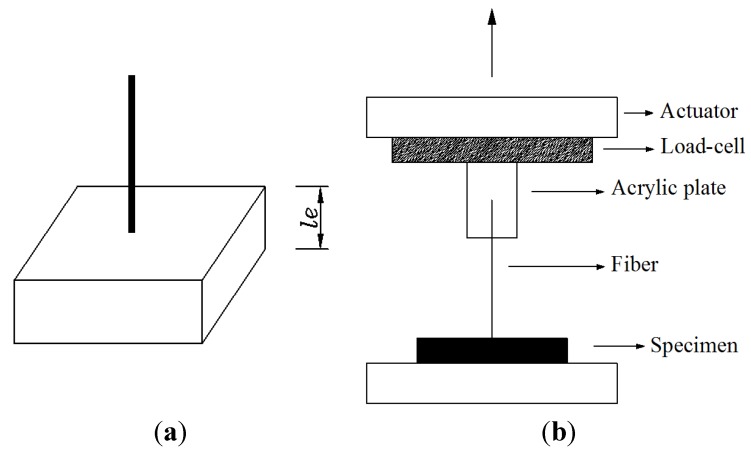
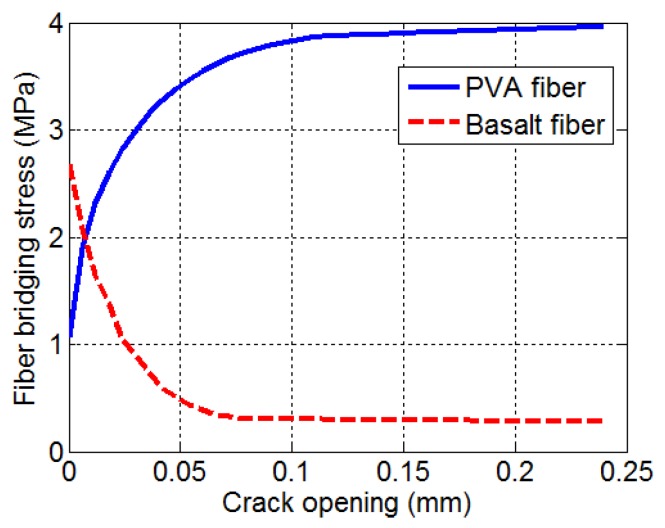
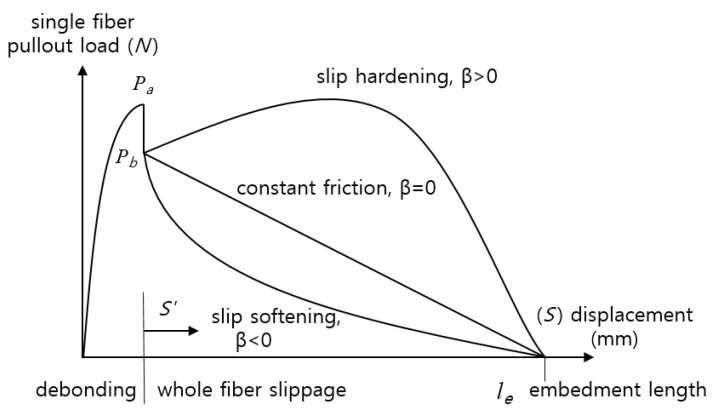
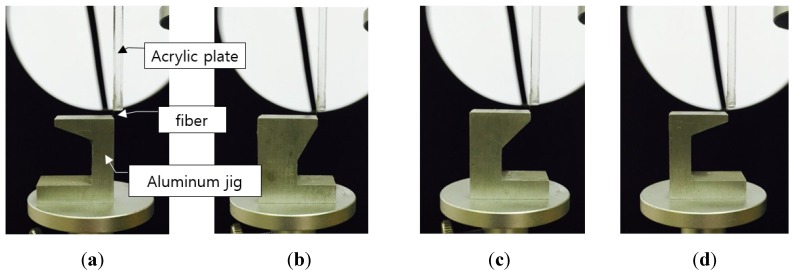
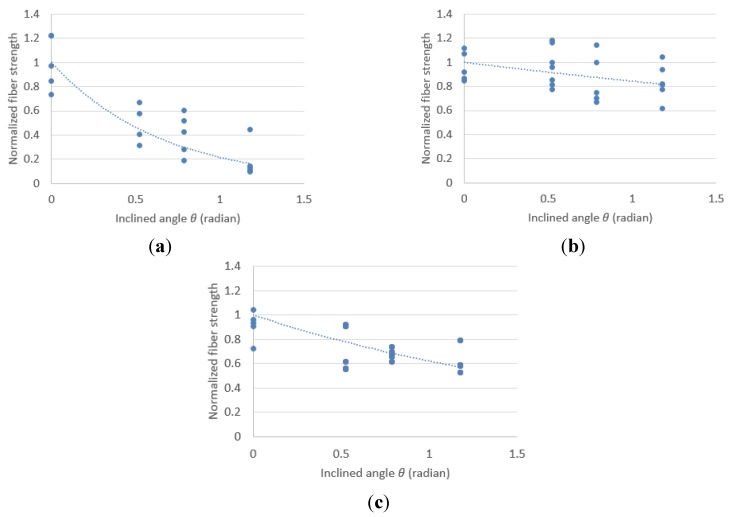
The basalt fiber is a promising reinforcing fiber because it has a relatively higher tensile strength and a density similar to that of a concrete matrix as well as no corrosion possibility. This study investigated experimentally the bonding properties of basalt fiber with cementitious material as well as the effect of fiber orientation on the tensile strength of basalt fiber for evaluating basalt fiber's suitability as a reinforcing fiber. Single fiber pullout tests were performed and then the tensile strength of fiber was measured according to fiber orientation. The test results showed that basalt fiber has a strong chemical bond with the cementitious matrix, 1.88 times higher than that of polyvinyl alcohol fibers with it. However, other properties of basalt fiber such as slip-hardening coefficient and strength reduction coefficient were worse than PVA and polyethylene fibers in terms of fiber bridging capacity. Theoretical fiber-bridging curves showed that the basalt fiber reinforcing system has a higher cracking strength than the PVA fiber reinforcing system, but the reinforcing system showed softening behavior after cracking.
玄武岩纤维是一种很有前景的增强纤维,因为它具有相对较高的拉伸强度、与混凝土基体相似的密度且不存在腐蚀可能性。本研究通过实验研究了玄武岩纤维与胶凝材料的粘结性能以及纤维取向对玄武岩纤维拉伸强度的影响,以评估玄武岩纤维作为增强纤维的适用性。进行了单纤维拔出试验,然后根据纤维取向测量纤维的拉伸强度。试验结果表明,玄武岩纤维与胶凝基体具有很强的化学键,比聚乙烯醇纤维与胶凝基体的化学键强1.88倍。然而,就纤维桥接能力而言,玄武岩纤维的其他性能如滑移硬化系数和强度降低系数比聚乙烯醇纤维和聚乙烯纤维差。理论纤维桥接曲线表明,玄武岩纤维增强体系比聚乙烯醇纤维增强体系具有更高的开裂强度,但该增强体系在开裂后表现出软化行为。