Lind Cora
Department of Chemistry, the University of Toledo, Toledo, OH 43606, USA.
Materials (Basel). 2012 Jun 20;5(6):1125-1154. doi: 10.3390/ma5061125.
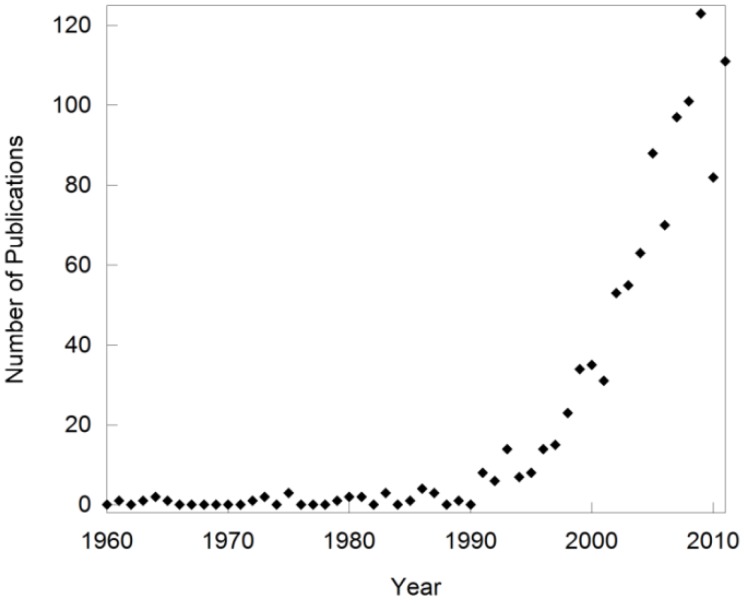
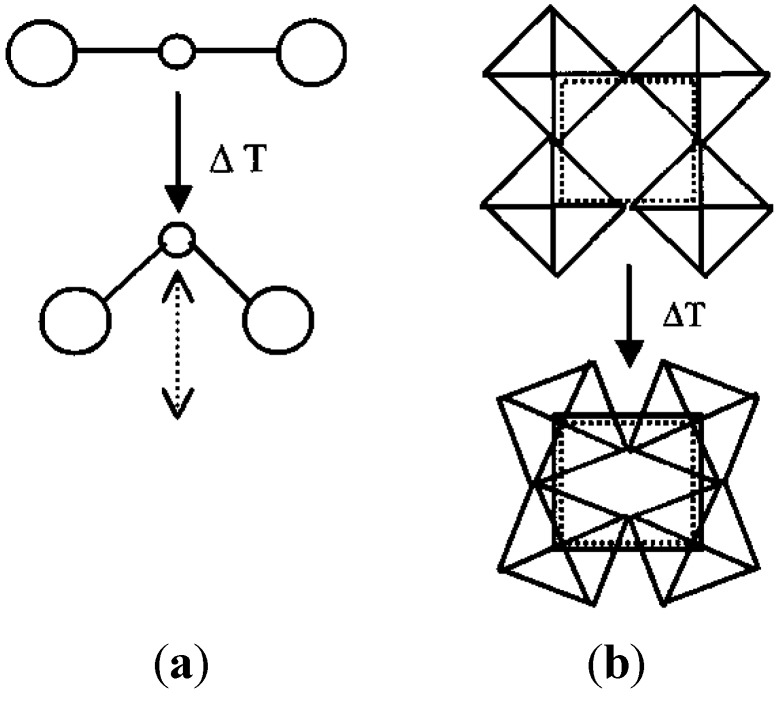
Negative thermal expansion (NTE) materials have become a rapidly growing area of research over the past two decades. The initial discovery of materials displaying NTE over a large temperature range, combined with elucidation of the mechanism behind this unusual property, was followed by predictions that these materials will find use in various applications through controlled thermal expansion composites. While some patents have been filed and devices built, a number of obstacles have prevented the widespread implementation of NTE materials to date. This paper reviews NTE materials that contract due to transverse atomic vibrations, their potential for use in controlled thermal expansion composites, and known problems that could interfere with such applications.
在过去二十年中,负热膨胀(NTE)材料已成为一个快速发展的研究领域。最初发现了在较大温度范围内表现出负热膨胀的材料,并阐明了这种不寻常特性背后的机制,随后有人预测这些材料将通过可控热膨胀复合材料在各种应用中得到应用。虽然已经提交了一些专利并制造了一些器件,但迄今为止,一些障碍阻碍了负热膨胀材料的广泛应用。本文综述了由于横向原子振动而收缩的负热膨胀材料、它们在可控热膨胀复合材料中的应用潜力以及可能干扰此类应用的已知问题。