Shanmugasundaram Srinidhi, You Jianxin
Department of Microbiology, Perelman School of Medicine, University of Pennsylvania, Philadelphia, PA 19104, USA.
Viruses. 2017 Aug 18;9(8):229. doi: 10.3390/v9080229.
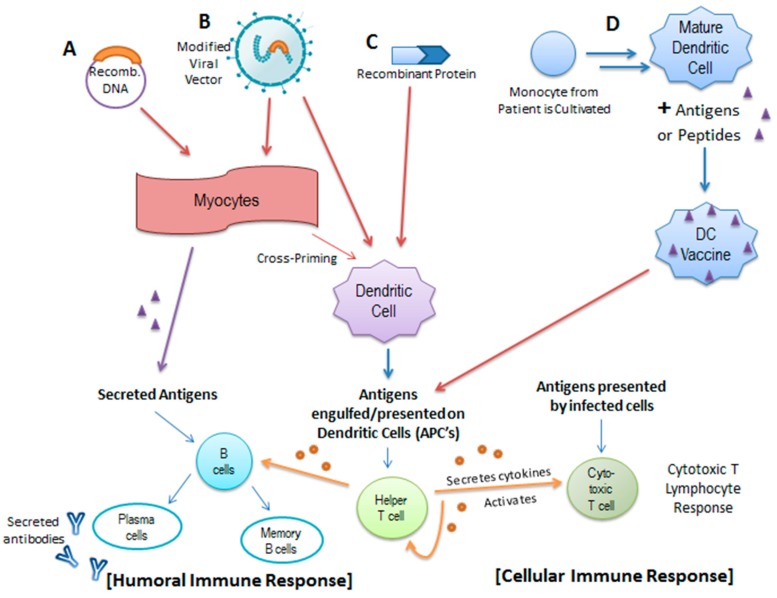
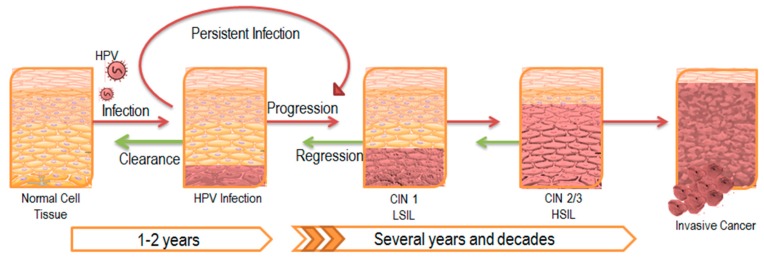
While the majority of Human papillomavirus (HPV) infections are transient and cleared within a couple of years following exposure, 10-20% of infections persist latently, leading to disease progression and, ultimately, various forms of invasive cancer. Despite the clinical efficiency of recently developed multivalent prophylactic HPV vaccines, these preventive measures are not effective against pre-existing infection. Additionally, considering that the burden associated with HPV is greatest in regions with limited access to preventative vaccination, the development of effective therapies targeting persistent infection remains imperative. This review discusses not only the mechanisms underlying persistent HPV infection, but also the promise of immunomodulatory therapeutic vaccines and small-molecular inhibitors, which aim to augment the host immune response against the viral infection as well as obstruct critical viral-host interactions.
虽然大多数人乳头瘤病毒(HPV)感染是短暂的,在接触后的几年内会自行清除,但仍有10%-20%的感染会潜伏持续,导致疾病进展,并最终引发各种形式的浸润性癌症。尽管最近研发的多价预防性HPV疫苗在临床上具有有效性,但这些预防措施对已有的感染无效。此外,鉴于HPV相关负担在预防接种机会有限的地区最为严重,开发针对持续性感染的有效治疗方法仍然势在必行。本综述不仅讨论了持续性HPV感染的潜在机制,还探讨了免疫调节治疗性疫苗和小分子抑制剂的前景,这些疫苗和抑制剂旨在增强宿主针对病毒感染的免疫反应,并阻断关键的病毒-宿主相互作用。