Li Y-L, Liu X-M, Zhang C-Y, Zhou J-B, Shao Y, Liang C, Wang H-M, Hua Z-Y, Lu S-D, Ma Z-L
Lab for Noncoding RNA &Cancer, School of Life Sciences, Shanghai University, Shanghai, China.
Experimental Center for Life Science, Shanghai University, Shanghai, China.
Oncogenesis. 2017 Aug 21;6(8):e372. doi: 10.1038/oncsis.2017.50.
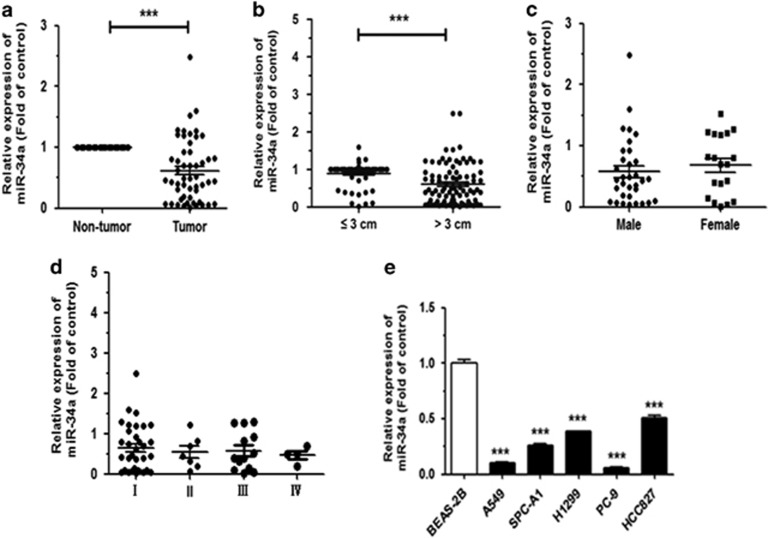
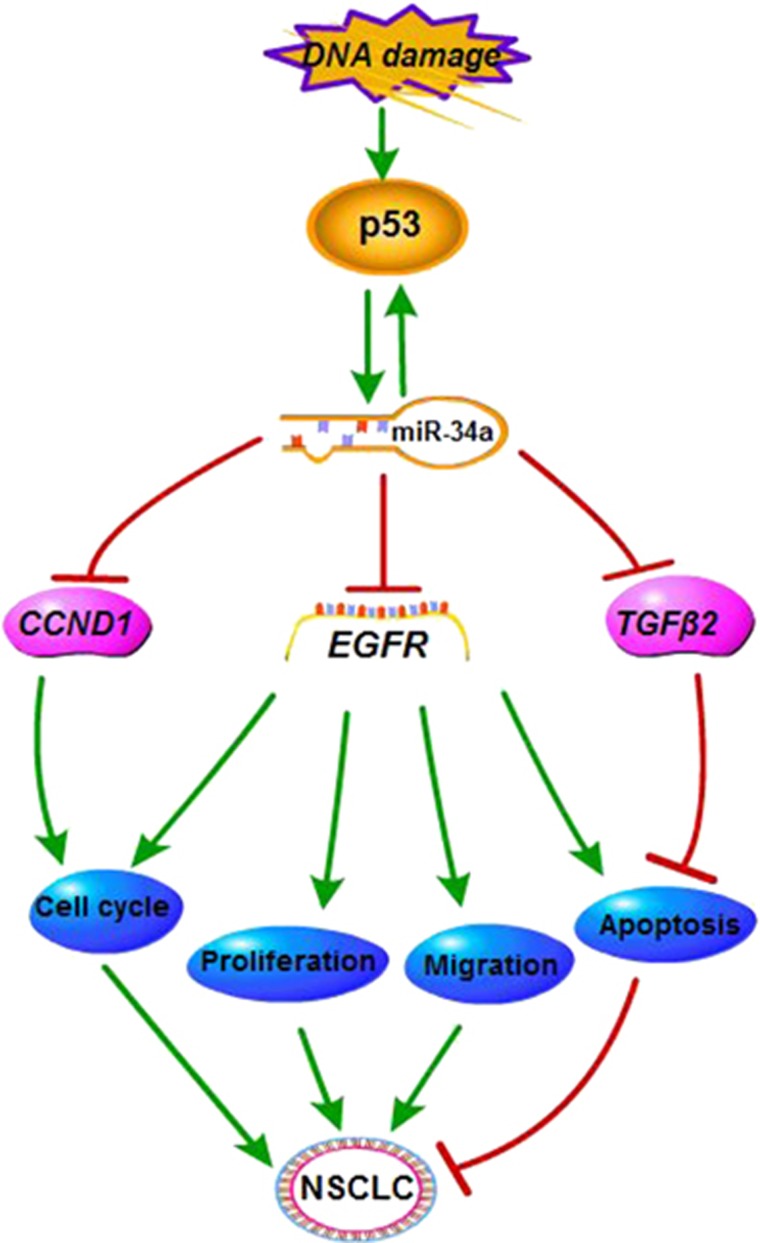
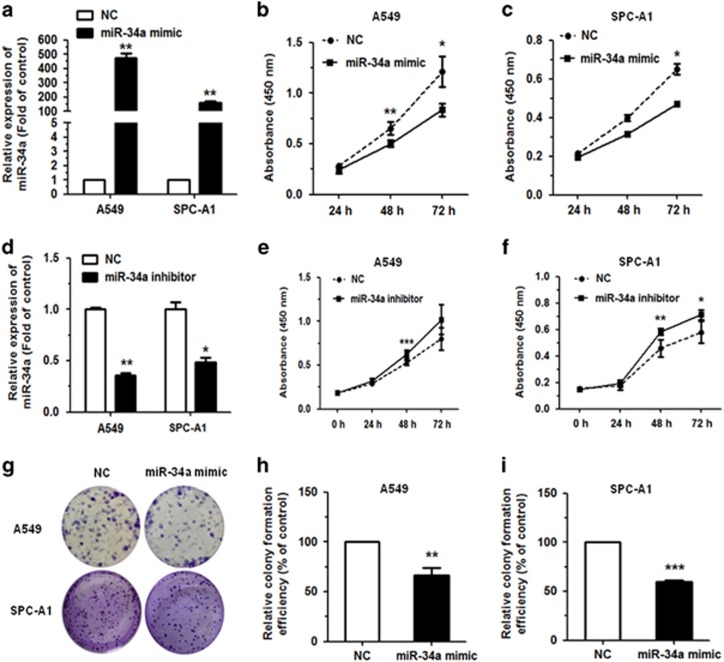
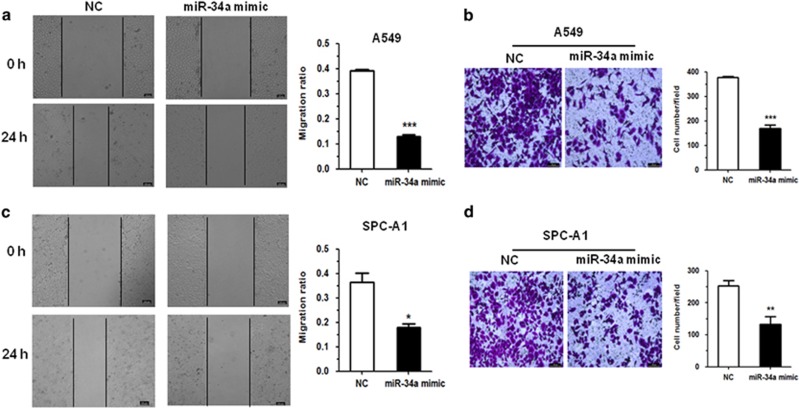
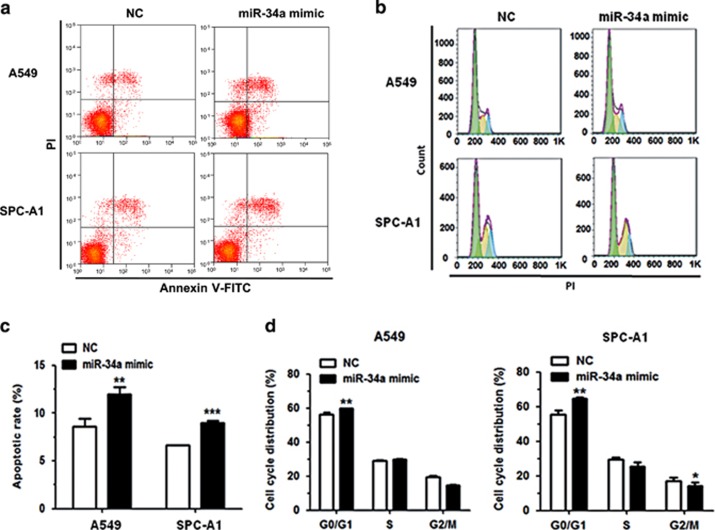
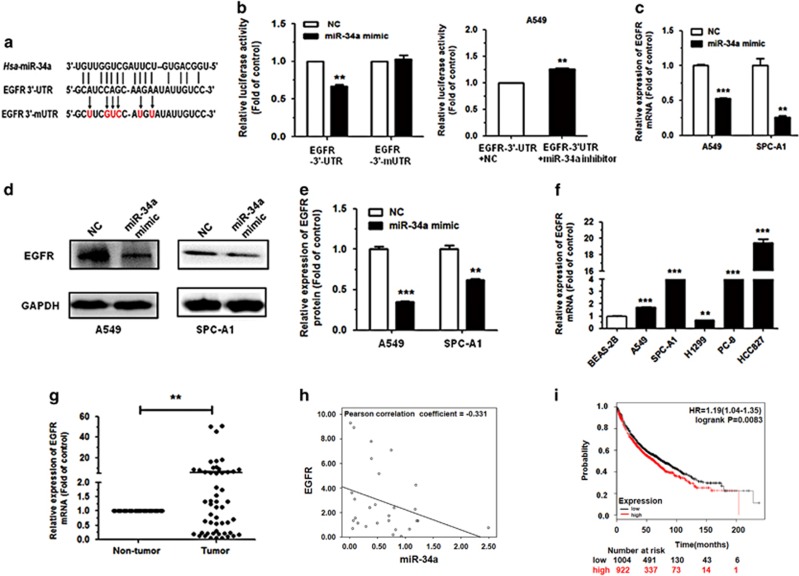
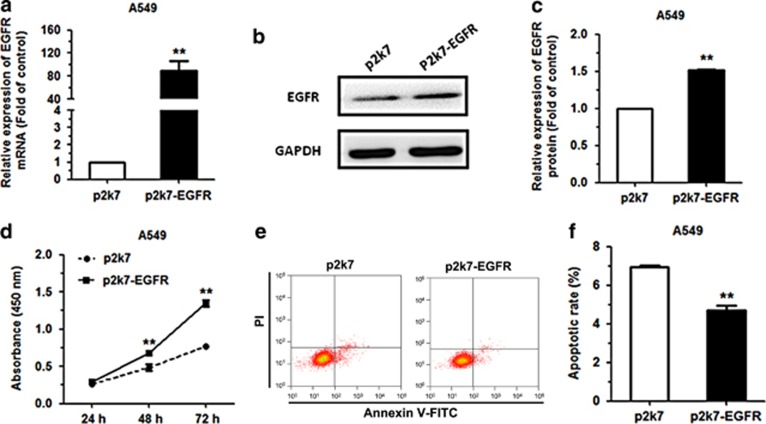
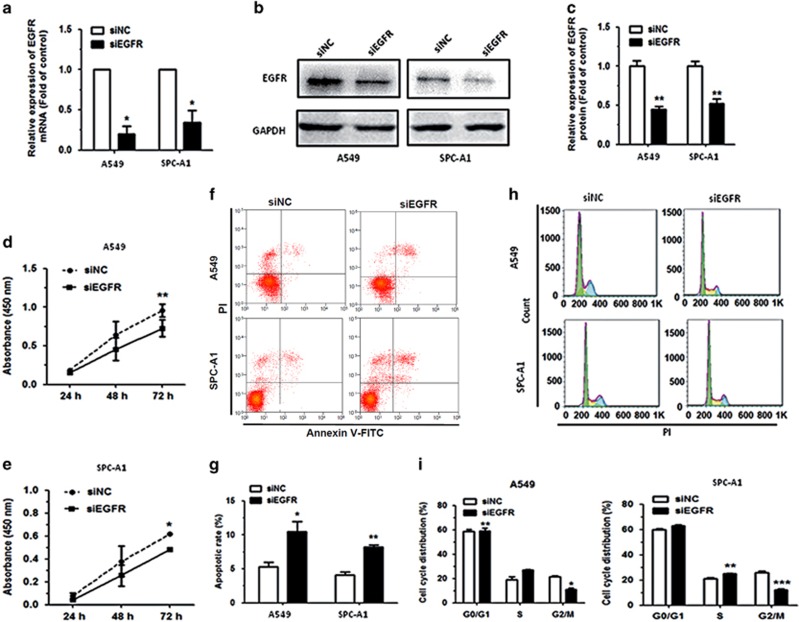
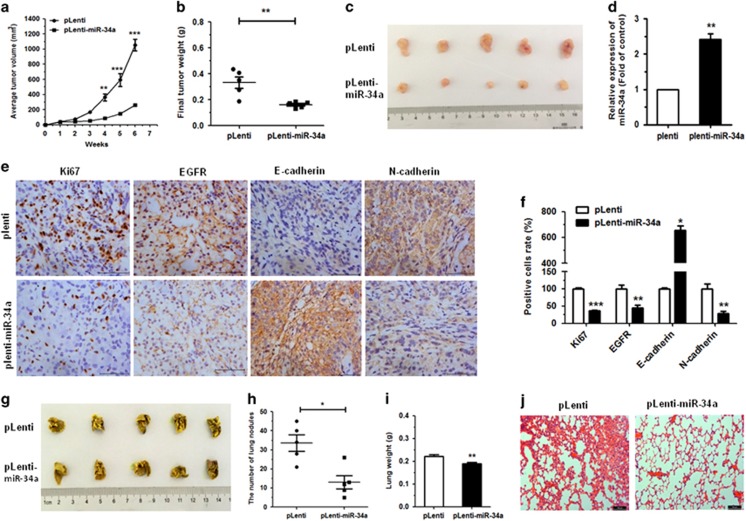
MicroRNAs (miRNAs) are vital in the regulation of tumor progression and invasion. Dysregulation of miRNAs has been linked to the development of various types of human cancers, including non-small-cell lung cancer (NSCLC). However, the effect of miRNA-34a (miR-34a), a key regulator of tumor suppression, on the tumorigenesis of NSCLC has not been fully elaborated. Herein, we reveal that miR-34a is significantly downregulated in NSCLC tissues and cell lines, suggesting that miR-34a might function as a tumor suppressor in lung cancer. We also confirmed that epidermal growth factor receptor (EGFR) is a direct target of miR-34a, and our data reveal that siRNA knockdown of EGFR can inhibit cell proliferation, promote apoptosis and arrest cell-cycle progression. In addition, EGFR can reverse the suppressive function of miR-34a overexpression on proliferation and cell apoptosis. Furthermore, in vivo experiments demonstrated that miR-34a suppress tumor growth, both in the A549 xenograft model, as well as in the metastatic tumors in nude mice. Taken together, our findings suggest that miR-34a inhibits NSCLC tumor growth and metastasis through targeting EGFR.
微小RNA(miRNA)在肿瘤进展和侵袭的调控中至关重要。miRNA的失调与包括非小细胞肺癌(NSCLC)在内的多种人类癌症的发生发展有关。然而,肿瘤抑制关键调节因子miRNA - 34a(miR - 34a)对NSCLC肿瘤发生的影响尚未完全阐明。在此,我们发现miR - 34a在NSCLC组织和细胞系中显著下调,提示miR - 34a可能在肺癌中发挥肿瘤抑制作用。我们还证实表皮生长因子受体(EGFR)是miR - 34a的直接靶点,并且我们的数据表明,通过小干扰RNA(siRNA)敲低EGFR可抑制细胞增殖、促进细胞凋亡并阻止细胞周期进程。此外,EGFR可逆转miR - 34a过表达对增殖和细胞凋亡的抑制作用。此外,体内实验表明,miR - 34a在A549异种移植模型以及裸鼠转移瘤中均能抑制肿瘤生长。综上所述,我们的研究结果表明,miR - 34a通过靶向EGFR抑制NSCLC肿瘤生长和转移。