Maroyi Alfred
Medicinal Plants and Economic Development (MPED) Research Center, Department of Botany, University of Fort Hare, Private Bag X1314, Alice 5700, South Africa.
ScientificWorldJournal. 2017;2017:3763607. doi: 10.1155/2017/3763607. Epub 2017 Jul 30.
The developmental projects, particularly construction of dams, result in permanent changes of terrestrial ecosystems through inundation.
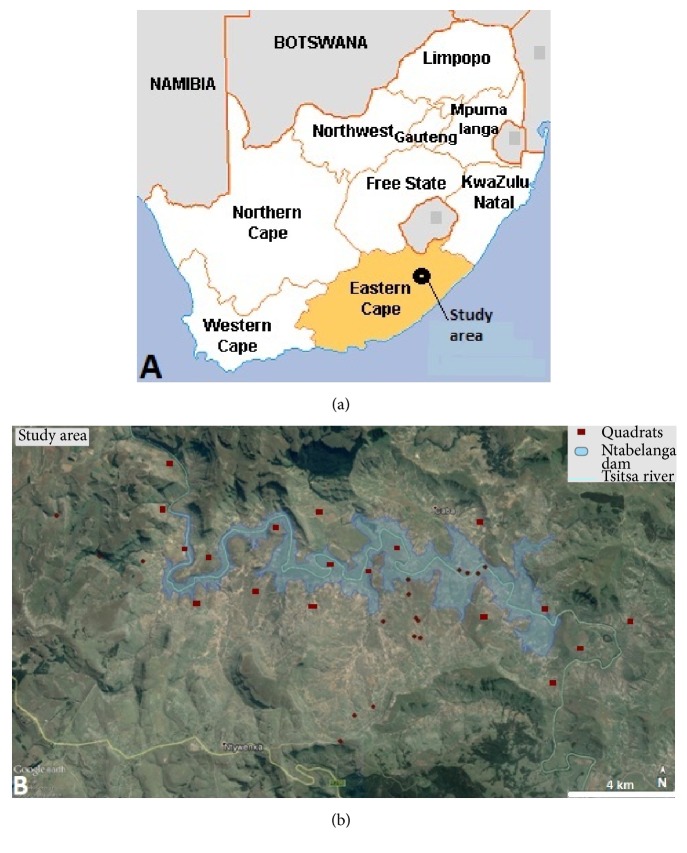
The present study was undertaken aiming at documenting useful plant species in Ntabelanga dam catchment area that will be impacted by the construction of the proposed dam.
A total of 55 randomly selected quadrats were used to assess plant species diversity and composition. Participatory rural appraisal (PRA) methods were used to identify useful plant species growing in the catchment area through interviews with 108 randomly selected participants.
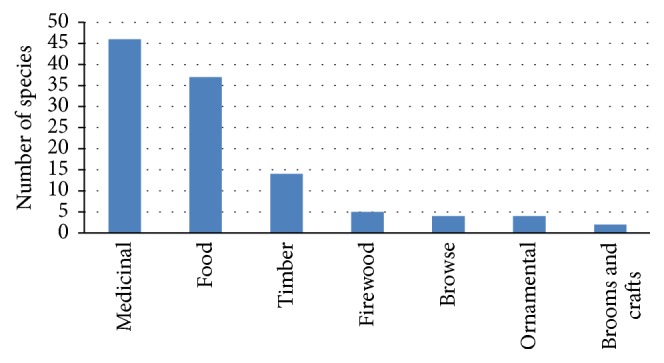
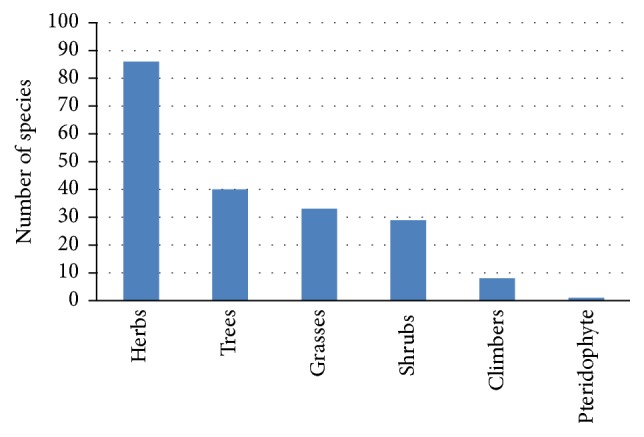
A total of 197 plant species were recorded with 95 species (48.2%) utilized for various purposes. Use categories included ethnoveterinary and herbal medicines (46 species), food plants (37 species), construction timber and thatching (14 species), firewood (five species), browse, live fence, and ornamental (four species each), and brooms and crafts (two species).
This study showed that plant species play an important role in the daily life and culture of local people. The construction of Ntabelanga dam is, therefore, associated with several positive and negative impacts on plant resources which are not fully integrated into current decision-making, largely because of lack of multistakeholder dialogue on the socioeconomic issues of such an important project.
发展项目,特别是水坝建设,会因淹没导致陆地生态系统发生永久性变化。
本研究旨在记录恩塔贝兰加水坝集水区内将受到拟建水坝建设影响的有用植物物种。
总共使用55个随机选取的样方来评估植物物种多样性和组成。通过与108名随机选取的参与者进行访谈,采用参与式农村评估(PRA)方法来识别集水区内生长的有用植物物种。
共记录到197种植物,其中95种(48.2%)被用于各种用途。用途类别包括民族兽医药和草药(46种)、食用植物(37种)、建筑木材和茅草(14种)、柴火(5种)、饲料、活篱笆和观赏植物(各4种),以及扫帚和手工艺品(2种)。
本研究表明植物物种在当地居民的日常生活和文化中发挥着重要作用。因此,恩塔贝兰加水坝的建设对植物资源有若干正面和负面影响,这些影响在当前决策中并未得到充分整合,主要是因为缺乏关于如此重要项目社会经济问题的多利益相关方对话。