Department of Biochemistry, School of Life Sciences, Central University of Rajasthan, Bandarsindri, Kishangarh, Ajmer, 305817, Rajasthan, India.
Cellular and Molecular Neurobiology Unit, Indian Institute of Technology Jodhpur, Jodhpur, India.
Sci Rep. 2017 Aug 23;7(1):9232. doi: 10.1038/s41598-017-09199-w.
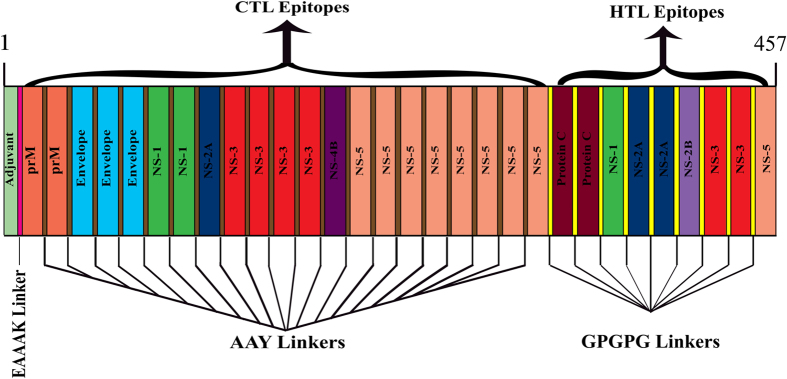
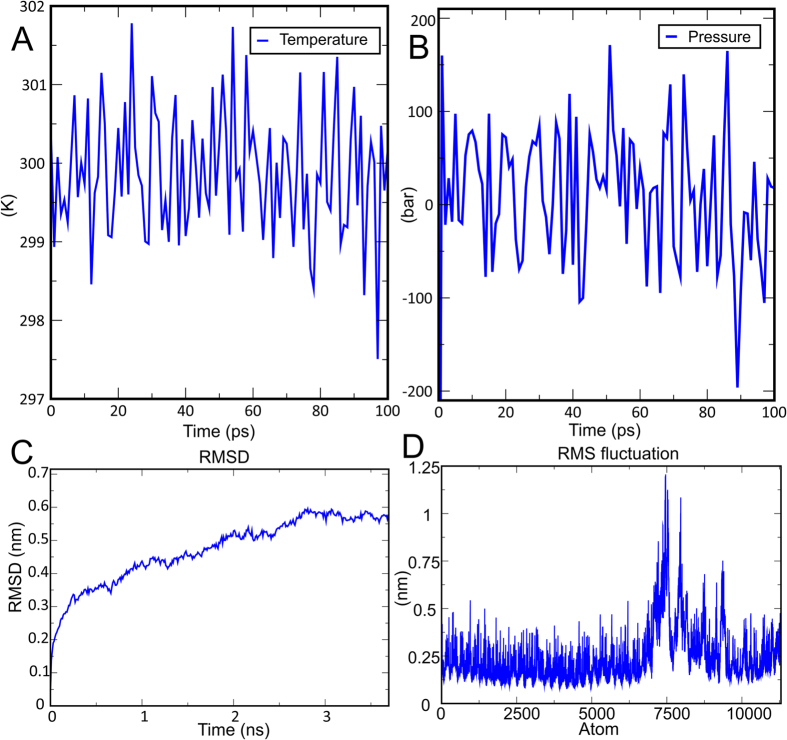
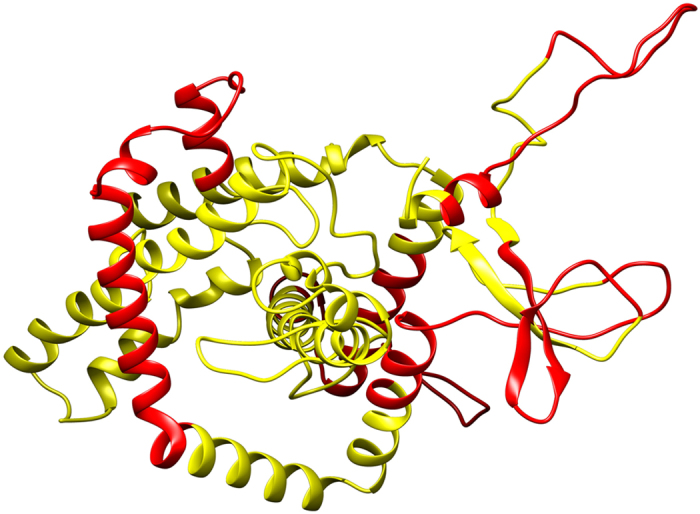
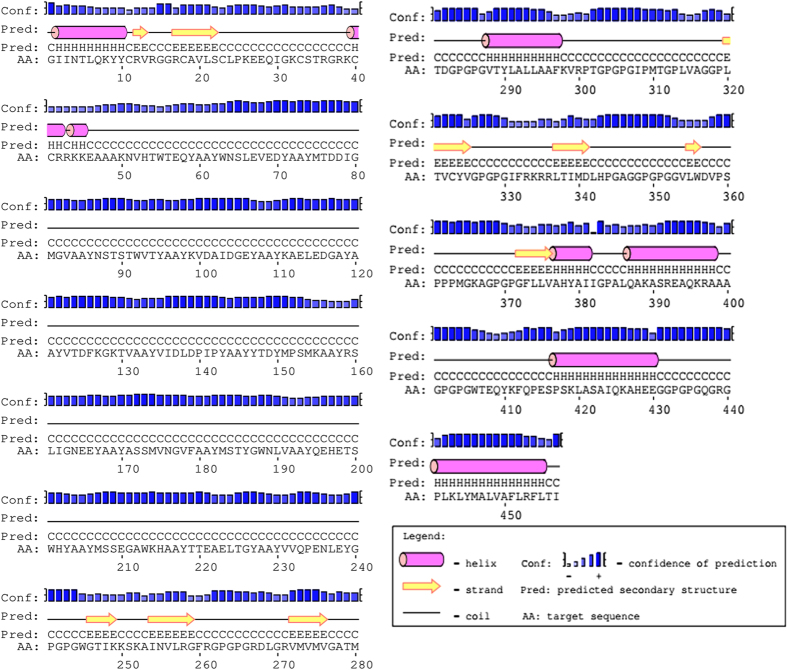
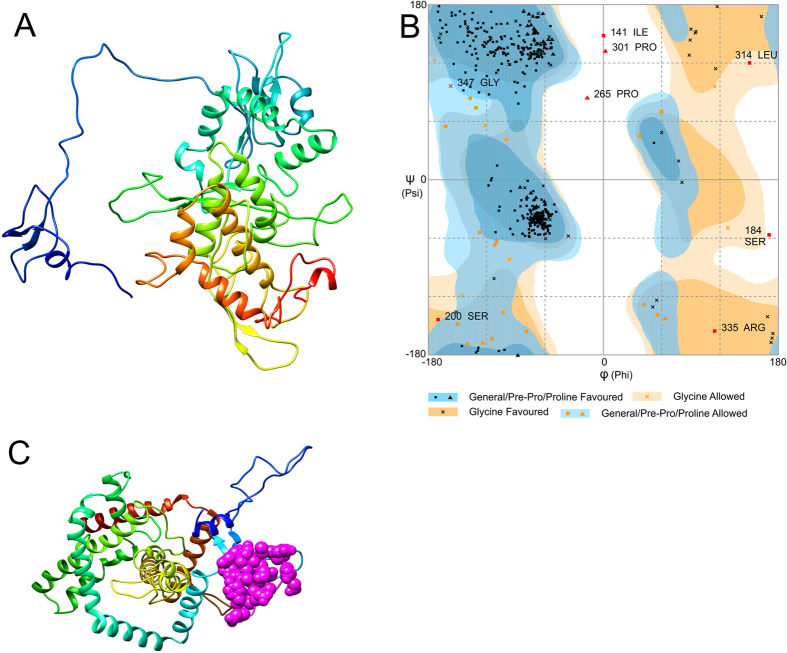
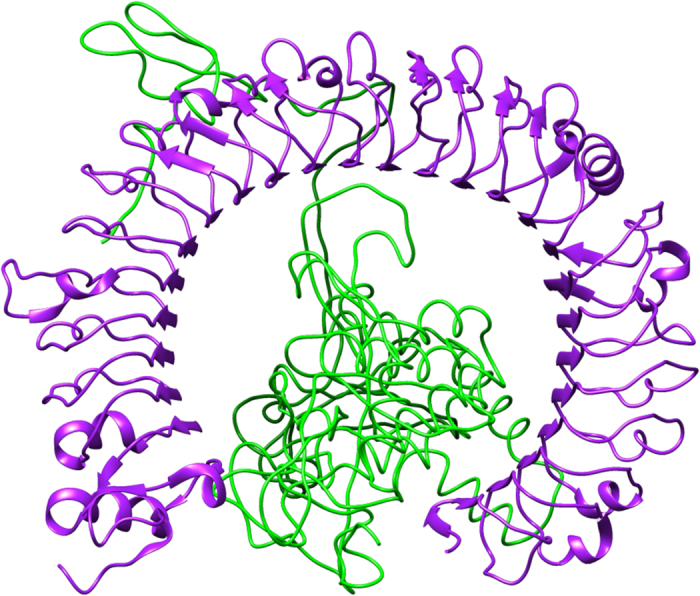
Dengue is considered as a major health issue which causes a number of deaths worldwide each year; tropical countries are majorly affected by dengue outbreaks. It is considered as life threatening issue because, since many decades not a single effective approach for treatment and prevention of dengue has been developed. Therefore, to find new preventive measure, we used immunoinformatics approaches to develop a multi-epitope based subunit vaccine for dengue which can generate various immune responses inside the host. Different B-cell, T cell, and T cell binding epitopes were predicted for structural and non-structural proteins of dengue virus. Final vaccine constructs consisting of T and T cell epitopes and an adjuvant (β-defensin) at N-terminal of the construct. Presence of B-cell and IFN-γ inducing epitopes confirms the humoral and cell mediated immune response developed by designed vaccine. Designed vaccine was not found allergic and was potentially antigenic in nature. Modeling of tertiary structure and the refined model was used for molecular docking with TLR-3 (immune receptor). Molecular docking and dynamics simulation confirms the microscopic interactions between ligand and receptor. In silico cloning approach was used to ensure the expression and translation efficiency of vaccine within an expression vector.
登革热被认为是一个主要的健康问题,每年在全球范围内导致许多人死亡;热带国家受登革热爆发的影响最大。由于几十年来一直没有开发出有效的治疗和预防登革热的方法,因此它被认为是威胁生命的问题。因此,为了寻找新的预防措施,我们使用免疫信息学方法开发了一种基于多表位的登革热亚单位疫苗,该疫苗可以在宿主内产生多种免疫反应。针对登革病毒的结构蛋白和非结构蛋白预测了不同的 B 细胞、T 细胞和 T 细胞结合表位。最终的疫苗构建体由 T 细胞和 T 细胞表位以及构建体 N 端的佐剂(β-防御素)组成。存在 B 细胞和 IFN-γ 诱导表位证实了设计疫苗所产生的体液和细胞介导的免疫反应。设计的疫苗未发现过敏,具有潜在的抗原性。三级结构建模和细化模型用于与 TLR-3(免疫受体)进行分子对接。分子对接和动力学模拟证实了配体和受体之间的微观相互作用。使用计算机克隆方法来确保疫苗在表达载体中的表达和翻译效率。