Zhuang Junlong, Shen Lan, Yang Lin, Huang Xiaojing, Lu Qun, Cui Yangyan, Zheng Xi, Zhao Xiaozhi, Zhang Dianzheng, Huang Ruimin, Guo Hongqian, Yan Jun
Department of Urology, Drum Tower Hospital, Medical School of Nanjing University, Institute of Urology, Nanjing University, Nanjing, Jiangsu, China.
State Key Laboratory of Pharmaceutical Biotechnology and MOE Key Laboratory of Model Animals for Disease Study, Model Animal Research Center, Nanjing University, Nanjing 210061, Jiangsu, China.
Theranostics. 2017 Jul 22;7(12):3053-3067. doi: 10.7150/thno.19542. eCollection 2017.
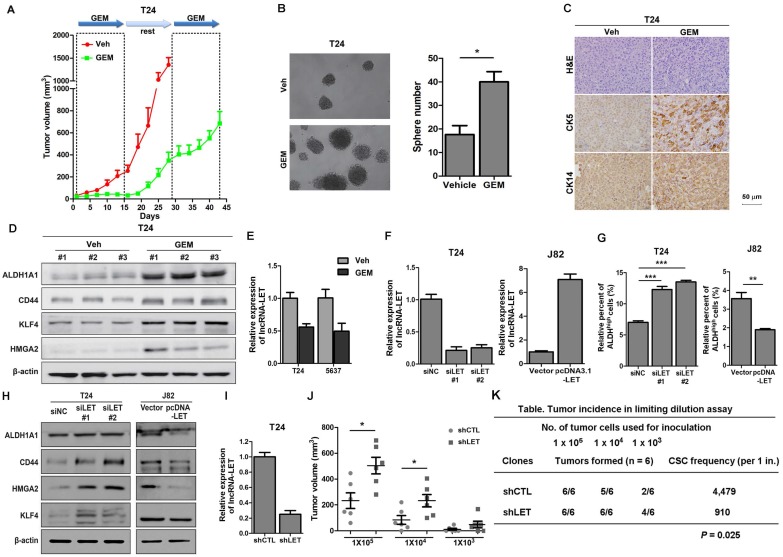
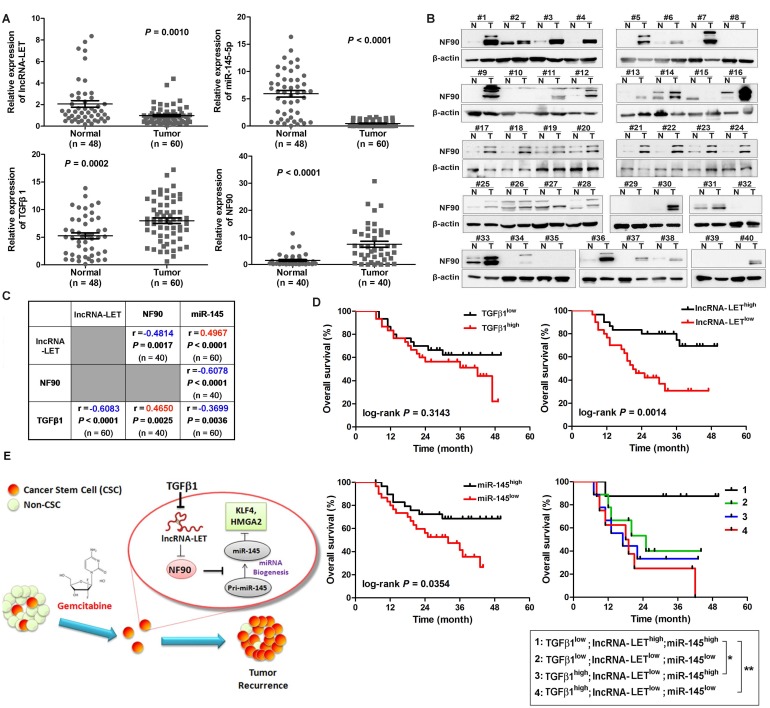
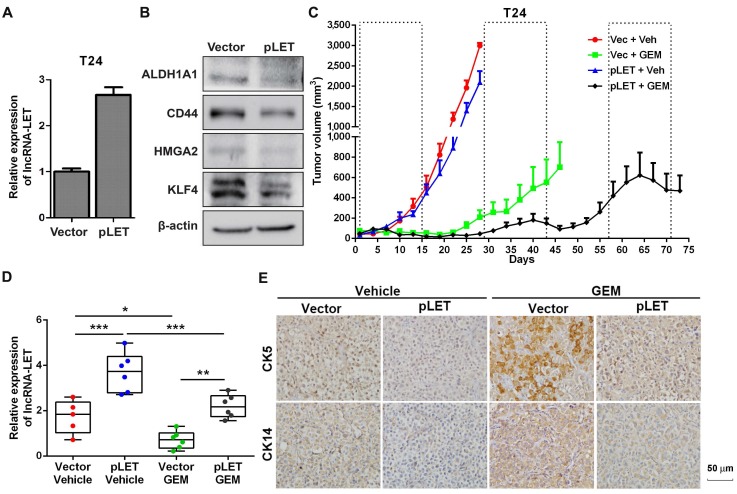
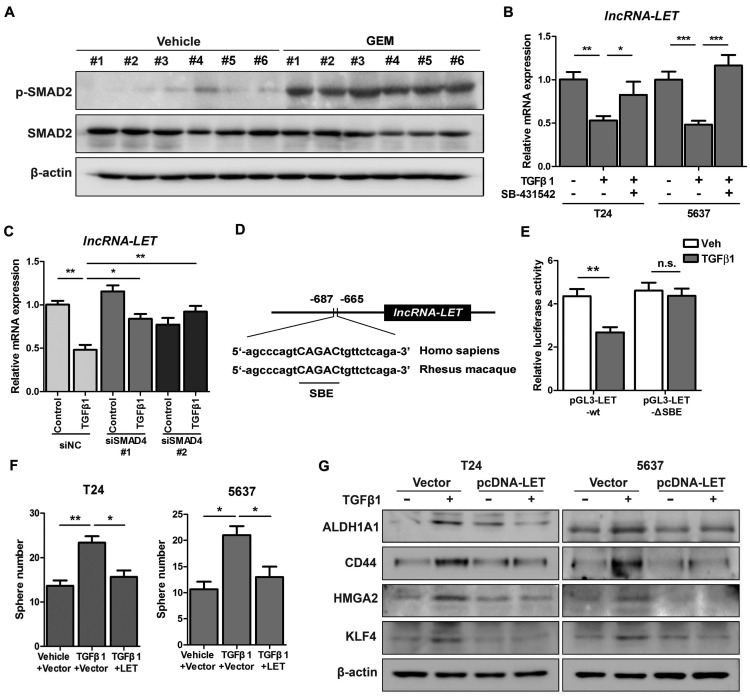
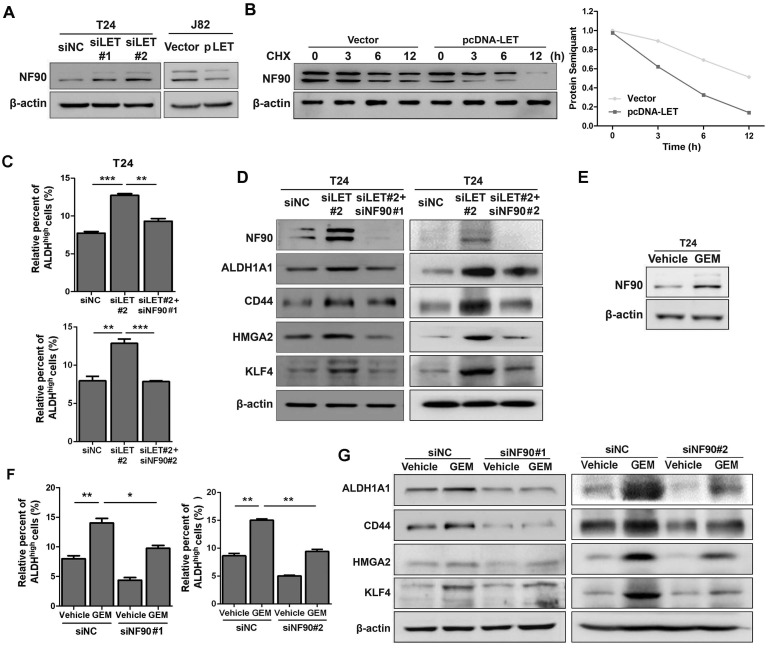
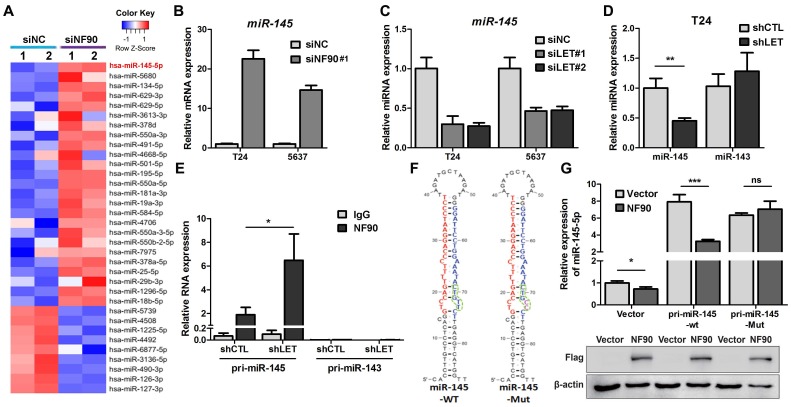
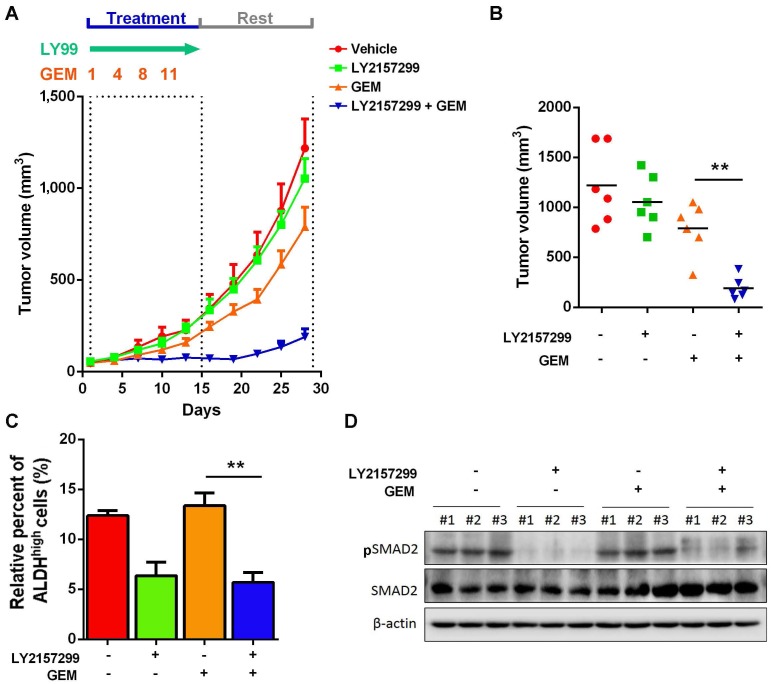
High tumor recurrence is frequently observed in patients with urinary bladder cancers (UBCs), with the need for biomarkers of prognosis and drug response. Chemoresistance and subsequent recurrence of cancers are driven by a subpopulation of tumor initiating cells, namely cancer stem-like cells (CSCs). However, the underlying molecular mechanism in chemotherapy-induced CSCs enrichment remains largely unclear. In this study, we found that during gemcitabine treatment lncRNA-Low Expression in Tumor (lncRNA-LET) was downregulated in chemoresistant UBC, accompanied with the enrichment of CSC population. Knockdown of lncRNA-LET increased UBC cell stemness, whereas forced expression of lncRNA-LET delayed gemcitabine-induced tumor recurrence. Furthermore, lncRNA-LET was directly repressed by gemcitabine treatment-induced overactivation of TGFβ/SMAD signaling through SMAD binding element (SBE) in the lncRNA-LET promoter. Consequently, reduced lncRNA-LET increased the NF90 protein stability, which in turn repressed biogenesis of miR-145 and subsequently resulted in accumulation of CSCs evidenced by the elevated levels of stemness markers HMGA2 and KLF4. Treatment of gemcitabine resistant xenografts with LY2157299, a clinically relevant specific inhibitor of TGFβRI, sensitized them to gemcitabine and significantly reduced tumorigenecity . Notably, overexpression of TGFβ1, combined with decreased levels of lncRNA-LET and miR-145 predicted poor prognosis in UBC patients. Collectively, we proved that the dysregulated lncRNA-LET/NF90/miR-145 axis by gemcitabine-induced TGFβ1 promotes UBC chemoresistance through enhancing cancer cell stemness. The combined changes in TGFβ1/lncRNA-LET/miR-145 provide novel molecular prognostic markers in UBC outcome. Therefore, targeting this axis could be a promising therapeutic approach in treating UBC patients.
膀胱癌(UBC)患者中经常观察到高肿瘤复发率,因此需要用于预后和药物反应的生物标志物。癌症的化疗耐药性及随后的复发是由肿瘤起始细胞亚群,即癌症干细胞样细胞(CSC)驱动的。然而,化疗诱导CSC富集的潜在分子机制仍不清楚。在本研究中,我们发现,在吉西他滨治疗期间,化疗耐药的UBC中lncRNA-肿瘤低表达(lncRNA-LET)下调,同时CSC群体富集。敲低lncRNA-LET增加了UBC细胞干性,而lncRNA-LET的强制表达延迟了吉西他滨诱导的肿瘤复发。此外,吉西他滨治疗通过lncRNA-LET启动子中的SMAD结合元件(SBE)诱导TGFβ/SMAD信号过度激活,直接抑制了lncRNA-LET。因此,lncRNA-LET减少增加了NF90蛋白稳定性,进而抑制了miR-145的生物合成,随后导致CSC积累,表现为干性标志物HMGA2和KLF4水平升高。用LY2157299(一种临床相关的TGFβRI特异性抑制剂)治疗吉西他滨耐药的异种移植瘤,使其对吉西他滨敏感,并显著降低肿瘤发生能力。值得注意的是,TGFβ1过表达,同时lncRNA-LET和miR-145水平降低,预示着UBC患者预后不良。我们共同证明,吉西他滨诱导的TGFβ1导致lncRNA-LET/NF90/miR-145轴失调,通过增强癌细胞干性促进UBC化疗耐药。TGFβ1/lncRNA-LET/miR-145的联合变化为UBC预后提供了新的分子预后标志物。因此,靶向该轴可能是治疗UBC患者的一种有前景的治疗方法。