Hernandez-Perez Marimar, Chopra Gaurav, Fine Jonathan, Conteh Abass M, Anderson Ryan M, Linnemann Amelia K, Benjamin Chanelle, Nelson Jennifer B, Benninger Kara S, Nadler Jerry L, Maloney David J, Tersey Sarah A, Mirmira Raghavendra G
Department of Pediatrics and the Center for Diabetes and Metabolic Diseases, Indiana University School of Medicine, Indianapolis, IN.
Department of Chemistry, Purdue Institute for Drug Discovery; Purdue Center for Cancer Research; Purdue Institute for Inflammation, Immunology and Infectious Disease; and Purdue Institute for Integrative Neuroscience, Purdue University, West Lafayette, IN.
Diabetes. 2017 Nov;66(11):2875-2887. doi: 10.2337/db17-0215. Epub 2017 Aug 25.
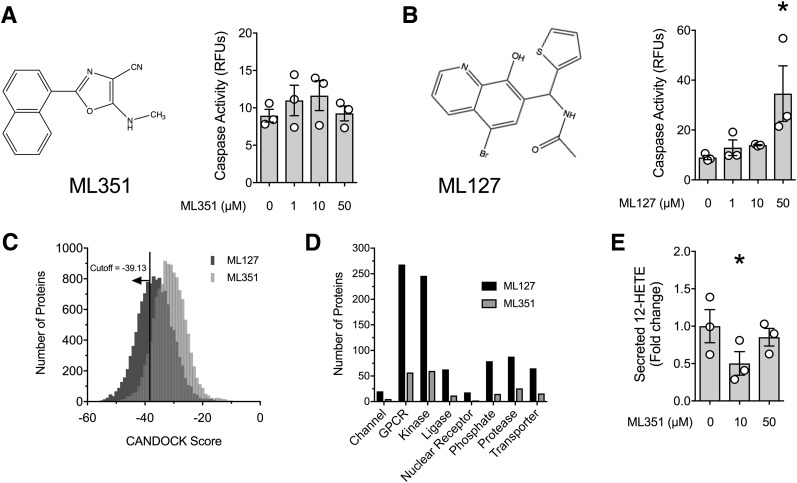
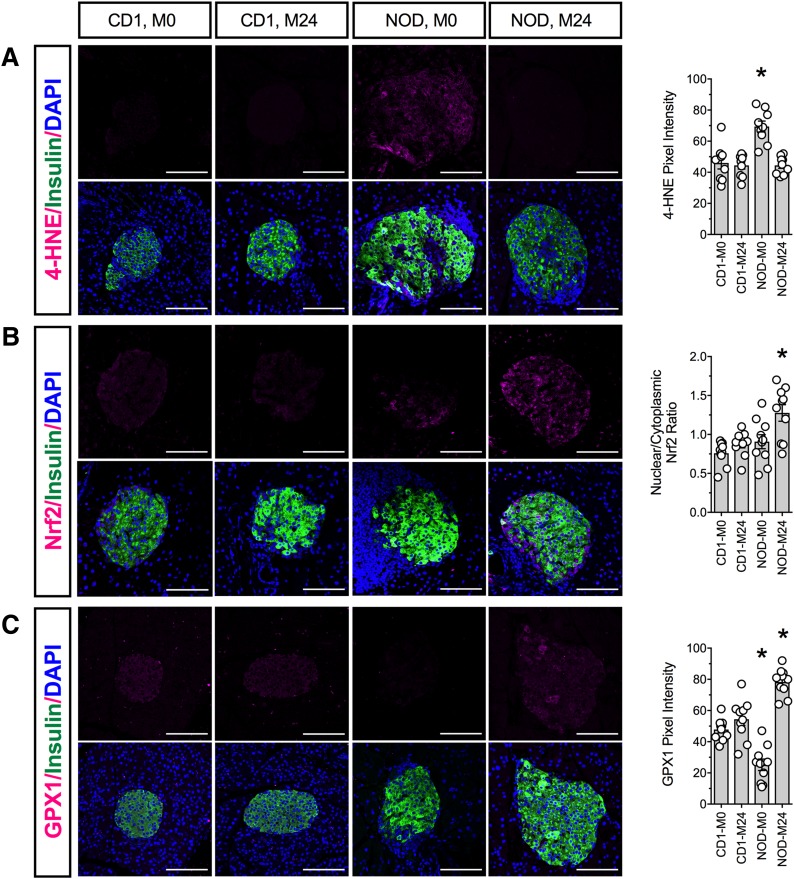
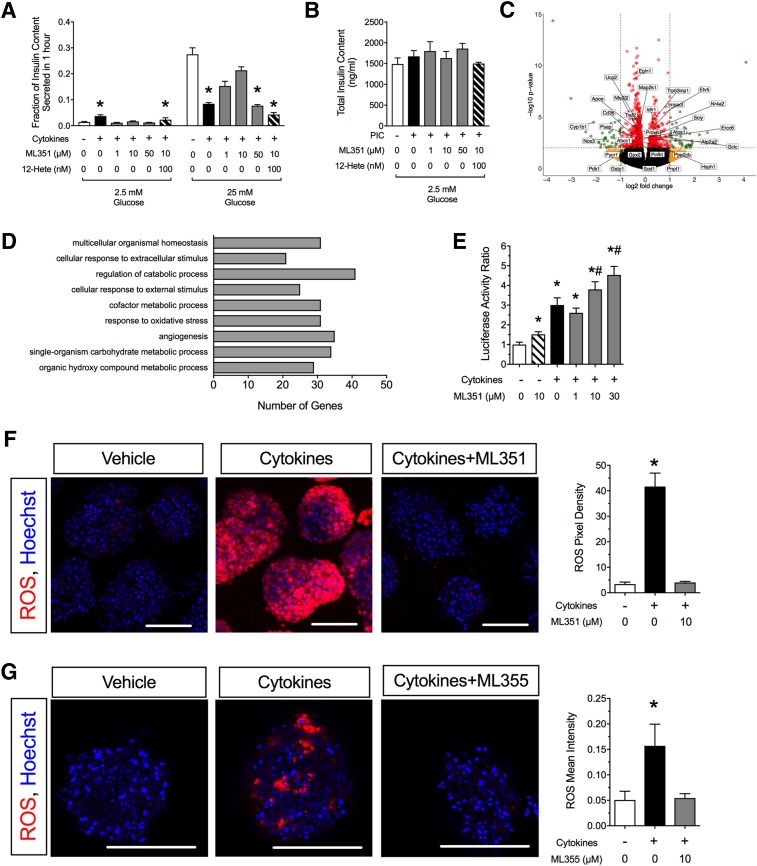
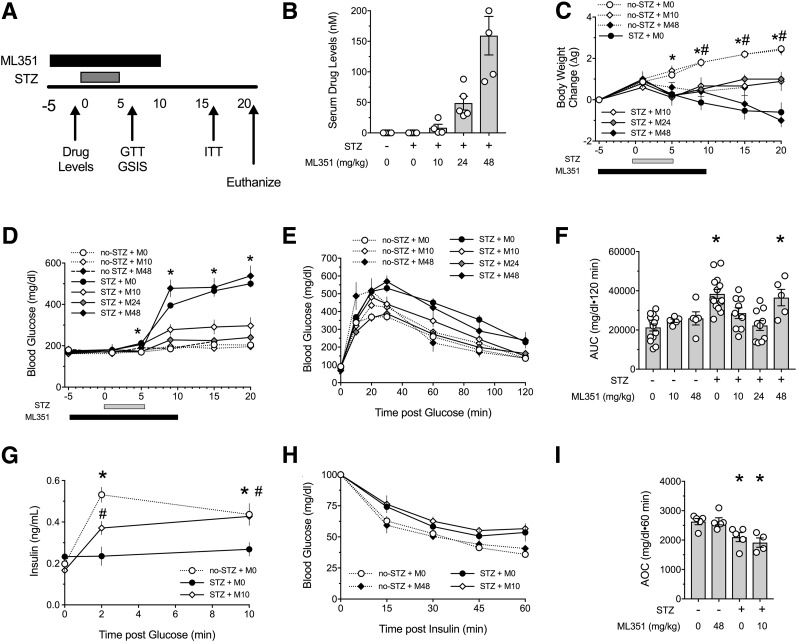
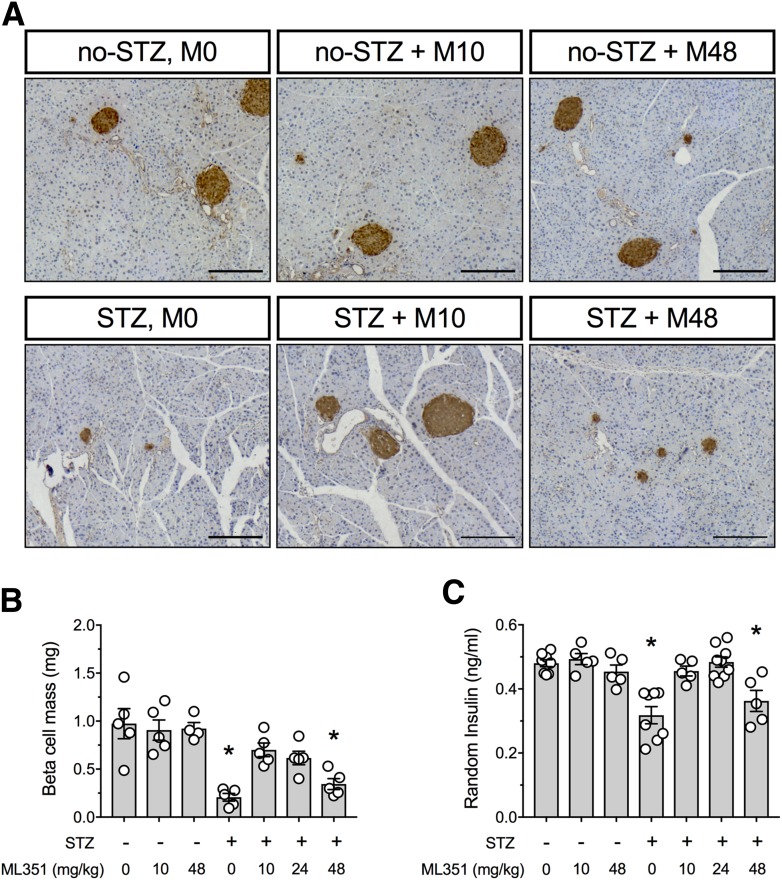
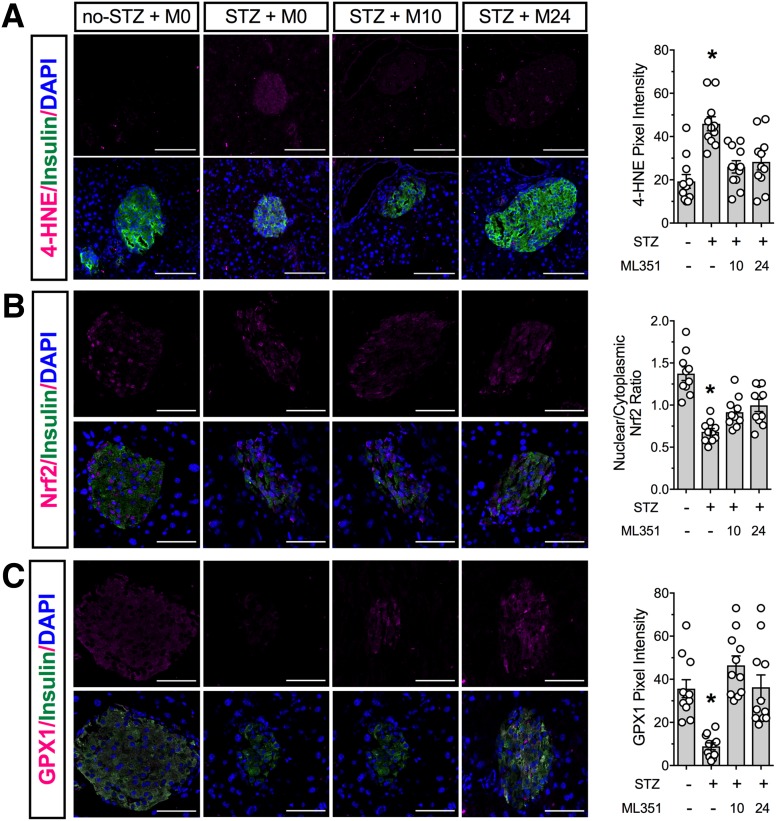
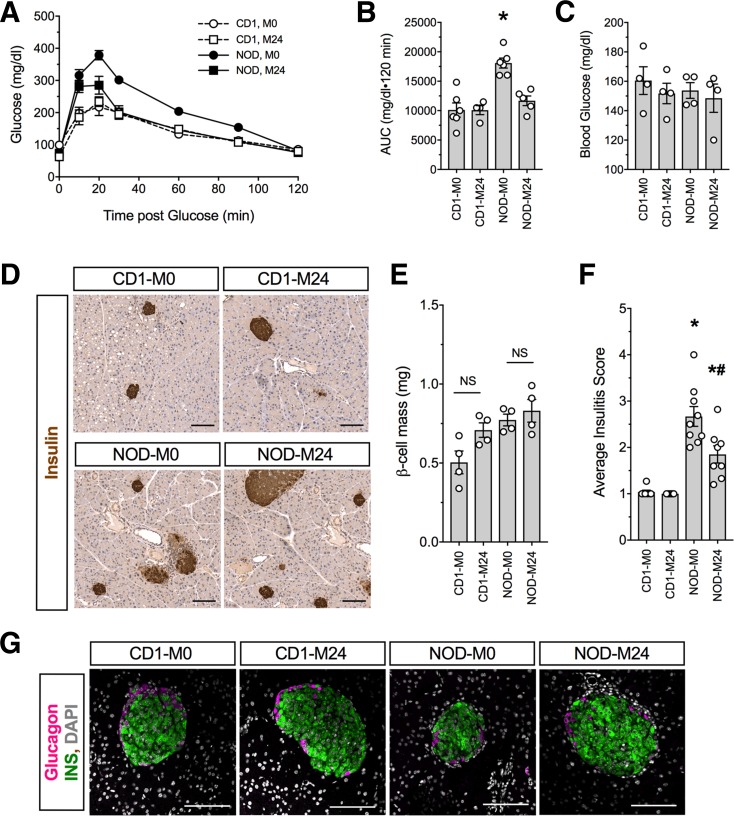
Islet β-cell dysfunction and aggressive macrophage activity are early features in the pathogenesis of type 1 diabetes (T1D). 12/15-Lipoxygenase (12/15-LOX) is induced in β-cells and macrophages during T1D and produces proinflammatory lipids and lipid peroxides that exacerbate β-cell dysfunction and macrophage activity. Inhibition of 12/15-LOX provides a potential therapeutic approach to prevent glycemic deterioration in T1D. Two inhibitors recently identified by our groups through screening efforts, ML127 and ML351, have been shown to selectively target 12/15-LOX with high potency. Only ML351 exhibited no apparent toxicity across a range of concentrations in mouse islets, and molecular modeling has suggested reduced promiscuity of ML351 compared with ML127. In mouse islets, incubation with ML351 improved glucose-stimulated insulin secretion in the presence of proinflammatory cytokines and triggered gene expression pathways responsive to oxidative stress and cell death. Consistent with a role for 12/15-LOX in promoting oxidative stress, its chemical inhibition reduced production of reactive oxygen species in both mouse and human islets in vitro. In a streptozotocin-induced model of T1D in mice, ML351 prevented the development of diabetes, with coincident enhancement of nuclear Nrf2 in islet cells, reduced β-cell oxidative stress, and preservation of β-cell mass. In the nonobese diabetic mouse model of T1D, administration of ML351 during the prediabetic phase prevented dysglycemia, reduced β-cell oxidative stress, and increased the proportion of anti-inflammatory macrophages in insulitis. The data provide the first evidence to date that small molecules that target 12/15-LOX can prevent progression of β-cell dysfunction and glycemic deterioration in models of T1D.
胰岛β细胞功能障碍和巨噬细胞的活跃性是1型糖尿病(T1D)发病机制的早期特征。在T1D期间,β细胞和巨噬细胞中会诱导产生12/15-脂氧合酶(12/15-LOX),其产生的促炎脂质和脂质过氧化物会加剧β细胞功能障碍和巨噬细胞活性。抑制12/15-LOX为预防T1D患者血糖恶化提供了一种潜在的治疗方法。我们团队最近通过筛选鉴定出的两种抑制剂ML127和ML351,已被证明能高效地选择性靶向作用于