Department of Biochemistry, Biophysics and General Pathology, Università degli Studi della Campania "Luigi Vanvitelli", 80138 Naples, Italy.
Molecules. 2017 Aug 29;22(9):1429. doi: 10.3390/molecules22091429.
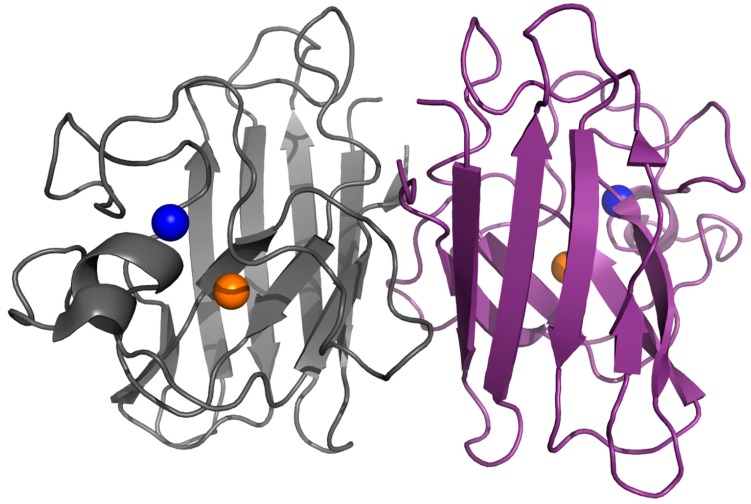
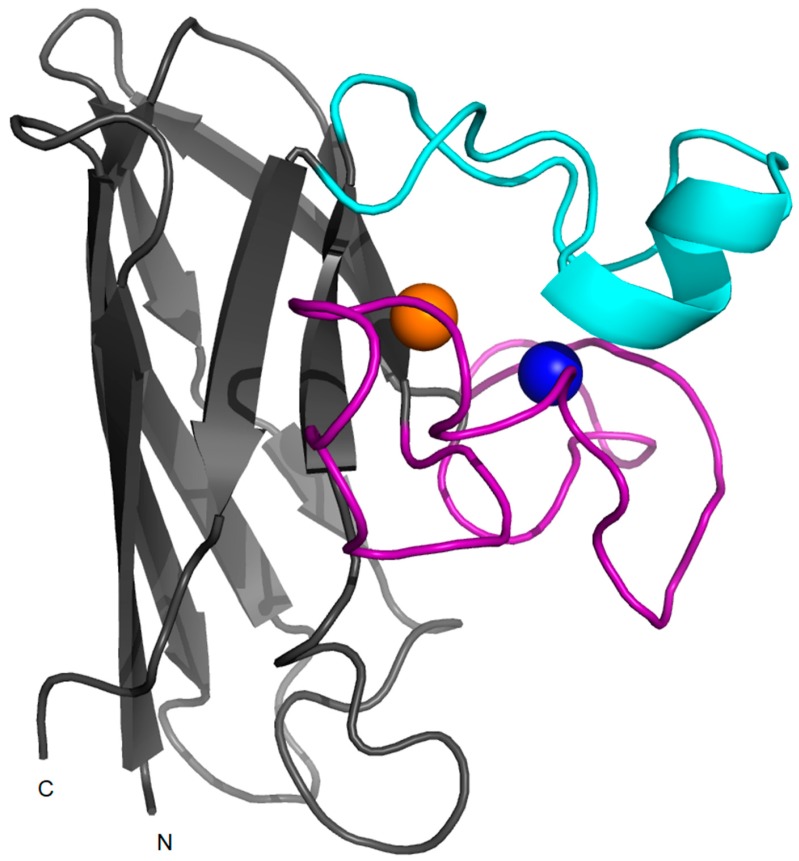
Protein misfolding and conformational changes are common hallmarks in many neurodegenerative diseases involving formation and deposition of toxic protein aggregates. Although many players are involved in the in vivo protein aggregation, physiological factors such as labile metal ions within the cellular environment are likely to play a key role. In this review, we elucidate the role of metal binding in the aggregation process of copper-zinc superoxide dismutase (SOD1) associated to amyotrophic lateral sclerosis (ALS). SOD1 is an extremely stable Cu-Zn metalloprotein in which metal binding is crucial for folding, enzymatic activity and maintenance of the native conformation. Indeed, demetalation in SOD1 is known to induce misfolding and aggregation in physiological conditions in vitro suggesting that metal binding could play a key role in the pathological aggregation of SOD1. In addition, this study includes recent advances on the role of aberrant metal coordination in promoting SOD1 aggregation, highlighting the influence of metal ion homeostasis in pathologic aggregation processes.
蛋白质错误折叠和构象变化是许多涉及有毒蛋白质聚集体形成和沉积的神经退行性疾病的共同特征。尽管许多因素参与了体内蛋白质的聚集,但细胞环境中不稳定的金属离子等生理因素可能发挥着关键作用。在这篇综述中,我们阐明了金属结合在与肌萎缩侧索硬化症(ALS)相关的铜锌超氧化物歧化酶(SOD1)的聚集过程中的作用。SOD1 是一种极其稳定的 Cu-Zn 金属蛋白,其中金属结合对于折叠、酶活性和维持天然构象至关重要。事实上,SOD1 中的脱金属作用已知会在体外生理条件下诱导错误折叠和聚集,这表明金属结合可能在 SOD1 的病理性聚集中发挥关键作用。此外,本研究还介绍了最近在促进 SOD1 聚集的异常金属配位作用方面的进展,强调了金属离子动态平衡在病理性聚集过程中的影响。