College of Environment and Resource, Research Center of Environment and Health, Shanxi University, Taiyuan, Shanxi, 030006, China.
Part Fibre Toxicol. 2017 Aug 29;14(1):34. doi: 10.1186/s12989-017-0215-3.
PM (particulate matter ≤ 2.5 μm) is one of the leading environmental risk factors for the global burden of disease. Whereas increasing evidence has linked the adverse roles of PM with cardiovascular and respiratory diseases, limited but growing emerging evidence suggests that PM exposure can affect the nervous system, causing neuroinflammation, synaptic dysfunction and cognitive deterioration. However, the molecular mechanisms underlying the synaptic and cognitive deficits elicited by PM exposure are largely unknown.
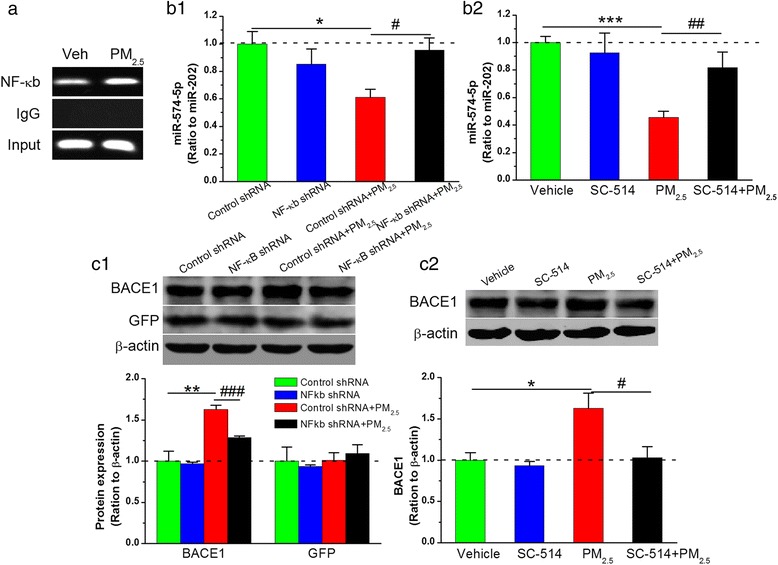
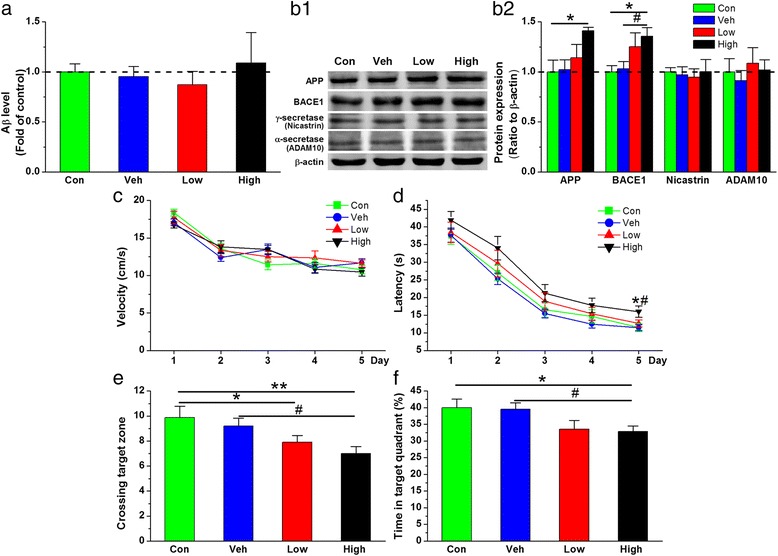
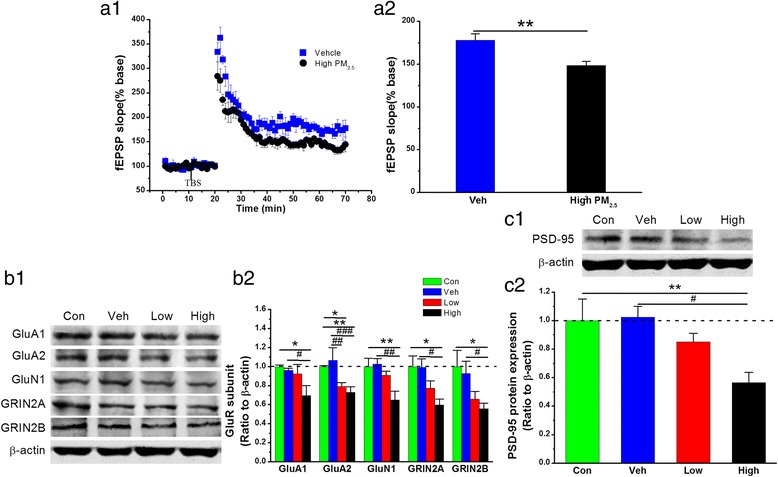
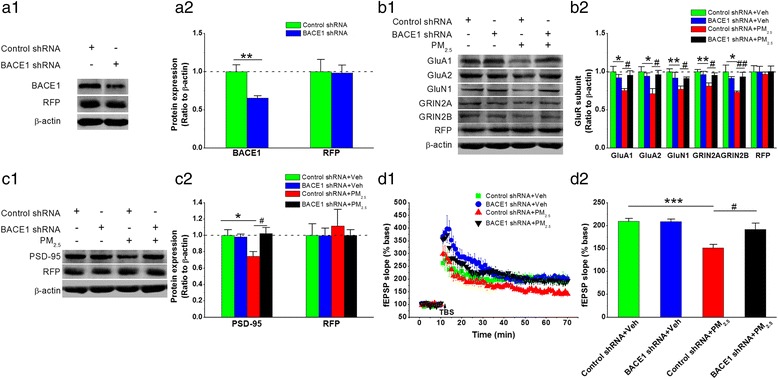
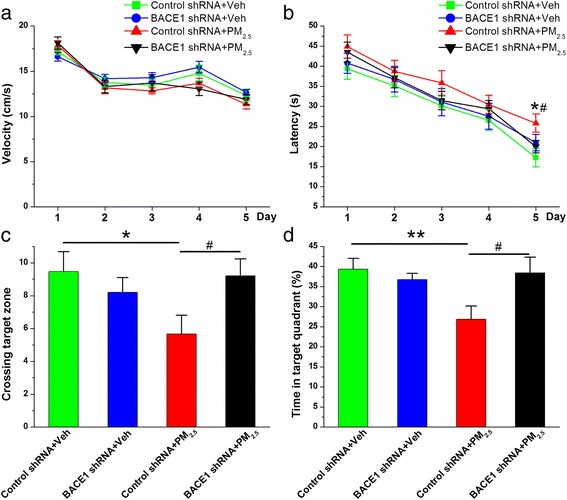
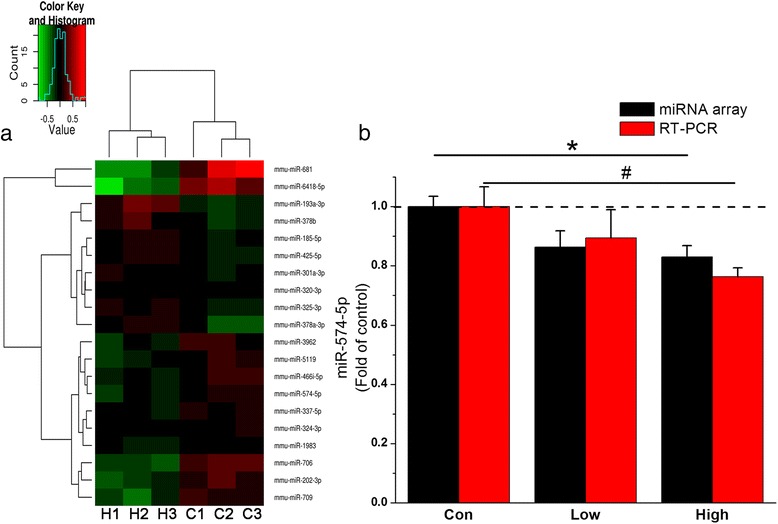
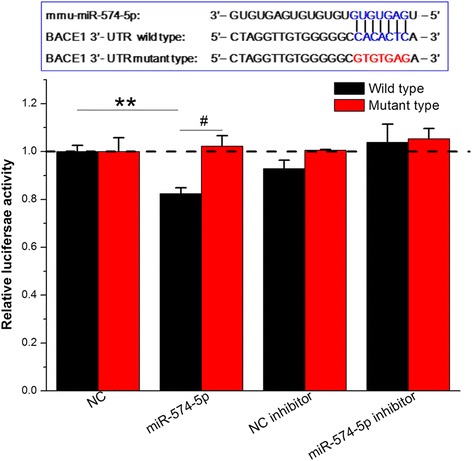
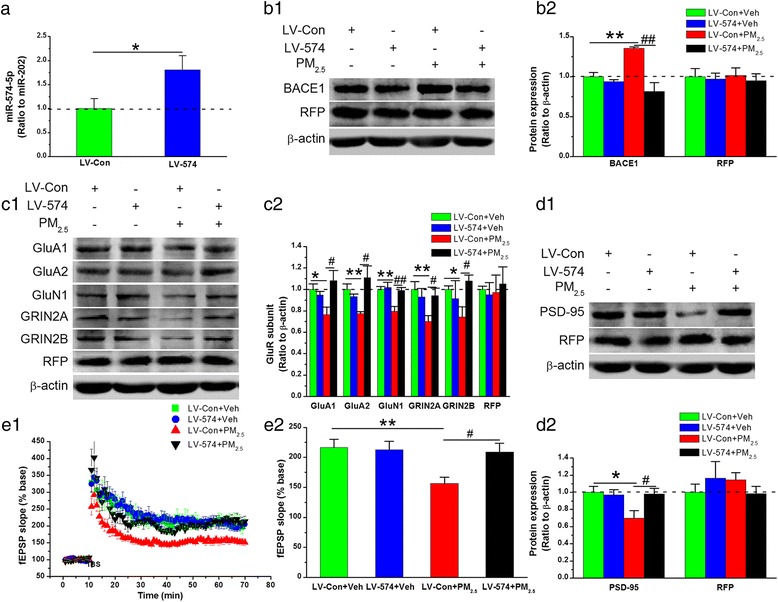
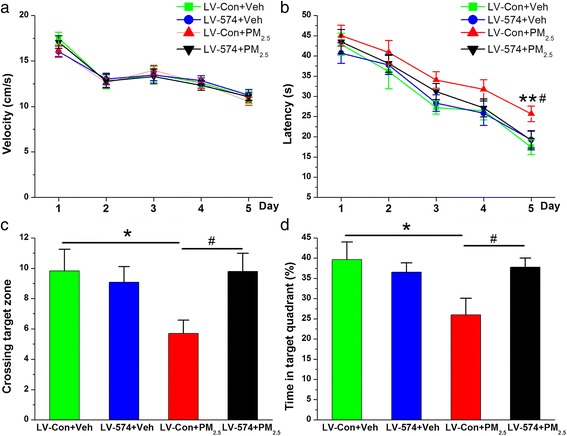
C57BL/6 mice received oropharyngeal aspiration of PM (1 and 5 mg/kg bw) every other day for 4 weeks. The mice were also stereotaxically injected with β-site amyloid precursor protein cleaving enzyme 1 (β-secretase, BACE1) shRNA or LV-miR-574-5p lentiviral constructs in the absence or presence of PM aspiration at 5 mg/kg bw every other day for 4 weeks. Spatial learning and memory were assessed with the Morris water maze test, and synaptic function integrity was evaluated with electrophysiological recordings of long-term potentiation (LTP) and immunoblot analyses of glutamate receptor subunit expression. The expression of α-secretase (ADAM10), BACE1, and γ-secretase (nicastrin) and the synthesis and accumulation of amyloid β (Aβ) were measured by immunoblot and enzyme-linked immunosorbent assay (ELISA). MicroRNA (miRNA) expression was screened with a microRNA microarray analysis and confirmed by real-time quantitative reverse transcription PCR (qRT-PCR) analysis. Dual-luciferase reporter gene and chromatin immunoprecipitation (ChIP) analyses were used to detect the binding of miR-574-5p in the 3'UTR of BACE1 and NF-κB p65 in the promoter of miR-574-5p, respectively.
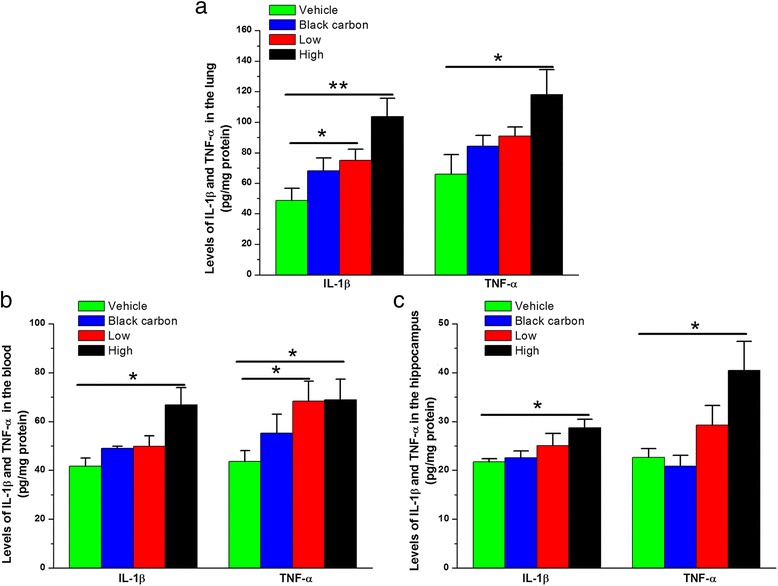
PM aspiration caused neuroinflammation and deteriorated synaptic function integrity and spatial learning and memory, and the effects were associated with the induction of BACE1. The action was mediated by NF-κB p65-regulated downregulation of miR-574-5p, which targets BACE1. Overexpression of miR-574-5p in the hippocampal region decreased BACE1 expression, restored synaptic function, and improved spatial memory and learning following PM exposure.
Taken together, our findings reveal a novel molecular mechanism underlying impaired synaptic and cognitive function following exposure to PM, suggesting that miR-574-5p is a potential intervention target for the prevention and treatment of PM-induced neurological disorders.
PM(颗粒物≤2.5μm)是全球疾病负担的主要环境风险因素之一。越来越多的证据表明,PM 与心血管和呼吸道疾病之间存在关联,而有限但不断增加的新兴证据表明,PM 暴露会影响神经系统,引发神经炎症、突触功能障碍和认知能力下降。然而,PM 暴露引起的突触和认知缺陷的分子机制在很大程度上尚不清楚。
C57BL/6 小鼠每隔一天通过口咽吸入 PM(1 和 5mg/kg bw),共 4 周。此外,每隔一天通过立体定位注射β-淀粉样前体蛋白裂解酶 1(BACE1)shRNA 或 LV-miR-574-5p 慢病毒构建体,在不存在或存在 PM 吸入的情况下,在 5mg/kg bw 下进行 4 周。通过 Morris 水迷宫试验评估空间学习和记忆能力,通过长时程增强(LTP)的电生理记录和谷氨酸受体亚基表达的免疫印迹分析评估突触功能完整性。通过免疫印迹和酶联免疫吸附试验(ELISA)测量α-分泌酶(ADAM10)、BACE1 和 γ-分泌酶(尼卡斯特林)的表达以及淀粉样β(Aβ)的合成和积累。使用 microRNA(miRNA)微阵列分析筛选 miRNA 表达,并通过实时定量逆转录 PCR(qRT-PCR)分析进行确认。使用双荧光素酶报告基因和染色质免疫沉淀(ChIP)分析分别检测 miR-574-5p 在 BACE1 的 3'UTR 中的结合和 NF-κB p65 在 miR-574-5p 启动子中的结合。
PM 吸入导致神经炎症,损害突触功能完整性和空间学习记忆,其作用与 BACE1 的诱导有关。该作用是由 NF-κB p65 调节的 miR-574-5p 下调介导的,miR-574-5p 靶向 BACE1。海马区 miR-574-5p 的过表达降低了 BACE1 的表达,恢复了突触功能,并改善了 PM 暴露后的空间记忆和学习能力。
总之,我们的研究结果揭示了 PM 暴露后突触和认知功能障碍的新分子机制,表明 miR-574-5p 是预防和治疗 PM 引起的神经紊乱的潜在干预靶点。