Chair for Multicomponent Materials, Faculty of Engineering, Kiel University, Kaiserstr. 2, 24143, Kiel, Germany.
Nanochemistry and Nanoengineering, Department of Chemistry & Materials Science, Aalto University, Kemistintie 1, C321, 00076, Aalto, Finland.
Sci Rep. 2017 Aug 29;7(1):9648. doi: 10.1038/s41598-017-10211-6.
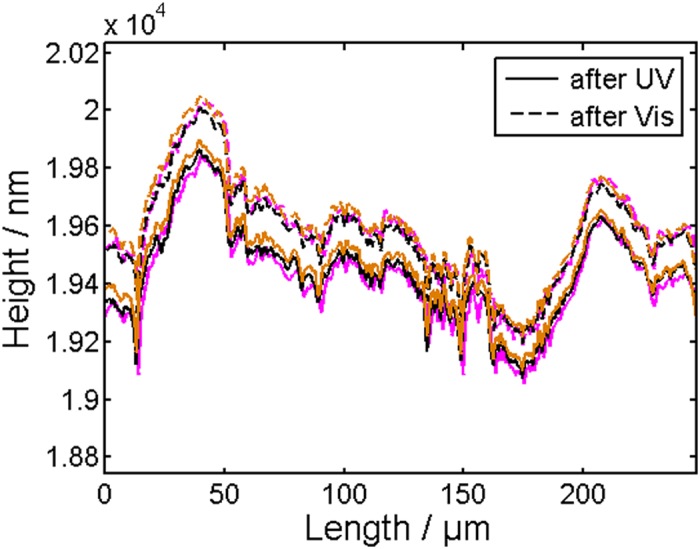
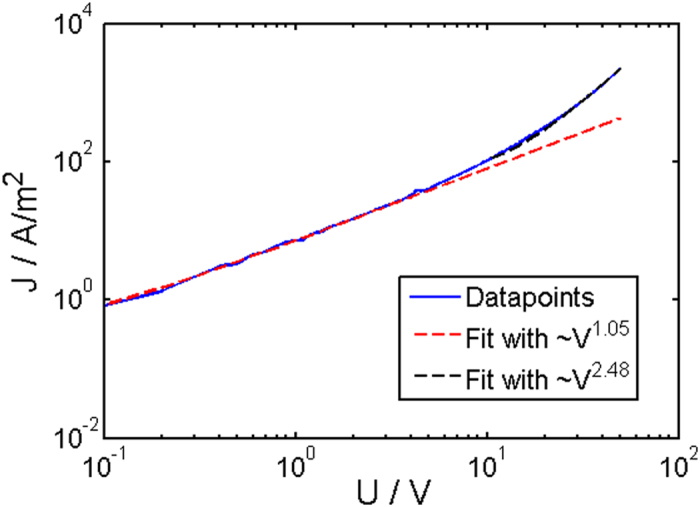
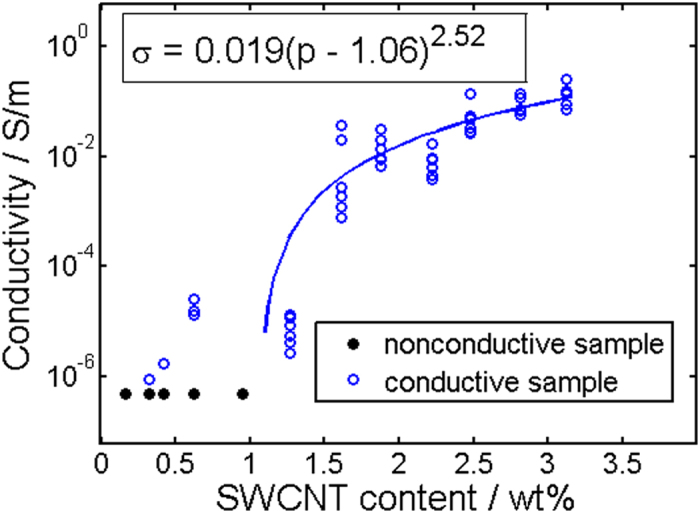
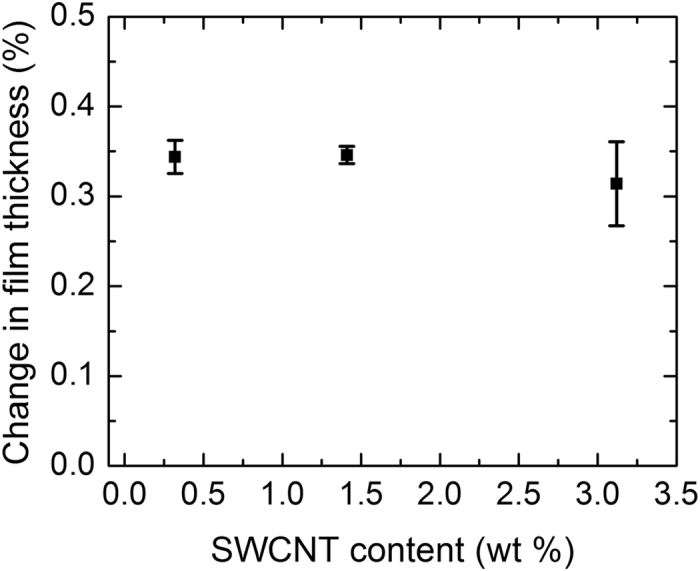
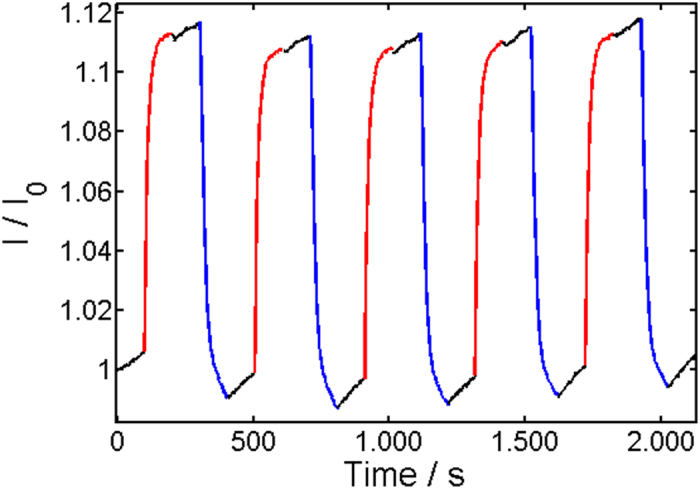
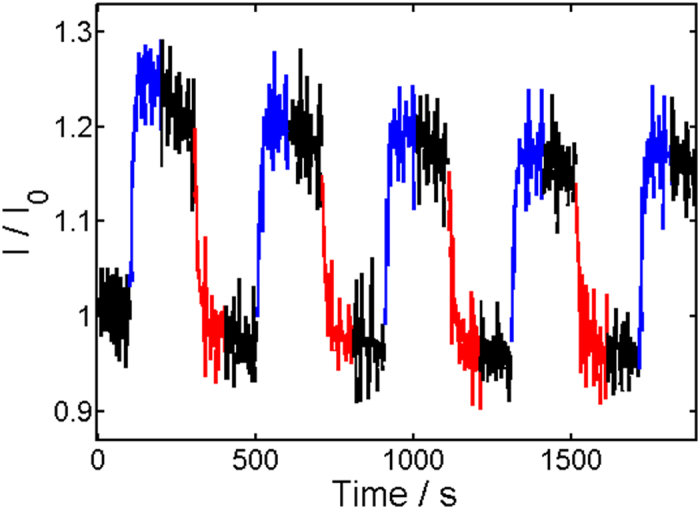
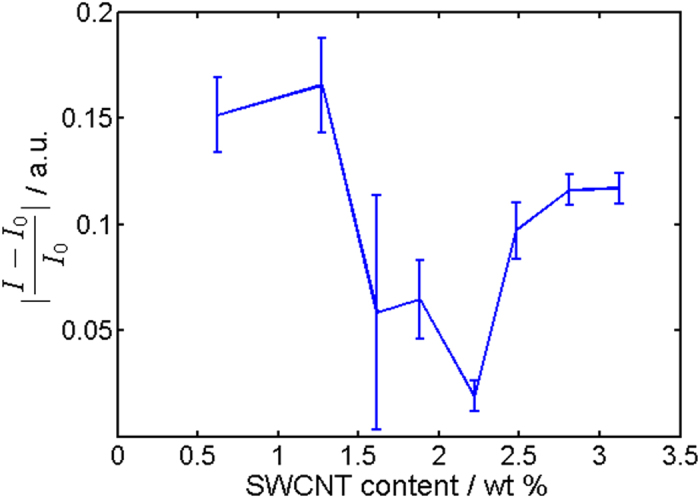
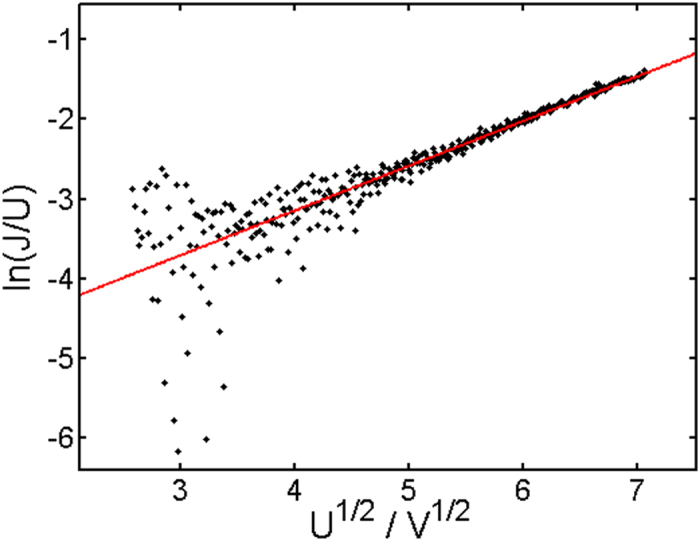
Novel, optically responsive devices with a host of potential applications have been demonstrated by coupling carbon nanomaterials with photochromic molecules. For light-induced conductance switching in particular, we have recently shown that carbon nanotube-polymer nanocomposites containing azobenzene are very attractive and provide stable and non-degradable changes in conductivity over time at standard laboratory conditions. In these composites, the photoswitching mechanisms are based on light-induced changes in electronic properties and related to the Pool-Frenkel conduction mechanism. However, no link between conductivity switching and the molecular motion of azobenzene chromophores could be found due to application of high elastic modulus polymer matrices. Here we report on single wall carbon nanotube-polymer nanocomposites with a soft polycaprolactone polymer host. Such a system clearly shows the transfer of light-induced, nano-sized molecular motion to macroscopic thickness changes of the composite matrix. We demonstrate that these photomechanical effects can indeed overshadow the electronic effects in conductivity switching behavior and lead to a reversion of the conductivity switching direction near the percolation threshold.
通过将碳纳米材料与光致变色分子结合,已经展示了具有多种潜在应用的新型、光学响应器件。特别是对于光致导通电切换,我们最近表明,在标准实验室条件下,含有偶氮苯的碳纳米管-聚合物纳米复合材料非常有吸引力,并提供了稳定且不可降解的随时间变化的电导率。在这些复合材料中,光致开关机制基于电子性质的光致变化,并与 Pool-Frenkel 导电机理有关。然而,由于应用了高弹性模量聚合物基质,在这些复合材料中,无法找到电导率切换与偶氮苯发色团的分子运动之间的联系。在这里,我们报告了具有软聚己内酯聚合物主体的单壁碳纳米管-聚合物纳米复合材料。这样的系统清楚地表明,光诱导的纳米级分子运动可以转移到复合材料基质的宏观厚度变化上。我们证明,这些光机械效应确实可以掩盖电导率开关行为中的电子效应,并导致在渗流阈值附近电导率开关方向的反转。