Kumar Nirbhay
Department of Tropical Medicine, School of Public Health and Tropical Medicine, Vector-Borne Infectious Diseases Research Center, Tulane University, 1440 Canal Street (Mail code 8317), New Orleans, LA 70112, USA.
Acta Trop. 2017 Dec;176:263-269. doi: 10.1016/j.actatropica.2017.08.027. Epub 2017 Aug 30.
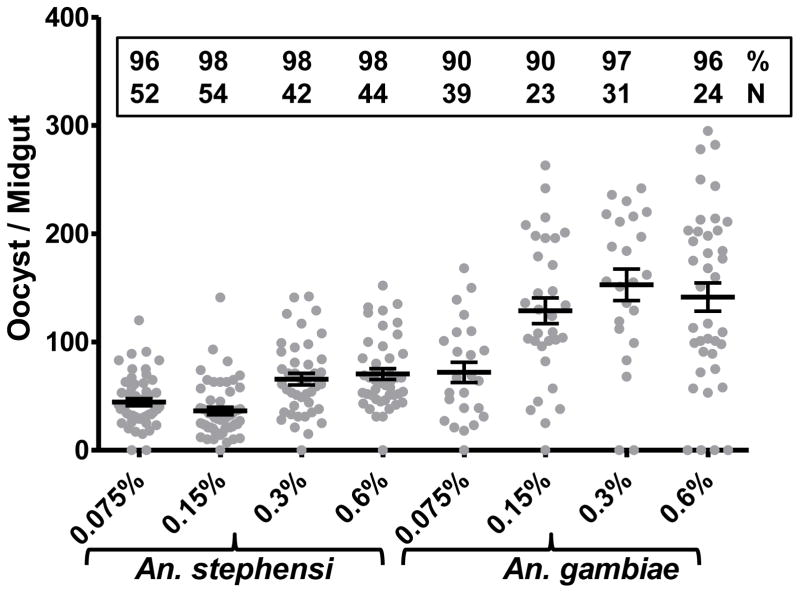
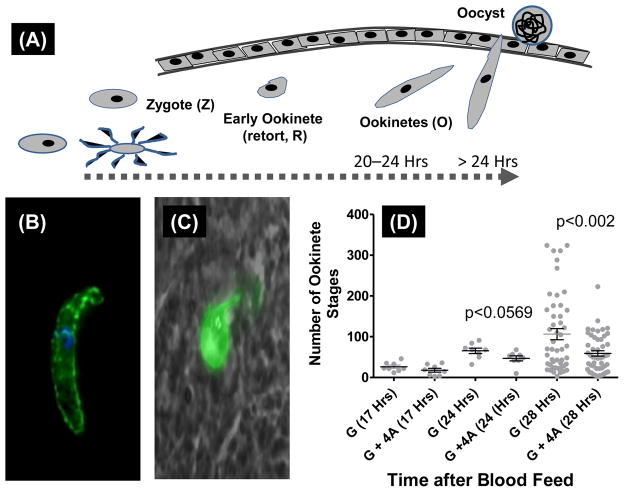
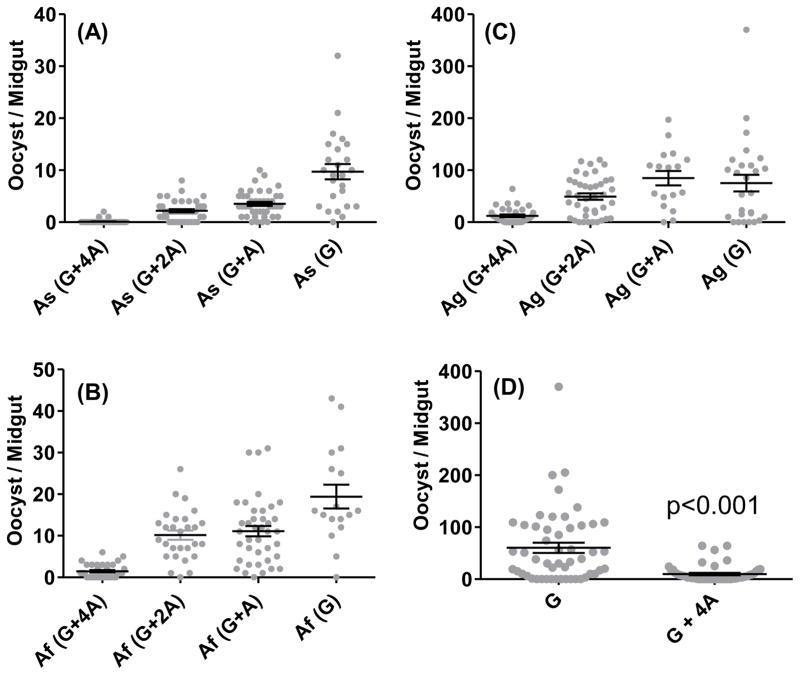
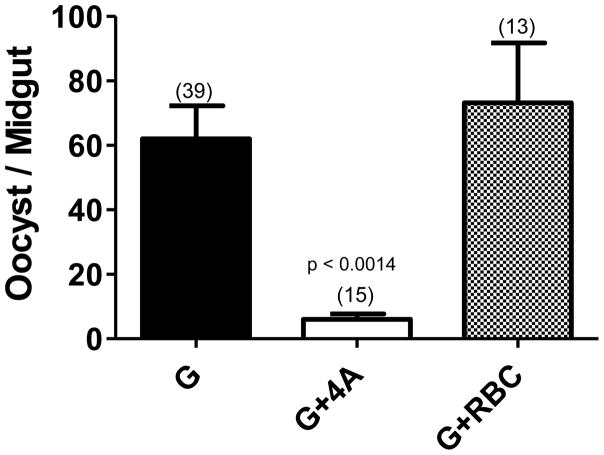
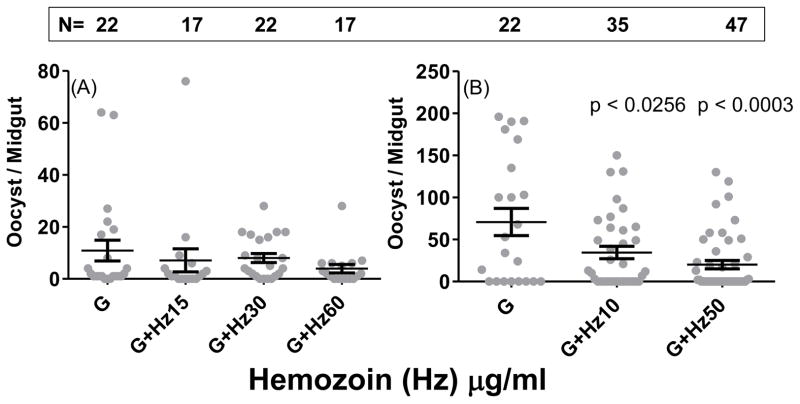
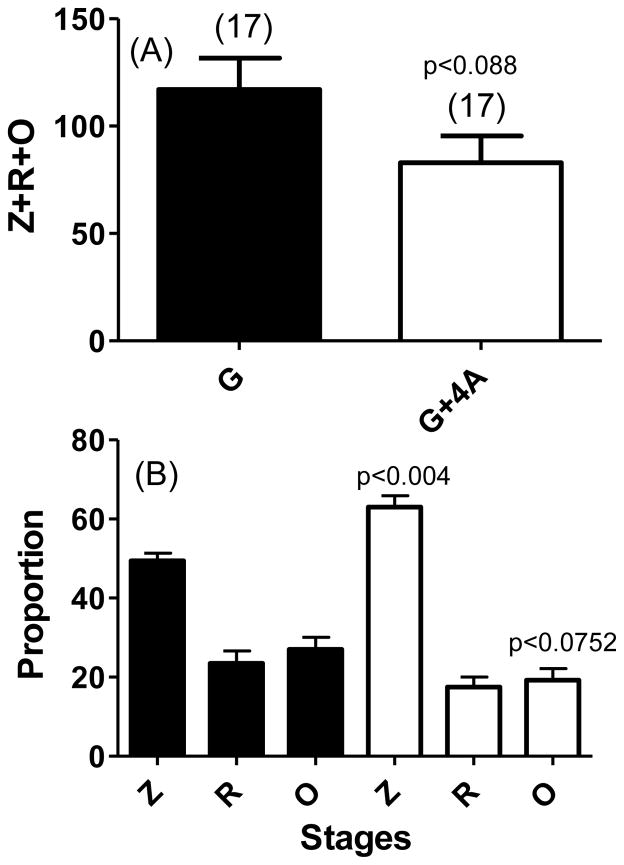
During malaria infection, a small proportion of erythrocytic asexual stages undergo sexual differentiation. Male and female gametocytes ingested in the blood meal initiate the sexual development of malaria parasites in the mosquito midgut. During blood feeding on a host, a mosquito ingests, in addition to mature gametocytes, host immune factors present in the blood, as well as large excess of erythrocytic asexual stages. In the current study we addressed the impact of the presence of large excess of asexual stages, hitherto not known or even suspected to influence, on the infectivity of gametocytes in the mosquito. Asexual stages resulted in a dose-dependent inhibition of infectiousness of gametocytes, and some of this could be explained by the presumed effect of hemozoin and other unknown asexual-stage components on the mosquito immune system, affecting survival and maturation of parasites in the mosquito midgut. Interactions between asexual and sexual stages, maturity and ratio of male and female gametocytes, host immune factors and mosquito innate immune factors are some of the variables that determine the infectiousness of gametocytes in the mosquitoes and ultimately malaria transmission success. Understanding of determinants affecting malaria transmission will be critical to approaches directly targeting the transmission process for malaria elimination.
在疟疾感染期间,一小部分红细胞内的无性繁殖阶段会进行性分化。在蚊虫吸食血液时摄入的雄配子体和雌配子体启动了疟原虫在蚊虫中肠的性发育。在吸食宿主血液时,蚊虫除了摄入成熟配子体之外,还会摄入血液中存在的宿主免疫因子以及大量多余的红细胞内无性繁殖阶段的疟原虫。在本研究中,我们探讨了大量多余的无性繁殖阶段疟原虫(此前未知甚至未曾怀疑其会产生影响)对蚊虫中配子体感染性的影响。无性繁殖阶段的疟原虫对配子体的感染性产生了剂量依赖性抑制,部分原因可能是疟色素和其他未知的无性繁殖阶段成分对蚊虫免疫系统的假定作用,影响了疟原虫在蚊虫中肠的存活和成熟。无性繁殖阶段与有性繁殖阶段之间的相互作用、雄配子体和雌配子体的成熟度及比例、宿主免疫因子和蚊虫固有免疫因子是决定蚊虫中配子体感染性以及最终疟疾传播成功与否的部分变量。了解影响疟疾传播的决定因素对于直接针对疟疾传播过程以实现疟疾消除的方法至关重要。