Louisville Metabolic and Atherosclerosis Research Center (L-MARC), Louisville, KY
University of Toronto, Ontario, Canada.
J Am Heart Assoc. 2017 Aug 8;6(8):e005639. doi: 10.1161/JAHA.117.005639.
Non-high-density lipoprotein cholesterol (non-HDL-C) and apolipoprotein (apo) B are better predictors of atherosclerotic cardiovascular disease risk than low-density lipoprotein cholesterol alone. US and European lipid management guidelines support non-HDL-C and apoB as targets for lipid-lowering therapy.
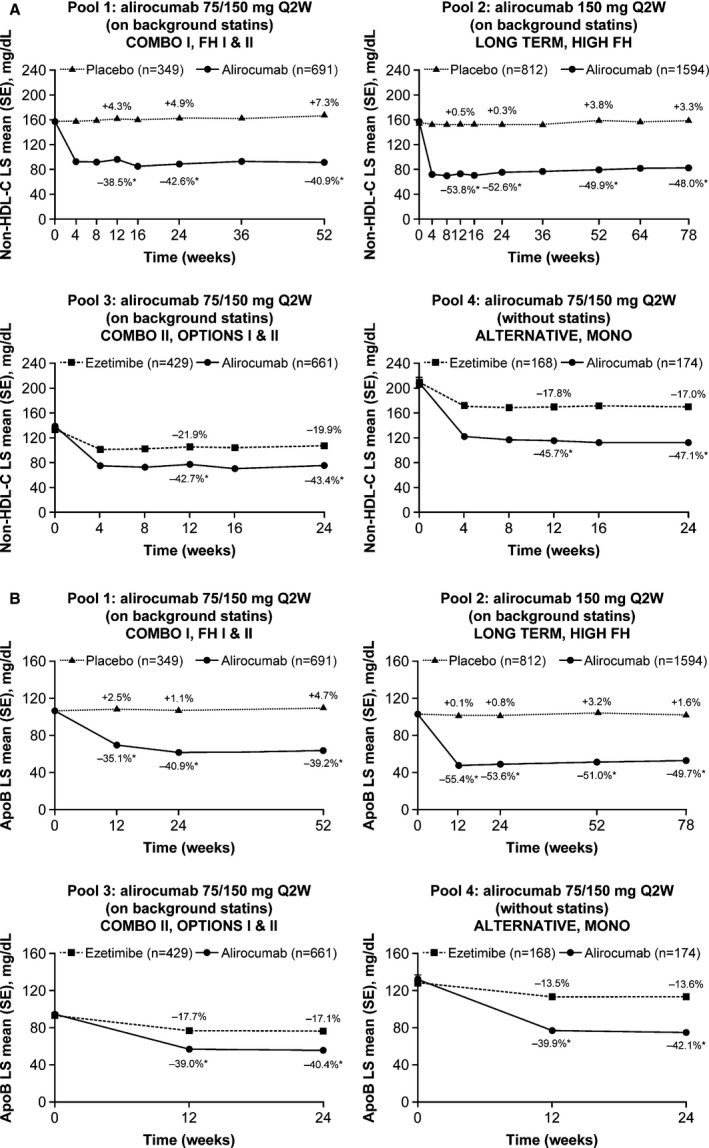
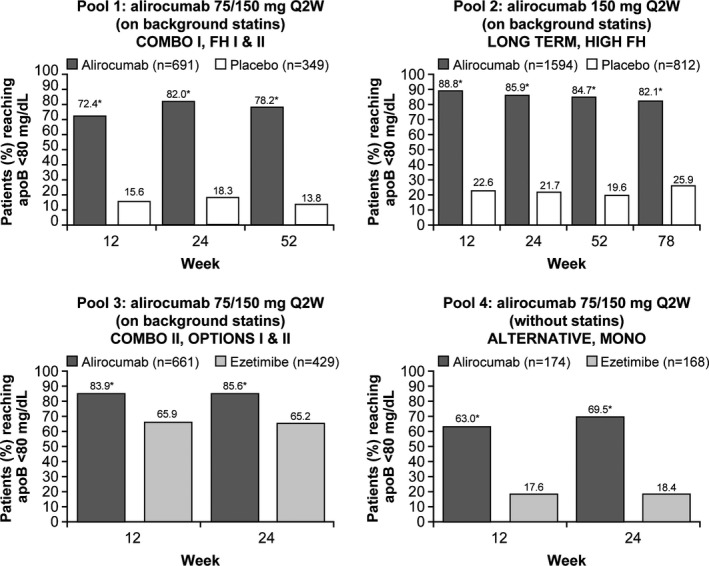
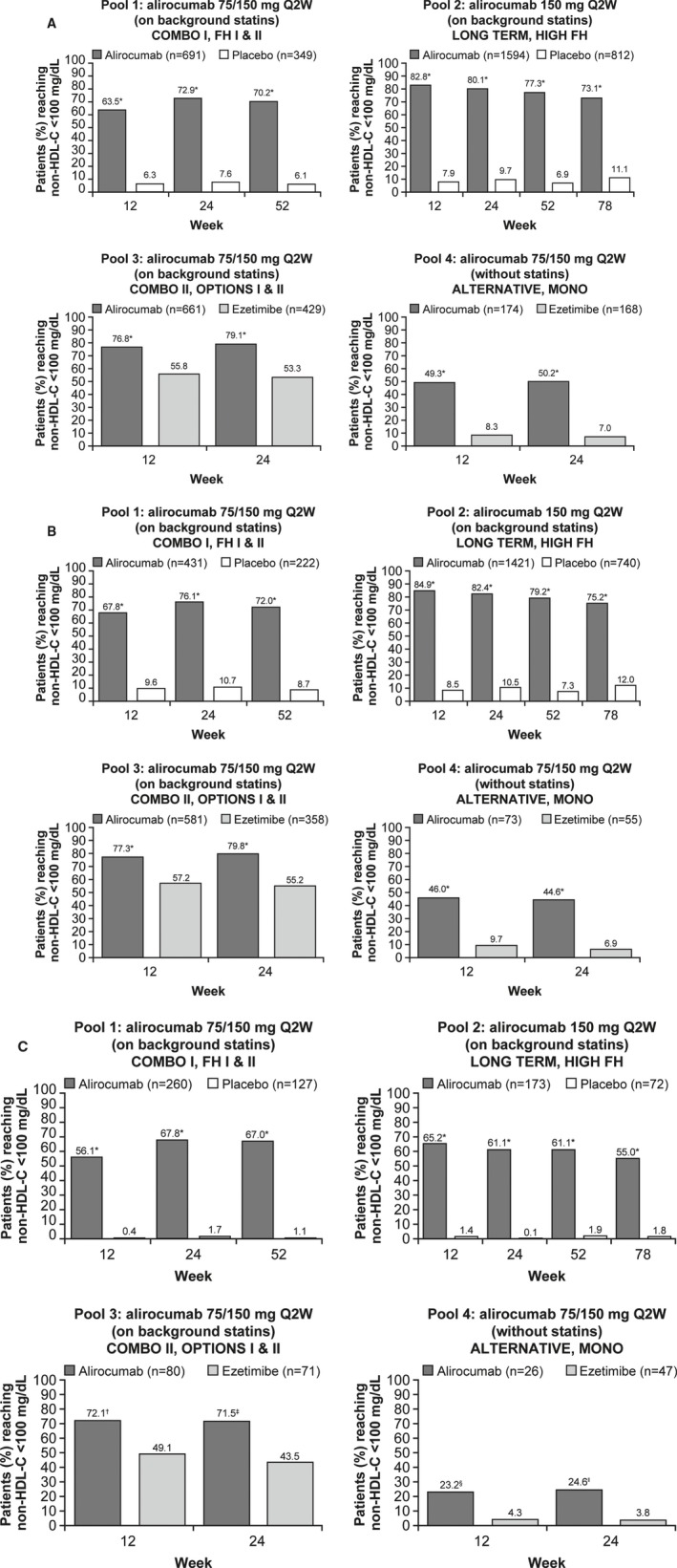
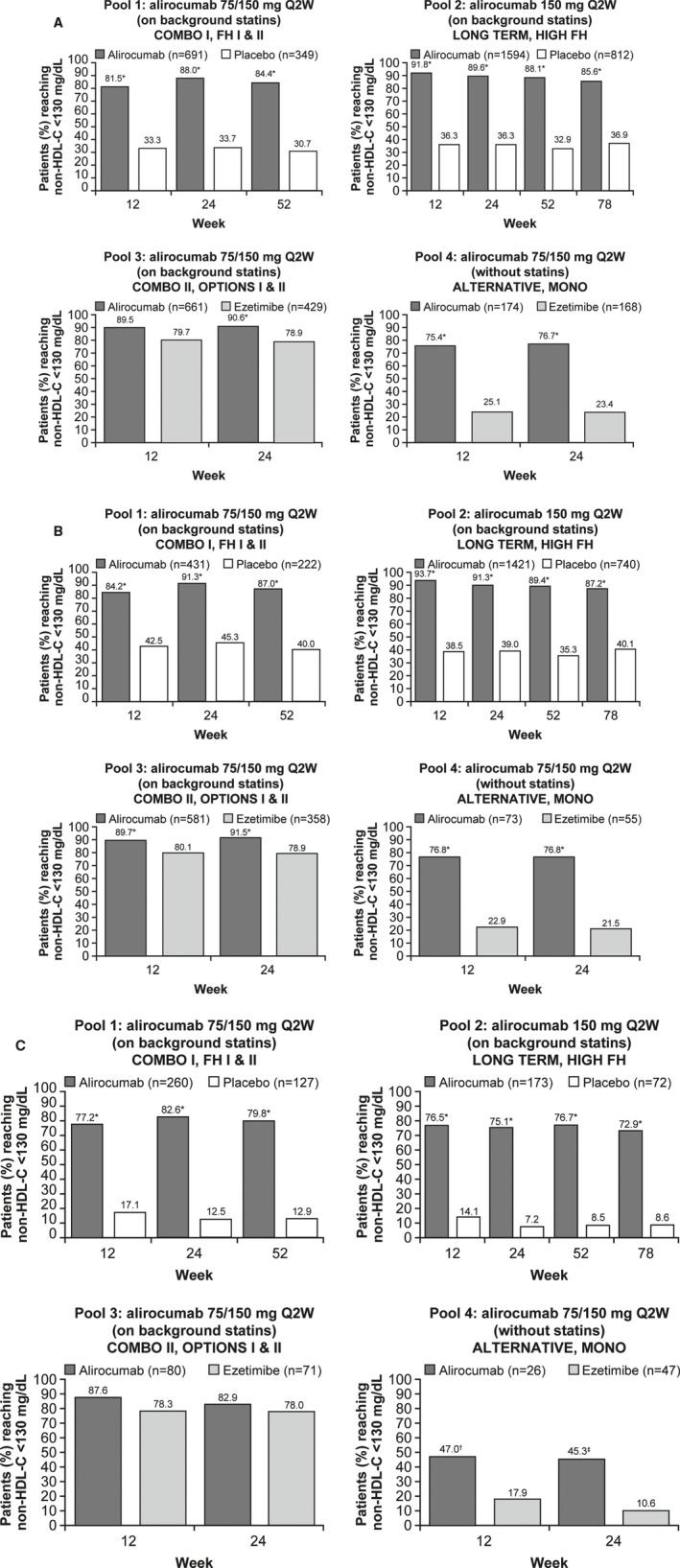
This analysis evaluated the efficacy of alirocumab, a proprotein convertase subtilisin/kexin type 9 inhibitor, on non-HDL-C and apoB. Data were derived from 4983 patients enrolled in 10 randomized, placebo- or ezetimibe-controlled Phase 3 ODYSSEY trials. Primary end point for this pooled analysis was percent reduction in non-HDL-C and apoB at Week 24; secondary end points included the percentage of patients achieving guideline-directed treatment goals (National Lipid Association guidelines: non-HDL-C <100 or <130 mg/dL for patients at very high and high cardiovascular risk, respectively; European Society of Cardiology/European Atherosclerosis Society guidelines: apoB <80 mg/dL for patients at very-high cardiovascular risk). Data were grouped according to comparator, alirocumab starting dose, and concomitant statin use. Compared with controls, alirocumab produced significantly greater reductions in non-HDL-C and apoB at Week 24 (<0.0001), an effect extending up to 78 weeks. More alirocumab-treated patients achieved levels of non-HDL-C <100 mg/dL and apoB <80 mg/dL (≤0.0001 versus control). By Week 24, >70% of alirocumab-treated patients on background statin achieved non-HDL-C <100 or <130 mg/dL, and apoB <80 mg/dL. Safety was comparable across pooled groups and in line with previous reports.
Alirocumab produced significant, sustained reductions in non-HDL-C and apoB, allowing more patients to achieve lipid goals compared with placebo or ezetimibe and irrespective of maximally tolerated statin use.
非高密度脂蛋白胆固醇(non-HDL-C)和载脂蛋白 B(apoB)比单独的低密度脂蛋白胆固醇(LDL-C)更能预测动脉粥样硬化性心血管疾病的风险。美国和欧洲的脂质管理指南支持将非 HDL-C 和 apoB 作为降脂治疗的靶点。
这项分析评估了 alirocumab(一种前蛋白转化酶枯草溶菌素/柯萨奇蛋白酶 9 抑制剂)在非 HDL-C 和 apoB 方面的疗效。数据来自 10 项随机、安慰剂或依折麦布对照的 3 期 ODYSSEY 试验的 4983 名患者。该汇总分析的主要终点是第 24 周时非 HDL-C 和 apoB 的降低百分比;次要终点包括达到指南指导的治疗目标的患者比例(国家脂质协会指南:非 HDL-C<100 或<130mg/dL,分别用于极高和高心血管风险患者;欧洲心脏病学会/欧洲动脉粥样硬化学会指南:apoB<80mg/dL,用于极高心血管风险患者)。根据对照药物、alirocumab 起始剂量和同时使用的他汀类药物,将数据进行分组。与对照组相比,alirocumab 在第 24 周时显著降低了非 HDL-C 和 apoB(<0.0001),这一效果持续至第 78 周。更多的 alirocumab 治疗患者达到了非 HDL-C<100mg/dL 和 apoB<80mg/dL(≤0.0001 与对照组相比)。到第 24 周时,超过 70%的接受背景他汀类药物治疗的 alirocumab 治疗患者实现了非 HDL-C<100 或<130mg/dL,以及 apoB<80mg/dL。在整个汇总组中,安全性与之前的报告一致。
与安慰剂或依折麦布相比,alirocumab 可显著持续降低非 HDL-C 和 apoB,使更多的患者达到脂质目标,而与最大耐受他汀类药物的使用无关。