Liu Shuyong, Li Min, Tang Weijun, Wang Guangbin, Lv Yinghui
1 School of Medicine, Shandong University, Jinan, Shandong Province, China.
2 Department of Radiology, Taian City Central Hospital, Taian, Shandong Province, China.
J Int Med Res. 2017 Dec;45(6):1961-1975. doi: 10.1177/0300060517720344. Epub 2017 Sep 4.
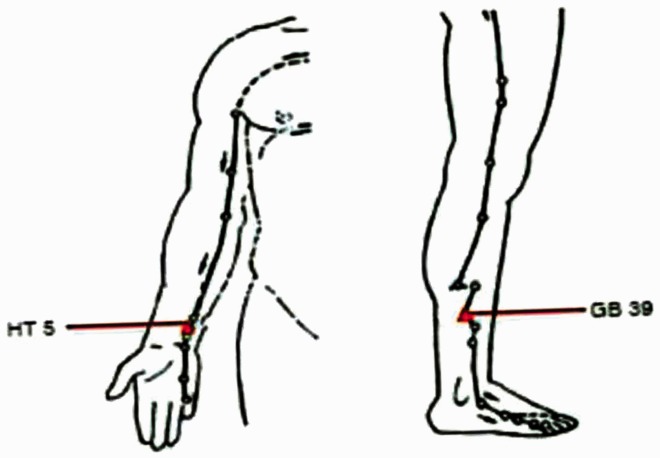
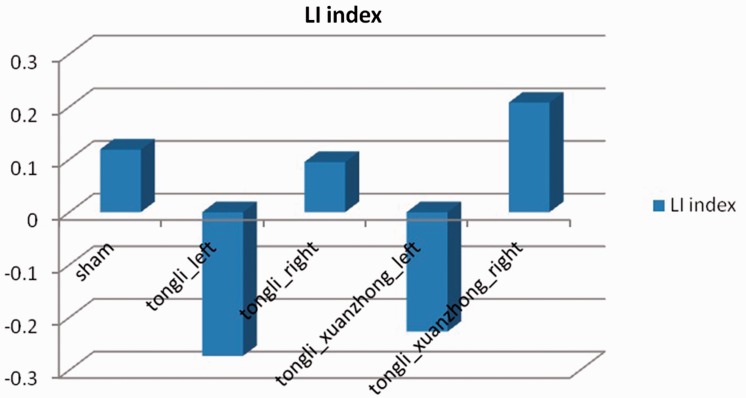
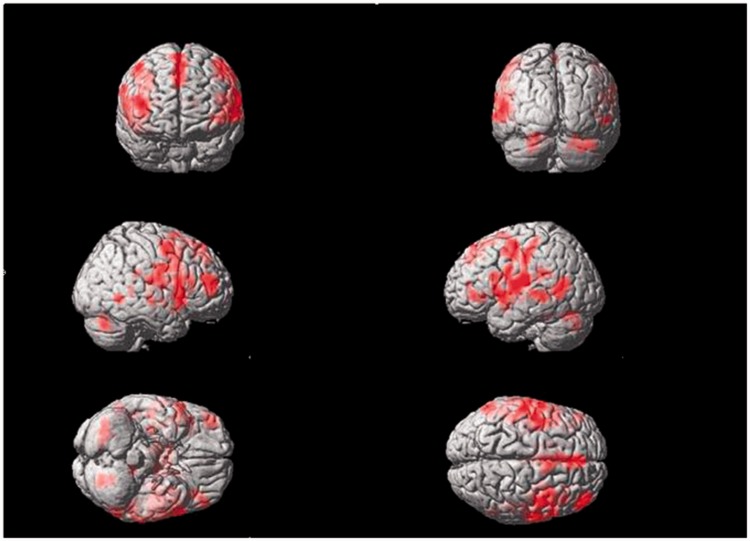
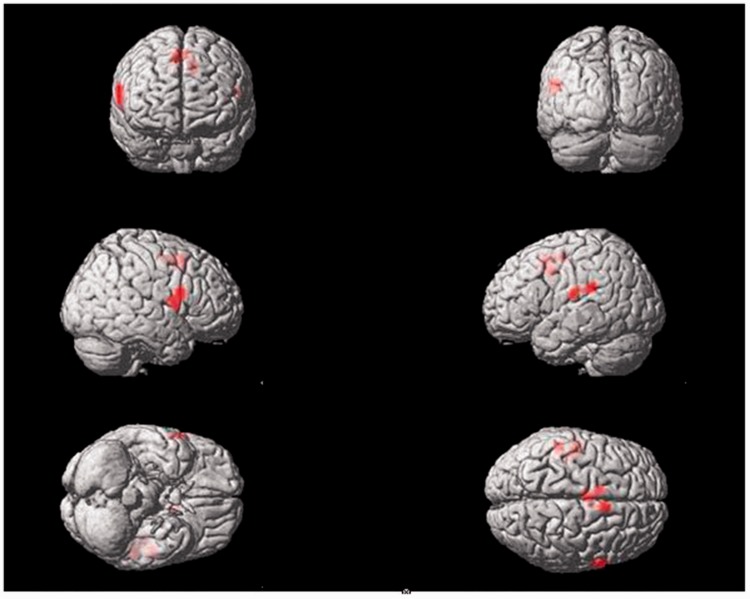
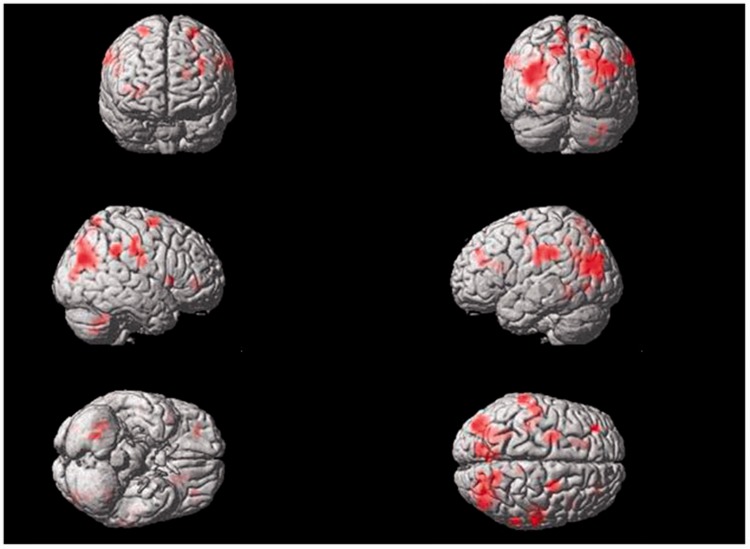
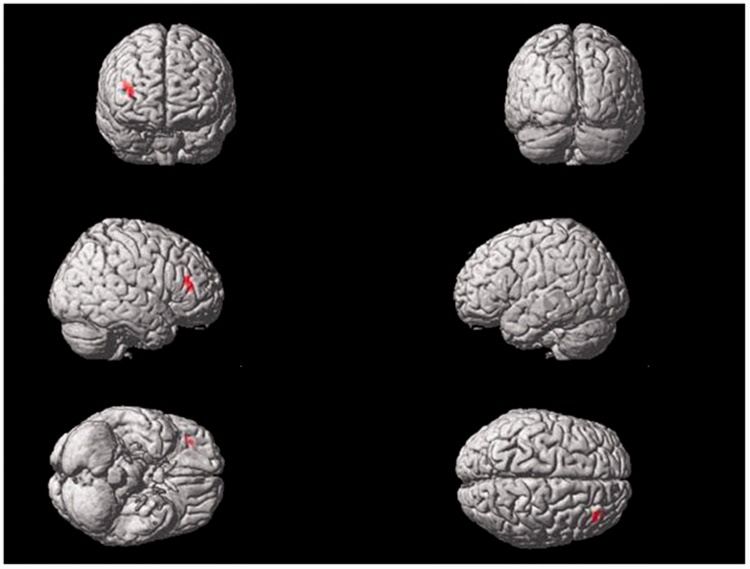
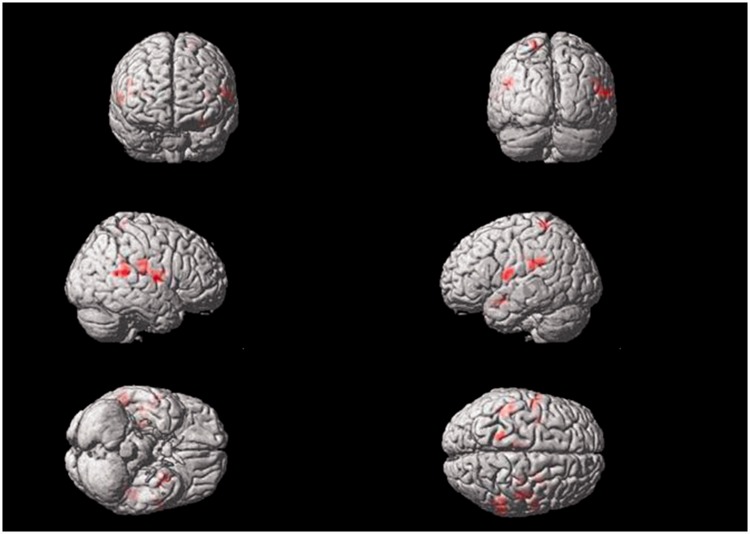
Objective Functional magnetic resonance imaging (fMRI) analysis of the effects of acupuncturing the Tongli (HT) and Tongli (HT)-Xuanzhong (GB) acupoints on the normal language areas with a view to providing a theoretical basis for using acupuncture to treat patients with aphasia. Methods This study enrolled healthy volunteers. The following acupoints were stimulated: right Tongli (HT), right Tongli (HT)-Xuanzhong (GB), right Tongli (HT) sham acupuncture, left Tongli (HT), and left Tongli (HT)-Xuanzhong (GB) acupoints. Acupuncture stimulation was delivered whilst fMRI scanning of the brain was undertaken. Results Ten healthy volunteers (five males) were included in this study (mean age 44.5 ± 2.5 years; range 40-55 years). Based on the statistical analyses, only acupuncturing the right Tongli (HT) acupoint resulted in activation of multiple regions of the bilateral cerebral hemisphere that were closely related to the language regions. The right Tongli (HT) stimulation had a laterality index of 0.0952; with the activated voxels on the left side language-related areas being greater than those on the right side. Conclusions Acupuncturing the right Tongli (HT) acupoint results in activation of the bilateral language-related areas, so this acupoint might be useful for the acupuncture treatment of aphasia caused by cerebral infarction.
目的 通过功能磁共振成像(fMRI)分析针刺通里(HT)穴及通里(HT)-悬钟(GB)穴对正常语言区的影响,为针刺治疗失语症患者提供理论依据。方法 本研究纳入健康志愿者。刺激以下穴位:右侧通里(HT)、右侧通里(HT)-悬钟(GB)、右侧通里(HT)假针刺、左侧通里(HT)以及左侧通里(HT)-悬钟(GB)穴。在进行脑部fMRI扫描时给予针刺刺激。结果 本研究纳入10名健康志愿者(5名男性)(平均年龄44.5±2.5岁;范围40 - 55岁)。基于统计分析,仅针刺右侧通里(HT)穴可导致双侧大脑半球多个与语言区密切相关的区域激活。右侧通里(HT)刺激的偏侧性指数为0.0952;左侧语言相关区域的激活体素多于右侧。结论 针刺右侧通里(HT)穴可激活双侧语言相关区域,因此该穴位可能对针刺治疗脑梗死所致失语症有用。