Cheng Benxu, Morales Liza Doreen, Zhang Yonghong, Mito Shizue, Tsin Andrew
Department of Biomedical Science, School of Medicine, University of Texas Rio Grande Valley, Edinburg, Texas, United States of America.
South Texas Diabetes and Obesity Institute, School of Medicine, University of Texas Rio Grande Valley, Edinburg, Texas, United States of America.
PLoS One. 2017 Sep 6;12(9):e0184324. doi: 10.1371/journal.pone.0184324. eCollection 2017.
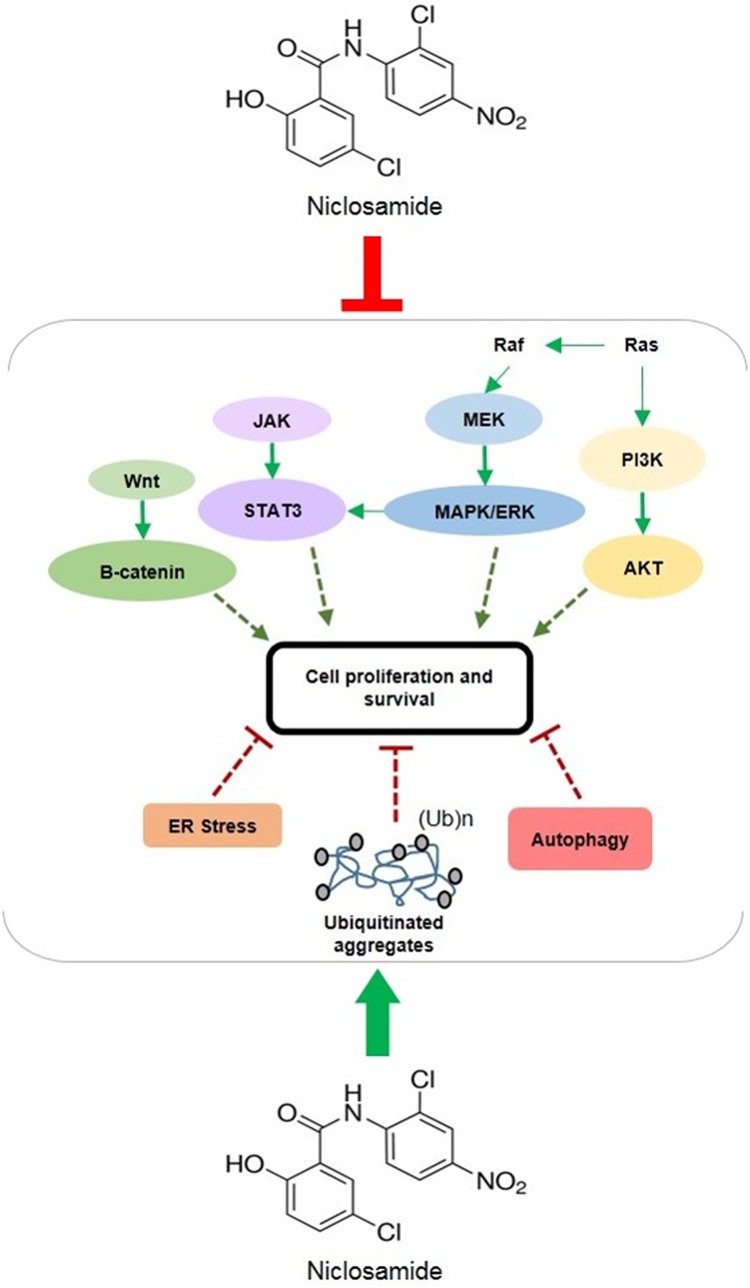
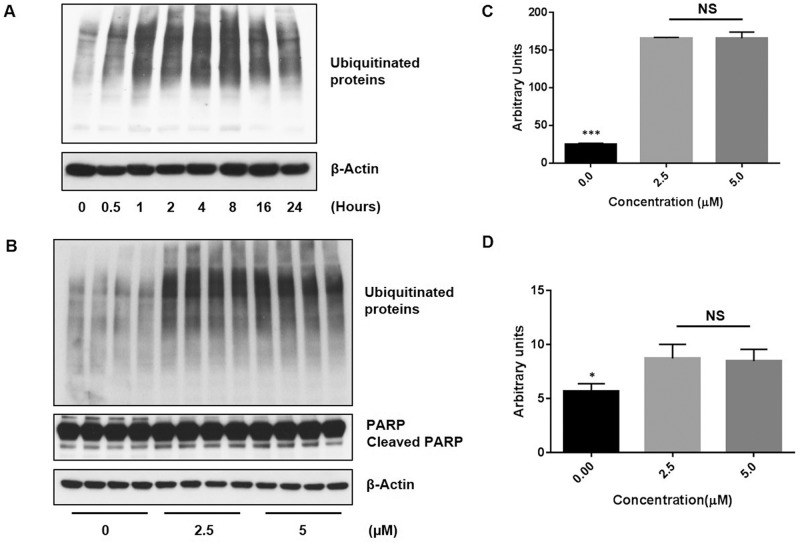
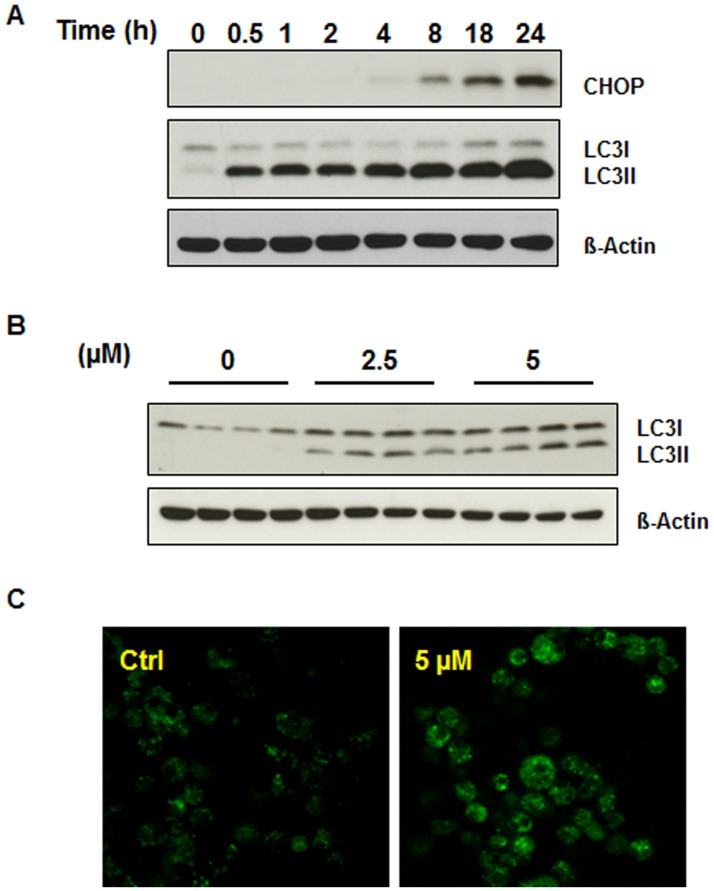
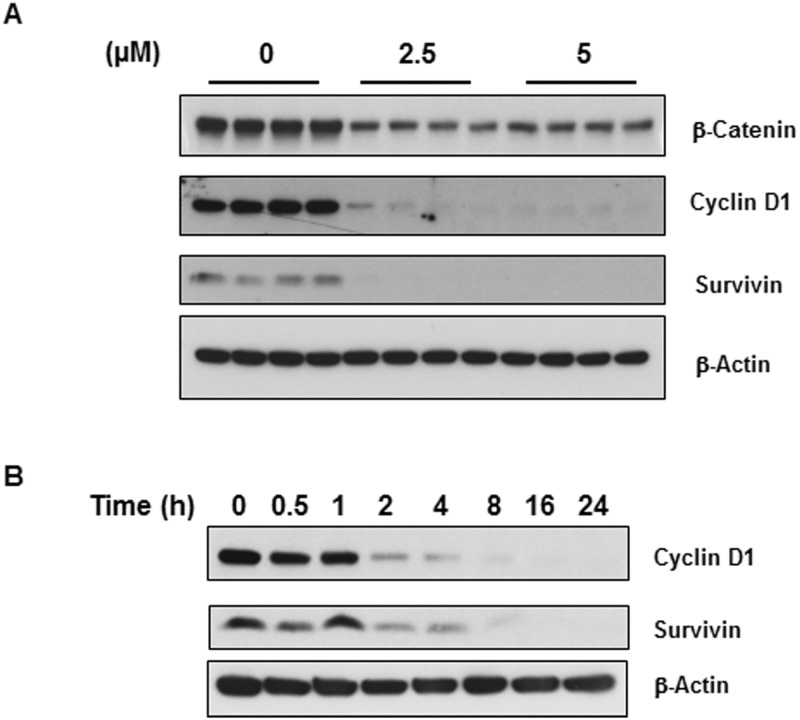
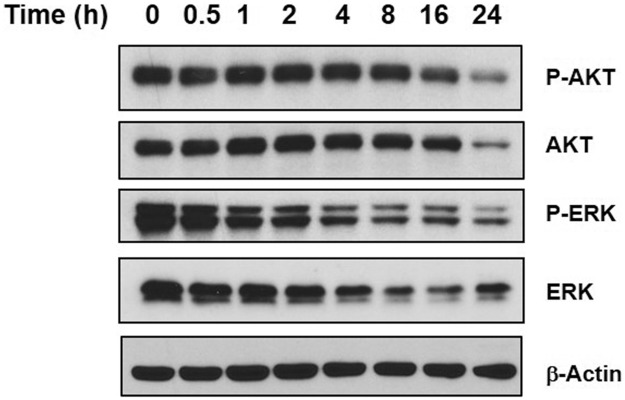
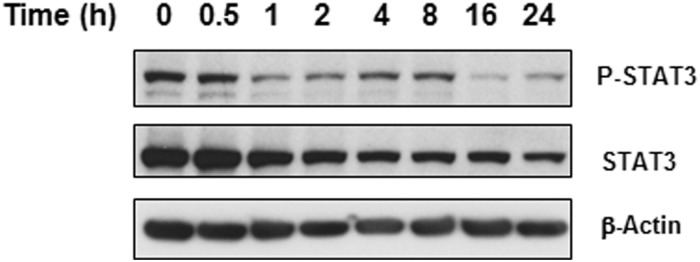
Glioblastoma is the most common and lethal malignant primary brain tumor for which the development of efficacious chemotherapeutic agents remains an urgent need. The anti-helminthic drug niclosamide, which has long been in use to treat tapeworm infections, has recently attracted renewed interest due to its apparent anticancer effects in a variety of in vitro and in vivo cancer models. However, the mechanism(s) of action remains to be elucidated. In the present study, we found that niclosamide induced cell toxicity in human glioblastoma cells corresponding with increased protein ubiquitination, ER stress and autophagy. In addition, niclosamide treatment led to down-regulation of Wnt/β-catenin, PI3K/AKT, MAPK/ERK, and STAT3 pro-survival signal transduction pathways to further reduce U-87 MG cell viability. Taken together, these results provide new insights into the glioblastoma suppressive capabilities of niclosamide, showing that niclosamide can target multiple major cell signaling pathways simultaneously to effectively promote cell death in U-87 MG cells. Niclosamide constitutes a new prospect for a therapeutic treatment against human glioblastoma.
胶质母细胞瘤是最常见且致命的原发性恶性脑肿瘤,因此开发有效的化疗药物仍迫在眉睫。抗蠕虫药物氯硝柳胺长期以来一直用于治疗绦虫感染,最近因其在多种体外和体内癌症模型中明显的抗癌作用而重新引起关注。然而,其作用机制仍有待阐明。在本研究中,我们发现氯硝柳胺在人胶质母细胞瘤细胞中诱导细胞毒性,这与蛋白质泛素化增加、内质网应激和自噬有关。此外,氯硝柳胺处理导致Wnt/β-连环蛋白、PI3K/AKT、MAPK/ERK和STAT3促生存信号转导通路下调,以进一步降低U-87 MG细胞活力。综上所述,这些结果为氯硝柳胺的胶质母细胞瘤抑制能力提供了新的见解,表明氯硝柳胺可以同时靶向多个主要细胞信号通路,有效促进U-87 MG细胞死亡。氯硝柳胺为治疗人类胶质母细胞瘤提供了新的前景。