Grell Anne-Sofie, Frederiksen Simona Denise, Edvinsson Lars, Ansar Saema
Department of Clinical Experimental Research, Glostrup Research Institute, Rigshospitalet Glostrup, Glostrup, Denmark.
Division of Experimental Vascular Research, Department of Clinical Sciences, Lund University, Lund, Sweden.
PLoS One. 2017 Sep 7;12(9):e0184233. doi: 10.1371/journal.pone.0184233. eCollection 2017.
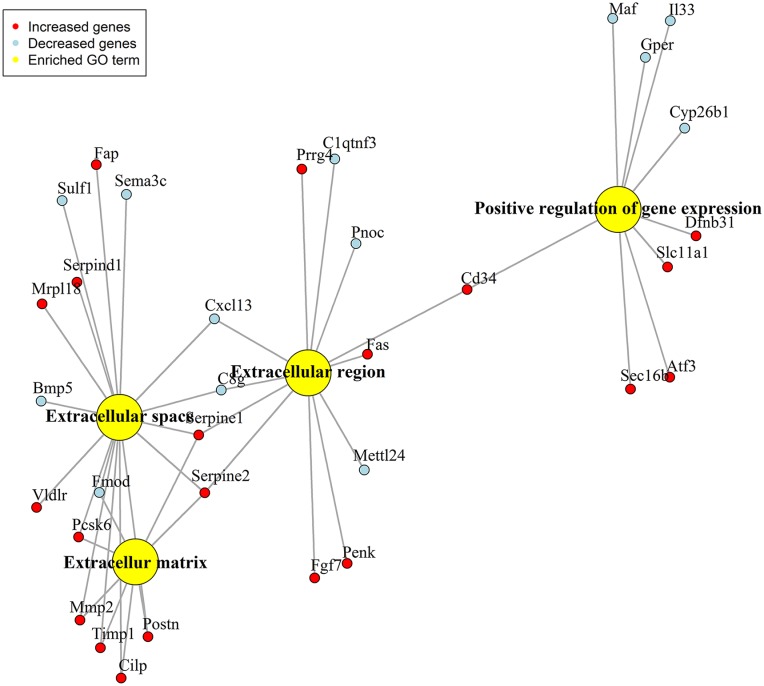
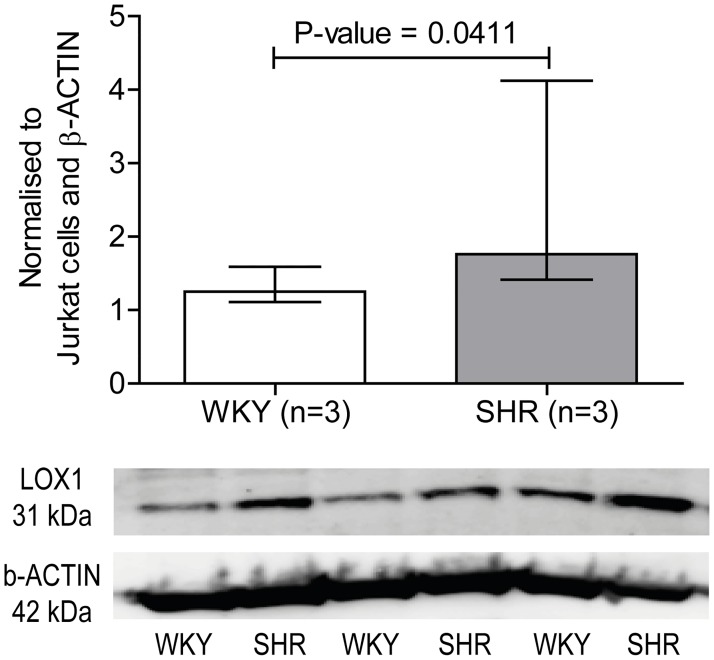
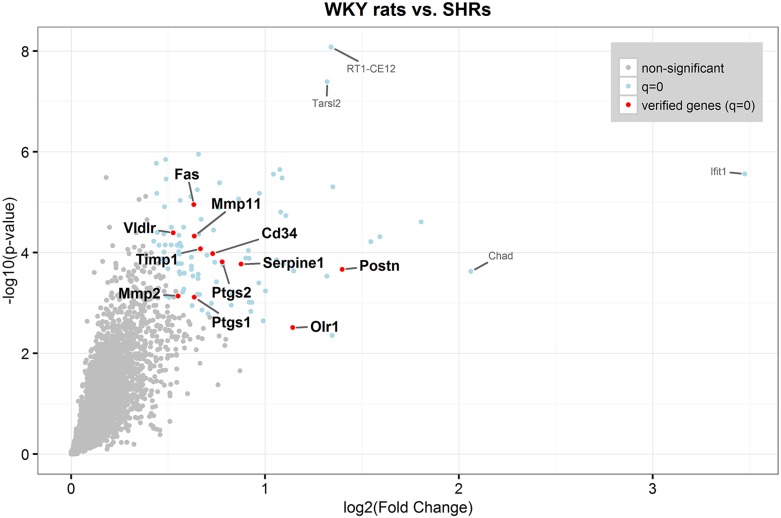
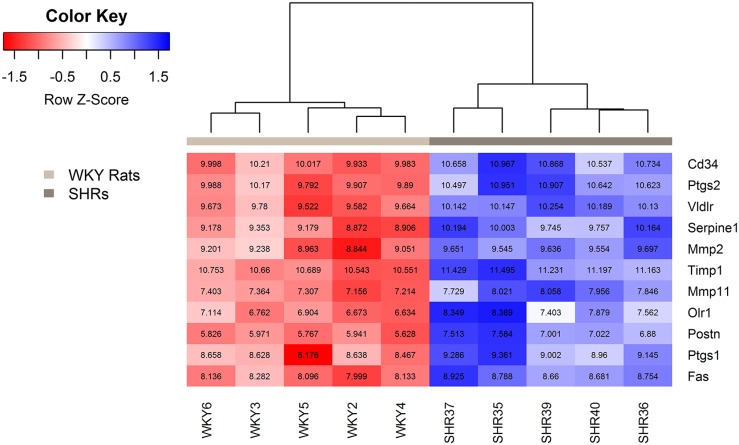
Hypertension is a hemodynamic disorder and one of the most important and well-established risk factors for vascular diseases such as stroke. Blood vessels exposed to chronic shear stress develop structural changes and remodeling of the vascular wall through many complex mechanisms. However, the molecular mechanisms involved are not fully understood. Hypertension-susceptible genes may provide a novel insight into potential molecular mechanisms of hypertension and secondary complications associated with hypertension. The aim of this exploratory study was to identify gene expression differences in the middle cerebral arteries between 12-week-old male spontaneously hypertensive rats and their normotensive Wistar-Kyoto rats using an Affymetrix whole-transcriptome expression profiling. Quantitative PCR and western blotting were used to verify genes of interest. 169 genes were differentially expressed in the middle cerebral arteries from hypertensive compared to normotensive rats. The gene expression of 72 genes was decreased and the gene expression of 97 genes was increased. The following genes with a fold difference ≥1.40 were verified by quantitative PCR; Postn, Olr1, Fas, Vldlr, Mmp2, Timp1, Serpine1, Mmp11, Cd34, Ptgs1 and Ptgs2. The gene expression of Postn, Olr1, Fas, Vldlr, Mmp2, Timp1 and Serpine1 and the protein expression of LOX1 (also known as OLR1) were significantly increased in the middle cerebral arteries from spontaneously hypertensive rats compared to Wistar-Kyoto rats. In conclusion, the identified genes in the middle cerebral arteries from spontaneously hypertensive rats could be possible mediators of the vascular changes and secondary complications associated with hypertension. This study supports the selection of key genes to investigate in the future research of hypertension-induced end-organ damage.
高血压是一种血液动力学紊乱疾病,是诸如中风等血管疾病最重要且已被充分证实的危险因素之一。暴露于慢性剪切应力下的血管会通过许多复杂机制发生结构变化和血管壁重塑。然而,其中涉及的分子机制尚未完全明确。高血压易感基因可能为高血压及其相关继发并发症的潜在分子机制提供新的见解。本探索性研究的目的是使用Affymetrix全转录组表达谱分析,鉴定12周龄雄性自发性高血压大鼠与其正常血压的Wistar-Kyoto大鼠大脑中动脉的基因表达差异。采用定量PCR和蛋白质印迹法验证感兴趣的基因。与正常血压大鼠相比,高血压大鼠大脑中动脉中有169个基因表达存在差异。72个基因的表达下降,97个基因的表达增加。定量PCR验证了以下差异倍数≥1.40的基因:骨膜蛋白(Postn)、氧化型低密度脂蛋白受体1(Olr1)、凋亡因子(Fas)、极低密度脂蛋白受体(Vldlr)、基质金属蛋白酶2(Mmp2)、基质金属蛋白酶组织抑制因子1(Timp1)、丝氨酸蛋白酶抑制剂1(Serpine1)、基质金属蛋白酶11(Mmp11)、CD34分子(Cd34)、前列腺素内过氧化物合酶1(Ptgs1)和前列腺素内过氧化物合酶2(Ptgs2)。与Wistar-Kyoto大鼠相比,自发性高血压大鼠大脑中动脉中骨膜蛋白、氧化型低密度脂蛋白受体1、凋亡因子、极低密度脂蛋白受体、基质金属蛋白酶2、基质金属蛋白酶组织抑制因子1和丝氨酸蛋白酶抑制剂1的基因表达以及凝集素样氧化型低密度脂蛋白受体1(LOX1,也称为氧化型低密度脂蛋白受体1)的蛋白表达显著增加。总之,在自发性高血压大鼠大脑中动脉中鉴定出的基因可能是与高血压相关的血管变化和继发并发症的潜在介质。本研究支持在未来高血压所致终末器官损伤的研究中选择关键基因进行研究。