Tuffs Stephen W, James David B A, Bestebroer Jovanka, Richards Amy C, Goncheva Mariya I, O'Shea Marie, Wee Bryan A, Seo Keun Seok, Schlievert Patrick M, Lengeling Andreas, van Strijp Jos A, Torres Victor J, Fitzgerald J Ross
The Roslin Institute, University of Edinburgh, Easter Bush Campus, Midlothian, Scotland, United States of America.
Department of Microbiology, New York University School of Medicine, New York, NY, United Kingdom.
PLoS Pathog. 2017 Sep 7;13(9):e1006461. doi: 10.1371/journal.ppat.1006461. eCollection 2017 Sep.
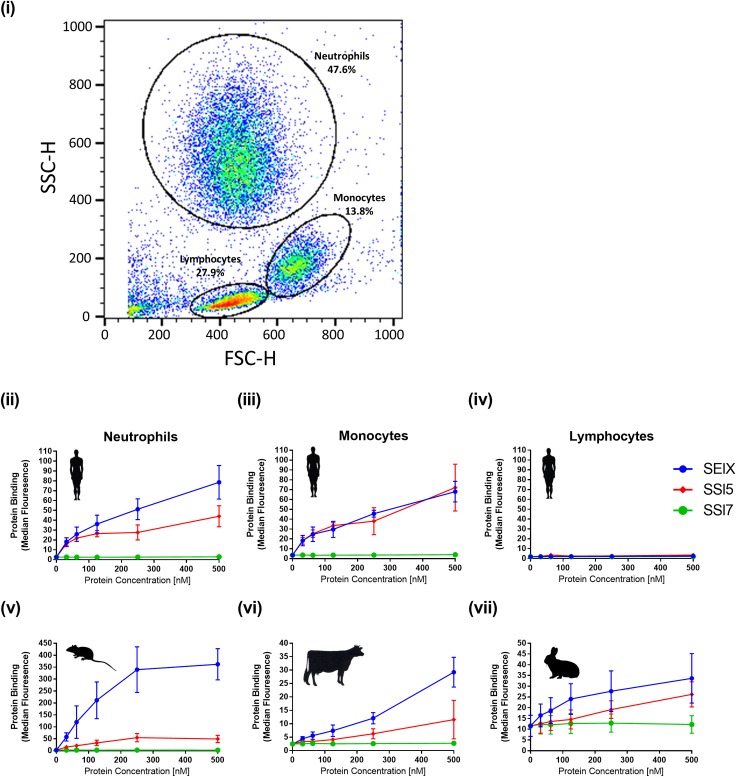
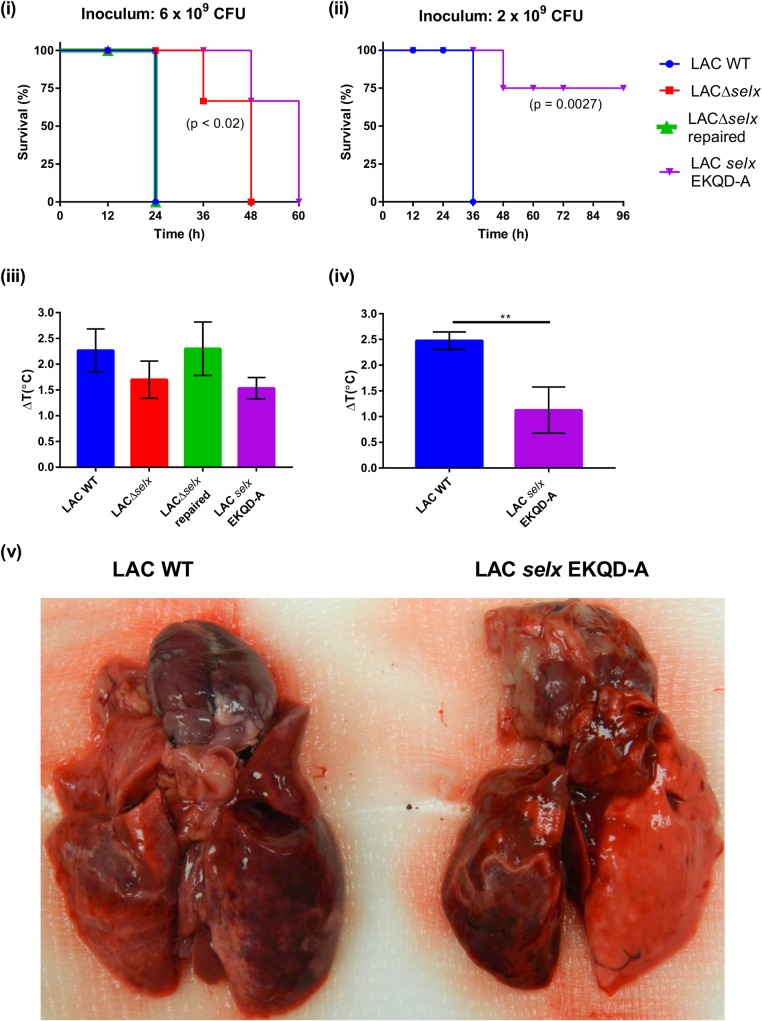
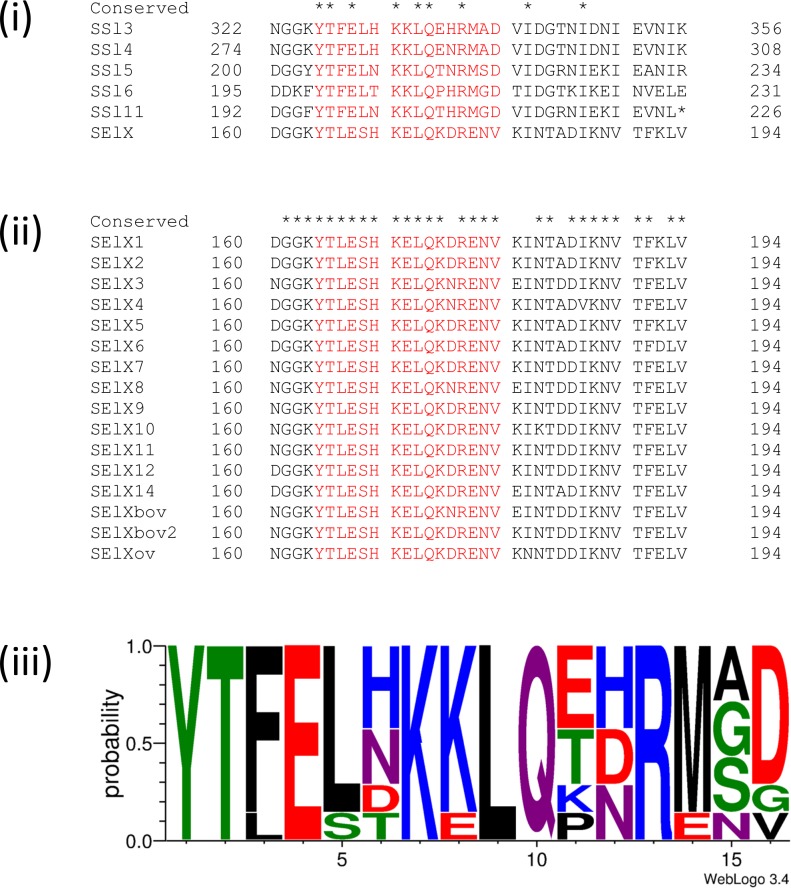
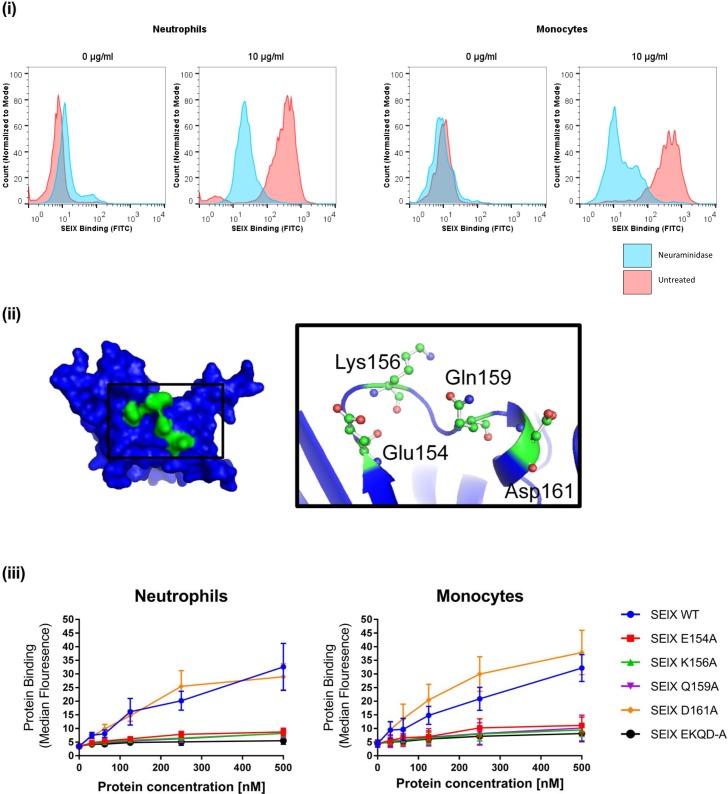
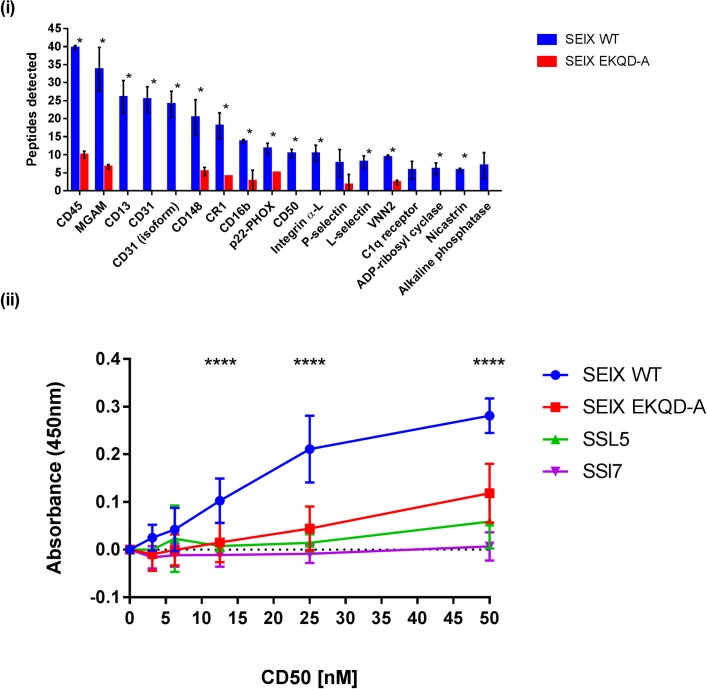
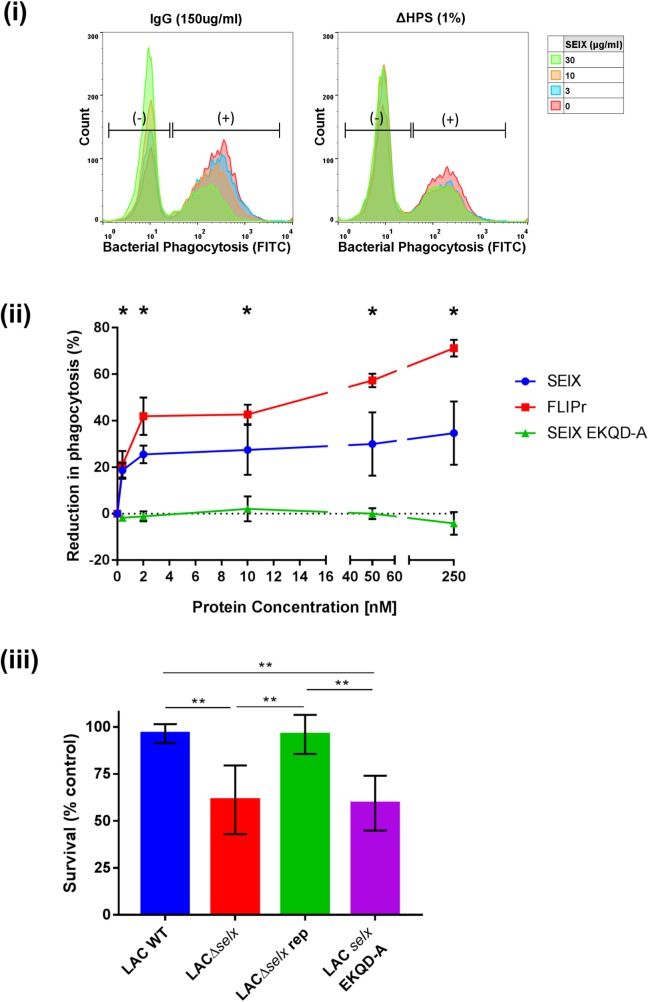
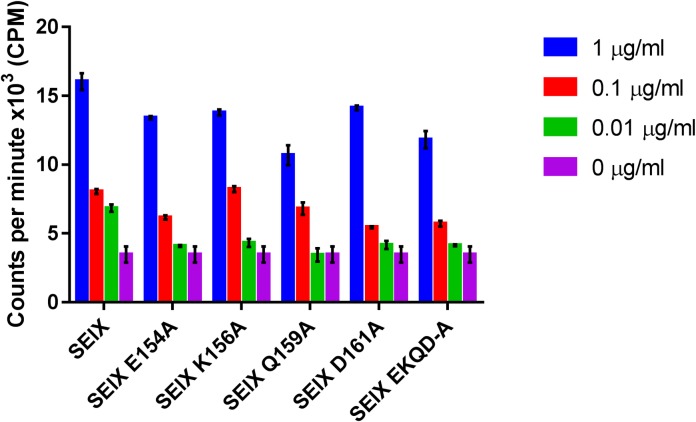
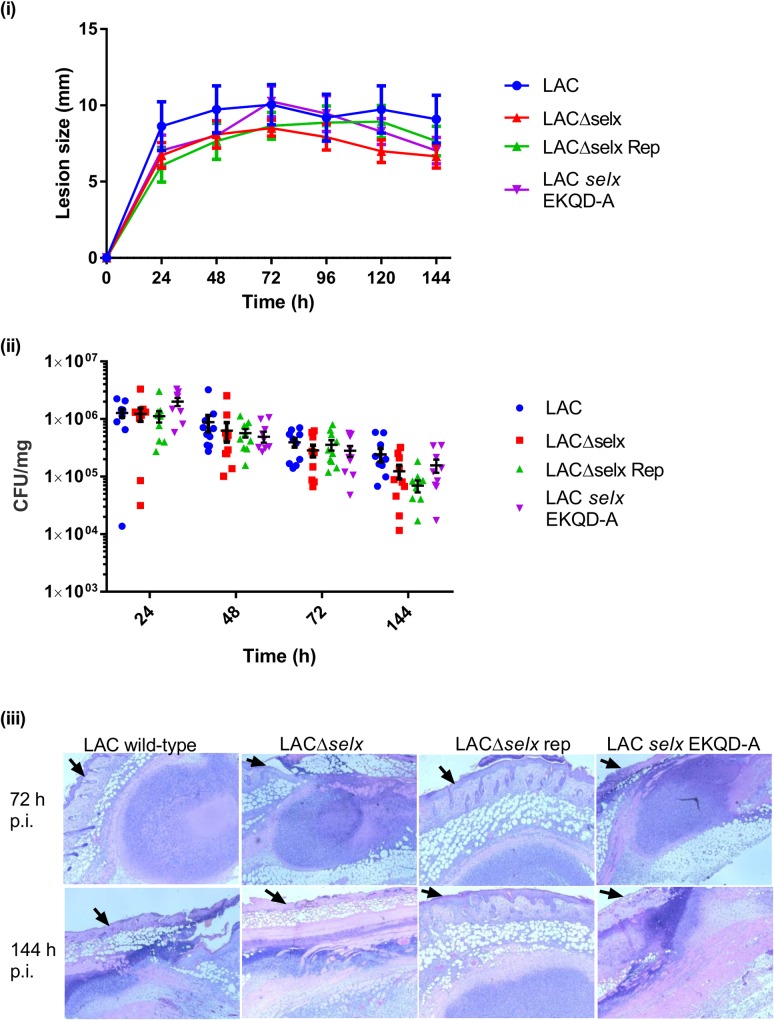
Bacterial superantigens (SAgs) cause Vβ-dependent T-cell proliferation leading to immune dysregulation associated with the pathogenesis of life-threatening infections such as toxic shock syndrome, and necrotizing pneumonia. Previously, we demonstrated that staphylococcal enterotoxin-like toxin X (SElX) from Staphylococcus aureus is a classical superantigen that exhibits T-cell activation in a Vβ-specific manner, and contributes to the pathogenesis of necrotizing pneumonia. Here, we discovered that SElX can also bind to neutrophils from human and other mammalian species and disrupt IgG-mediated phagocytosis. Site-directed mutagenesis of the conserved sialic acid-binding motif of SElX abolished neutrophil binding and phagocytic killing, and revealed multiple glycosylated neutrophil receptors for SElX binding. Furthermore, the neutrophil binding-deficient mutant of SElX retained its capacity for T-cell activation demonstrating that SElX exhibits mechanistically independent activities on distinct cell populations associated with acquired and innate immunity, respectively. Finally, we demonstrated that the neutrophil-binding activity rather than superantigenicity is responsible for the SElX-dependent virulence observed in a necrotizing pneumonia rabbit model of infection. Taken together, we report the first example of a SAg, that can manipulate both the innate and adaptive arms of the human immune system during S. aureus pathogenesis.
细菌超抗原(SAgs)可导致Vβ依赖性T细胞增殖,进而引发免疫失调,这与诸如中毒性休克综合征和坏死性肺炎等危及生命的感染的发病机制相关。此前,我们证明了金黄色葡萄球菌的葡萄球菌肠毒素样毒素X(SElX)是一种经典超抗原,它以Vβ特异性方式激活T细胞,并参与坏死性肺炎的发病过程。在此,我们发现SElX还能与人及其他哺乳动物的中性粒细胞结合,并破坏IgG介导的吞噬作用。对SElX保守的唾液酸结合基序进行定点诱变消除了其与中性粒细胞的结合及吞噬杀伤作用,并揭示了多个用于SElX结合的糖基化中性粒细胞受体。此外,SElX的中性粒细胞结合缺陷突变体保留了其激活T细胞的能力,这表明SElX在分别与获得性免疫和固有免疫相关的不同细胞群体上表现出机制上独立的活性。最后,我们证明在坏死性肺炎兔感染模型中观察到的SElX依赖性毒力是由其与中性粒细胞的结合活性而非超抗原性所致。综上所述,我们报道了首个在金黄色葡萄球菌发病机制中能够同时操纵人类免疫系统固有免疫和适应性免疫分支的超抗原实例。