Delius Judith, Frank Oliver, Hofmann Thomas
Chair of Food Chemistry and Molecular Sensory Science, Technical University of Munich, Lise-Meitner-Straße 34, Freising, Germany.
PLoS One. 2017 Sep 8;12(9):e0184487. doi: 10.1371/journal.pone.0184487. eCollection 2017.
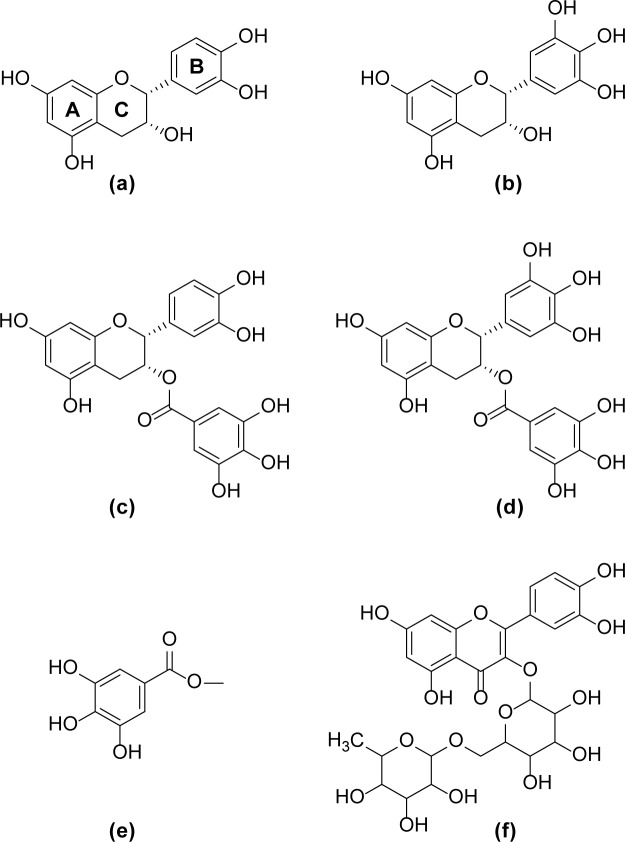
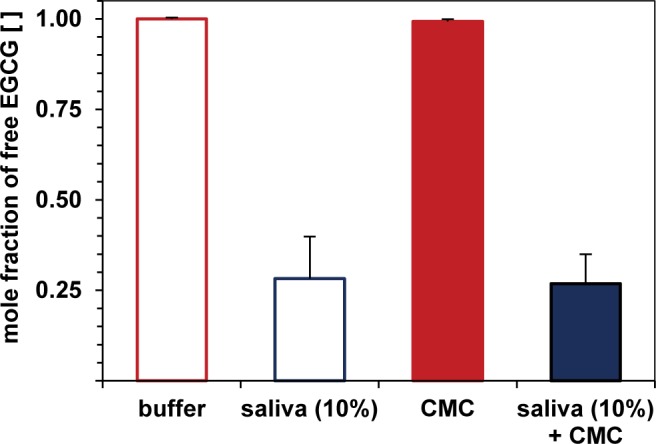
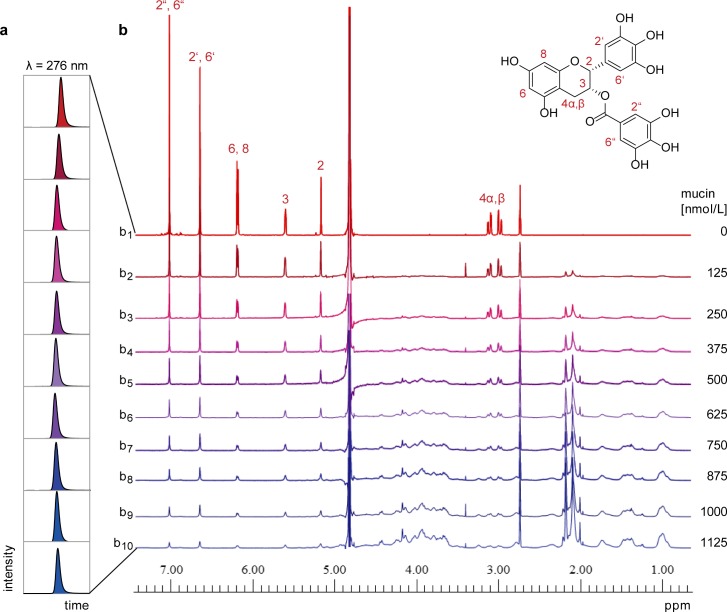
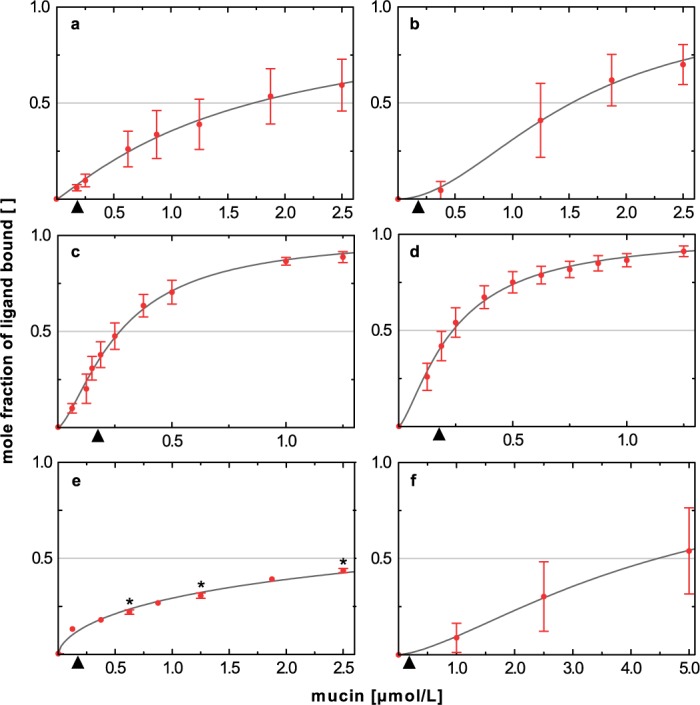
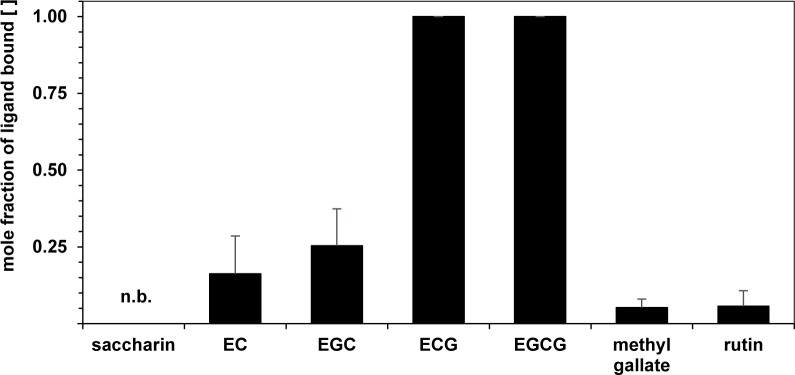
Nuclear magnetic resonance (NMR) spectroscopy is well-established in assessing the binding affinity between low molecular weight ligands and proteins. However, conventional NMR-based binding assays are often limited to small proteins of high purity and may require elaborate isotopic labeling of one of the potential binding partners. As protein-polyphenol complexation is assumed to be a key event in polyphenol-mediated oral astringency, here we introduce a label-free, ligand-focused 1H NMR titration assay to estimate binding affinities and characterize soluble complex formation between proteins and low molecular weight polyphenols. The method makes use of the effects of NMR line broadening due to protein-ligand interactions and quantitation of the non-bound ligand at varying protein concentrations by quantitative 1H NMR spectroscopy (qHNMR) using electronic reference to access in vivo concentration (ERETIC 2). This technique is applied to assess the interaction kinetics of selected astringent tasting polyphenols and purified mucin, a major lubricating glycoprotein of human saliva, as well as human whole saliva. The protein affinity values (BC50) obtained are subsequently correlated with the intrinsic mouth-puckering, astringent oral sensation imparted by these compounds. The quantitative NMR method is further exploited to study the effect of carboxymethyl cellulose, a candidate "anti-astringent" protein binding antagonist, on the polyphenol-protein interaction. Consequently, the NMR approach presented here proves to be a versatile tool to study the interactions between proteins and low-affinity ligands in solution and may find promising applications in the discovery of bioactives.
核磁共振(NMR)光谱法在评估低分子量配体与蛋白质之间的结合亲和力方面已得到广泛应用。然而,传统的基于NMR的结合测定通常仅限于高纯度的小蛋白质,并且可能需要对潜在结合伙伴之一进行复杂的同位素标记。由于蛋白质 - 多酚络合被认为是多酚介导的口腔涩味中的关键事件,在此我们引入一种无标记、以配体为重点的1H NMR滴定法,以估计结合亲和力并表征蛋白质与低分子量多酚之间可溶性复合物的形成。该方法利用了蛋白质 - 配体相互作用导致的NMR谱线展宽效应,并通过使用电子参考获取体内浓度(ERETIC 2)的定量1H NMR光谱(qHNMR)在不同蛋白质浓度下对未结合配体进行定量。该技术用于评估选定的涩味多酚与纯化的粘蛋白(人类唾液中的一种主要润滑糖蛋白)以及人类全唾液之间的相互作用动力学。随后将获得的蛋白质亲和力值(BC50)与这些化合物赋予的内在口腔皱缩、涩味口腔感觉相关联。进一步利用定量NMR方法研究羧甲基纤维素(一种候选的“抗涩味”蛋白质结合拮抗剂)对多酚 - 蛋白质相互作用的影响。因此,本文提出的NMR方法被证明是研究溶液中蛋白质与低亲和力配体之间相互作用的通用工具,并且可能在生物活性物质的发现中找到有前景的应用。