Graduate Institute of Translational Medicine, College of Medical Sciences and Technology, Taipei Medical University, Taipei, Taiwan.
Center for Cell Therapy and Regeneration Medicine, Taipei Medical University, Taipei, Taiwan.
Sci Rep. 2017 Sep 8;7(1):11006. doi: 10.1038/s41598-017-11212-1.
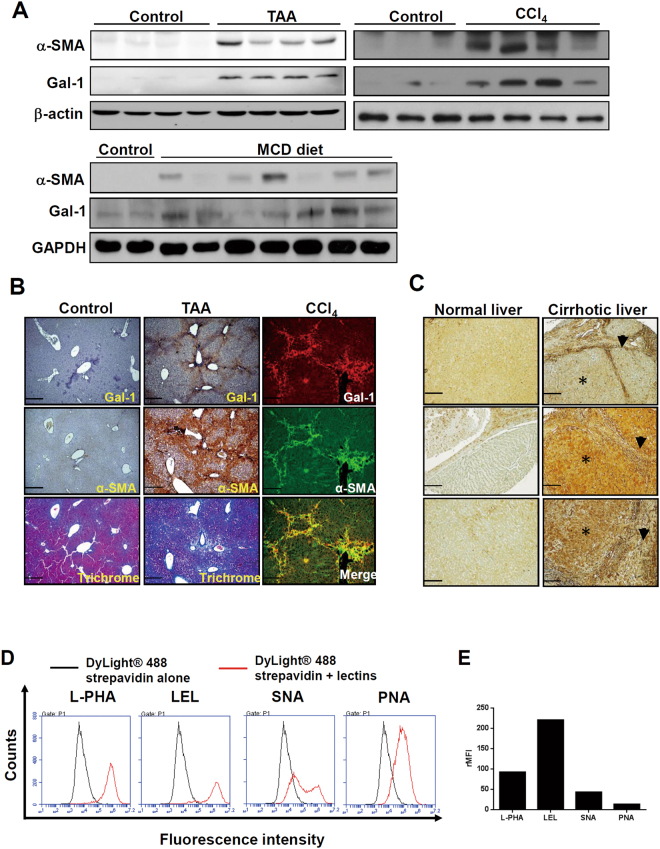
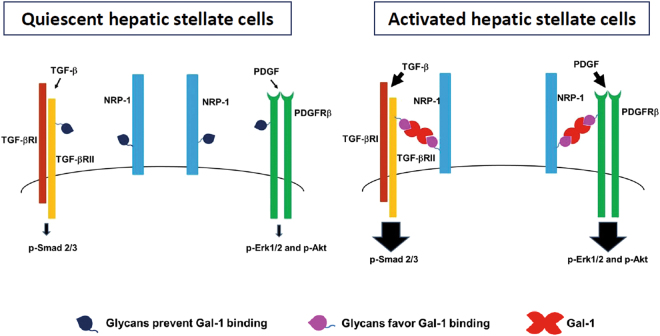
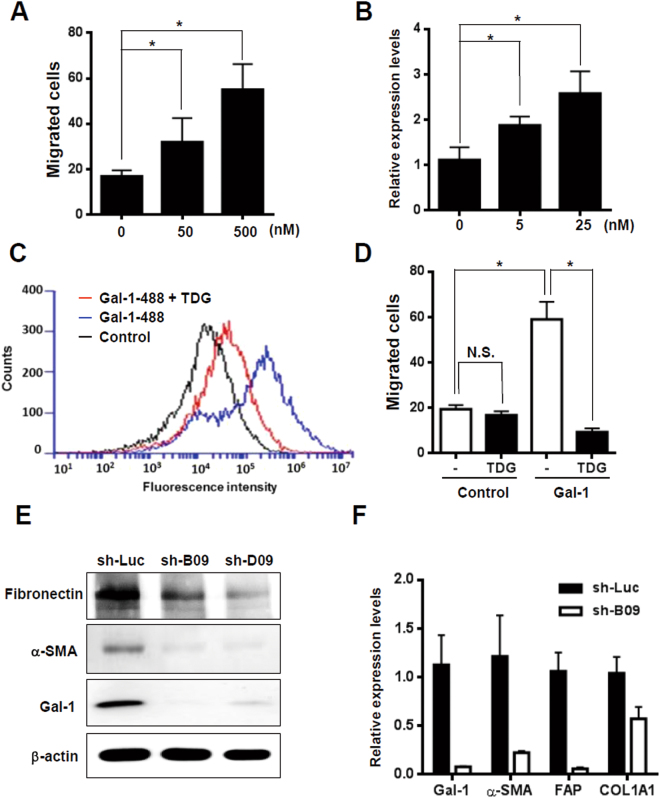
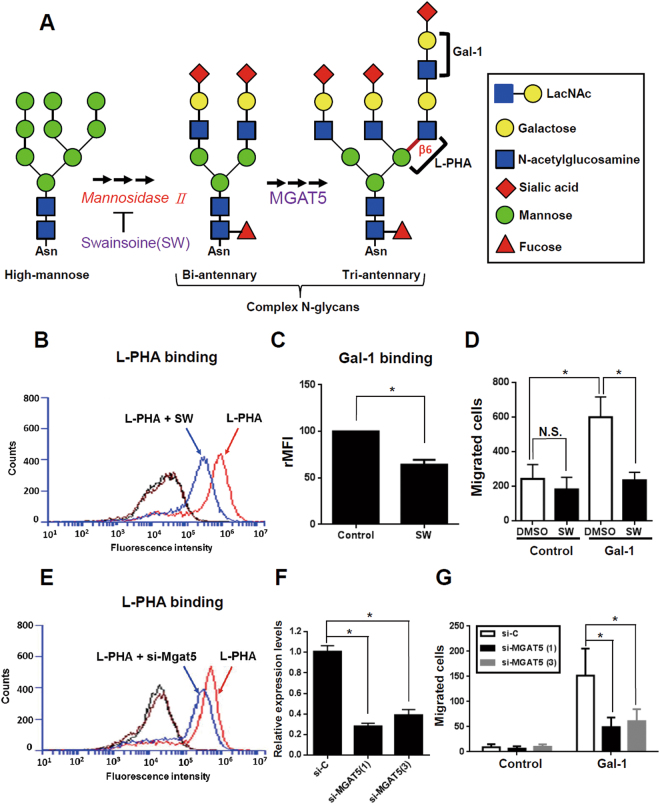
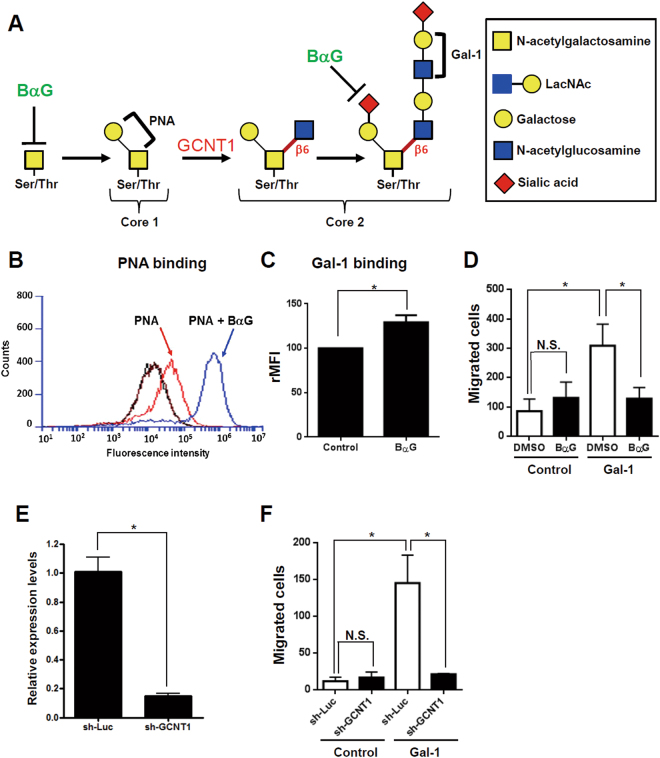
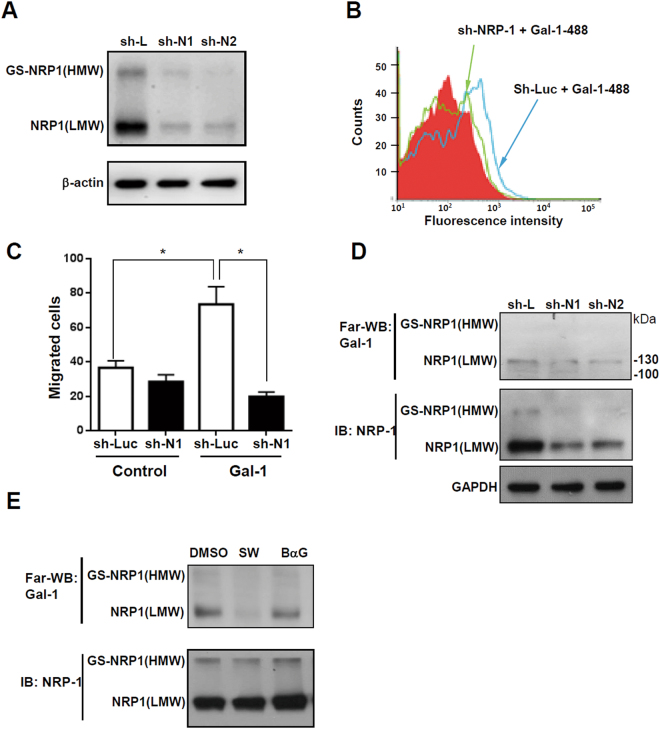
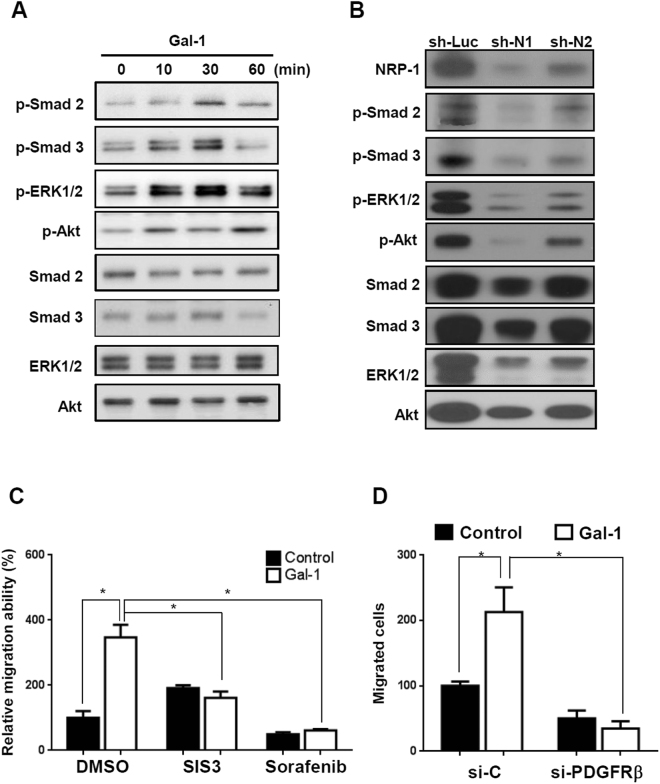
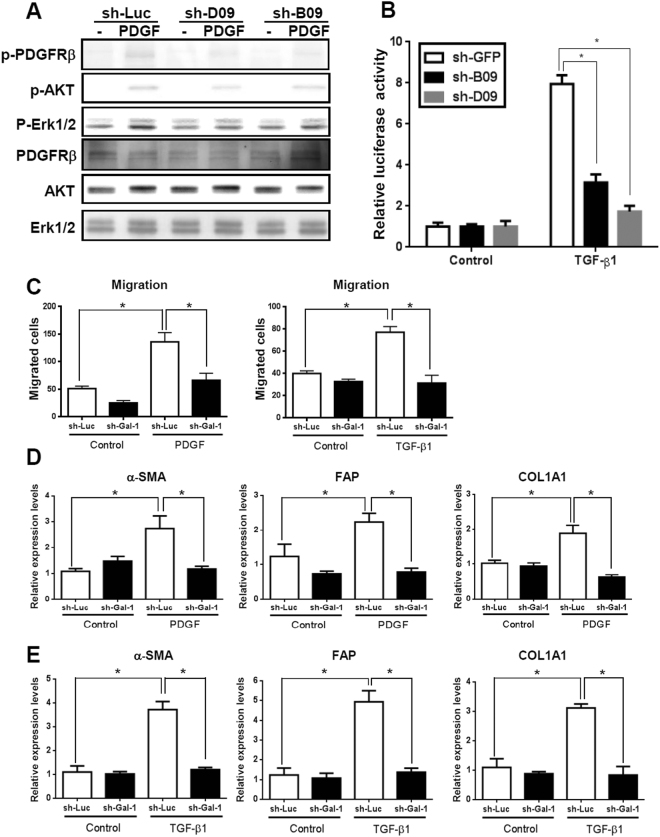
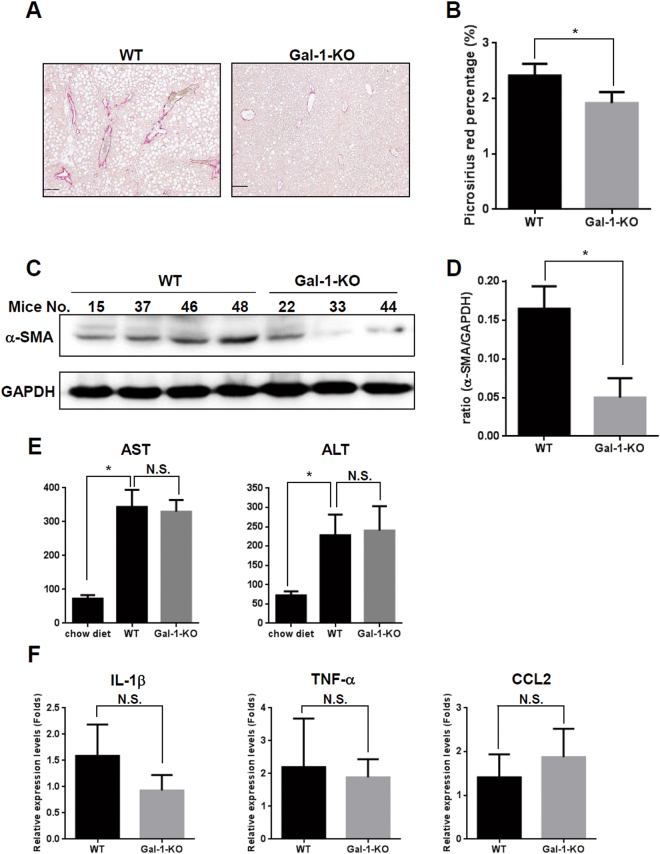
Concomitant expressions of glycan-binding proteins and their bound glycans regulate many pathophysiologic processes, but this issue has not been addressed in liver fibrosis. Activation of hepatic stellate cells (HSCs) is a rate-limiting step in liver fibrosis and is an important target for liver fibrosis therapy. We previously reported that galectin (Gal)-1, a β-galactoside-binding protein, regulates myofibroblast homeostasis in oral carcinoma and wound healing, but the role of Gal-1 in HSC migration and activation is unclear. Herein, we report that Gal-1 and its bound glycans were highly expressed in fibrotic livers and activated HSCs. The cell-surface glycome of activated HSCs facilitated Gal-1 binding, which upon recognition of the N-glycans on neuropilin (NRP)-1, activated platelet-derived growth factor (PDGF)- and transforming growth factor (TGF)-β-like signals to promote HSC migration and activation. In addition, blocking endogenous Gal-1 expression suppressed PDGF- and TGF-β1-induced signaling, migration, and gene expression in HSCs. Methionine and choline-deficient diet (MCD)-induced collagen deposition and HSC activation were attenuated in Gal-1-null mice compared to wild-type mice. In summary, we concluded that glycosylation-dependent Gal-1/NRP-1 interactions activate TGF-β and PDGF-like signaling to promote the migration and activation of HSCs. Therefore, targeting Gal-1/NRP-1 interactions could be developed into liver fibrosis therapy.
糖结合蛋白及其结合的糖共同表达调控许多生理病理过程,但这一问题在肝纤维化中尚未得到解决。肝星状细胞 (HSCs) 的激活是肝纤维化的限速步骤,也是肝纤维化治疗的重要靶点。我们之前报道过,半乳糖凝集素 (Gal)-1 是一种 β-半乳糖苷结合蛋白,调节口腔癌和伤口愈合中的成肌纤维细胞稳态,但 Gal-1 在 HSC 迁移和激活中的作用尚不清楚。在此,我们报告称 Gal-1 及其结合的糖在纤维化肝脏和激活的 HSCs 中高度表达。激活的 HSCs 表面糖组促进 Gal-1 结合,Gal-1 通过识别神经纤毛蛋白 (NRP)-1 上的 N-糖,激活血小板衍生生长因子 (PDGF) 和转化生长因子 (TGF)-β 样信号,促进 HSC 迁移和激活。此外,阻断内源性 Gal-1 表达可抑制 HSCs 中 PDGF 和 TGF-β1 诱导的信号转导、迁移和基因表达。与野生型小鼠相比,在 Gal-1 敲除小鼠中,蛋氨酸和胆碱缺乏饮食 (MCD) 诱导的胶原蛋白沉积和 HSC 激活减少。综上所述,我们得出结论,糖基化依赖的 Gal-1/NRP-1 相互作用激活 TGF-β 和 PDGF 样信号,促进 HSCs 的迁移和激活。因此,靶向 Gal-1/NRP-1 相互作用可能成为肝纤维化治疗的新策略。