Muku Gulsum E, Lahoti Tejas S, Murray Iain A, Podolsky Michael A, Smith Kayla J, Hubbard Troy D, Kuzu Guray, Gowda Krishne, Amin Shantu G, Perdew Gary H
Department of Veterinary and Biomedical Sciences and The Center for Molecular Toxicology and Carcinogenesis, The Pennsylvania State University, University Park, PA, USA.
Department of Biochemistry and Molecular Biology, Center for Eukaryotic Gene Regulation, The Pennsylvania State University, University Park, PA, USA.
Lab Invest. 2017 Dec;97(12):1471-1487. doi: 10.1038/labinvest.2017.92. Epub 2017 Sep 11.
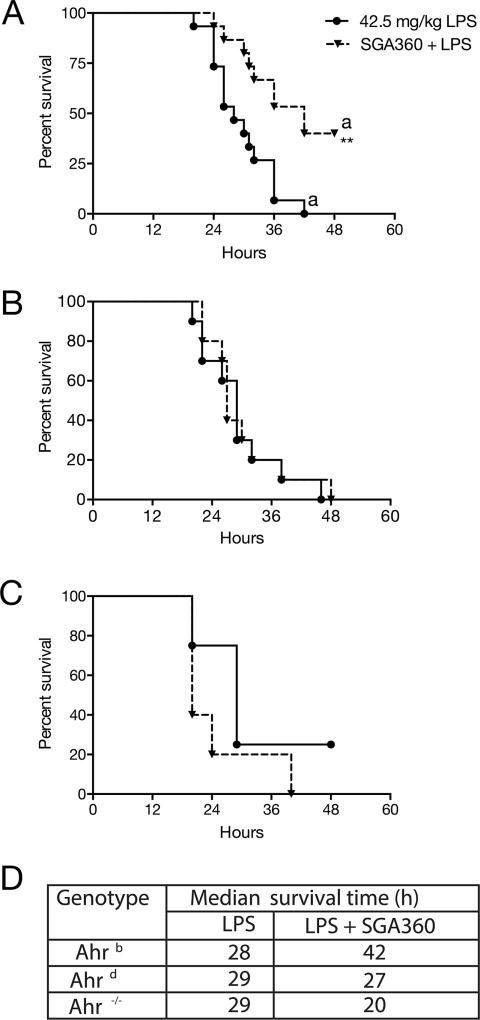
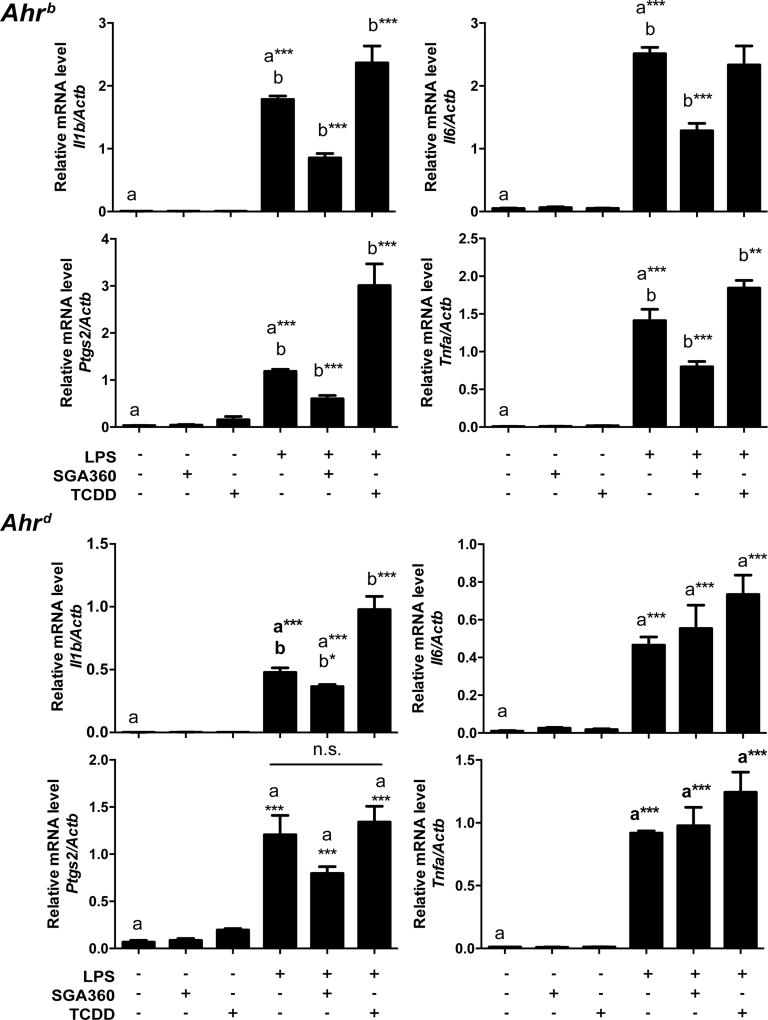
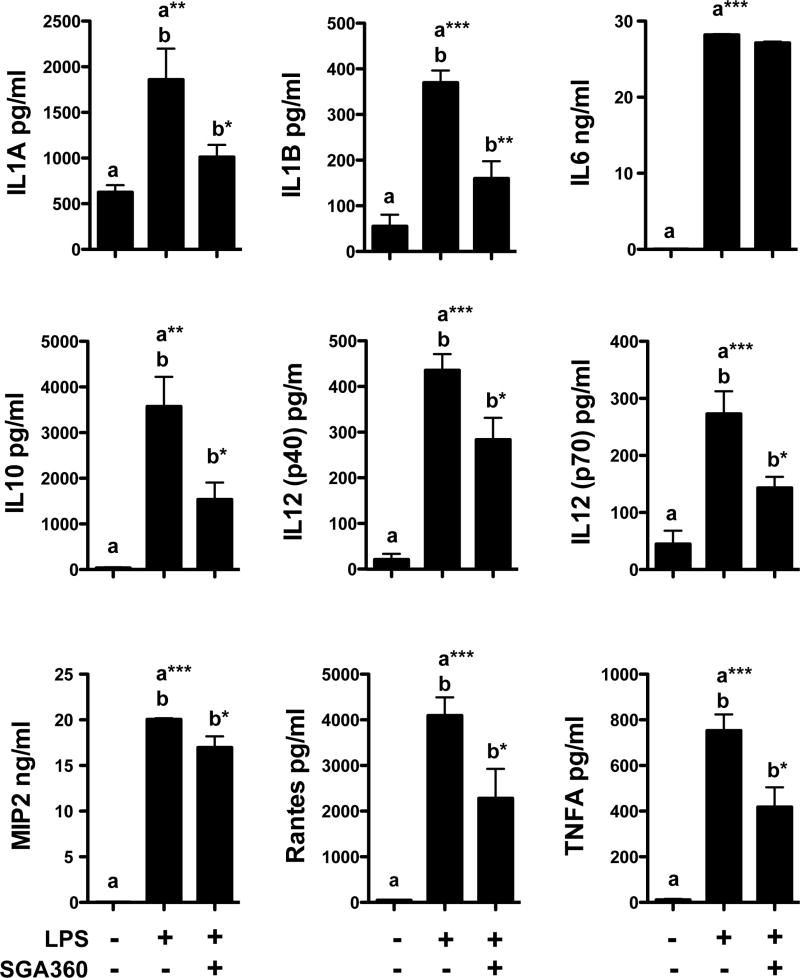
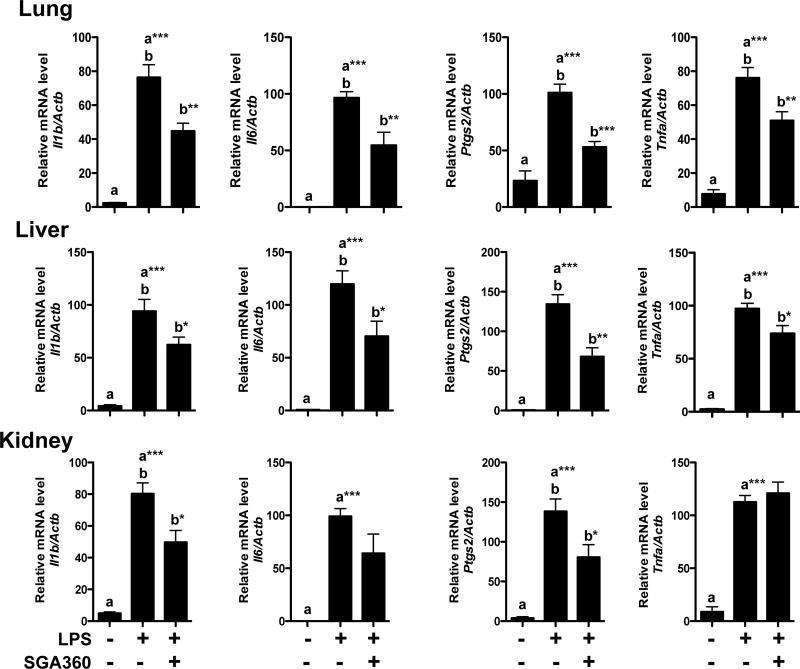
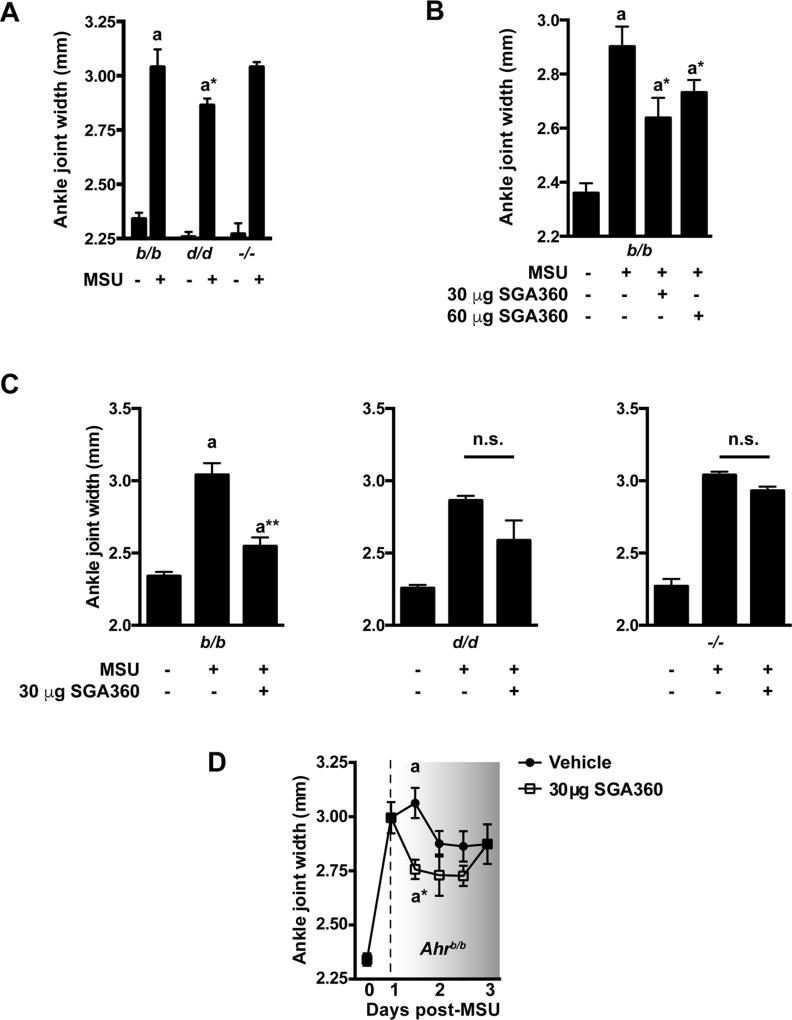
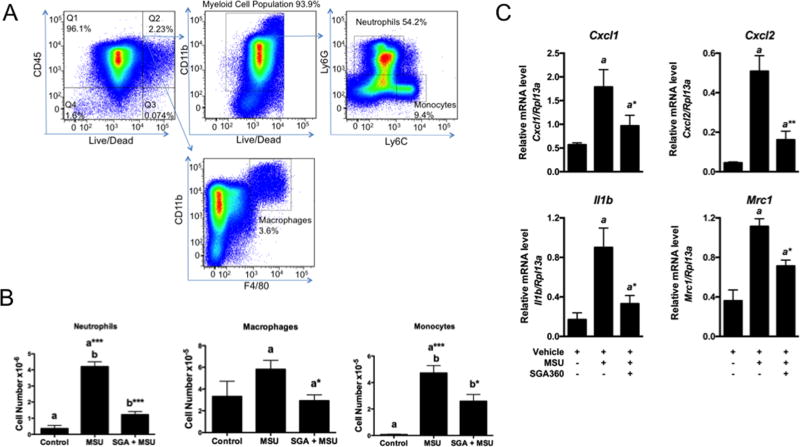
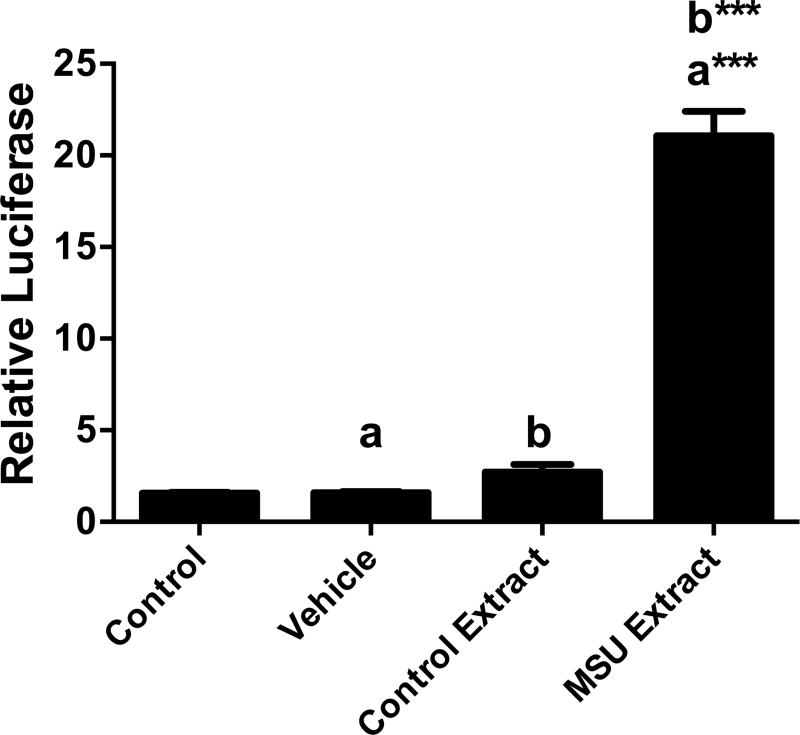
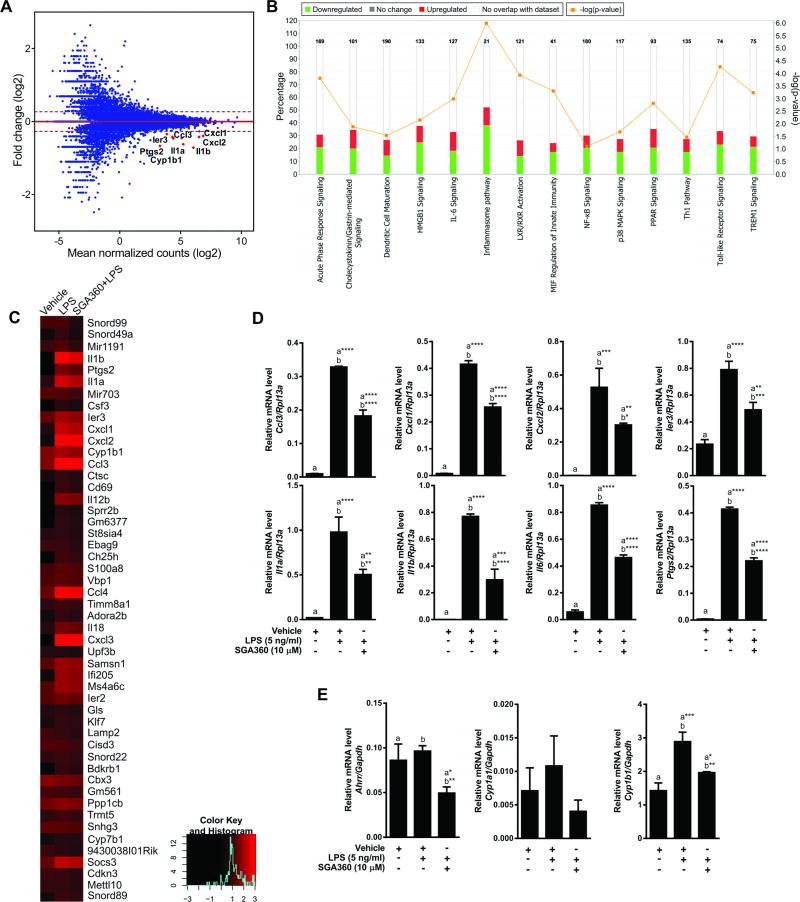
The Ah receptor (AHR) has been shown to exhibit both inflammatory and anti-inflammatory activity in a context-specific manner. In vivo macrophage-driven acute inflammation models were utilized here to test whether the selective Ah receptor modulator 1-allyl-7-trifluoromethyl-1H-indazol-3-yl]-4-methoxyphenol (SGA360) would reduce inflammation. Exposure to SGA360 was capable of significantly inhibiting lipopolysaccharide (LPS)-mediated endotoxic shock in a mouse model, both in terms of lethality and attenuating inflammatory signaling in tissues. Topical exposure to SGA360 was also able to mitigate joint edema in a monosodium urate (MSU) crystal gout mouse model. Inhibition was dependent on the expression of the high-affinity allelic AHR variant in both acute inflammation models. Upon peritoneal MSU crystal exposure SGA360 pretreatment inhibited neutrophil and macrophage migration into the peritoneum. RNA-seq analysis revealed that SGA360 attenuated the expression of numerous inflammatory genes and genes known to be directly regulated by AHR in thioglycolate-elicited primary peritoneal macrophages treated with LPS. In addition, expression of the high-affinity allelic AHR variant in cultured macrophages was necessary for SGA360-mediated repression of inflammatory gene expression. Mechanistic studies revealed that SGA360 failed to induce nuclear translocation of the AHR and actually enhanced cytoplasmic localization. LPS treatment of macrophages enhanced the occupancy of the AHR and p65 to the Ptgs2 promoter, whereas SGA360 attenuated occupancy. AHR ligand activity was detected in peritoneal exudates isolated from MSU-treated mice, thus suggesting that the anti-inflammatory activity of SGA360 is mediated at least in part through AHR antagonism of endogenous agonist activity. These results underscore an important role of the AHR in participating in acute inflammatory signaling and warrants further investigations into possible clinical applications.
已证明芳烃受体(AHR)在特定环境下兼具促炎和抗炎活性。本文利用体内巨噬细胞驱动的急性炎症模型来测试选择性芳烃受体调节剂1-烯丙基-7-三氟甲基-1H-吲唑-3-基]-4-甲氧基苯酚(SGA360)是否会减轻炎症。在小鼠模型中,暴露于SGA360能够显著抑制脂多糖(LPS)介导的内毒素休克,无论是在致死率方面,还是在减轻组织中的炎症信号传导方面。局部暴露于SGA360也能够减轻尿酸钠(MSU)晶体痛风小鼠模型中的关节水肿。在这两种急性炎症模型中,抑制作用均依赖于高亲和力等位基因AHR变体的表达。在腹膜暴露于MSU晶体后,SGA360预处理可抑制中性粒细胞和巨噬细胞向腹膜内迁移。RNA测序分析显示,在用LPS处理的巯基乙酸诱导的原代腹膜巨噬细胞中,SGA360减弱了许多炎症基因以及已知受AHR直接调控的基因的表达。此外,培养的巨噬细胞中高亲和力等位基因AHR变体的表达对于SGA360介导的炎症基因表达抑制是必要的。机制研究表明,SGA360未能诱导AHR的核转位,实际上增强了其在细胞质中的定位。巨噬细胞经LPS处理后,AHR和p65与Ptgs2启动子的结合增加,而SGA360则减弱了这种结合。在从经MSU处理小鼠分离的腹膜渗出物中检测到AHR配体活性,因此表明SGA360的抗炎活性至少部分是通过对内源性激动剂活性的AHR拮抗作用介导的。这些结果强调了AHR在参与急性炎症信号传导中的重要作用,并值得进一步研究其可能的临床应用。