Wesley Nathaniel A, Wachnowsky Christine, Fidai Insiya, Cowan J A
Department of Chemistry and Biochemistry, The Ohio State University, Columbus, OH, USA.
The Ohio State Biochemistry Program, The Ohio State University, Columbus, OH, USA.
FEBS J. 2017 Nov;284(22):3838-3848. doi: 10.1111/febs.14271. Epub 2017 Oct 12.
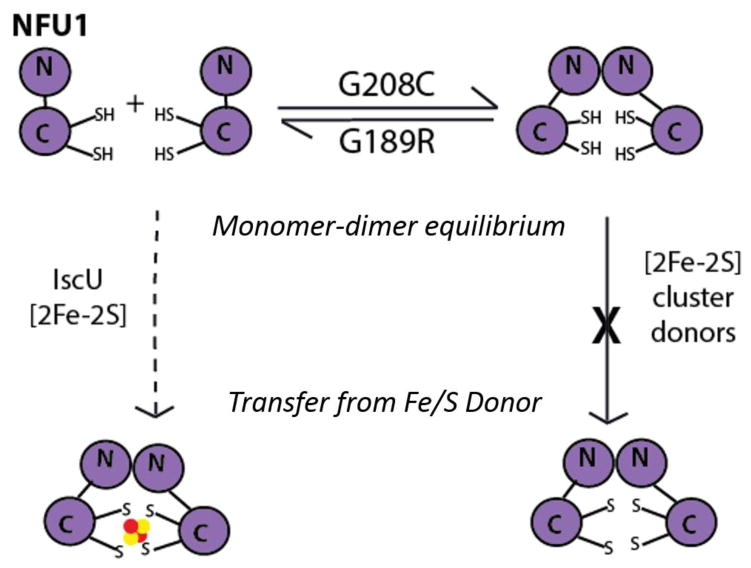
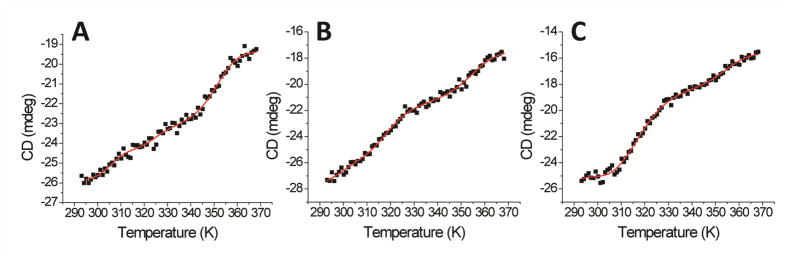
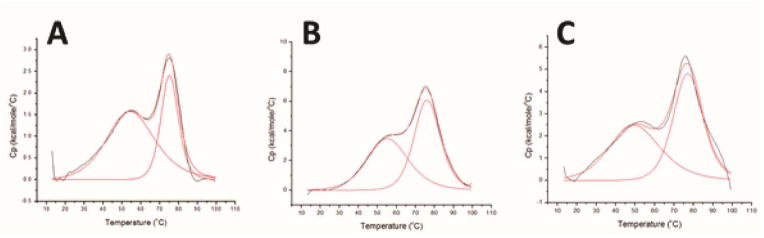
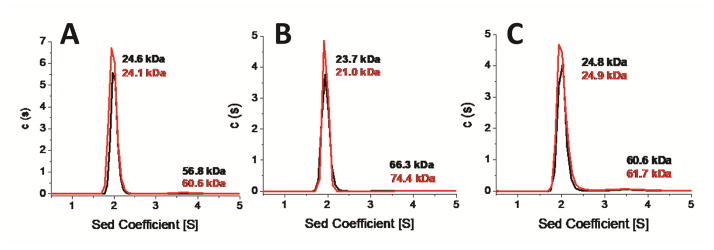
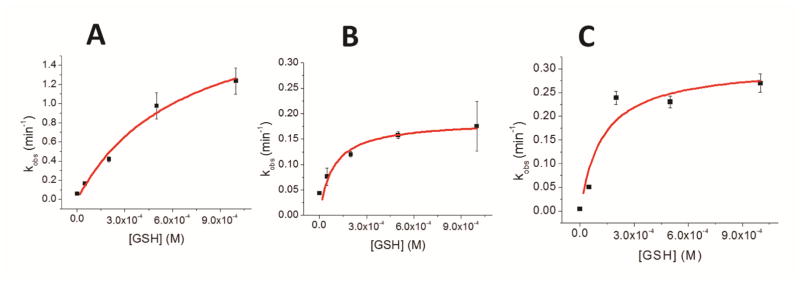
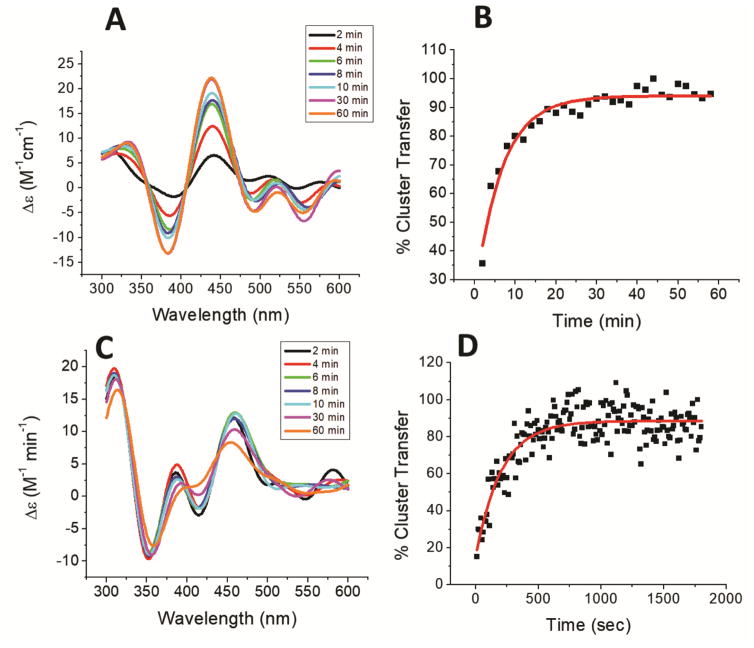
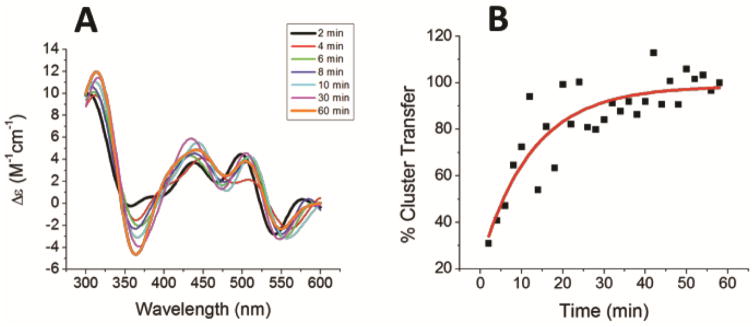
Iron-sulfur (Fe/S) cluster-containing proteins constitute one of the largest protein classes, with highly varied function. Consequently, the biosynthesis of Fe/S clusters is evolutionarily conserved and mutations in intermediate Fe/S cluster scaffold proteins can cause disease, including multiple mitochondrial dysfunctions syndrome (MMDS). Herein, we have characterized the impact of defects occurring in the MMDS1 disease state that result from a point mutation (p.Gly189Arg) near the active site of NFU1, an Fe/S scaffold protein. In vitro investigation into the structure-function relationship of the Gly189Arg derivative, along with two other variants, reveals that substitution at position 189 triggers structural changes that increase flexibility, decrease stability, and alter the monomer-dimer equilibrium toward monomer, thereby impairing the ability of the Gly189X derivatives to receive an Fe/S cluster from physiologically relevant sources.
含硫铁(Fe/S)簇的蛋白质是最大的蛋白质类别之一,其功能高度多样。因此,Fe/S簇的生物合成在进化上是保守的,中间Fe/S簇支架蛋白的突变会导致疾病,包括多种线粒体功能障碍综合征(MMDS)。在此,我们已经表征了MMDS1疾病状态下发生的缺陷的影响,这些缺陷是由Fe/S支架蛋白NFU1活性位点附近的一个点突变(p.Gly189Arg)引起的。对Gly189Arg衍生物以及其他两个变体的结构-功能关系进行的体外研究表明,189位的取代引发了结构变化,增加了灵活性,降低了稳定性,并使单体-二聚体平衡向单体方向改变,从而损害了Gly189X衍生物从生理相关来源接收Fe/S簇的能力。