Mirrakhimov Aibek E, Ayach Taha, Barbaryan Aram, Talari Goutham, Chadha Romil, Gray Adam
Department of Medicine, University of Kentucky College of Medicine, Lexington, KY, USA.
University of Kansas Medical Center, Kansas City, KS, USA.
Int J Nephrol. 2017;2017:7831358. doi: 10.1155/2017/7831358. Epub 2017 Aug 8.
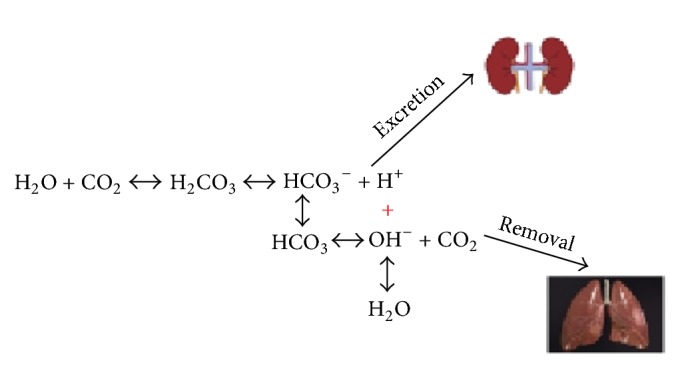
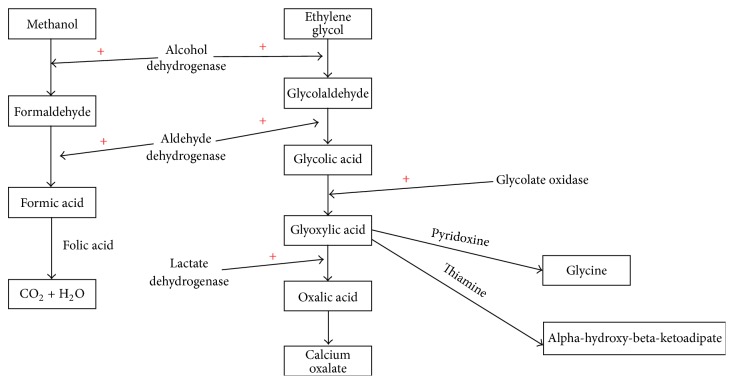
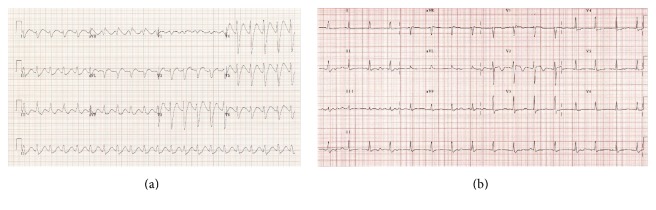
Adverse reactions to commonly prescribed medications and to substances of abuse may result in severe toxicity associated with increased morbidity and mortality. According to the Center for Disease Control, in 2013, at least 2113 human fatalities attributed to poisonings occurred in the United States of America. In this article, we review the data regarding the impact of systemic sodium bicarbonate administration in the management of certain poisonings including sodium channel blocker toxicities, salicylate overdose, and ingestion of some toxic alcohols and in various pharmacological toxicities. Based on the available literature and empiric experience, the administration of sodium bicarbonate appears to be beneficial in the management of a patient with the above-mentioned toxidromes. However, most of the available evidence originates from case reports, case series, and expert consensus recommendations. The potential mechanisms of sodium bicarbonate include high sodium load and the development of metabolic alkalosis with resultant decreased tissue penetration of the toxic substance with subsequent increased urinary excretion. While receiving sodium bicarbonate, patients must be monitored for the development of associated side effects including electrolyte abnormalities, the progression of metabolic alkalosis, volume overload, worsening respiratory status, and/or worsening metabolic acidosis. Patients with oliguric/anuric renal failure and advanced decompensated heart failure should not receive sodium bicarbonate.
常用处方药和滥用物质的不良反应可能导致严重毒性,增加发病率和死亡率。根据疾病控制中心的数据,2013年,美利坚合众国至少有2113例中毒导致的死亡。在本文中,我们回顾了有关全身性碳酸氢钠给药对某些中毒(包括钠通道阻滞剂中毒、水杨酸盐过量以及某些有毒醇类的摄入)和各种药物毒性的管理影响的数据。根据现有文献和经验,碳酸氢钠给药似乎对患有上述中毒综合征的患者的管理有益。然而,大多数现有证据来自病例报告、病例系列和专家共识建议。碳酸氢钠的潜在机制包括高钠负荷和代谢性碱中毒的发生,导致有毒物质的组织穿透性降低,随后尿排泄增加。在接受碳酸氢钠治疗时,必须监测患者是否出现相关副作用,包括电解质异常、代谢性碱中毒的进展、容量超负荷、呼吸状况恶化和/或代谢性酸中毒恶化。少尿/无尿肾衰竭患者和晚期失代偿性心力衰竭患者不应接受碳酸氢钠治疗。