Lal Preet, Cerofolini Linda, D'Agostino Vito Giuseppe, Zucal Chiara, Fuccio Carmelo, Bonomo Isabelle, Dassi Erik, Giuntini Stefano, Di Maio Danilo, Vishwakarma Vikalp, Preet Ranjan, Williams Sha Neisha, Fairlamb Max S, Munk Rachel, Lehrmann Elin, Abdelmohsen Kotb, Elezgarai Saioa R, Luchinat Claudio, Novellino Ettore, Quattrone Alessandro, Biasini Emiliano, Manzoni Leonardo, Gorospe Myriam, Dixon Dan A, Seneci Pierfausto, Marinelli Luciana, Fragai Marco, Provenzani Alessandro
Centre for Integrative Biology, CIBIO, University of Trento, Trento 38122, Italy.
Centre for Magnetic Resonance, CERM, University of Florence, Sesto Fiorentino 50019, Italy.
Nucleic Acids Res. 2017 Sep 19;45(16):9514-9527. doi: 10.1093/nar/gkx623.
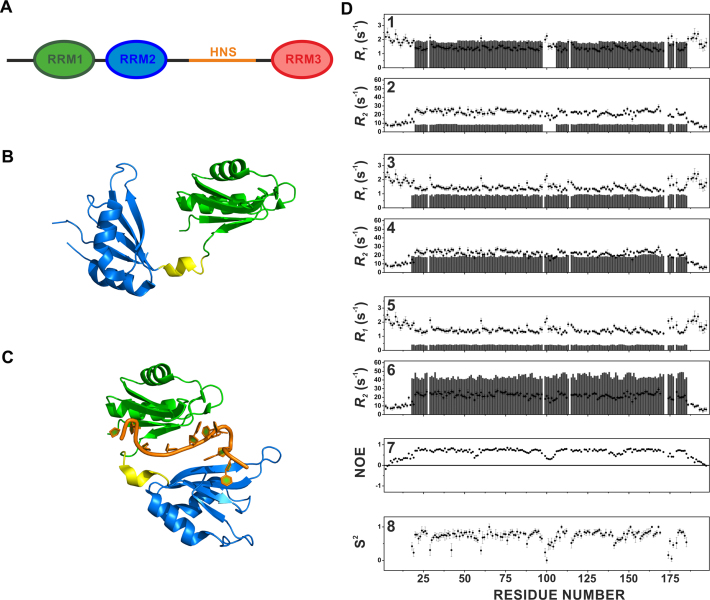
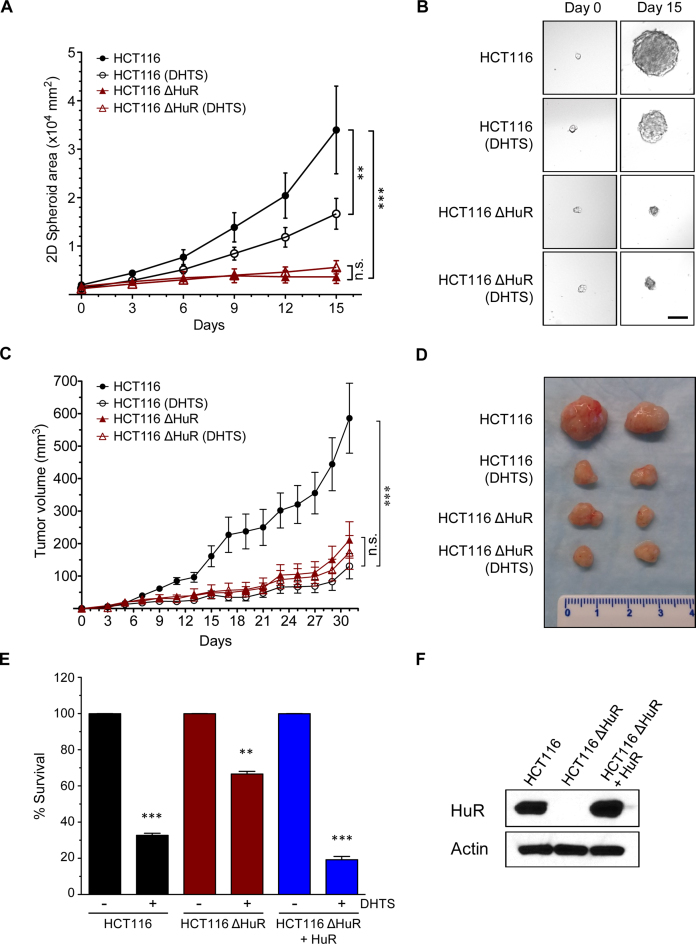
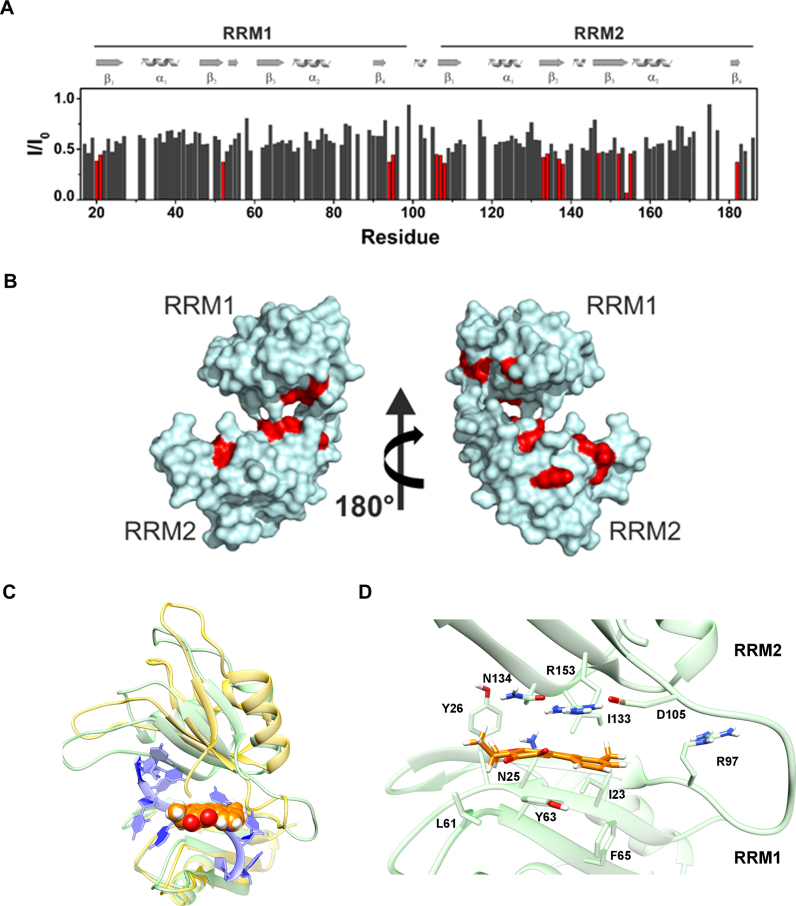
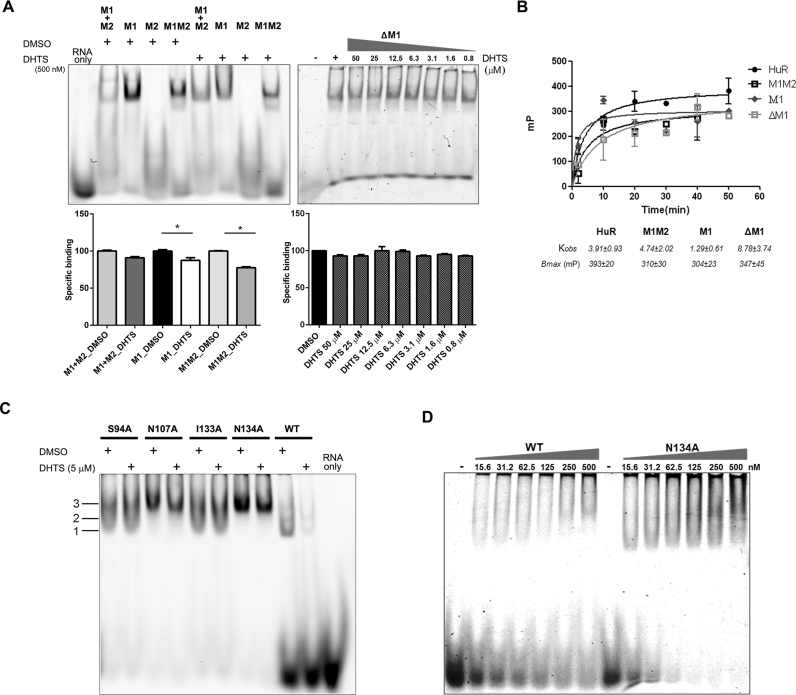
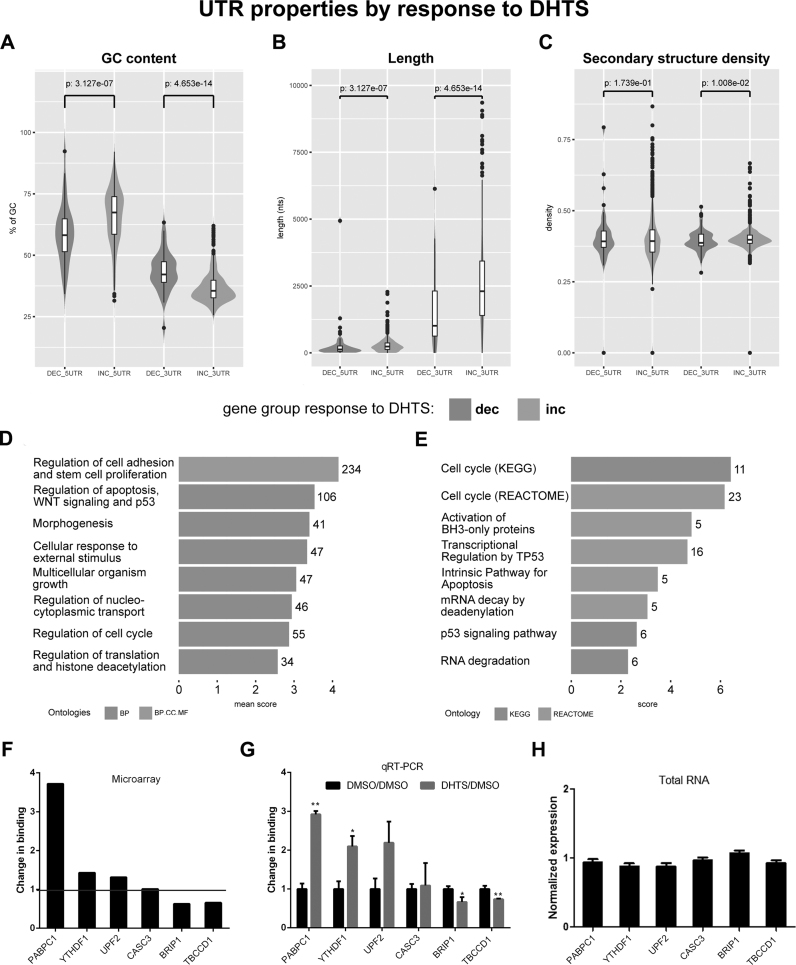
The Human antigen R protein (HuR) is an RNA-binding protein that recognizes U/AU-rich elements in diverse RNAs through two RNA-recognition motifs, RRM1 and RRM2, and post-transcriptionally regulates the fate of target RNAs. The natural product dihydrotanshinone-I (DHTS) prevents the association of HuR and target RNAs in vitro and in cultured cells by interfering with the binding of HuR to RNA. Here, we report the structural determinants of the interaction between DHTS and HuR and the impact of DHTS on HuR binding to target mRNAs transcriptome-wide. NMR titration and Molecular Dynamics simulation identified the residues within RRM1 and RRM2 responsible for the interaction between DHTS and HuR. RNA Electromobility Shifts and Alpha Screen Assays showed that DHTS interacts with HuR through the same binding regions as target RNAs, stabilizing HuR in a locked conformation that hampers RNA binding competitively. HuR ribonucleoprotein immunoprecipitation followed by microarray (RIP-chip) analysis showed that DHTS treatment of HeLa cells paradoxically enriched HuR binding to mRNAs with longer 3'UTR and with higher density of U/AU-rich elements, suggesting that DHTS inhibits the association of HuR to weaker target mRNAs. In vivo, DHTS potently inhibited xenograft tumor growth in a HuR-dependent model without systemic toxicity.
人抗原R蛋白(HuR)是一种RNA结合蛋白,它通过两个RNA识别基序RRM1和RRM2识别多种RNA中富含U/AU的元件,并在转录后调节靶RNA的命运。天然产物二氢丹参酮-I(DHTS)在体外和培养细胞中通过干扰HuR与RNA的结合来阻止HuR与靶RNA的结合。在此,我们报告了DHTS与HuR相互作用的结构决定因素以及DHTS对HuR在全转录组范围内与靶mRNA结合的影响。核磁共振滴定和分子动力学模拟确定了RRM1和RRM2中负责DHTS与HuR相互作用的残基。RNA电泳迁移率变动分析和Alpha筛选分析表明,DHTS通过与靶RNA相同的结合区域与HuR相互作用,使HuR稳定在一种锁定构象中,从而竞争性地阻碍RNA结合。HuR核糖核蛋白免疫沉淀后进行微阵列(RIP芯片)分析表明,用DHTS处理HeLa细胞反而使HuR与具有更长3'非翻译区和更高U/AU富集元件密度的mRNA的结合增加,这表明DHTS抑制HuR与较弱靶mRNA的结合。在体内,DHTS在不具有全身毒性的情况下,在依赖HuR的模型中有效抑制异种移植肿瘤的生长。