Department No.16, Plastic Surgery Hospital, Chinese Academy of Medical Sciences and Peking Union Medical College, 33 Ba Da Chu Road, Beijing, 100144, P.R. China.
International Medical Plastic and Cosmetic Centre, China Meitan General Hospital, 29 Xi Ba He Nan Li Road, Beijing, 100028, P.R. China.
Sci Rep. 2017 Oct 5;7(1):12707. doi: 10.1038/s41598-017-11880-z.
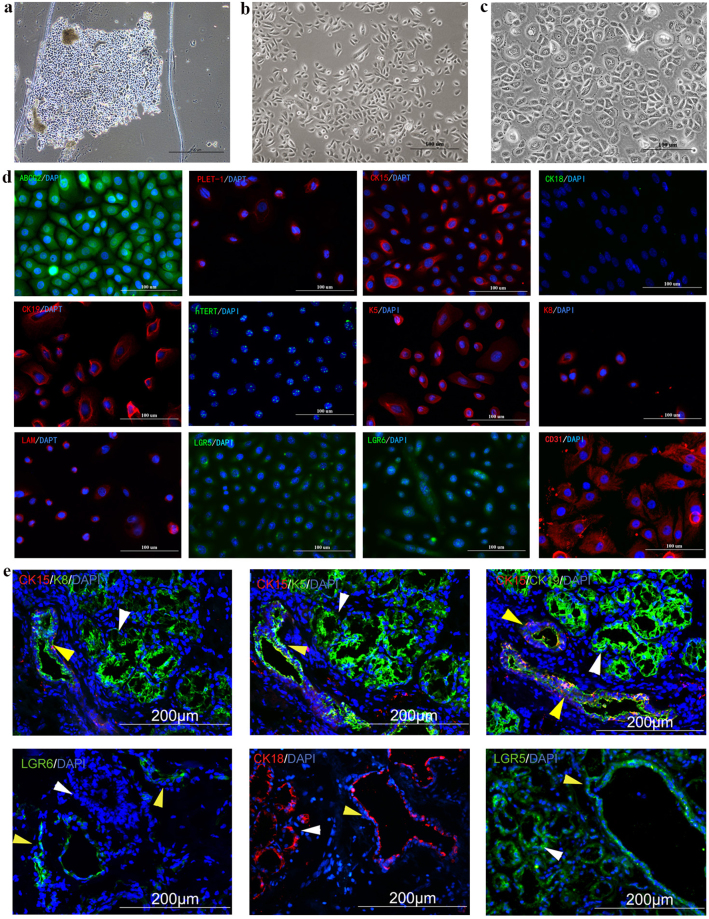
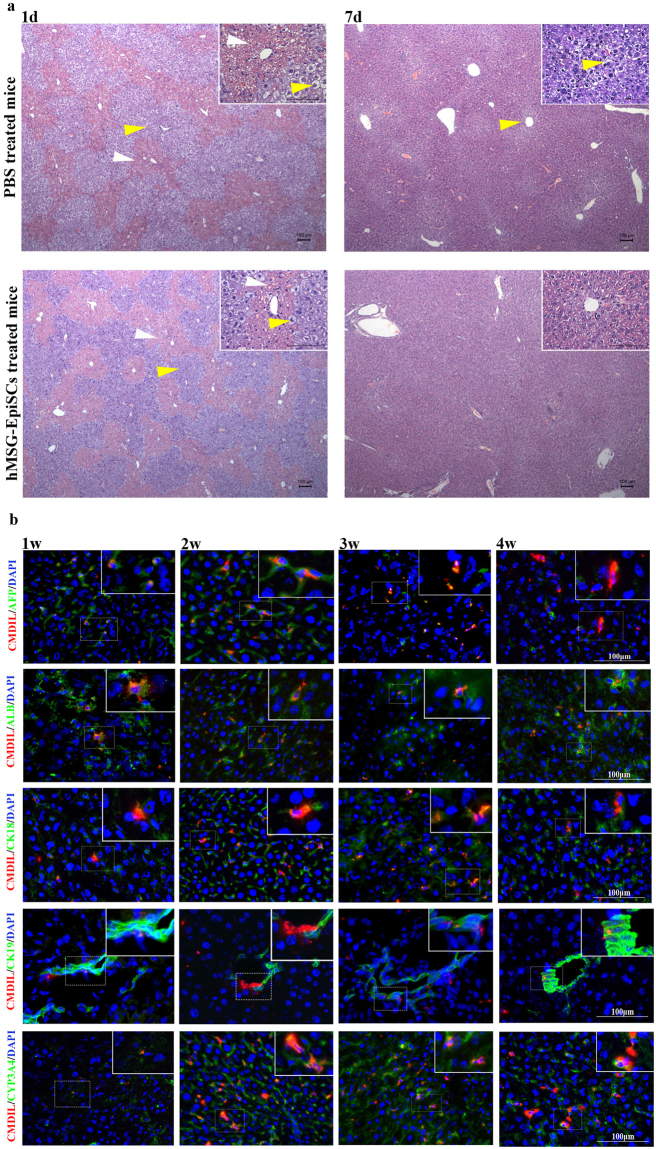
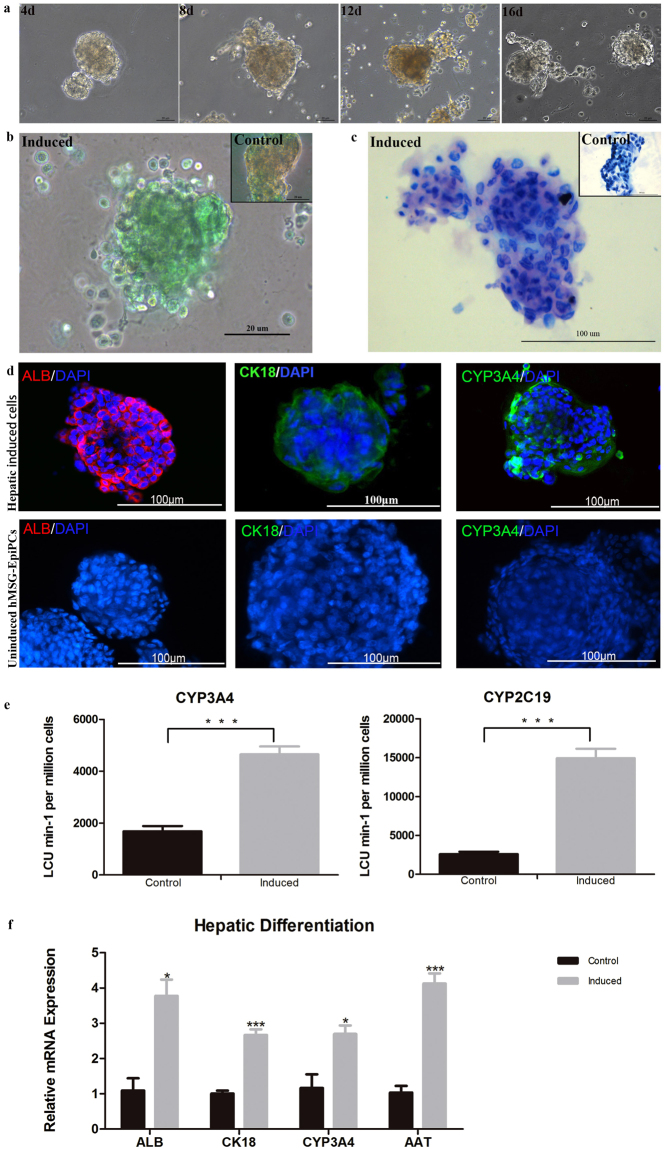
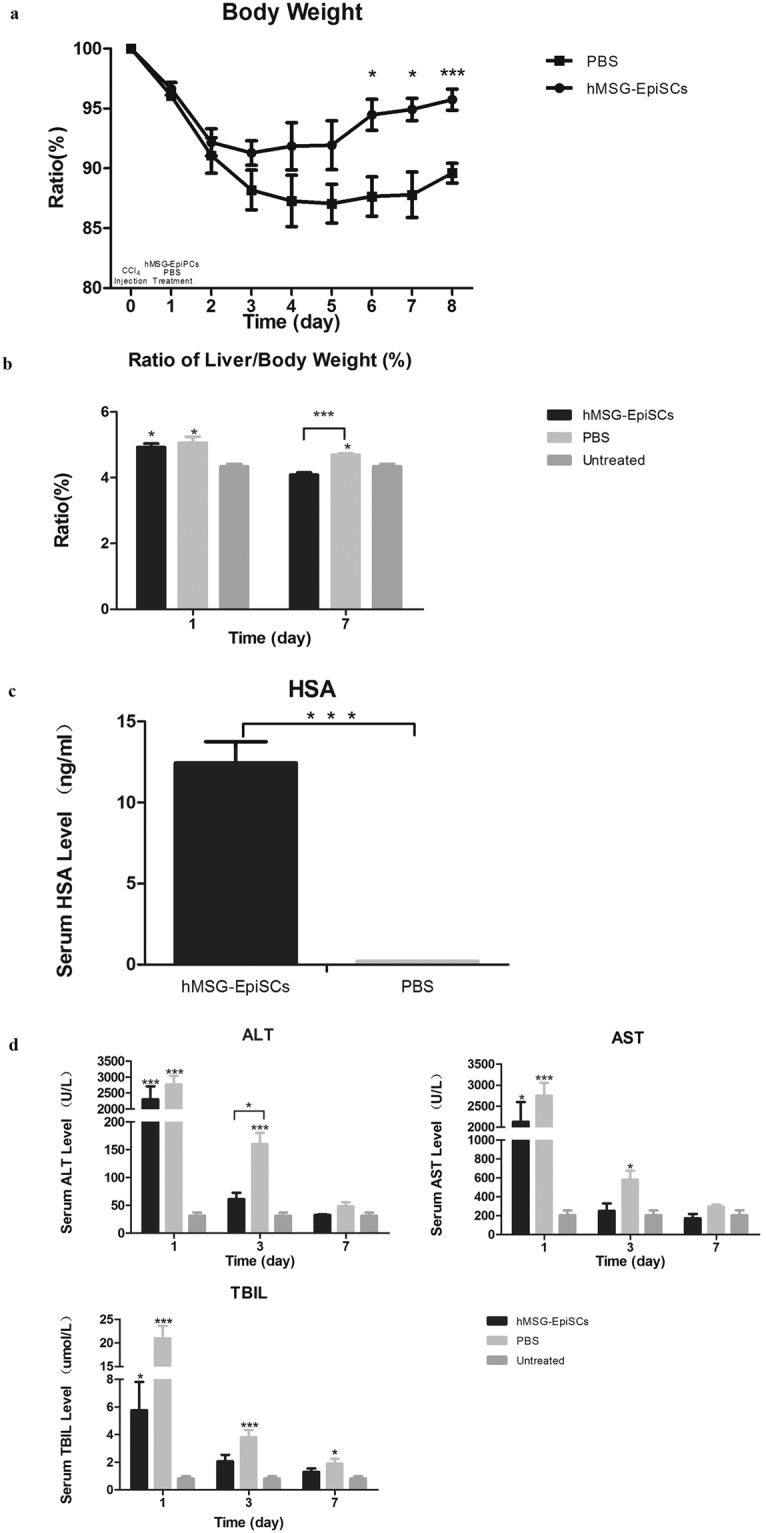
Liver disease is a serious problem affecting millions of people with continually increasing prevalence. Stem cell therapy has become a promising treatment for liver dysfunction. We previously reported on human minor salivary gland mesenchymal stem cells (hMSGMSCs), which are highly self-renewable with multi-potent differentiation capability. In this study, keratinocyte-like cells with self-regeneration and hepatic differentiation potential were isolated and characterized, and named human minor salivary gland epithelial progenitor cells (hMSG-EpiPCs). hMSG-EpiPCs were easily obtained via minor intraoral incision; they expressed epithelial progenitor/stem cell and other tissue stem cell markers such as CD29, CD49f, cytokeratins, ABCG2, PLET-1, salivary epithelial cell markers CD44 and CD166, and the Wnt target related gene LGR5 and LGR6. The cells were induced into functional hepatocytes in vitro which expressed liver-associated markers ALB, CYP3A4, AAT, and CK18. Upon transplantation in vivo, they ameliorated severe acute liver damage in SCID mice caused by carbon tetrachloride (CCl) injection. In a two-thirds partial hepatectomy mouse model, the transplanted cells survived at least 4 weeks and exhibited hepatic potential. These findings demonstrate that hMSG-EpiPCs have potential as a cellular therapy basis for hepatic diseases, physiological and toxicology studies and regenerative medicine.
肝脏疾病是一个严重的问题,影响着数以百万计的人,且其发病率不断上升。干细胞疗法已成为治疗肝功能障碍的一种有前途的方法。我们之前曾报道过人的小唾液腺间充质干细胞(hMSGMSCs),其具有高度自我更新和多能分化能力。在这项研究中,我们分离并鉴定了具有自我再生和肝分化潜力的角蛋白细胞,并将其命名为人类小唾液腺上皮祖细胞(hMSG-EpiPCs)。hMSG-EpiPCs 可以通过口腔内的小切口轻松获得;它们表达上皮祖细胞/干细胞和其他组织干细胞标志物,如 CD29、CD49f、细胞角蛋白、ABCG2、PLET-1、唾液上皮细胞标志物 CD44 和 CD166,以及 Wnt 靶相关基因 LGR5 和 LGR6。这些细胞在体外可被诱导分化为功能性肝细胞,表达肝脏相关标志物 ALB、CYP3A4、AAT 和 CK18。在体内移植后,它们可改善由四氯化碳(CCl)注射引起的 SCID 小鼠的严重急性肝损伤。在二分之三部分肝切除的小鼠模型中,移植的细胞至少存活 4 周,并表现出肝潜能。这些发现表明 hMSG-EpiPCs 有潜力成为肝脏疾病、生理和毒理学研究以及再生医学的细胞治疗基础。