Laboratório de Pesquisa em Malária, Instituto Oswaldo Cruz, Fundação Oswaldo Cruz (Fiocruz)Rio de Janeiro, Brazil.
Instituto de Ciência e Tecnologia em Biomodelos, FiocruzRio de Janeiro, Brazil.
Front Cell Infect Microbiol. 2017 Sep 21;7:408. doi: 10.3389/fcimb.2017.00408. eCollection 2017.
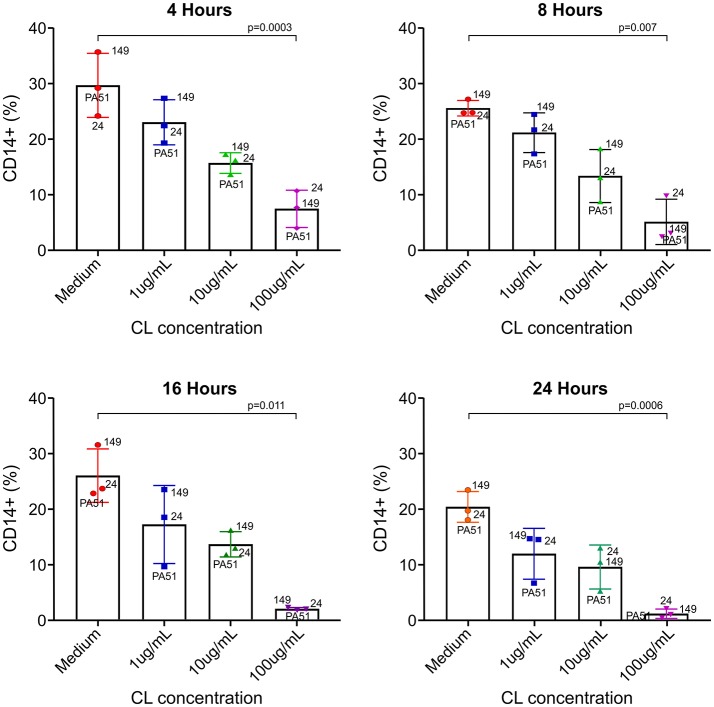
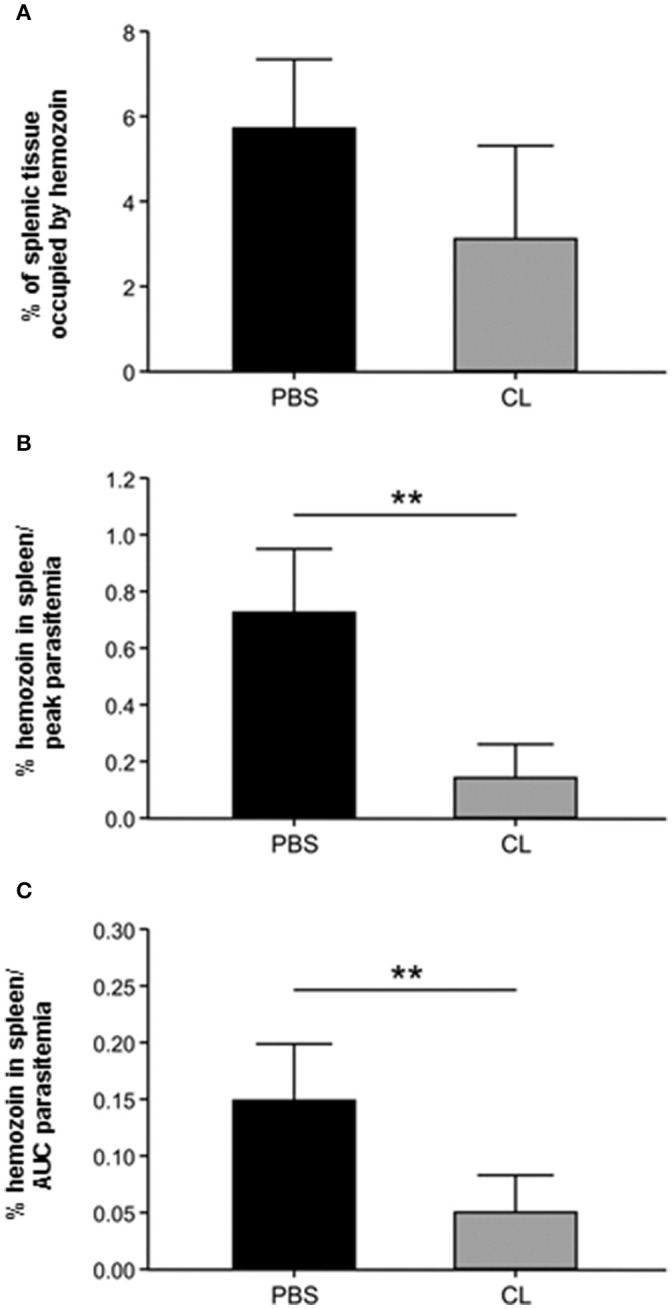
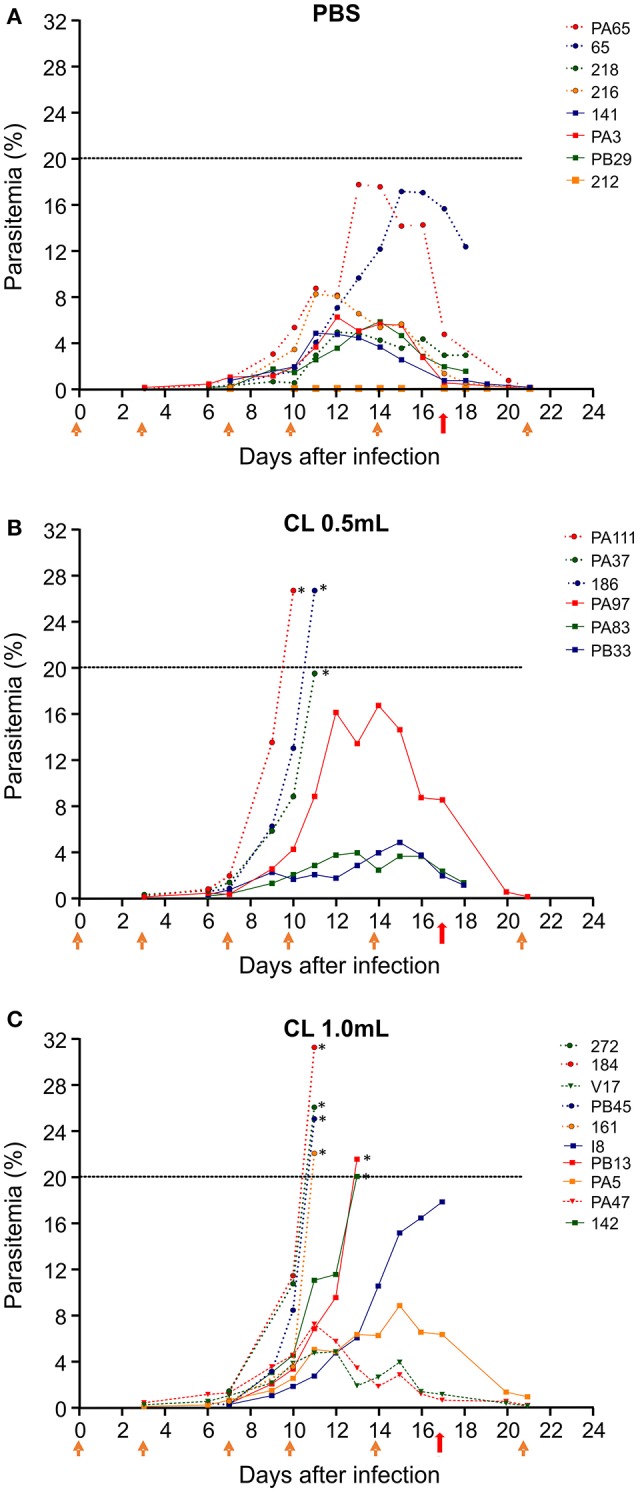
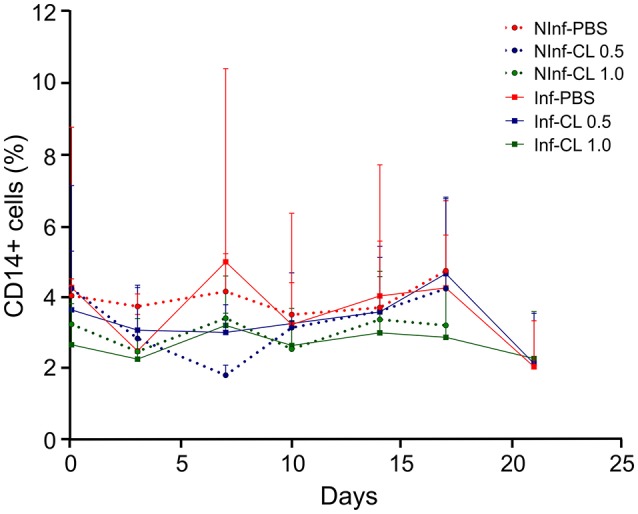
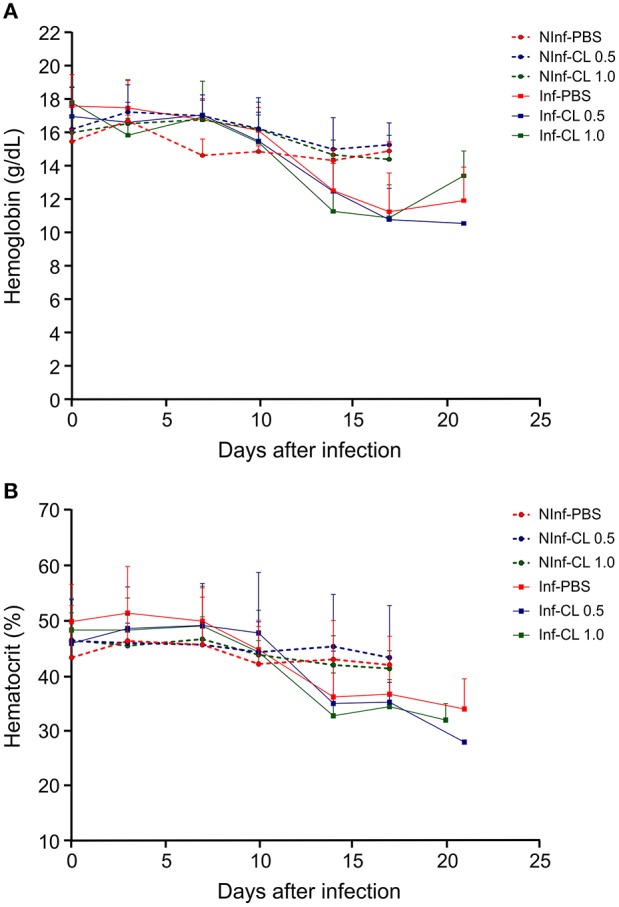
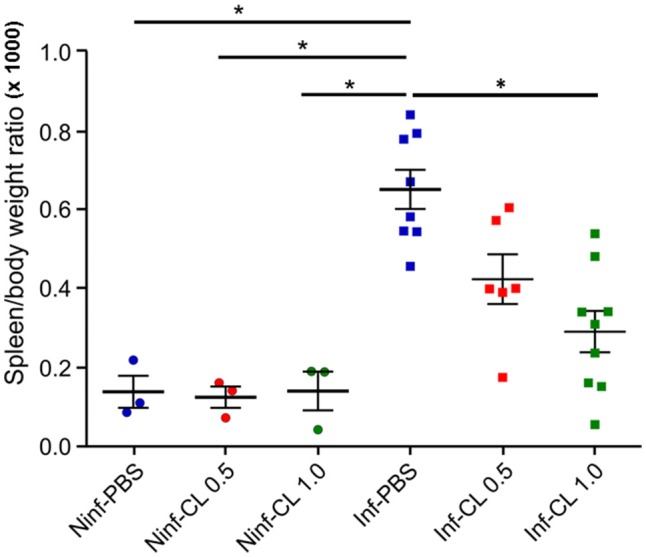
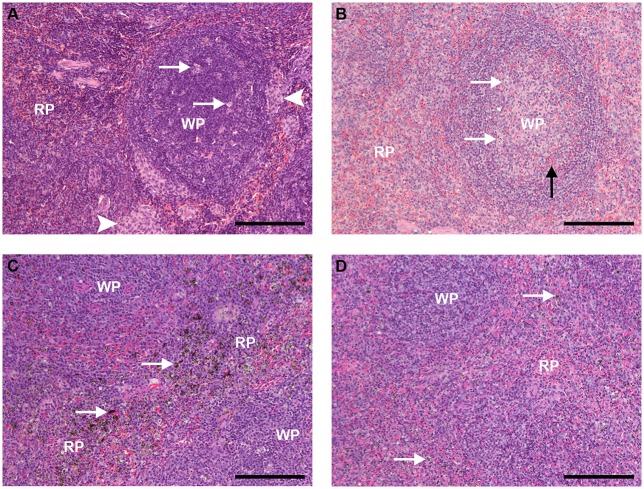
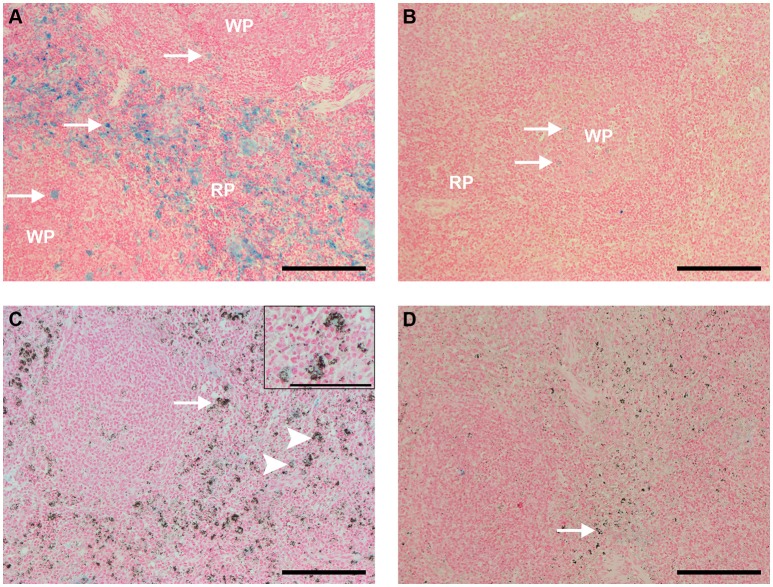
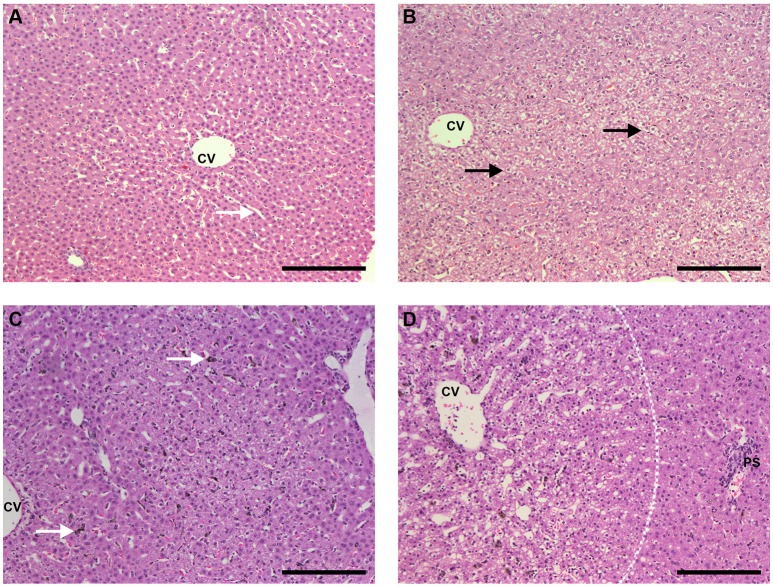
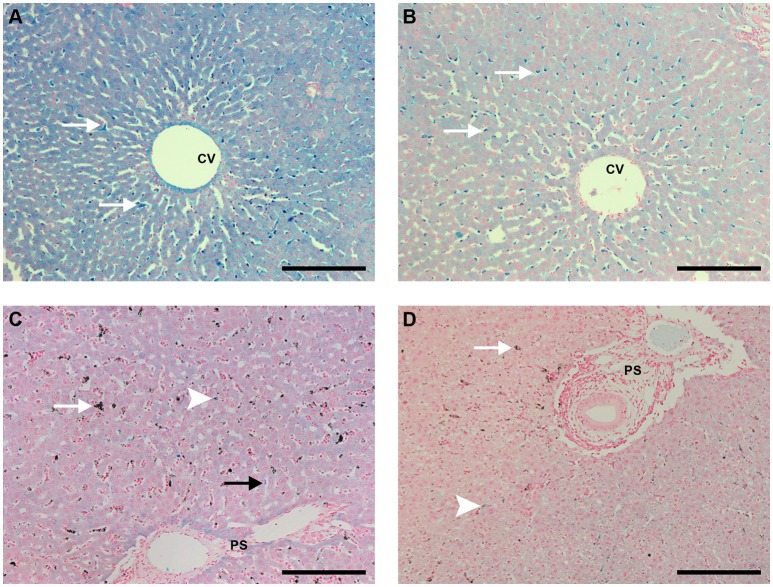
A major constraint in the study of malaria, including vaccine development, lies on the parasite's strict human host specificity and therefore the shortage of animal experimental models able to harbor human plasmodia. The best experimental models are neo-tropical primates of the genus Saimiri and Aotus, but they require splenectomy to reduce innate defenses for achieving high and consistent parasitemias, an important limitation. Clodronate-liposomes (CL) have been successfully used to deplete monocytes/macrophages in several experimental models. We investigated whether a reduction in the numbers of phagocytic cells by CL would improve the development of parasitemia in non-splenectomized monkeys. Depletion of splenocytes after incubation with CL was quantified using anti-CD14 antibodies and flow cytometry. Non-infected and -infected were injected intravenously twice a week with either CL at either 0.5 or 1 mL (5 mg/mL) or phosphate buffered saline (PBS). Animals were monitored during infection and treated with mefloquine. After treatment and euthanasia, spleen and liver were collected for histological analysis. CL depleted splenic monocyte/macrophage population in a dose- and time-dependent manner. , half of -infected treated with CL 0.5 mL, and two-thirds of those treated with CL 1 mL developed high parasitemias requiring mefloquine treatment, whereas all control animals were able to self-control parasitemia without the need for antimalarial treatment. CL-treated infected showed a marked decrease in the degree of splenomegaly despite higher parasitemias, compared to PBS-treated animals. Histological evidence of partial monocyte/macrophage depletion, decreased hemozoin phagocytosis and decreased iron recycling was observed in both the spleen and liver of CL-treated infected . CL is capable of promoting higher parasitemia in -infected , associated with evidence of partial macrophage depletion in the spleen and liver. Macrophage depletion by CL is therefore a practical and viable alternative to surgical splenectomy in this experimental model.
疟疾研究的一个主要限制因素在于寄生虫对人类宿主的严格特异性,因此缺乏能够容纳人类疟原虫的动物实验模型。最好的实验模型是新热带灵长类动物 Saimiri 和 Aotus,但它们需要脾切除术来降低先天防御以实现高而稳定的寄生虫血症,这是一个重要的限制。氯膦酸盐脂质体(CL)已成功用于几种实验模型中清除单核细胞/巨噬细胞。我们研究了 CL 减少吞噬细胞数量是否会改善非脾切除猴的寄生虫血症发展。用 CL 孵育后,用抗 CD14 抗体和流式细胞术定量测定脾细胞的耗竭情况。用 CL (0.5 或 1 mL[5 mg/mL]或磷酸盐缓冲盐水(PBS))每周两次静脉注射非感染和感染动物。在感染期间监测动物并给予甲氟喹治疗。治疗和安乐死后,收集脾和肝进行组织学分析。CL 以剂量和时间依赖的方式耗竭脾单核细胞/巨噬细胞群体。感染后 2 周,一半接受 CL 0.5 mL 治疗的感染动物和三分之二接受 CL 1 mL 治疗的动物发展为需要甲氟喹治疗的高寄生虫血症,而所有对照动物能够自行控制寄生虫血症而无需抗疟治疗。与 PBS 处理的动物相比,CL 处理的感染动物尽管寄生虫血症较高,但脾肿大程度明显降低。在 CL 处理的感染动物的脾和肝中观察到部分单核细胞/巨噬细胞耗竭、血红素吞噬减少和铁再循环减少的组织学证据。CL 能够在感染的动物中促进更高的寄生虫血症,与脾和肝中部分巨噬细胞耗竭的证据相关。因此,在这种实验模型中,CL 诱导的巨噬细胞耗竭是脾切除术的一种实用且可行的替代方法。