U.S. Environmental Protection Agency, Office of Research and Development, National Health and Environmental Effects Research Laboratory, Integrated Systems Toxicology Division, Research Triangle Park, North Carolina.
Birth Defects Res. 2018 Jan 15;110(1):35-47. doi: 10.1002/bdr2.1114. Epub 2017 Oct 9.
ATP binding cassette sub-family member 2 (ABCG2) is a well-defined efflux transporter found in a variety of tissues. The role of ABCG2 during early embryonic development, however, is not established. Previous work which compared data from the ToxCast screening program with that from in-house studies suggested an association exists between exposure to xenobiotics that regulate Abcg2 transcription and differentiation of mouse embryonic stem cells (mESC), a relationship potentially related to redox homeostasis.
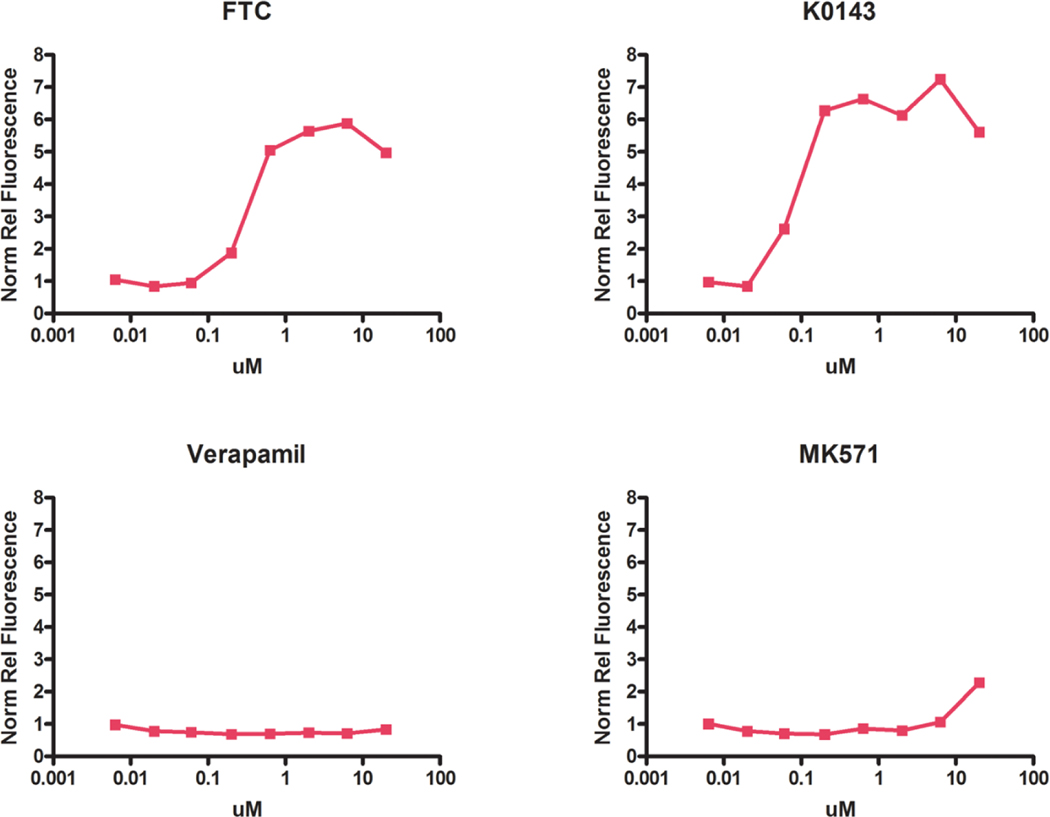
mESC were grown for up to 9 days. Pharmacological inhibitors were used to assess transporter function with and without xenobiotic exposure. Proliferation and differentiation were evaluated using RedDot1 and quantiative reverse transcriptase-polymerase chain reaction, respectively. ABCG2 activity was assessed using a Pheophorbide a-based fluorescent assay. Protein expression was measured by capillary-based immunoassay.
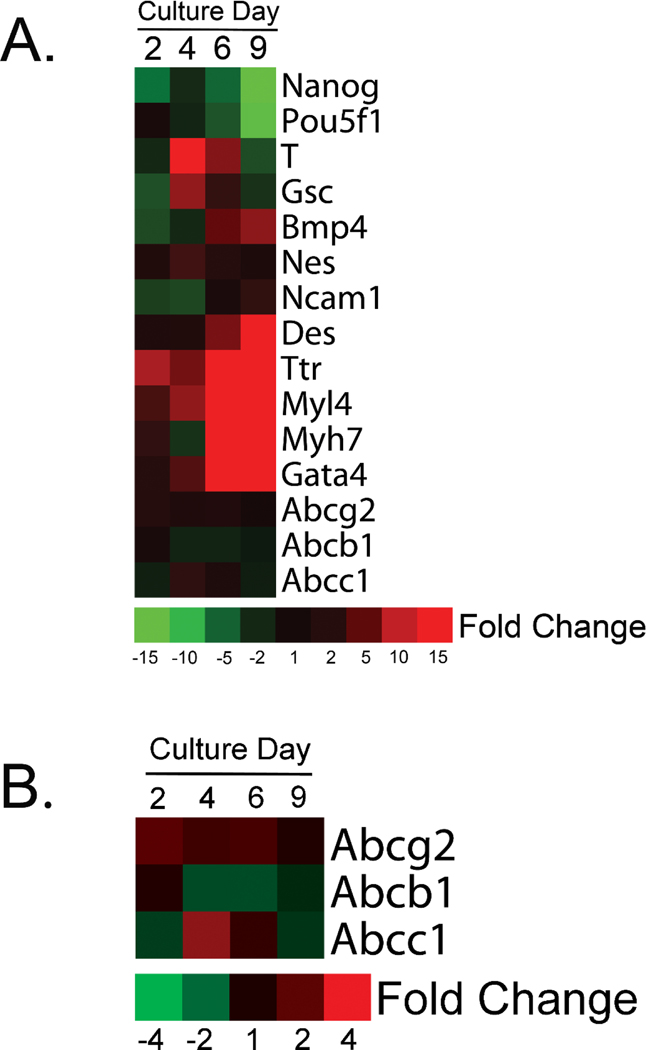
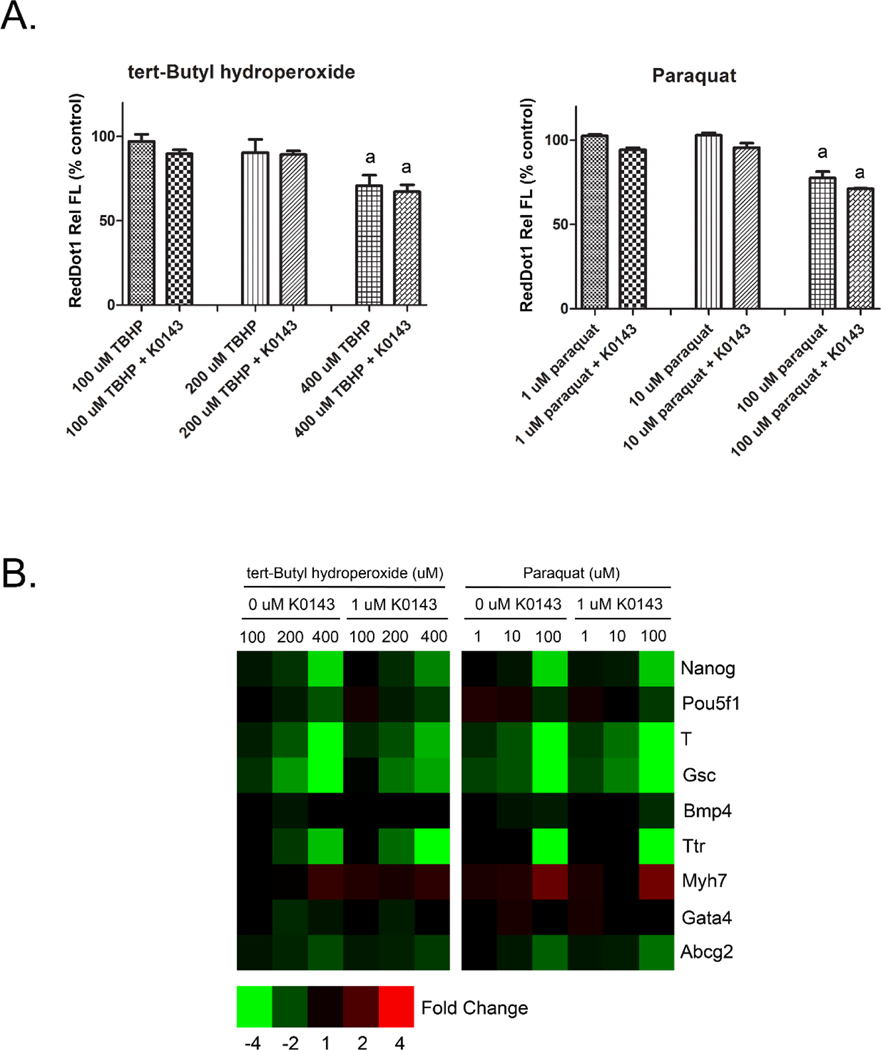
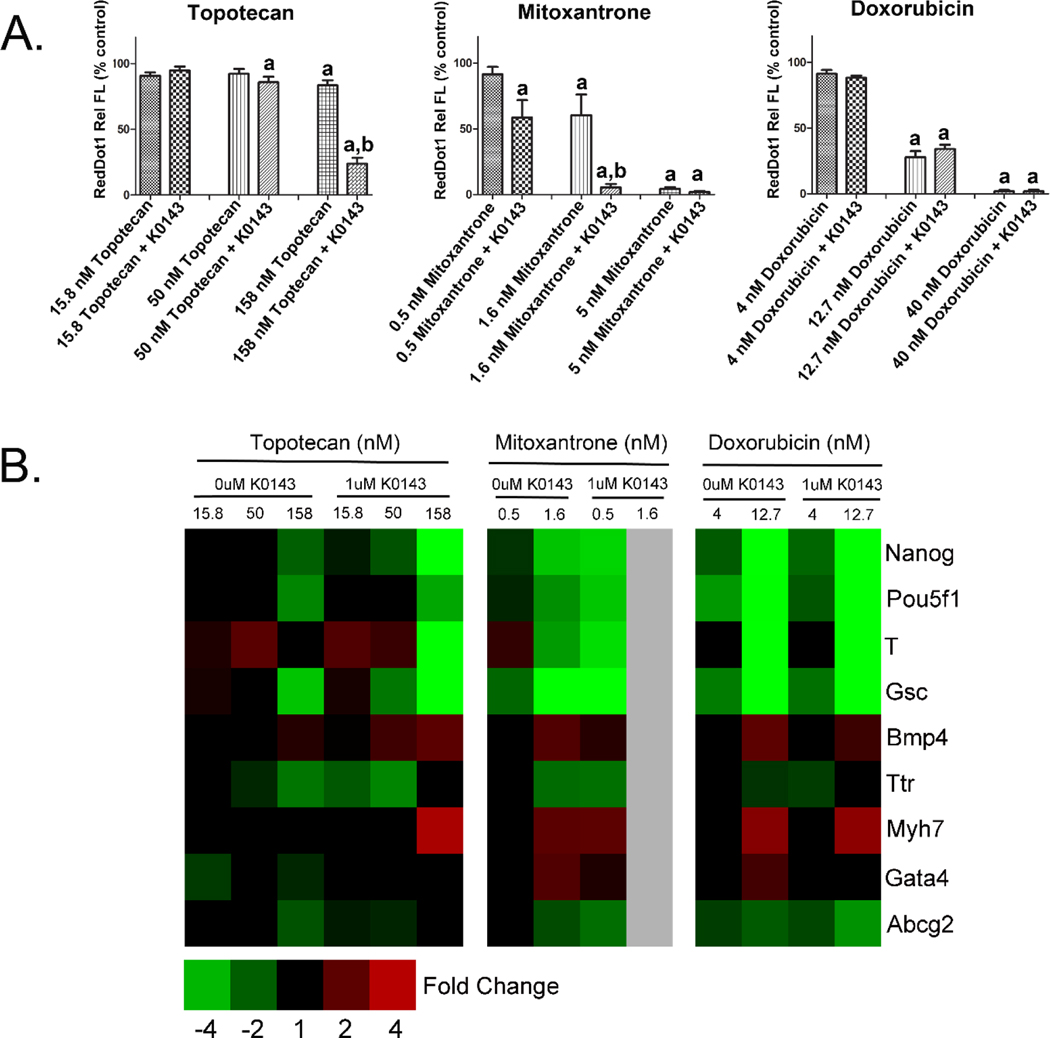
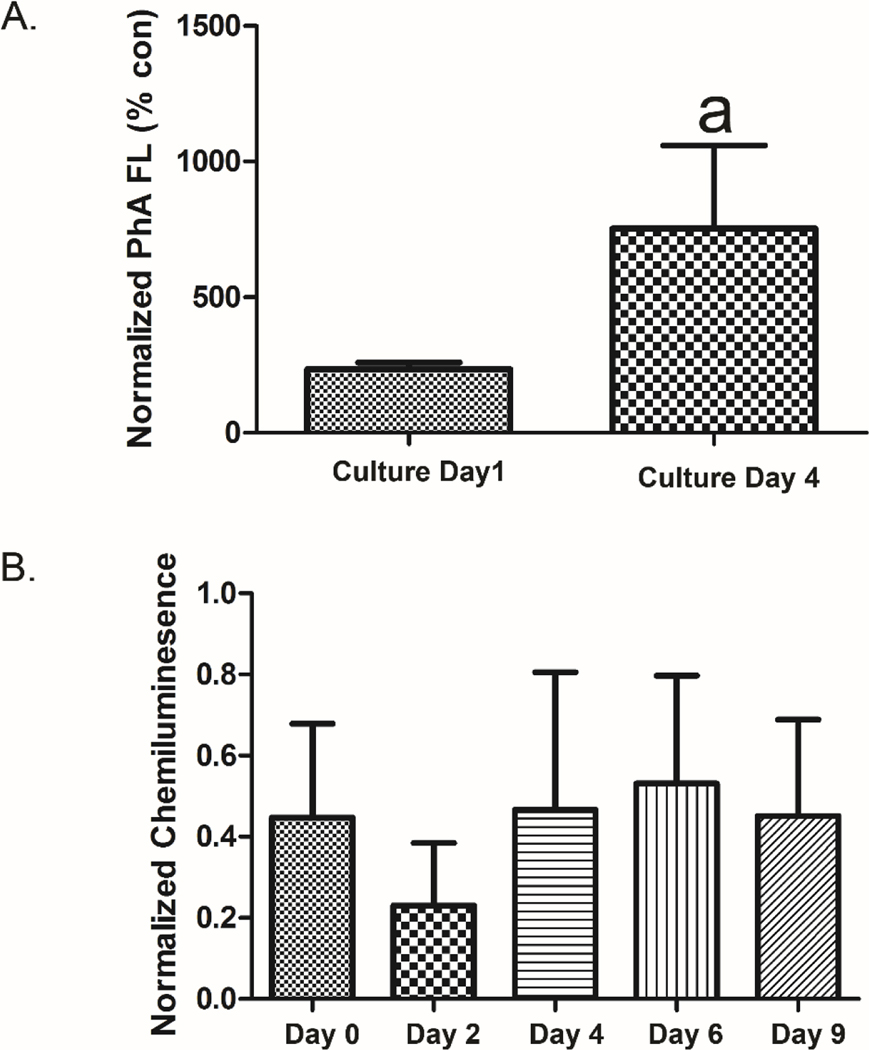
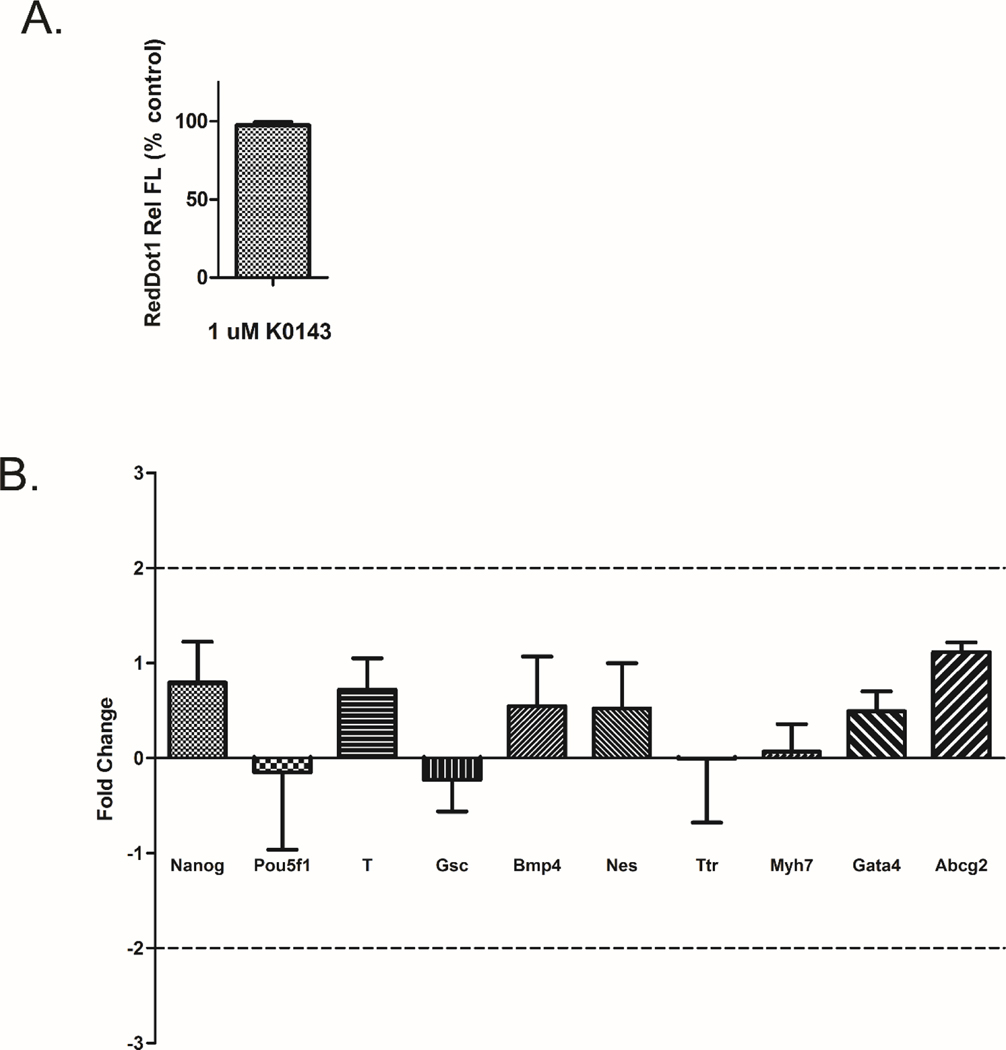
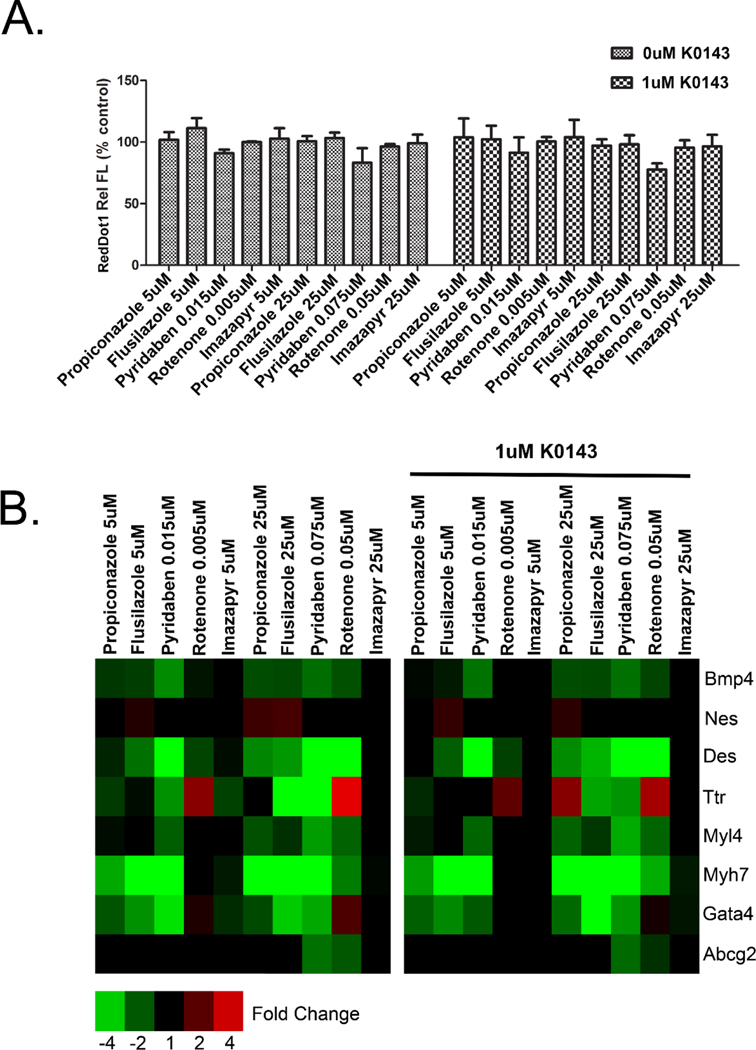
ABCG2 activity increased in differentiating mESC. Treatment with K0143, an inhibitor of ABCG2, had no effect on proliferation or differentiation. As expected, mitoxantrone and topotecan, two chemotherapeutics, displayed increased toxicity in the presence of K0143. Exposure to K0143 in combination with chemicals predicted by ToxCast to regulate ABCG2 expression did not alter xenobiotic-induced toxicity. Moreover, inhibition of ABCG2 did not shift the toxicity of either tert-Butyl hydroperoxide or paraquat, two oxidative stressors.
As previously reported, ABCG2 serves a protective role in mESC. The role of ABCG2 in regulating redox status, however, was unclear. The hypothesis that ABCG2 plays a fundamental role during mESC differentiation or that regulation of the receptor by xenobiotics may be associated with altered mESC differentiation could not be supported. Birth Defects Research, 110:35-47, 2018. Published 2017. This article is a U.S. Government work and is in the public domain in the USA.
三磷酸腺苷结合盒亚家族成员 2(ABCG2)是一种在多种组织中发现的明确的外排转运蛋白。然而,ABCG2 在早期胚胎发育中的作用尚未确定。先前的工作将 ToxCast 筛选计划的数据与内部研究的数据进行了比较,结果表明,暴露于调节 Abcg2 转录的外源性化合物与小鼠胚胎干细胞(mESC)的分化之间存在关联,这种关系可能与氧化还原平衡有关。
将 mESC 培养长达 9 天。使用药理学抑制剂在有无外源性化合物暴露的情况下评估转运蛋白的功能。使用 RedDot1 和定量逆转录聚合酶链反应分别评估增殖和分化。使用 Pheophorbide a 荧光测定法评估 ABCG2 活性。通过基于毛细管的免疫测定法测量蛋白质表达。
在分化的 mESC 中,ABCG2 活性增加。用 ABCG2 抑制剂 K0143 处理对增殖或分化没有影响。如预期的那样,米托蒽醌和拓扑替康两种化疗药物在 K0143 存在时显示出增加的毒性。用 ToxCast 预测调节 ABCG2 表达的化学物质与 K0143 联合暴露,不会改变外源性化合物诱导的毒性。此外,抑制 ABCG2 不会改变 tert-Butyl hydroperoxide 或 paraquat 的毒性,这两种都是氧化应激源。
正如先前报道的那样,ABCG2 在 mESC 中发挥保护作用。然而,ABCG2 在调节氧化还原状态中的作用尚不清楚。ABCG2 在 mESC 分化中发挥基本作用的假设,或者外源性化合物对受体的调节可能与 mESC 分化的改变有关,这一假设无法得到支持。出生缺陷研究,110:35-47,2018。2017 年出版。本文是美国政府的作品,在美国属于公有领域。