You Jing, Shi Xiaoyan, Liang Huimin, Ye Juan, Wang Lupeng, Han Huanxiao, Fang Hongyu, Kang Wenyi, Wang Tianxiao
College of Pharmacy, Henan University, Kaifeng 475004, Henan Province, China.
Huaihe Hospital, Henan University, Kaifeng 475000, Henan Province, China.
Oncotarget. 2017 Aug 7;8(39):65677-65686. doi: 10.18632/oncotarget.20057. eCollection 2017 Sep 12.
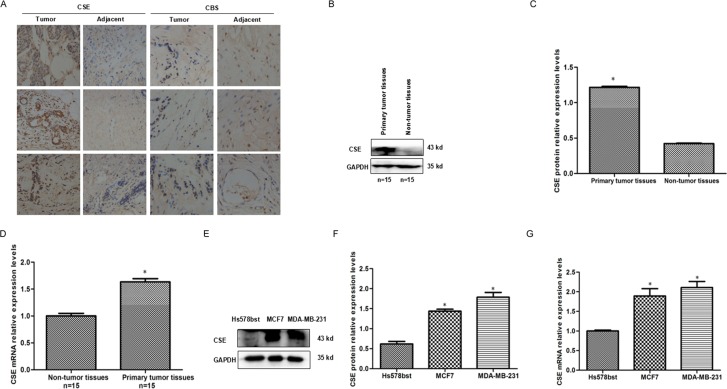
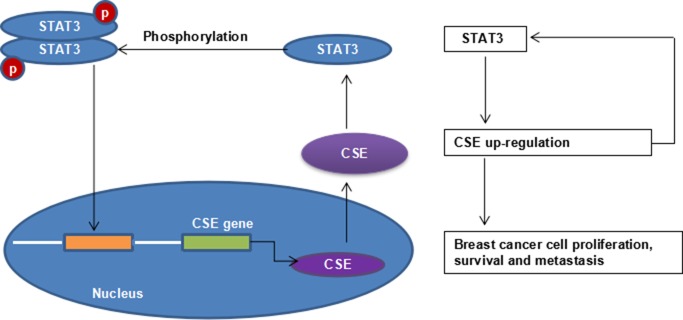
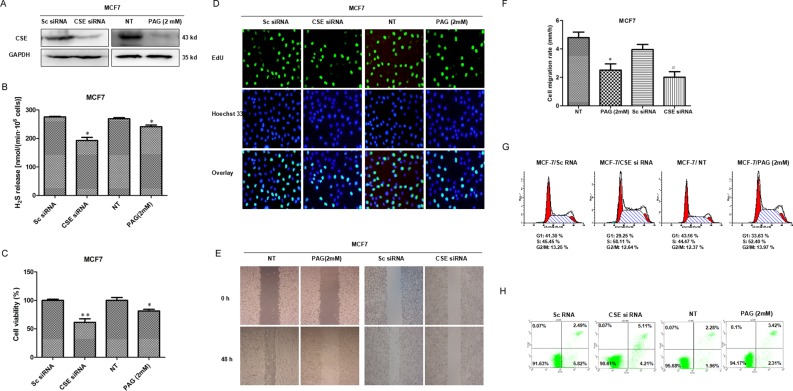
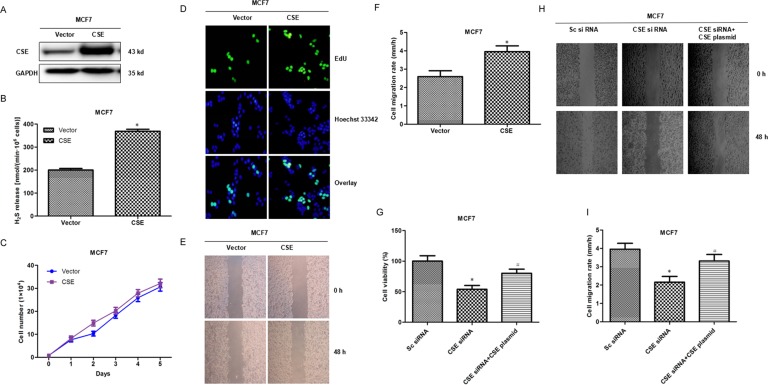
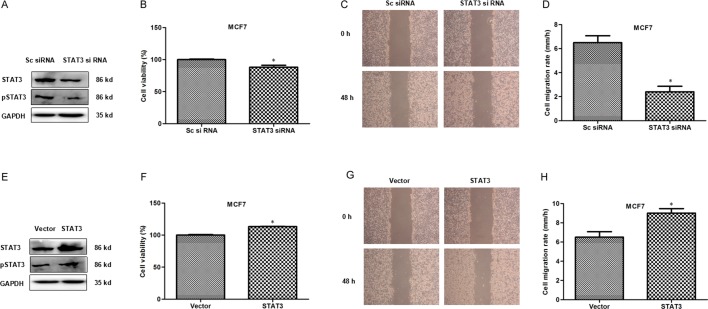
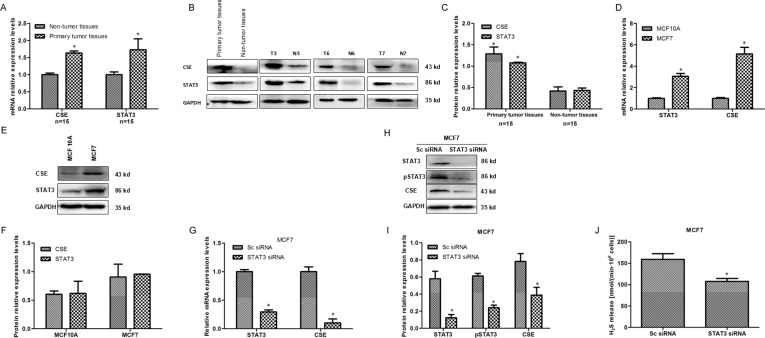
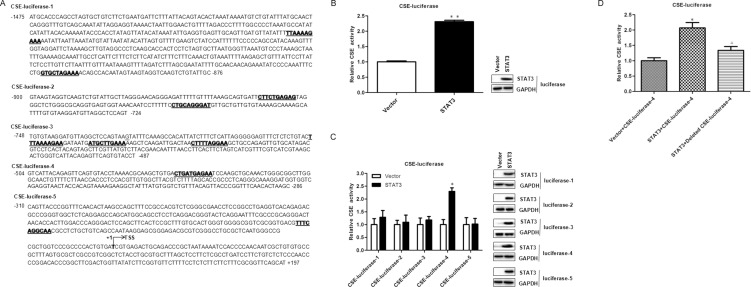
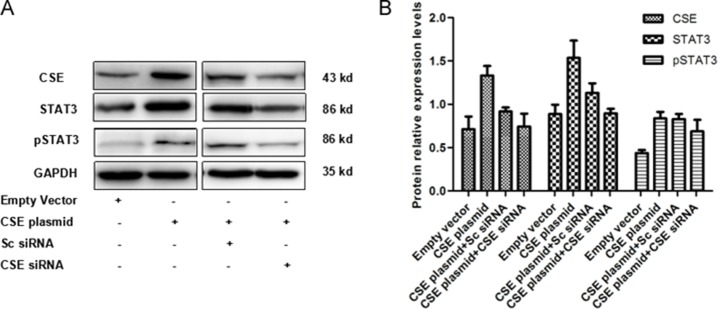
Here we provide evidences to link cystathionine-γ-lyase (CSE) to the development of breast cancer. CSE expression is up-regulated in both breast cancers and breast cancer cell lines and results in proliferation and migration of breast cancer cells. CSE Function in breast cancer depends on the STAT3 signaling pathway, a regulator of critical cell functions including cell growth in a wide variety of human cancer cells via activating the expression of relative genes. STAT3 positively relates to CSE expression. It activates the CSE promoter via a direct binding to the promoter. Moreover, CSE could reversely regulate STAT3 expression and consequently enhance the effect of STAT3 on CSE. Taken together, these data demonstrate for the first time the roles of CSE in breast cancer leading to breast cancer development in association with STAT3 signaling pathway.
在此,我们提供证据表明胱硫醚-γ-裂解酶(CSE)与乳腺癌的发生发展有关。CSE在乳腺癌组织和乳腺癌细胞系中均呈上调表达,并导致乳腺癌细胞增殖和迁移。CSE在乳腺癌中的功能依赖于STAT3信号通路,STAT3是一种关键细胞功能的调节因子,可通过激活相关基因的表达在多种人类癌细胞中调控细胞生长。STAT3与CSE表达呈正相关。它通过直接结合启动子来激活CSE启动子。此外,CSE可反向调节STAT3的表达,从而增强STAT3对CSE的作用。综上所述,这些数据首次证明了CSE在乳腺癌发生发展过程中与STAT3信号通路相关的作用。