Nakamura Mashio, Yamada Norikazu, Ito Masaaki
Department of Cardiology and Nephrology, Mie University Graduate School of Medicine, Tsu, Mie, Japan.
Ann Vasc Dis. 2017 Jun 25;10(2):92-98. doi: 10.3400/avd.ra.17-00015.
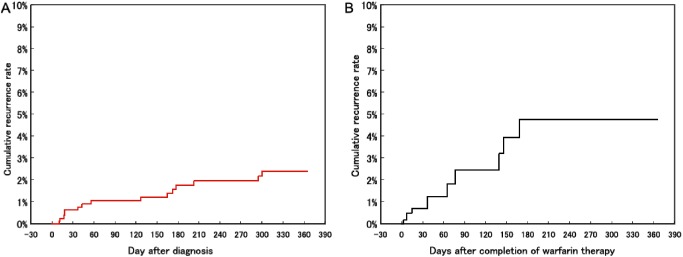
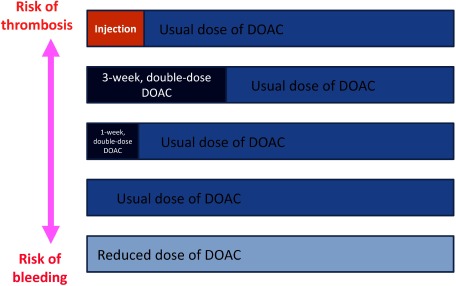
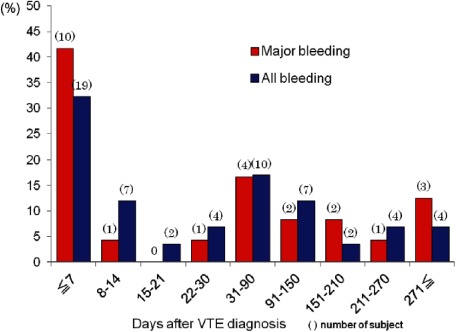
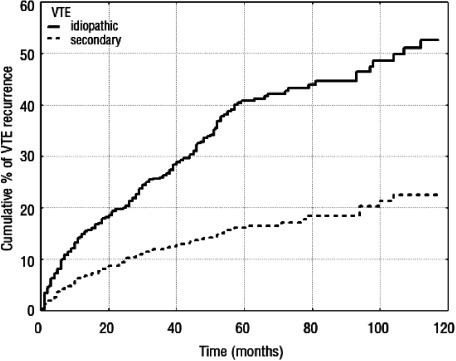
The first-line treatment of venous thromboembolisms (VTE) is anticoagulant therapy, and unfractionated heparin and warfarin are used in Japan. However, as both drugs require dosage adjustments that are difficult, VTE recurrences occur relatively frequently, and hemorrhagic complications are extremely common. The parenteral factor Xa inhibitor fondaparinux and the direct oral anticoagulants (DOACs) edoxaban, rivaroxaban, and apixaban have recently become available as treatments for VTE in Japan. These novel anticoagulants have more stable effects than traditional therapies and are thus considered safer and more effective than the traditional agents. Especially, DOACs offer improved long-term prevention of recurrence in patients with unprovoked VTE. The initiation of DOAC monotherapy soon after VTE onset leads to shorter hospital stays than required with the older therapies and allows for outpatient treatment. DOACs have additional benefits, such as safer anticoagulant therapy for cancer patients. These novel anticoagulants are extremely promising, but there is a current lack of evidence in areas such as dosing regimens for highly vulnerable patients and dosing for long-term use, and alternative regimens for each DOAC.
静脉血栓栓塞症(VTE)的一线治疗方法是抗凝治疗,在日本使用的是普通肝素和华法林。然而,由于这两种药物都需要进行难以操作的剂量调整,VTE复发相对频繁,且出血并发症极为常见。肠胃外因子Xa抑制剂磺达肝癸钠以及直接口服抗凝剂(DOACs)依度沙班、利伐沙班和阿哌沙班最近在日本已作为VTE的治疗药物上市。这些新型抗凝剂比传统疗法效果更稳定,因此被认为比传统药物更安全、更有效。特别是,DOACs能更好地长期预防不明原因VTE患者的复发。VTE发病后不久开始DOAC单药治疗,与旧疗法相比住院时间更短,且允许门诊治疗。DOACs还有其他益处,比如对癌症患者而言是更安全的抗凝治疗。这些新型抗凝剂前景广阔,但目前在一些领域缺乏证据,如高危患者的给药方案、长期使用的剂量以及每种DOAC的替代方案。