Ohuchi Hideo
Departments of Pediatric Cardiology and Adult Congenital Heart Disease, National Cerebral and Cardiovascular Center, Suita, Japan.
Korean Circ J. 2017 Nov;47(6):842-857. doi: 10.4070/kcj.2017.0105. Epub 2017 Sep 18.
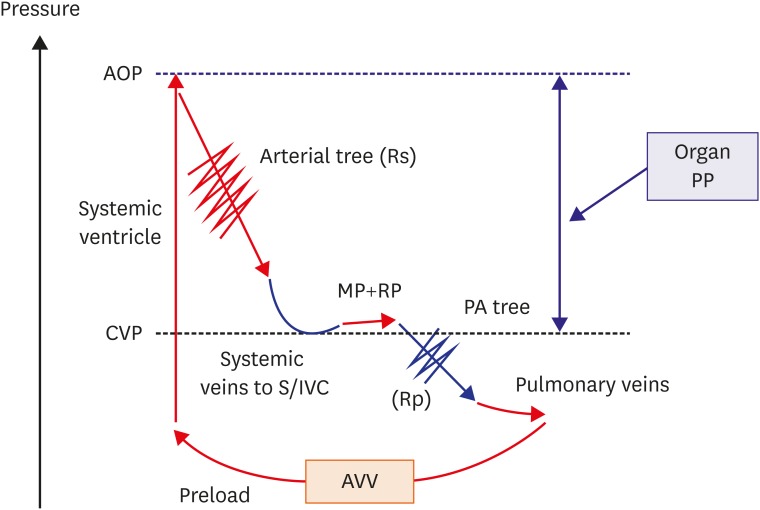
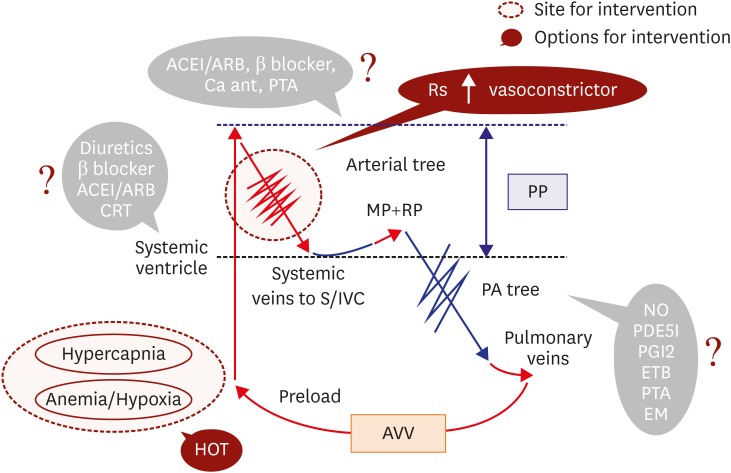
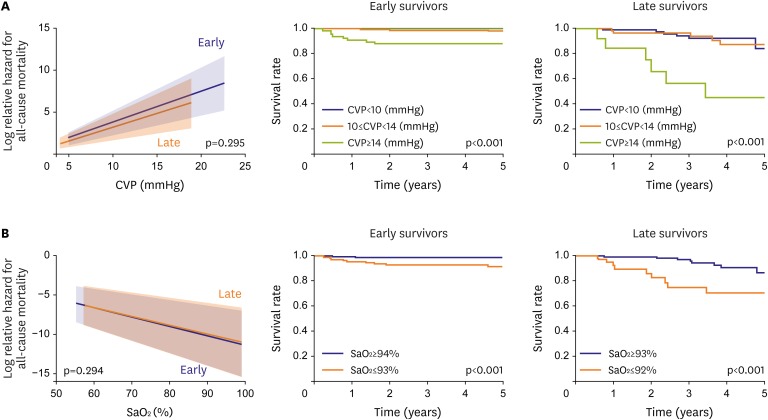
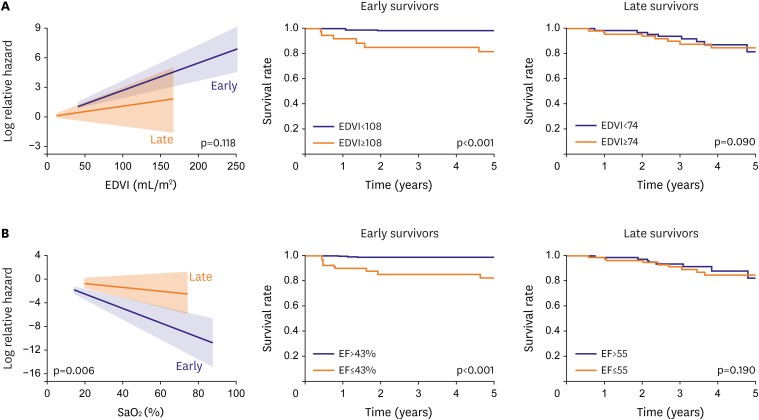
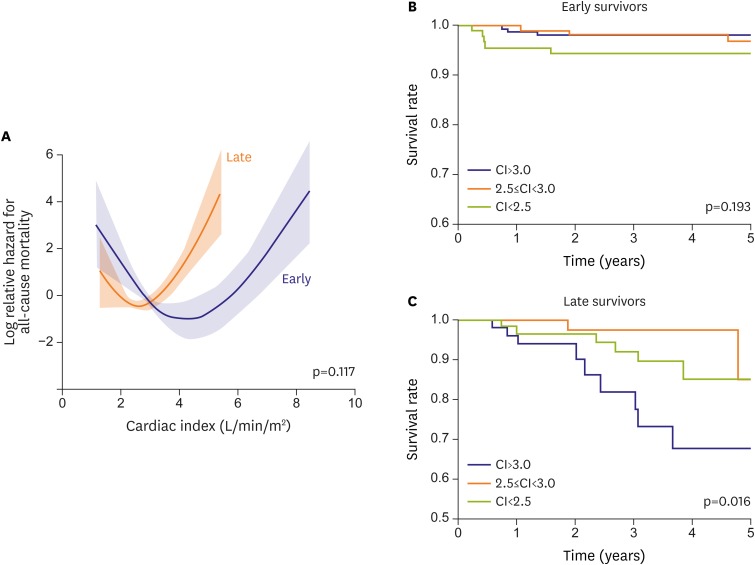
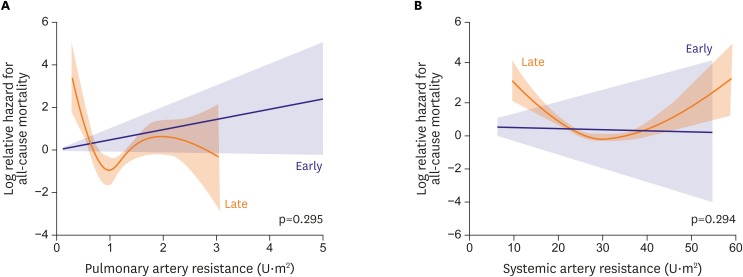
Fontan circulation is generally characterized by high central venous pressure, low cardiac output, and slightly low arterial oxygen saturation, and it is quite different from normal biventricular physiology. Therefore, when a patient with congenital heart disease is selected as a candidate for this type of circulation, the ultimate goals of therapy consist of 2 components. One is a smooth adjustment to the new circulation, and the other is long-term circulatory stabilization after adjustment. When either of these goals is not achieved, the patient is categorized as having "failed" Fontan circulation, and the prognosis is dismal. For the first goal of smooth adjustment, a lot of effort has been made to establish criteria for patient selection and intensive management immediately after the Fontan operation. For the second goal of long-term circulatory stabilization, there is limited evidence of successful strategies for long-term hemodynamic stabilization. Furthermore, there have been no data on optimal hemodynamics in Fontan circulation that could be used as a reference for patient management. Although small clinical trials and case reports are available, the results cannot be generalized to the majority of Fontan survivors. We recently reported the clinical and hemodynamic characteristics of early and late failing Fontan survivors and their association with all-cause mortality. This knowledge could provide insight into the complex Fontan pathophysiology and might help establish a management strategy for long-term hemodynamic stabilization.
Fontan循环通常具有中心静脉压高、心输出量低和动脉血氧饱和度略低的特点,与正常的双心室生理状况有很大不同。因此,当选择先天性心脏病患者作为这种循环类型的候选者时,治疗的最终目标包括两个方面。一个是顺利适应新的循环,另一个是适应后长期的循环稳定。当这些目标中的任何一个未实现时,患者就被归类为Fontan循环“失败”,预后很差。对于顺利适应这第一个目标,已经做出了很多努力来制定患者选择标准以及在Fontan手术后立即进行强化管理。对于长期循环稳定这第二个目标,关于长期血流动力学稳定成功策略的证据有限。此外,尚无关于Fontan循环最佳血流动力学的数据可作为患者管理的参考。虽然有小型临床试验和病例报告,但结果不能推广到大多数Fontan幸存者。我们最近报告了早期和晚期Fontan循环失败幸存者的临床和血流动力学特征及其与全因死亡率的关联。这些知识可以深入了解复杂的Fontan病理生理学,并可能有助于制定长期血流动力学稳定的管理策略。