School of Life Sciences, University of Warwick, Coventry CV4 7AL, UK.
Tun Abdul Razak Research Centre, Brickendonbury, Hertford SG13 8NL, UK.
J Exp Bot. 2017 Nov 2;68(18):5045-5055. doi: 10.1093/jxb/erx331.
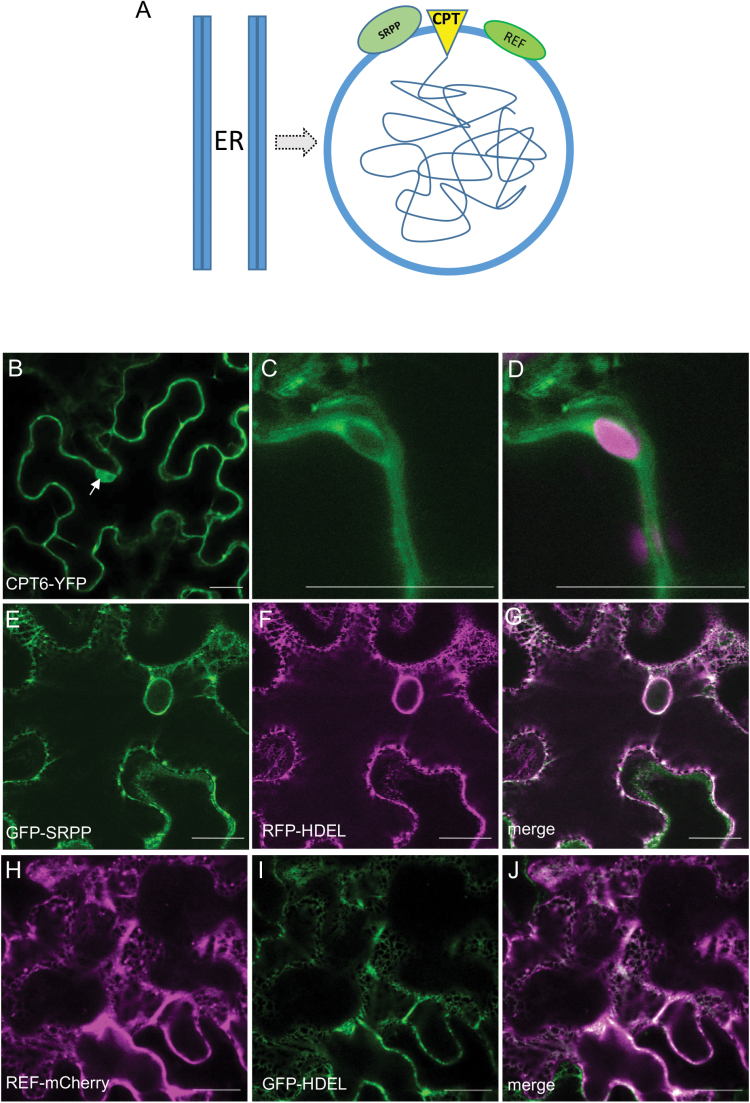
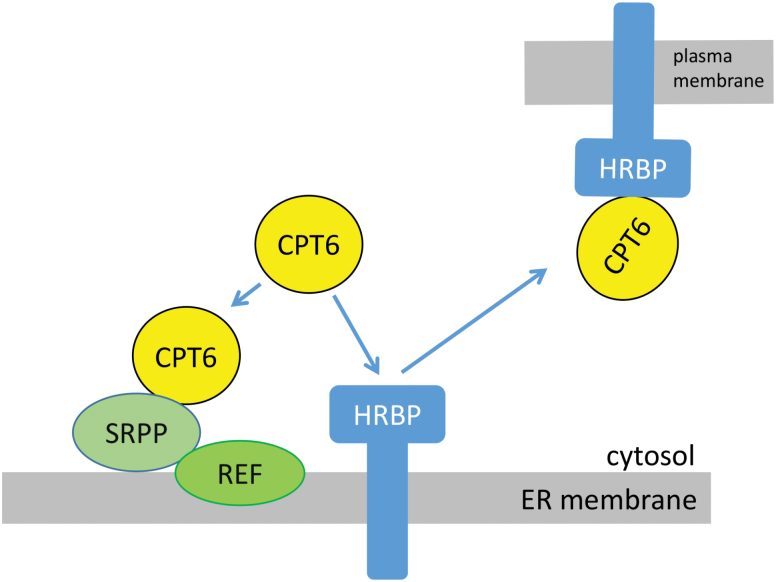
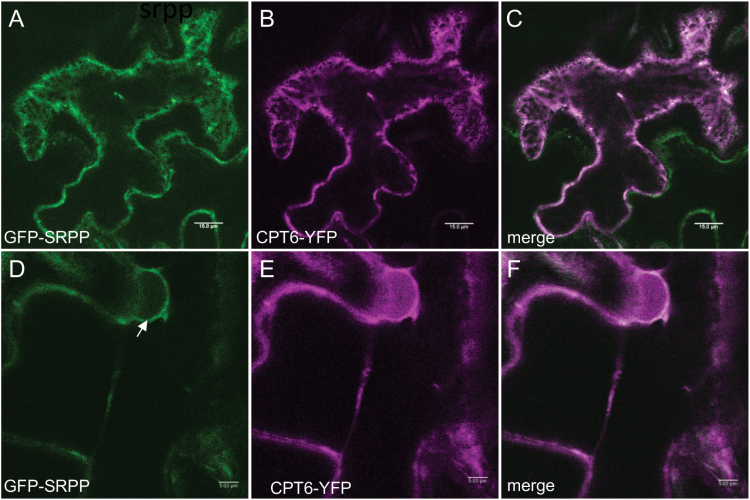
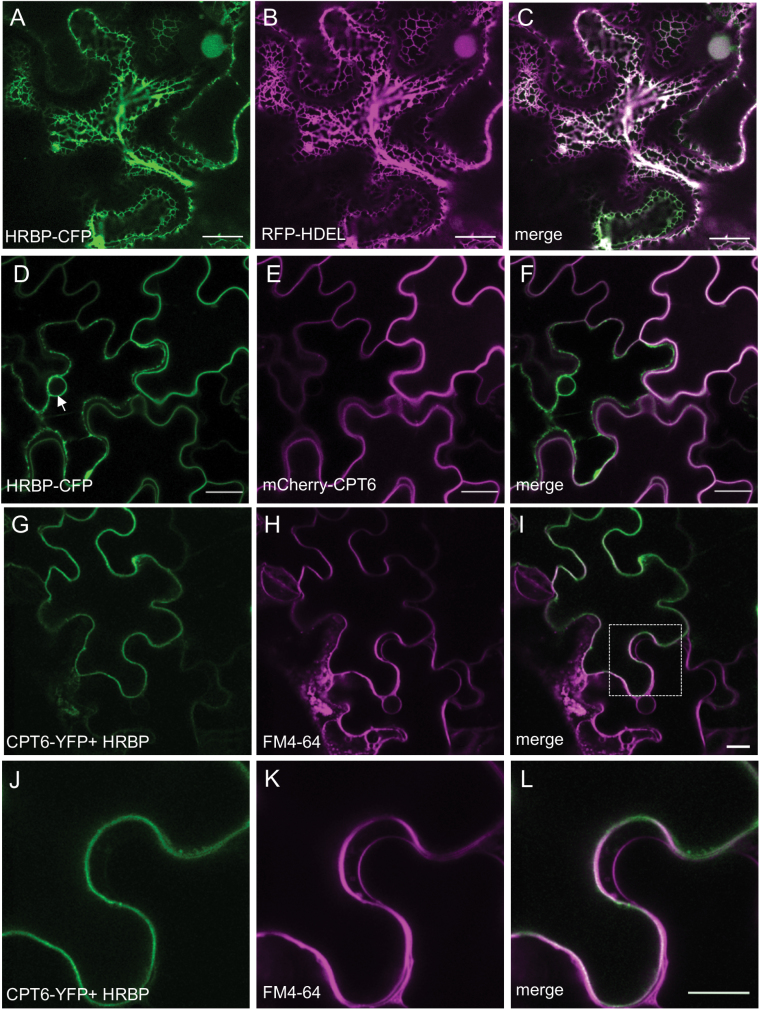
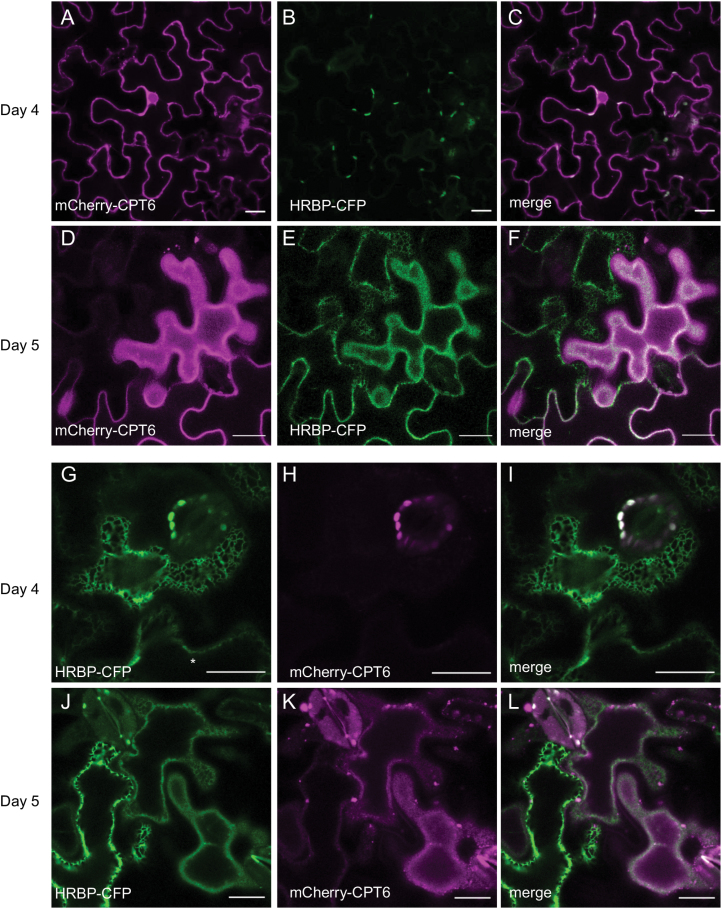
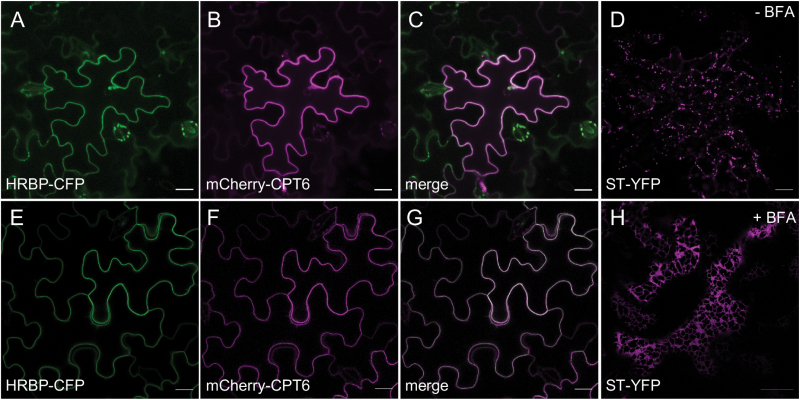
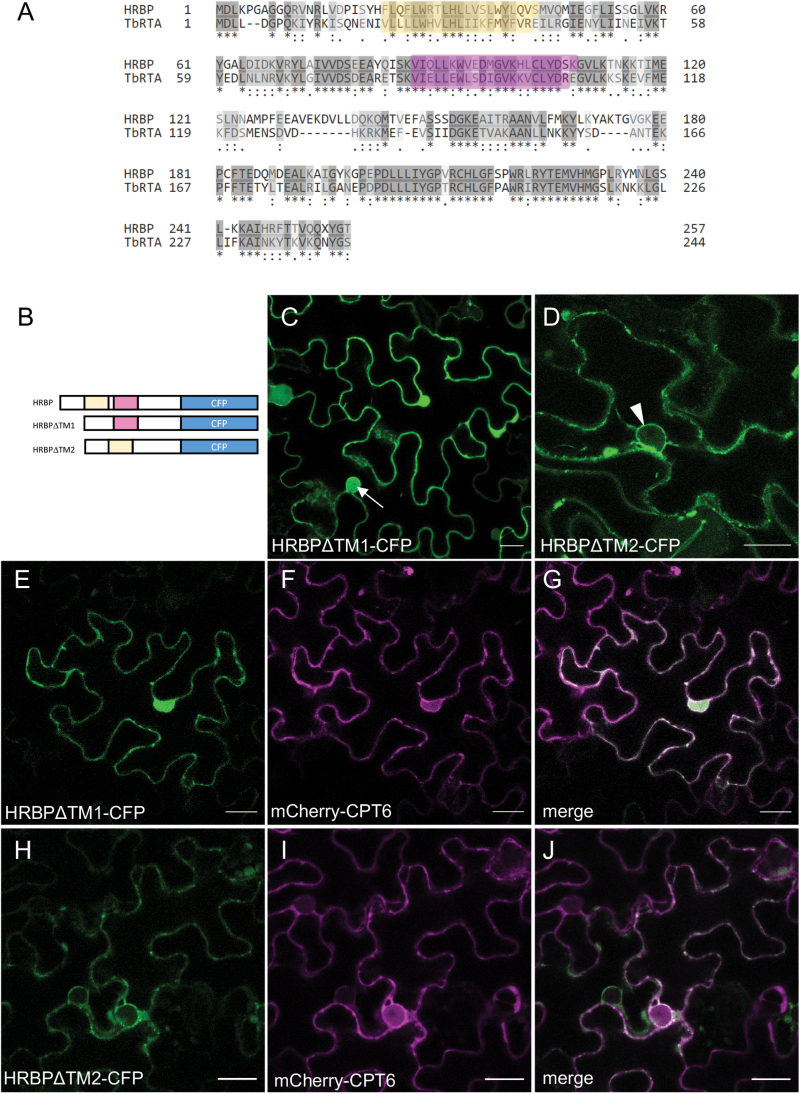
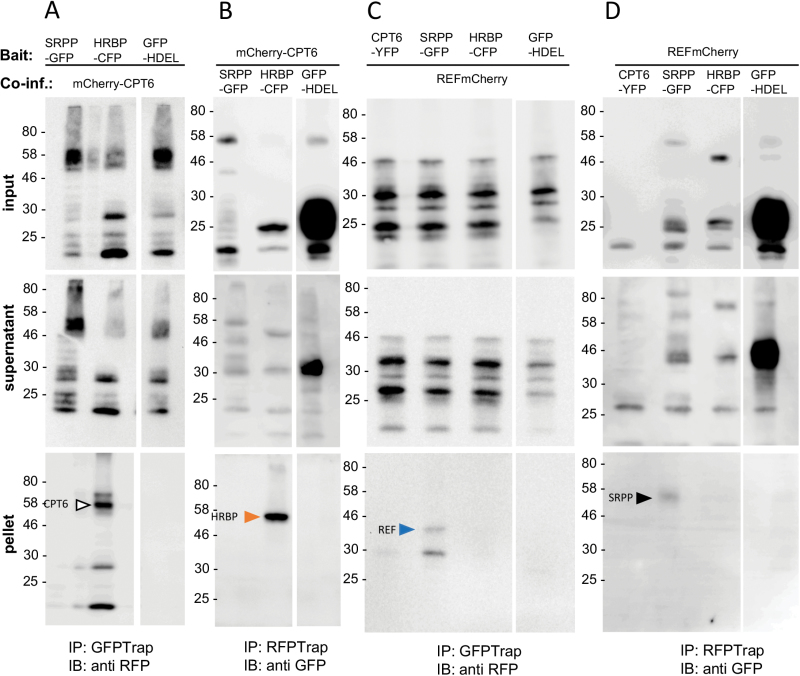
Natural rubber (polyisoprene) from the rubber tree Hevea brasiliensis is synthesized by specialized cells called laticifers. It is not clear how rubber particles arise, although one hypothesis is that they derive from the endoplasmic reticulum (ER) membrane. Here we cloned the genes encoding four key proteins found in association with rubber particles and studied their intracellular localization by transient expression in Nicotiana benthamiana leaves. We show that, while the cis-prenyltransferase (CPT), responsible for the synthesis of long polyisoprene chains, is a soluble, cytosolic protein, other rubber particle proteins such as rubber elongation factor (REF), small rubber particle protein (SRPP) and Hevea rubber transferase 1-REF bridging protein (HRBP) are associated with the endoplasmic reticulum (ER). We also show that SRPP can recruit CPT to the ER and that interaction of CPT with HRBP leads to both proteins relocating to the plasma membrane. We discuss these results in the context of the biogenesis of rubber particles.
天然橡胶(聚异戊二烯)是由橡胶树 Hevea brasiliensis 中的特殊细胞——乳管细胞合成的。虽然有一种假说认为橡胶颗粒起源于内质网(ER)膜,但目前还不清楚它们是如何产生的。在这里,我们克隆了与橡胶颗粒相关的四个关键蛋白的编码基因,并通过在 Nicotiana benthamiana 叶片中的瞬时表达研究了它们的细胞内定位。我们表明,虽然负责合成长聚异戊二烯链的顺式- prenyltransferase(CPT)是一种可溶性的细胞质蛋白,但其他橡胶颗粒蛋白,如橡胶延伸因子(REF)、小橡胶颗粒蛋白(SRPP)和巴西橡胶转移酶 1-REF 桥接蛋白(HRBP),都与内质网(ER)相关联。我们还表明,SRPP 可以将 CPT 招募到内质网,并且 CPT 与 HRBP 的相互作用导致这两种蛋白都重新定位到质膜上。我们将这些结果置于橡胶颗粒生物发生的背景下进行讨论。