Hart John E, Clarke Iain J, Risbridger Gail P, Ferneyhough Ben, Vega-Hernández Mónica
Endocrine Pharmaceuticals, Tadley, Hampshire, UK.
Department of Physiology, Neuroscience Program, Monash Biomedical Discovery Institute, Monash University, Clayton, VIC, Australia.
PeerJ. 2017 Oct 13;5:e3833. doi: 10.7717/peerj.3833. eCollection 2017.
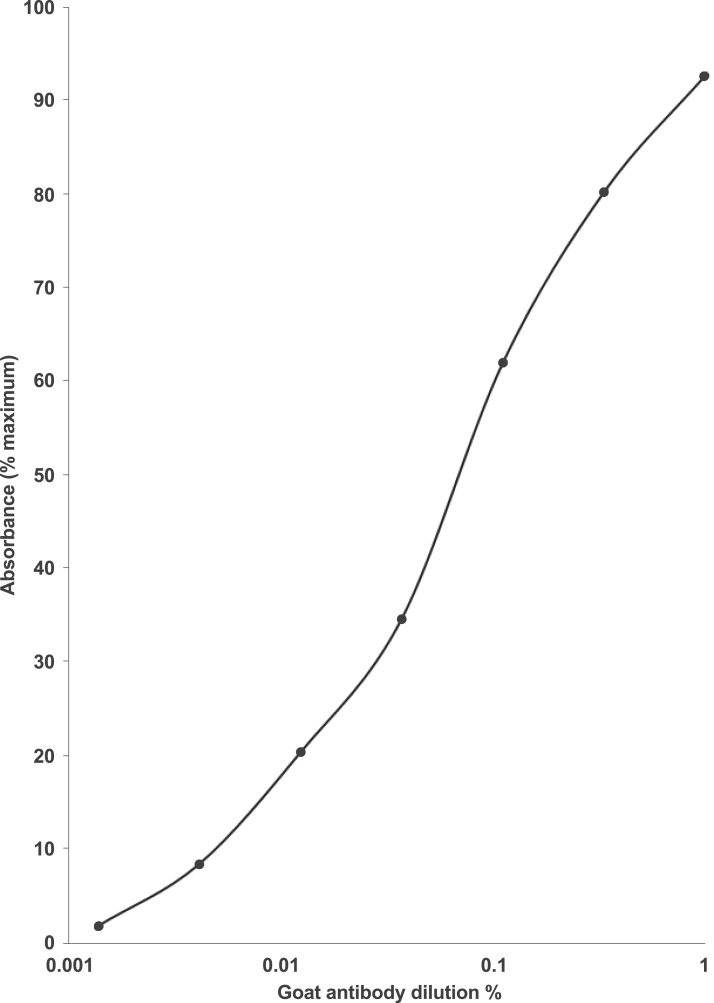
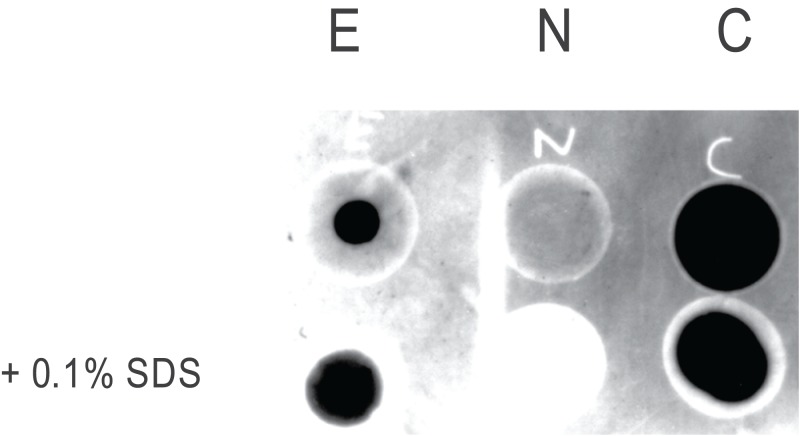
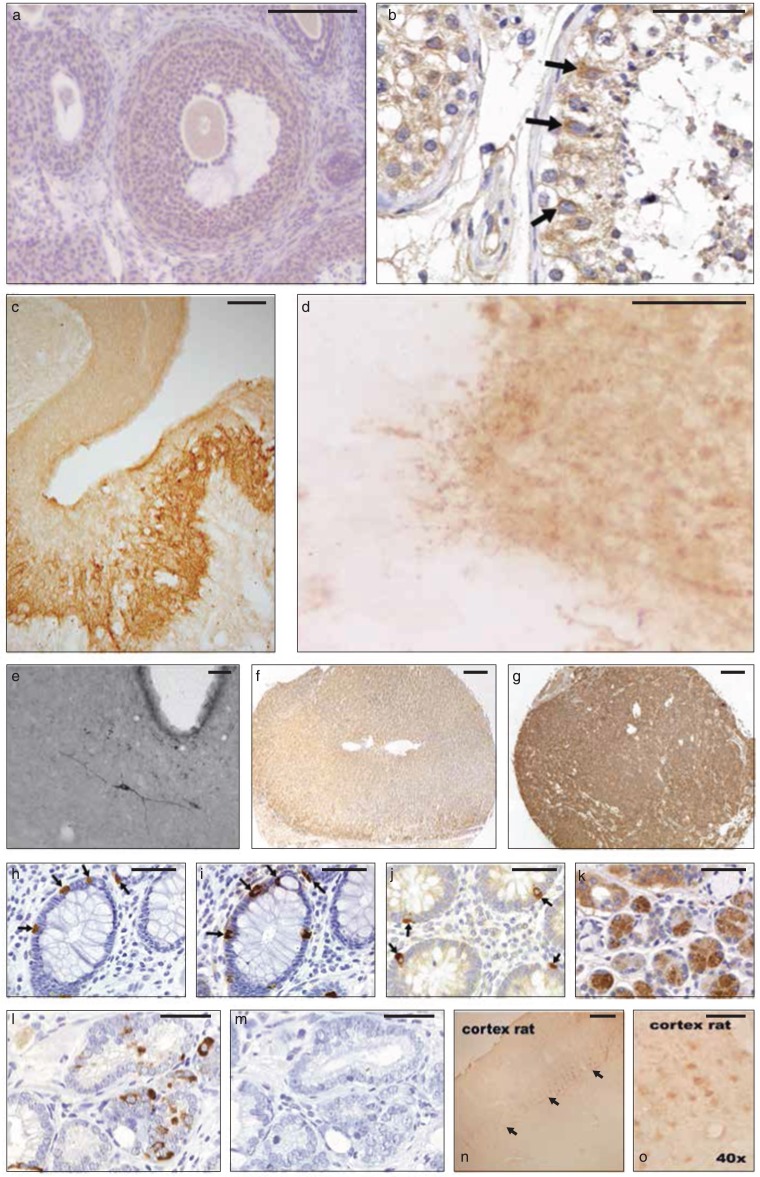
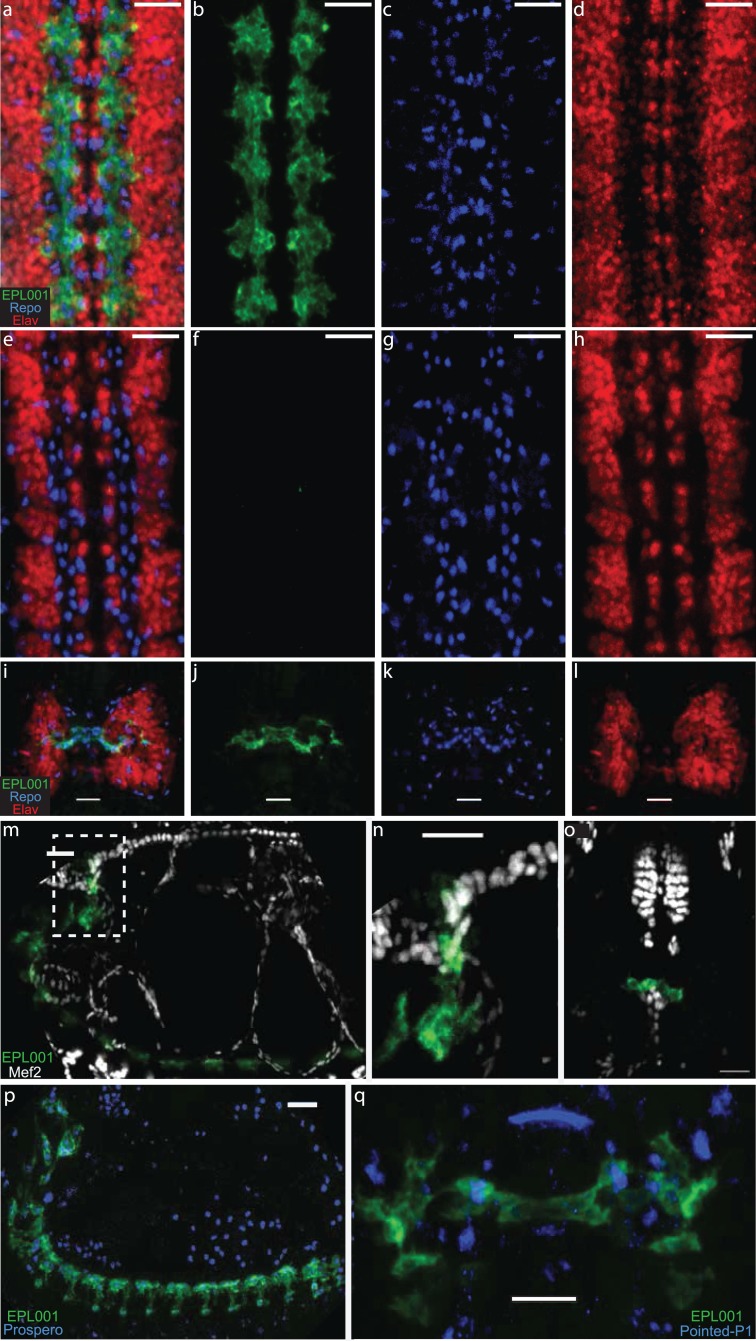
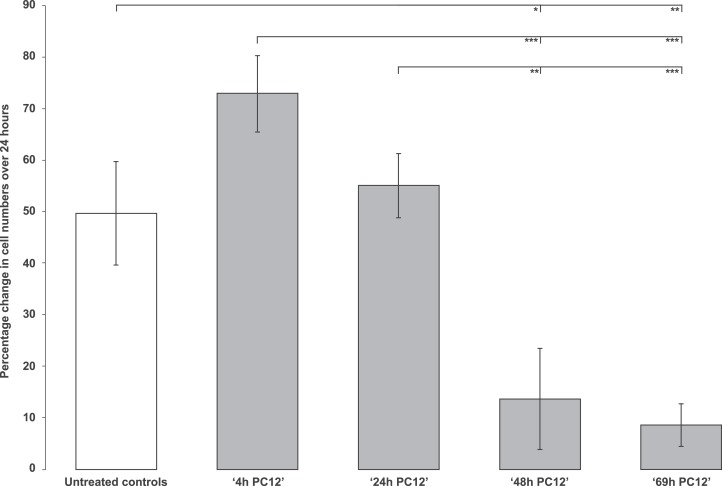
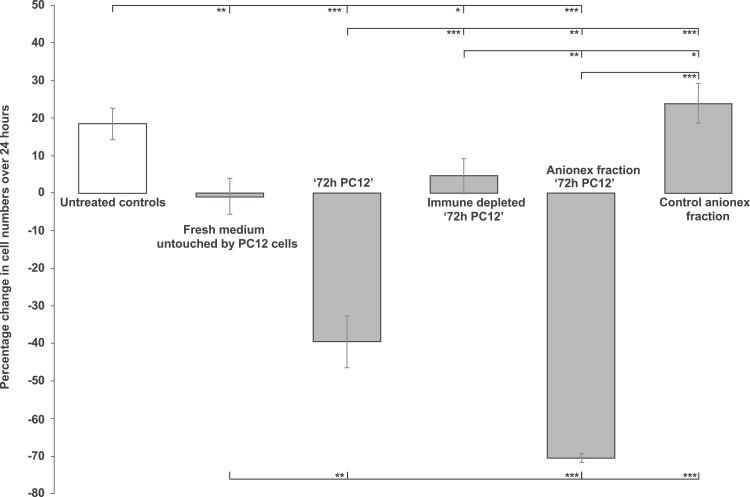
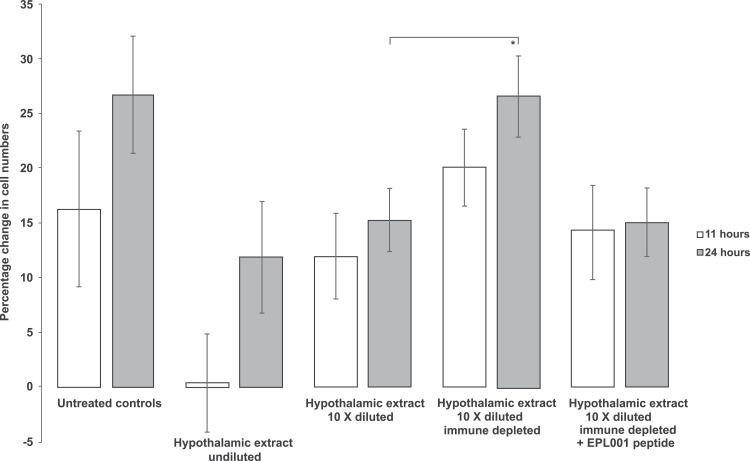
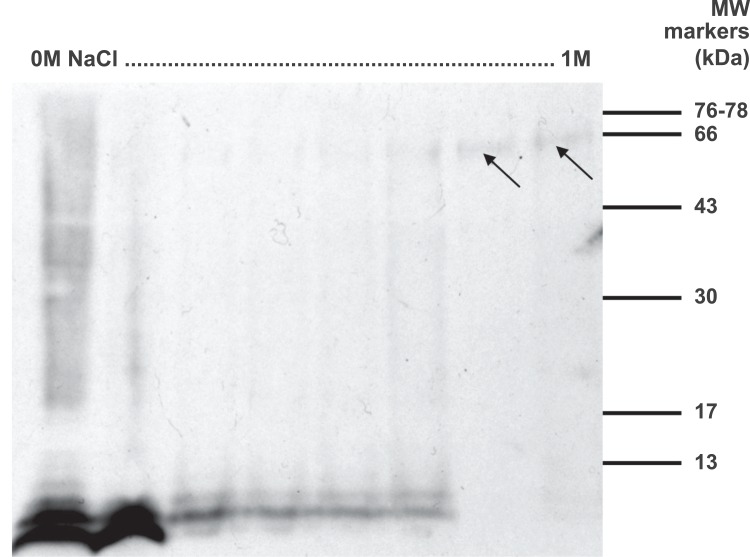
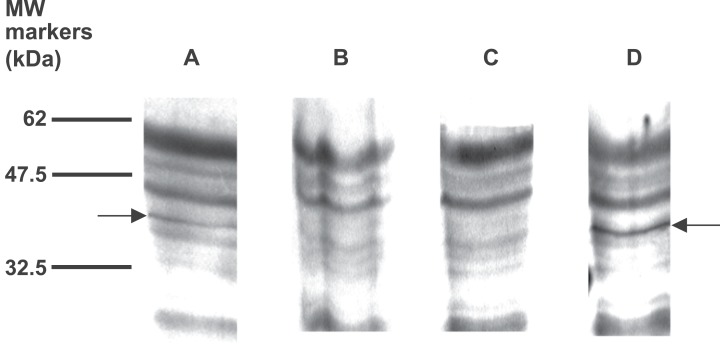
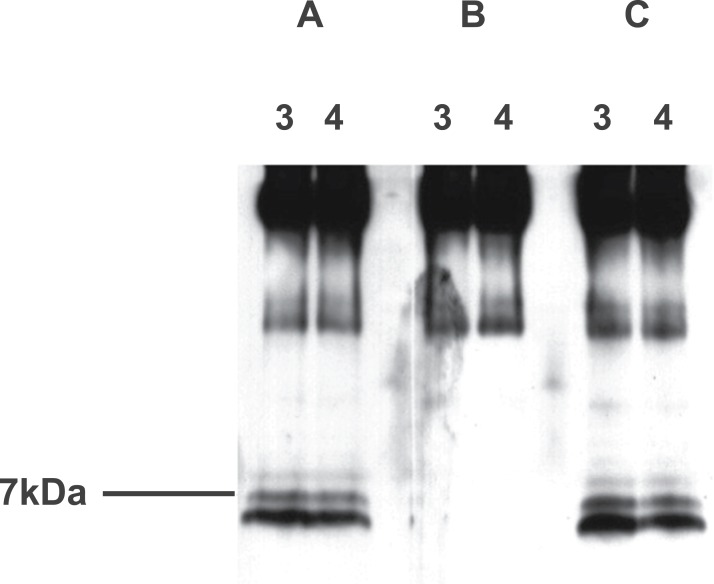
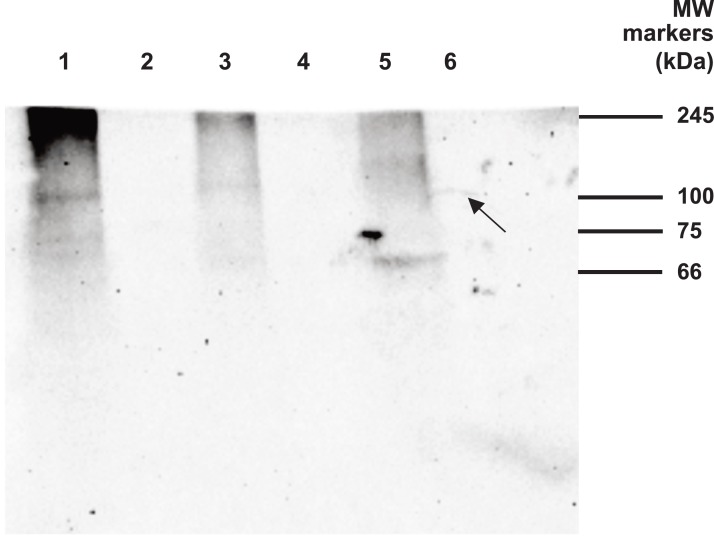
In the context of a hunt for a postulated hormone that is tissue-mass inhibiting and reproductively associated, there is described probable relatedness to a granin protein. A 7-8 kDa polypeptide candidate (gels/MS) appeared in a bioassay-guided fractionation campaign involving sheep plasma. An -terminal sequence of 14 amino acids was obtained for the polypeptide by Edman degradation. Bioinformatics and molecular biology failed to illuminate any ovine or non-ovine protein which might relate to this sequence. The -terminal sequence was synthesized as the 14mer EPL001 peptide and surprisingly found to be inhibitory in an assay in vivo of compensatory renal growth in the rat and modulatory of nematode fecundity, in line with the inhibitory hormone hypothesis. Antibodies were raised to EPL001 and their deployment upheld the hypothesis that the EPL001 amino acid sequence is meaningful and relevant, notwithstanding bioinformatic obscurity. Immunohistochemistry (IHC) in sheep, rodents and humans yielded staining of seeming endocrine relevance (e.g. hypothalamus, gonads and neuroendocrine cells in diverse tissues), with apparent upregulation in certain human tumours (e.g. pheochromocytoma). Discrete IHC staining in embryo brain was seen in glia and in neuroendocrine cells, with staining likely in the corpus cardiacum. The search for the endogenous antigen involved immunoprecipitation (IP) followed by liquid chromatography and mass spectrometry (LC-MS). Feedstocks were PC12 conditioned medium and aqueous extract of rat hypothalamus-both of which had anti-proliferative and pro-apoptotic effects in an assay in vitro involving rat bone marrow cells, which inhibition was subject to prior immunodepletion with an anti-EPL001 antibody-together with fruit fly embryo material. It is concluded that the mammalian antigen is likely secretogranin II (SgII) related. The originally seen 7-8 kDa polypeptide is suggested to be a new proteoform of secretogranin II of ∼70 residues, SgII-70, with the anti-EPL001 antibody seeing a discontinuous epitope. The fly antigen is probably Q9W2X8 (UniProt), an uncharacterised protein newly disclosed as a granin and provisionally dubbed macrogranin I (MgI). SgII and Q9W2X8 merit further investigation in the context of tissue-mass inhibition.
在寻找一种假定的具有组织质量抑制作用且与生殖相关的激素的背景下,本文描述了其与一种嗜铬粒蛋白的可能相关性。在一项涉及绵羊血浆的生物测定指导下的分级分离实验中,出现了一种7 - 8 kDa的多肽候选物(凝胶/质谱)。通过埃德曼降解法获得了该多肽14个氨基酸的N端序列。生物信息学和分子生物学未能揭示任何可能与该序列相关的绵羊或非绵羊蛋白质。将该N端序列合成为14聚体EPL001肽,令人惊讶的是,在大鼠代偿性肾生长的体内实验中发现其具有抑制作用,并且对线虫繁殖力有调节作用,这与抑制性激素假说相符。制备了针对EPL001的抗体,尽管生物信息学上不明确,但抗体的应用支持了EPL001氨基酸序列有意义且相关的假说。在绵羊、啮齿动物和人类中进行的免疫组织化学(IHC)显示出看似与内分泌相关的染色(如在不同组织中的下丘脑、性腺和神经内分泌细胞),在某些人类肿瘤(如嗜铬细胞瘤)中明显上调。在胚胎大脑中,在神经胶质细胞和神经内分泌细胞中可见离散的IHC染色,在心脏体中可能也有染色。寻找内源性抗原的过程包括免疫沉淀(IP),随后进行液相色谱和质谱分析(LC-MS)。原料包括PC12条件培养基和大鼠下丘脑水提取物(在涉及大鼠骨髓细胞的体外实验中,这两种物质都具有抗增殖和促凋亡作用,这种抑制作用可通过用抗EPL001抗体预先进行免疫耗竭来消除)以及果蝇胚胎材料。得出的结论是,哺乳动物抗原可能与分泌粒蛋白II(SgII)相关。最初看到的7 - 8 kDa多肽被认为是一种约70个残基的分泌粒蛋白II的新蛋白形式,即SgII - 70,抗EPL001抗体识别的是一个不连续表位。果蝇抗原可能是Q9W2X8(UniProt),一种新发现的未表征的嗜铬粒蛋白,暂称为大嗜铬粒蛋白I(MgI)。在组织质量抑制的背景下,SgII和Q9W2X8值得进一步研究。