Lachen-Montes Mercedes, Zelaya María Victoria, Segura Víctor, Fernández-Irigoyen Joaquín, Santamaría Enrique
Clinical Neuroproteomics Group, Navarrabiomed, Departamento de Salud, Universidad Pública de Navarra, Pamplona, Spain.
IDISNA, Navarra Institute for Health Research, Pamplona, Spain.
Oncotarget. 2017 May 23;8(41):69663-69679. doi: 10.18632/oncotarget.18193. eCollection 2017 Sep 19.
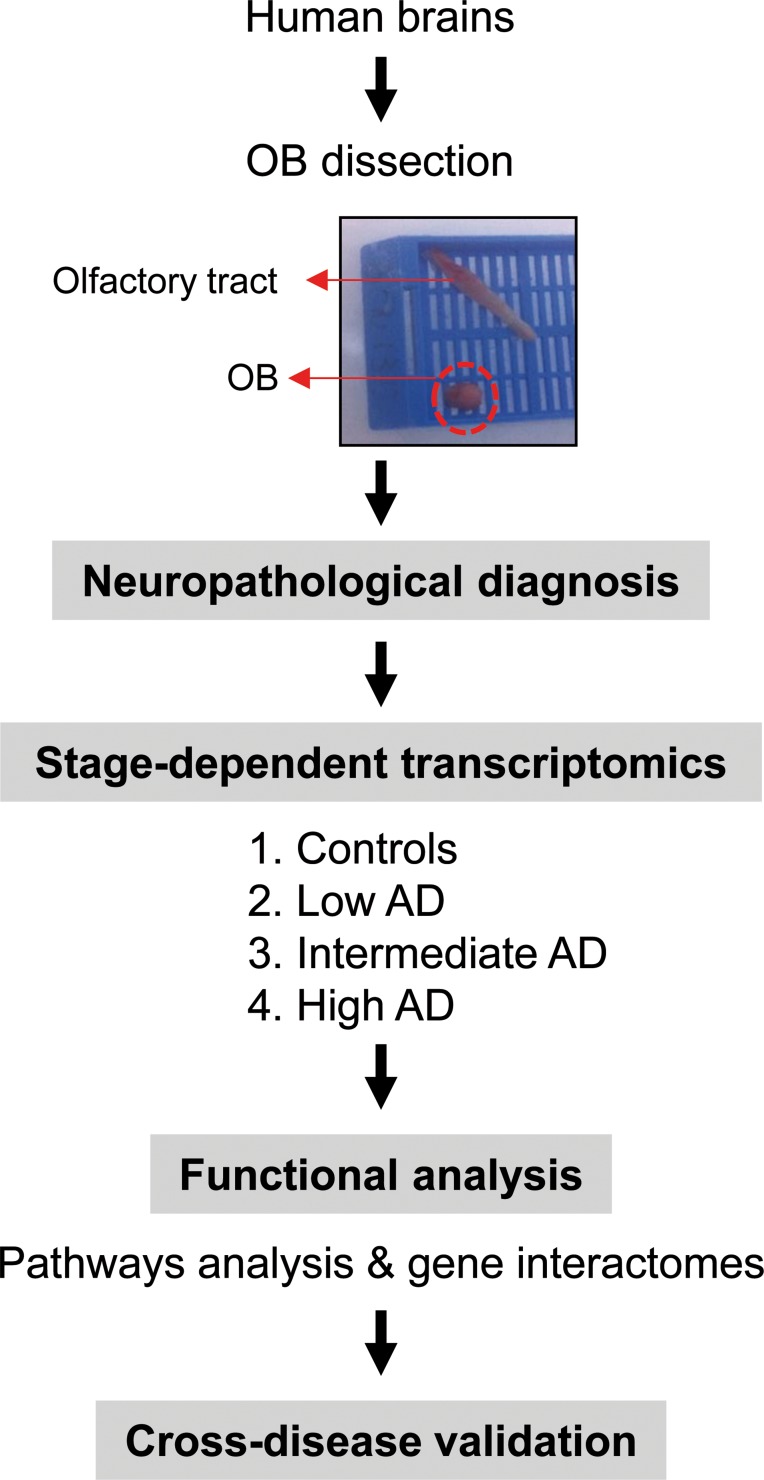
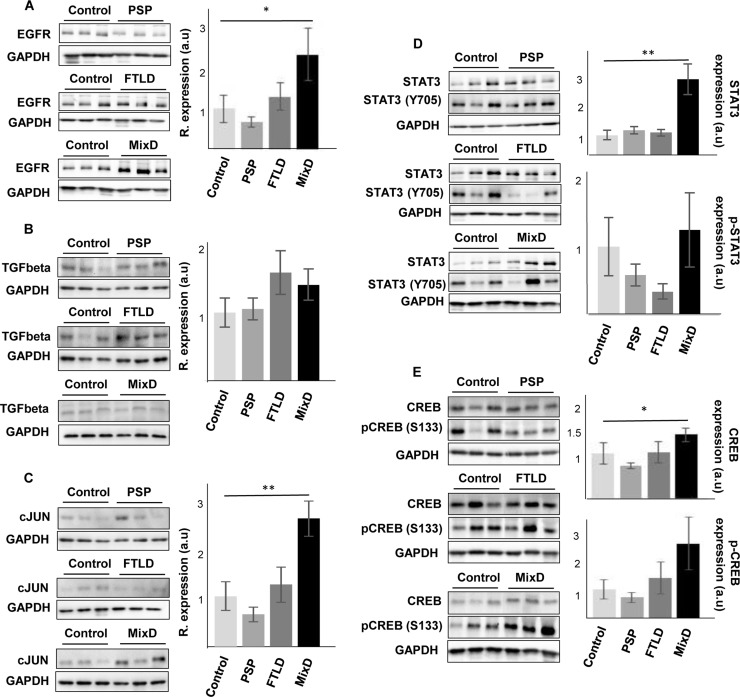
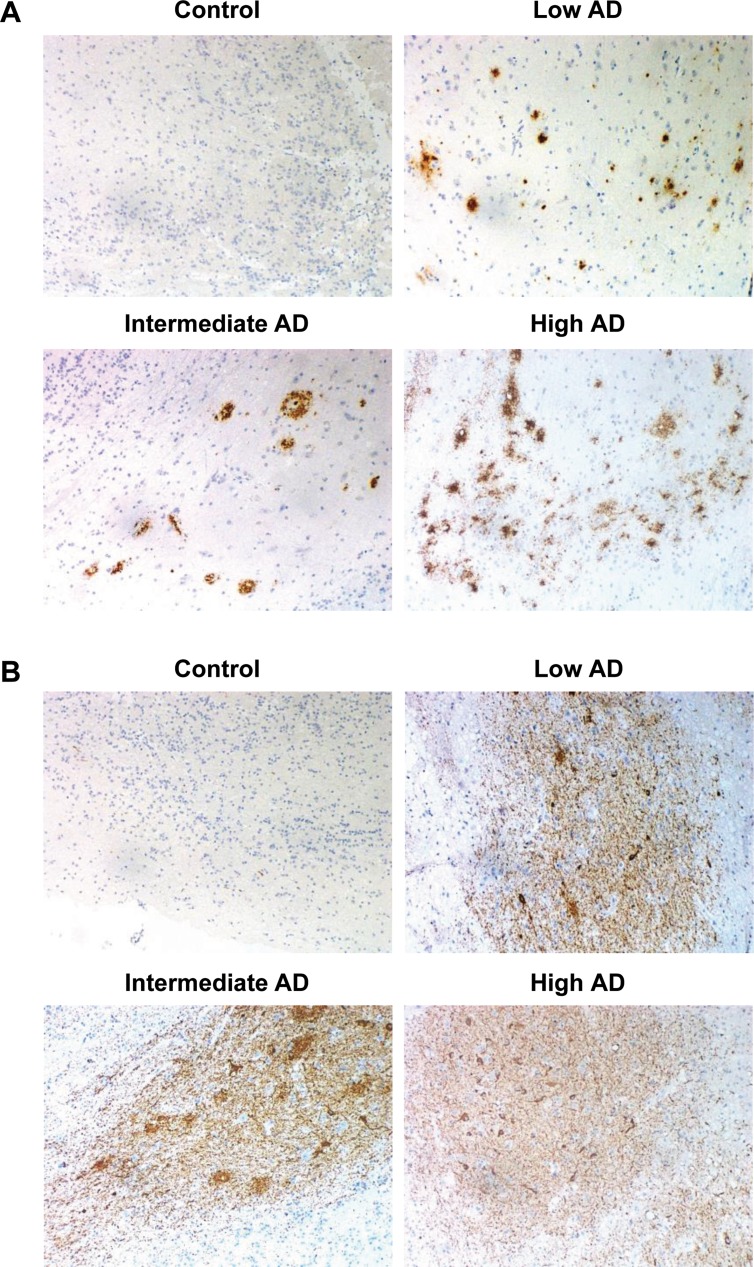
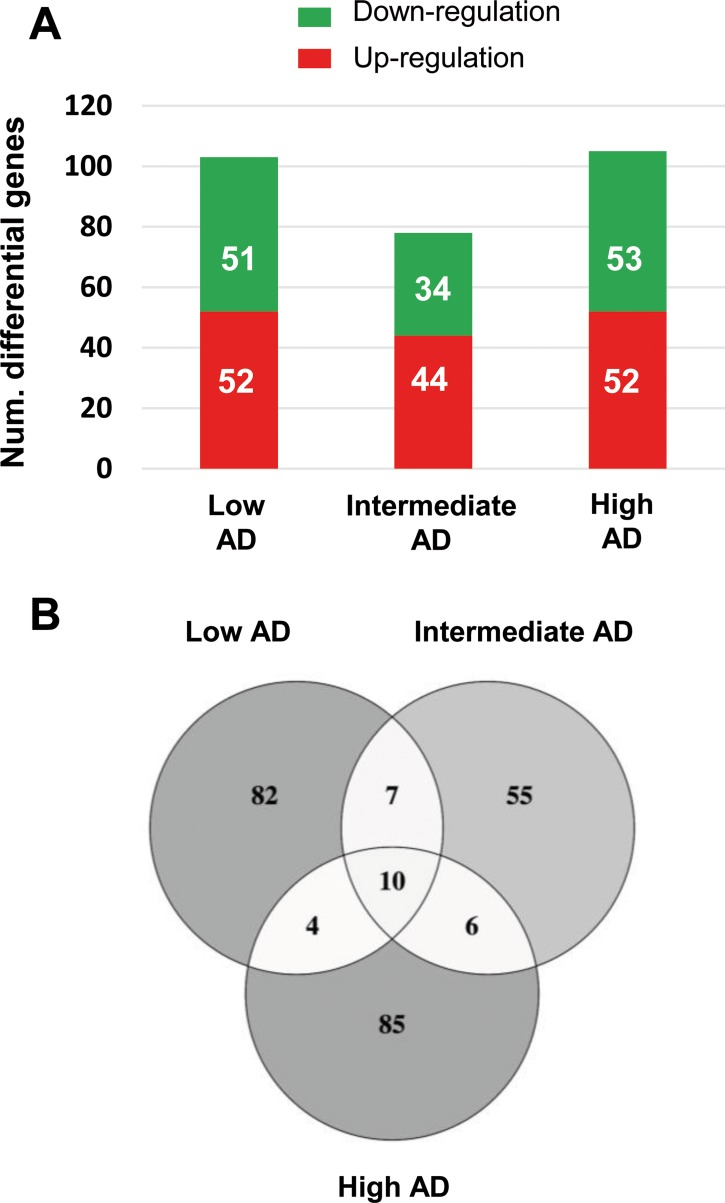
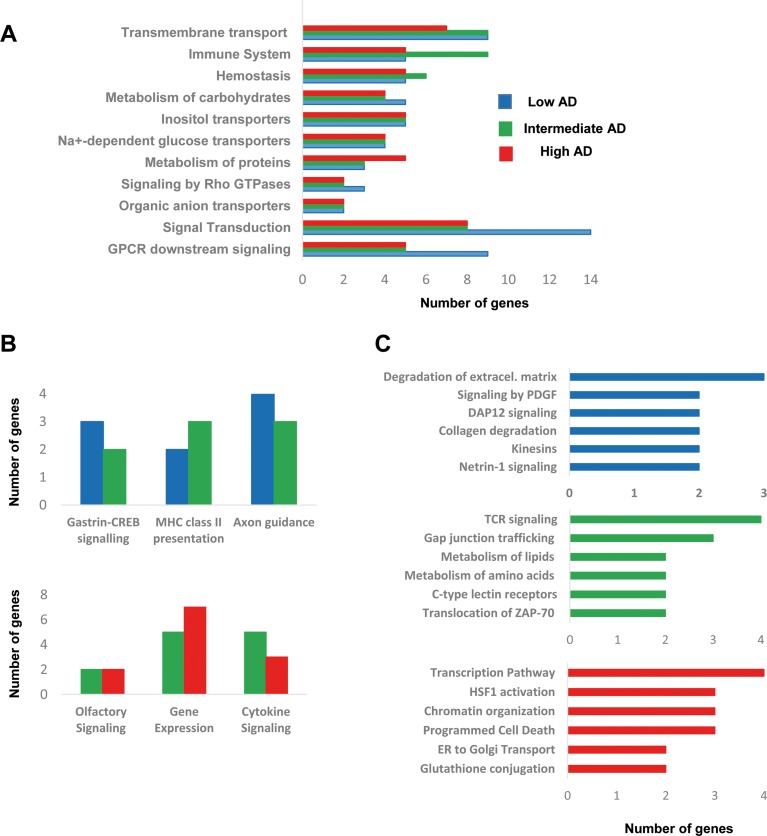
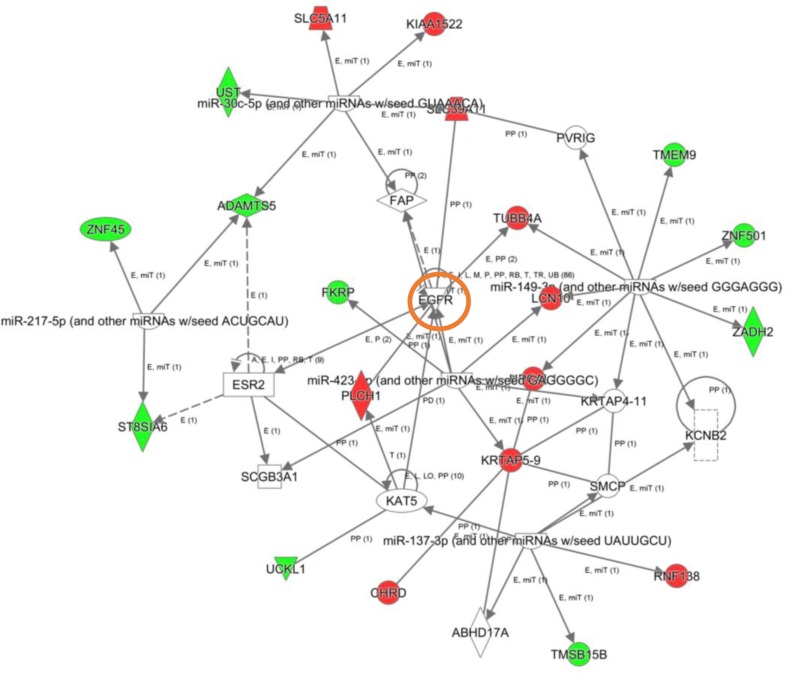
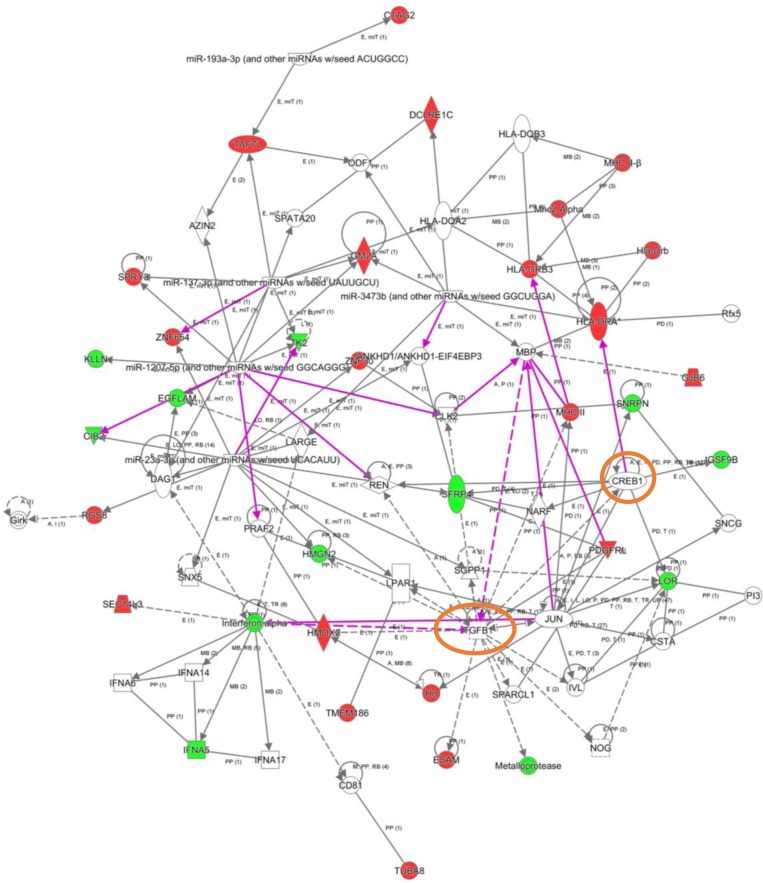
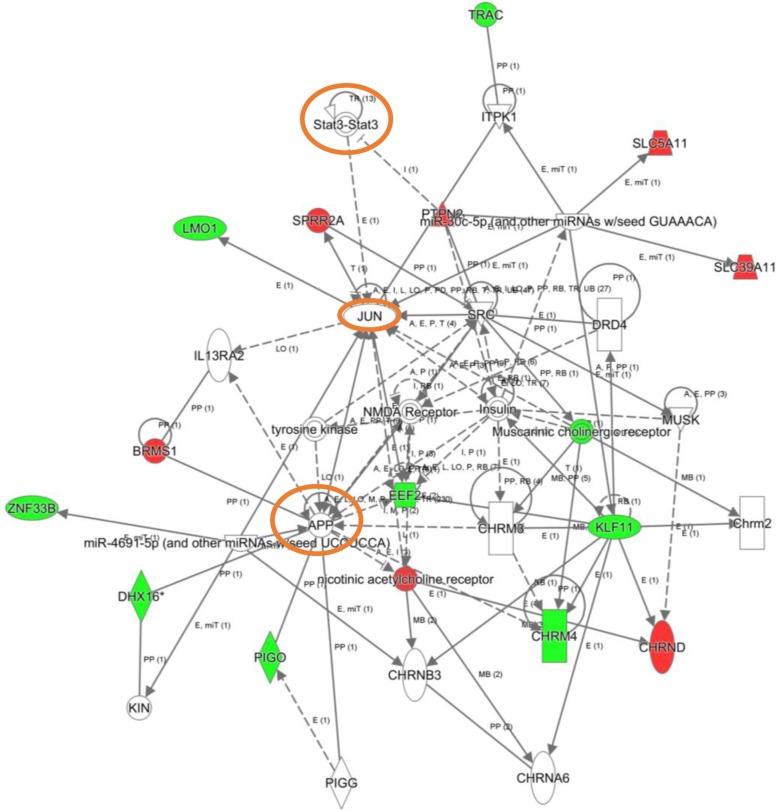
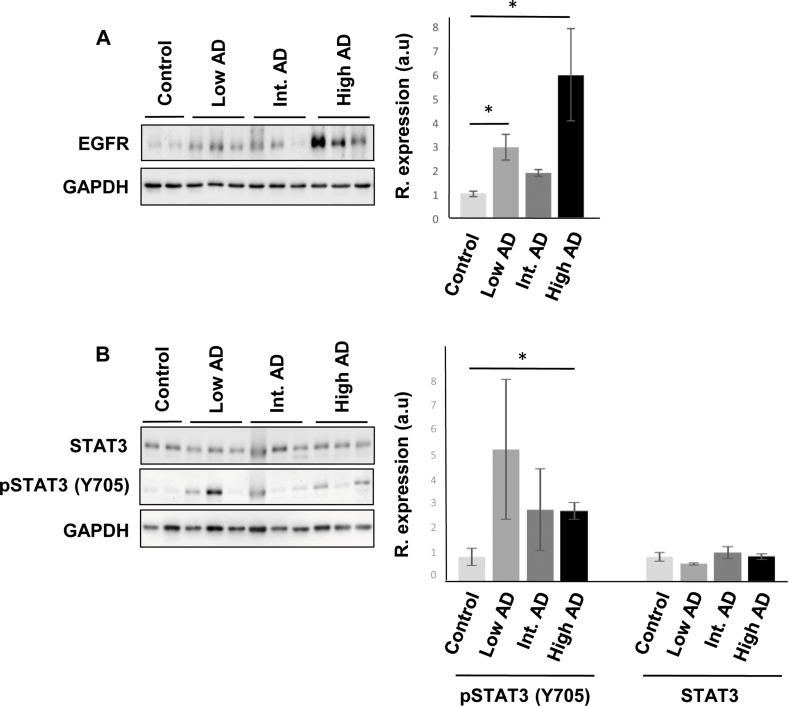
Alzheimer´s disease (AD) is characterized by progressive dementia, initially presenting olfactory dysfunction. Despite the olfactory bulb (OB) is the first central structure of the olfactory pathway, we lack a complete molecular characterization of the transcriptional events that occurs in this olfactory area during AD progression. To address this gap in knowledge, we have assessed the genome-wide expression in postmortem OBs from subjects with varying degree of AD pathology. A stage-dependent deregulation of specific pathways was observed, revealing transmembrane transport, and neuroinflammation as part of the functional modules that are disrupted across AD grading. Potential drivers of neurodegeneration predicted by network-driven transcriptomics were monitored across different types of dementia, including progressive supranuclear palsy (PSP), mixed dementia, and frontotemporal lobar degeneration (FTLD). Epidermal growth factor receptor (EGFR) expression was significantly increased in the OB of AD and mixed dementia subjects. Moreover, a significant increment in the activation of signal transducer and activator of transcription 3 (STAT3) was exclusively detected in advanced AD stages, whereas total STAT3 levels were specifically overexpressed in mixed dementia. Furthermore, transcription factors deregulated in the OB of mixed dementia subjects such as cAMP Responsive Element Binding Protein 1 (CREB1) and AP-1 Transcription Factor Subunit (c-Jun) were not differentially modulated at olfactory level across AD grading. On the other hand, olfactory expression of this signal transducer panel was unchanged in PSP and FTLD subjects. Taken together, this study unveils cross-disease similarities and differences for specific signal transducers, providing mechanistic clues to the intriguing divergence of AD pathology across proteinopathies.
阿尔茨海默病(AD)的特征是进行性痴呆,最初表现为嗅觉功能障碍。尽管嗅球(OB)是嗅觉通路的第一个中枢结构,但我们缺乏对AD进展过程中该嗅觉区域发生的转录事件的完整分子特征描述。为了填补这一知识空白,我们评估了不同AD病理程度受试者死后嗅球的全基因组表达。观察到特定通路的阶段依赖性失调,揭示了跨膜运输和神经炎症是在AD分级过程中被破坏的功能模块的一部分。通过网络驱动的转录组学预测的神经退行性变的潜在驱动因素在不同类型的痴呆中进行了监测,包括进行性核上性麻痹(PSP)、混合性痴呆和额颞叶变性(FTLD)。表皮生长因子受体(EGFR)在AD和混合性痴呆受试者的嗅球中表达显著增加。此外,仅在AD晚期检测到信号转导和转录激活因子3(STAT3)的激活显著增加,而总STAT3水平在混合性痴呆中特异性过表达。此外,在混合性痴呆受试者嗅球中失调的转录因子,如环磷酸腺苷反应元件结合蛋白1(CREB1)和AP-1转录因子亚基(c-Jun),在AD分级过程中的嗅觉水平上没有差异调节。另一方面,该信号转导蛋白组在PSP和FTLD受试者中的嗅觉表达没有变化。综上所述,本研究揭示了特定信号转导蛋白在不同疾病中的异同,为AD病理在不同蛋白病中的有趣差异提供了机制线索。