Dockery Adrian, Stephenson Kirk, Keegan David, Wynne Niamh, Silvestri Giuliana, Humphries Peter, Kenna Paul F, Carrigan Matthew, Farrar G Jane
The School of Genetics & Microbiology, Trinity College Dublin, Dublin 2, Ireland.
The Mater Misericordiae University Hospital, Dublin 7, Ireland.
Genes (Basel). 2017 Nov 3;8(11):304. doi: 10.3390/genes8110304.
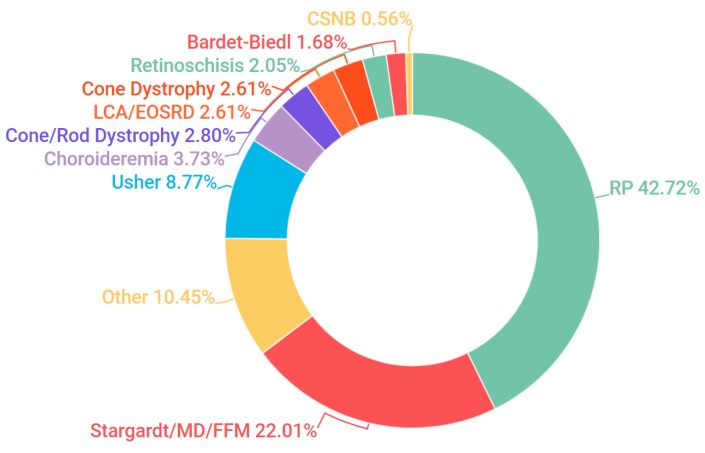
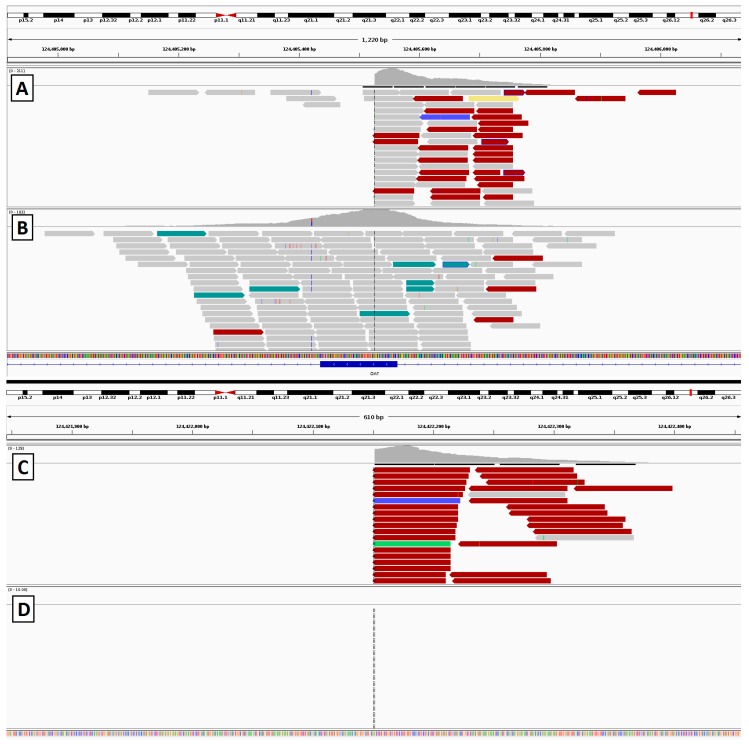
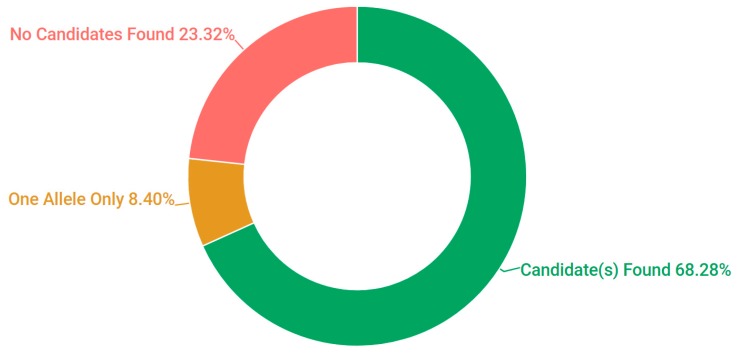
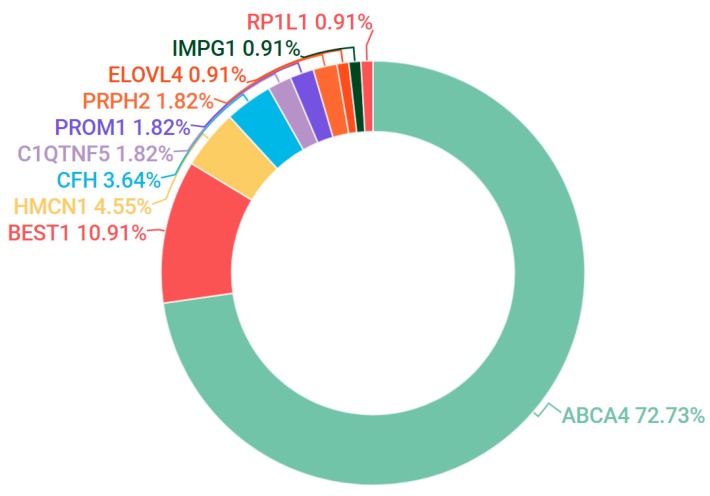
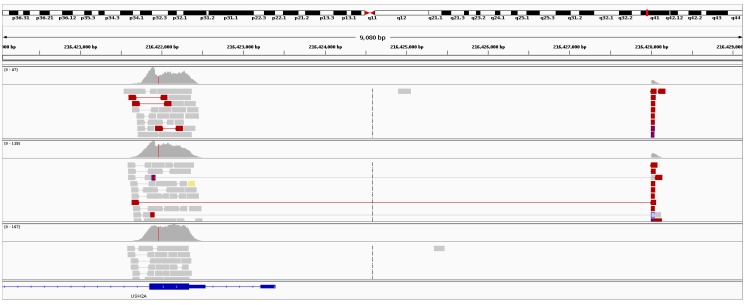
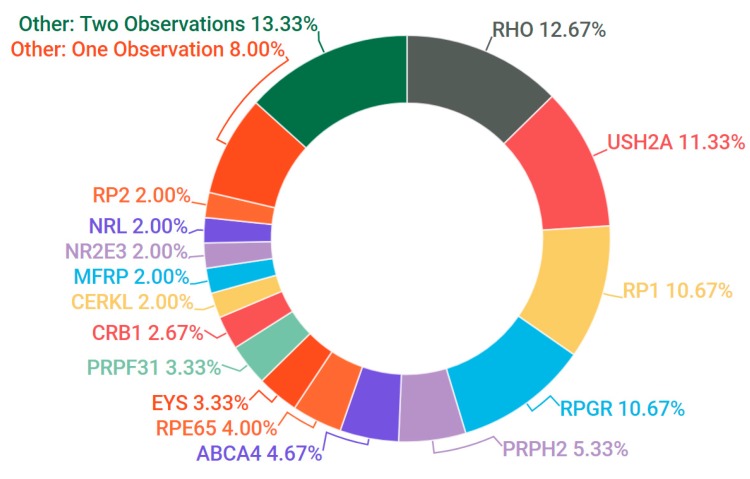
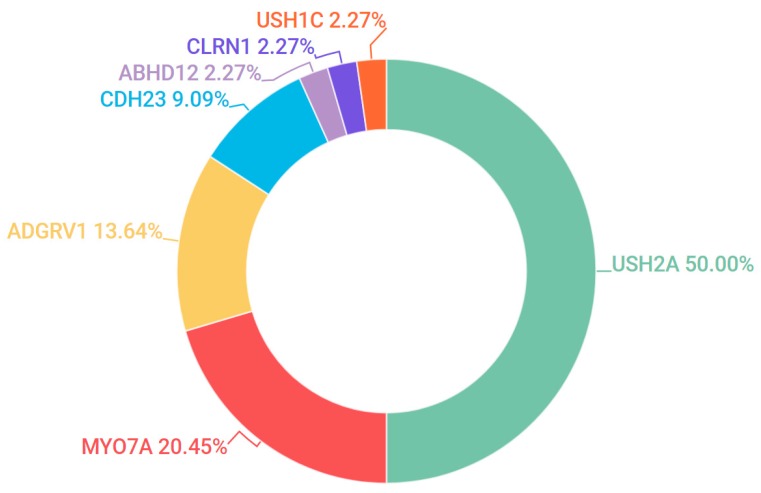
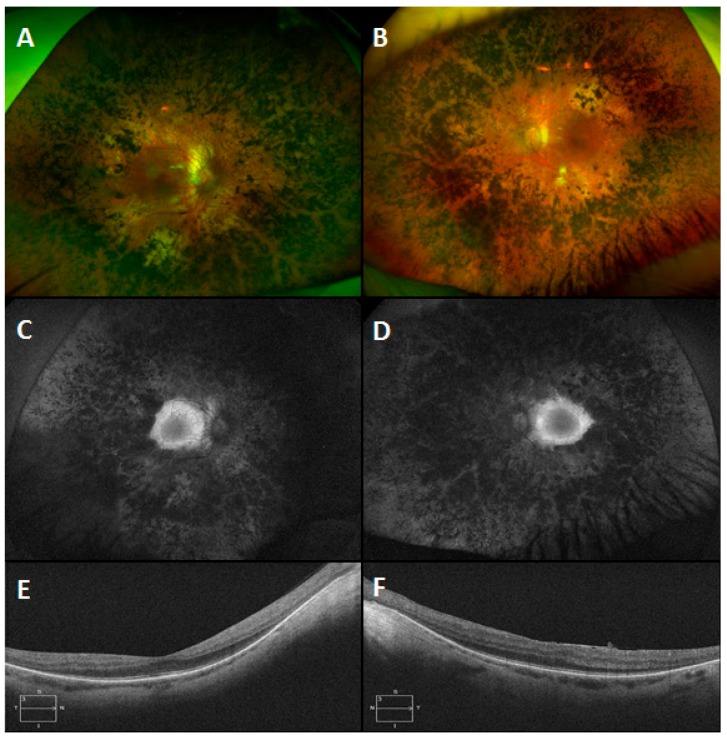
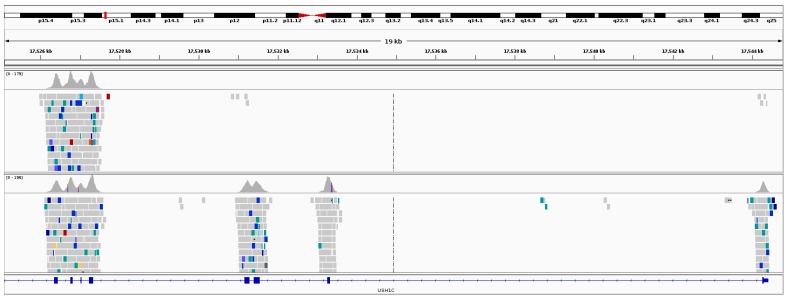
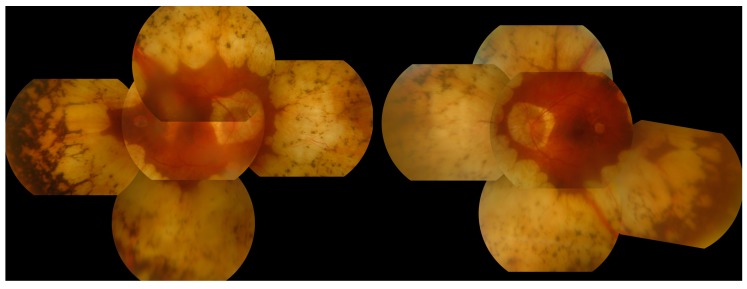
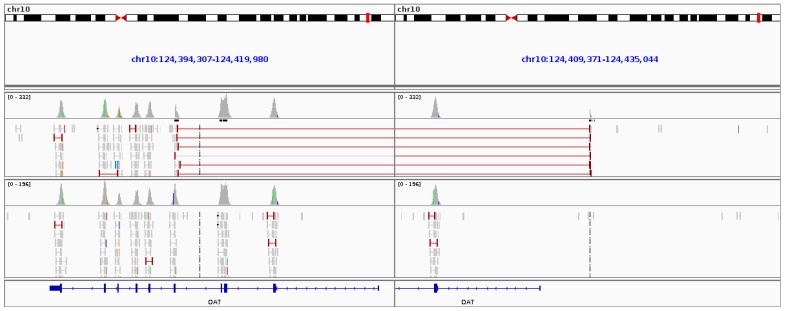
There are an estimated 5000 people in Ireland who currently have an inherited retinal degeneration (IRD). It is the goal of this study, through genetic diagnosis, to better enable these 5000 individuals to obtain a clearer understanding of their condition and improved access to potentially applicable therapies. Here we show the current findings of a target capture next-generation sequencing study of over 750 patients from over 520 pedigrees currently situated in Ireland. We also demonstrate how processes can be implemented to retrospectively analyse patient datasets for the detection of structural variants in previously obtained sequencing reads. Pathogenic or likely pathogenic mutations were detected in 68% of pedigrees tested. We report nearly 30 novel mutations including three large structural variants. The population statistics related to our findings are presented by condition and credited to their respective candidate gene mutations. Rediagnosis rates of clinical phenotypes after genotyping are discussed. Possible causes of failure to detect a candidate mutation are evaluated. Future elements of this project, with a specific emphasis on structural variants and non-coding pathogenic variants, are expected to increase detection rates further and thereby produce an even more comprehensive representation of the genetic landscape of IRDs in Ireland.
据估计,爱尔兰目前有5000人患有遗传性视网膜变性(IRD)。本研究的目标是,通过基因诊断,更好地使这5000人更清楚地了解自己的病情,并更容易获得可能适用的治疗方法。在此,我们展示了一项针对爱尔兰目前520多个家系中750多名患者的靶向捕获二代测序研究的当前结果。我们还展示了如何实施相关流程,以回顾性分析患者数据集,从而在先前获得的测序读数中检测结构变异。在检测的家系中,68%检测到了致病或可能致病的突变。我们报告了近30种新突变,包括三种大的结构变异。与我们的研究结果相关的人群统计数据按疾病情况呈现,并归因于各自的候选基因突变。讨论了基因分型后临床表型的重新诊断率。评估了未能检测到候选突变的可能原因。预计该项目的未来工作,特别是对结构变异和非编码致病变异的研究,将进一步提高检测率,从而更全面地展现爱尔兰IRD的遗传图谱。