Department of Pharmacodynamics, Jagiellonian University Medical College, 9 Medyczna Street, 30-688, Kraków, Poland.
Chair of Pharmaceutical Chemistry, Department of Physicochemical Drug Analysis, Faculty of Pharmacy, Jagiellonian University Medical College, Medyczna 9, 30-688, Kraków, Poland.
J Endocrinol Invest. 2018 May;41(5):609-619. doi: 10.1007/s40618-017-0779-7. Epub 2017 Nov 7.
Previous studies have shown that several components of the metabolic syndrome, such as hypertension, obesity or imbalanced lipid and carbohydrate homeostasis, are associated with the sympathetic nervous system overactivity. Therefore, the inhibition of the adrenergic nervous system seems to be a reasonable and appropriate therapeutic approach for the treatment of metabolic disturbances. It has been suggested that non-selective adrenoceptor antagonists could be particularly beneficial, since α-adrenoceptor antagonists can improve disrupted lipid and carbohydrate profiles, while the inhibition of the α-adrenoceptor may contribute to body weight reduction. The aim of the present study was to investigate the metabolic benefits deriving from administration of a non-selective α-adrenoceptor antagonist from the group of pyrrolidin-2-one derivatives. The aim of the present study was to investigate the potential metabolic benefits deriving from chronic administration of a non-selective α-adrenoceptor antagonist, from the group of pyrrolidin-2-one derivatives.
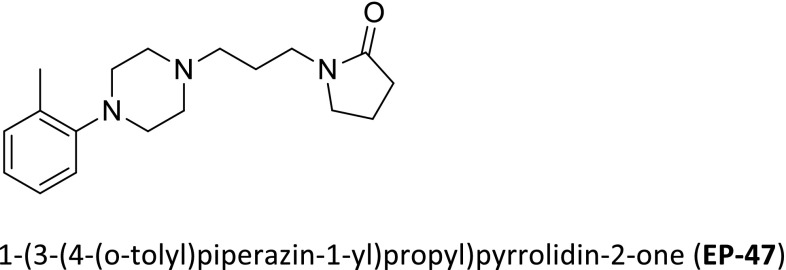
The α- and α-adrenoreceptor affinities of the tested compound-1-(3-(4-(o-tolyl)piperazin-1-yl)propyl)pyrrolidin-2-one had been investigated previously by means of the radioligand binding assay. In the present study, we extended the pharmacological profile characteristics of the selected molecule by additional intrinistic activity assays. Next, we investigated the influence of the tested compound on body weight, hyperglycemia, hypertriglyceridemia, blood pressure in the animal model of obesity induced by a high-fat diet, and additionally we measured the spontaneous activity and body temperature.
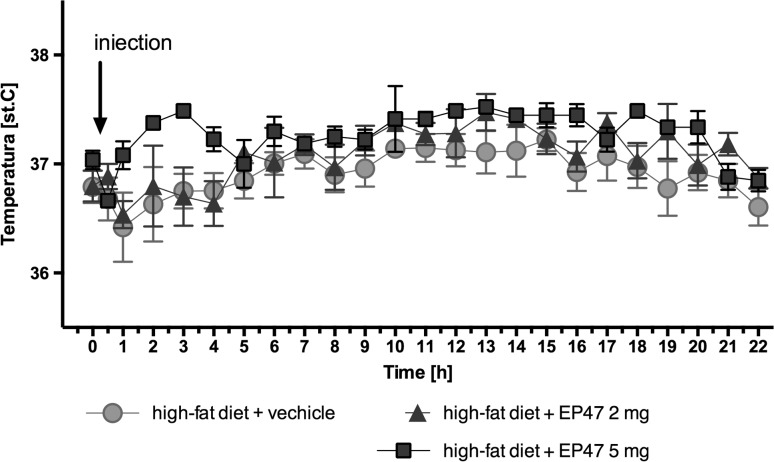
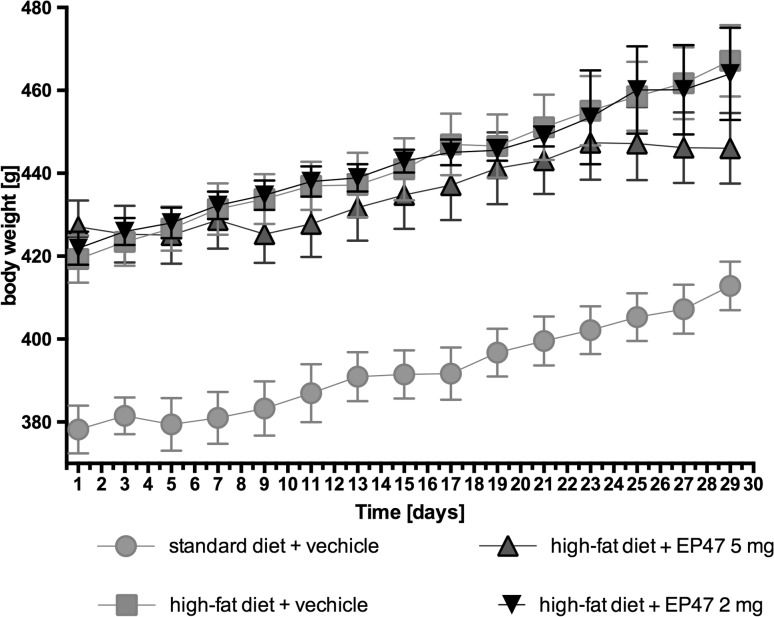
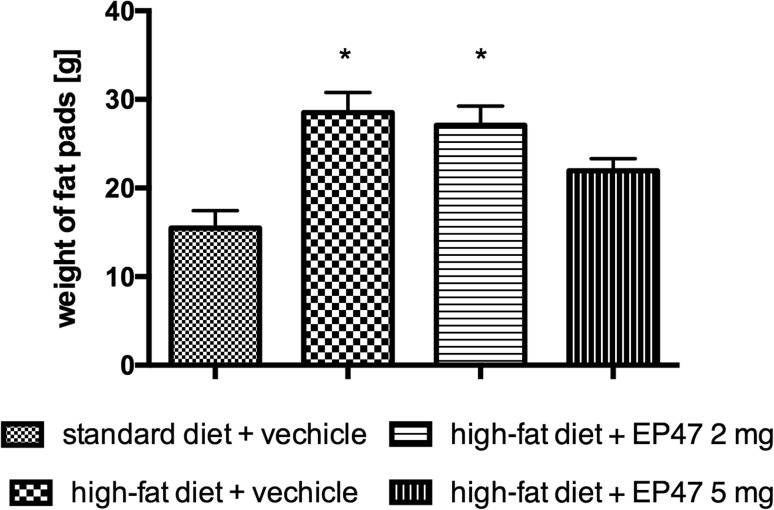
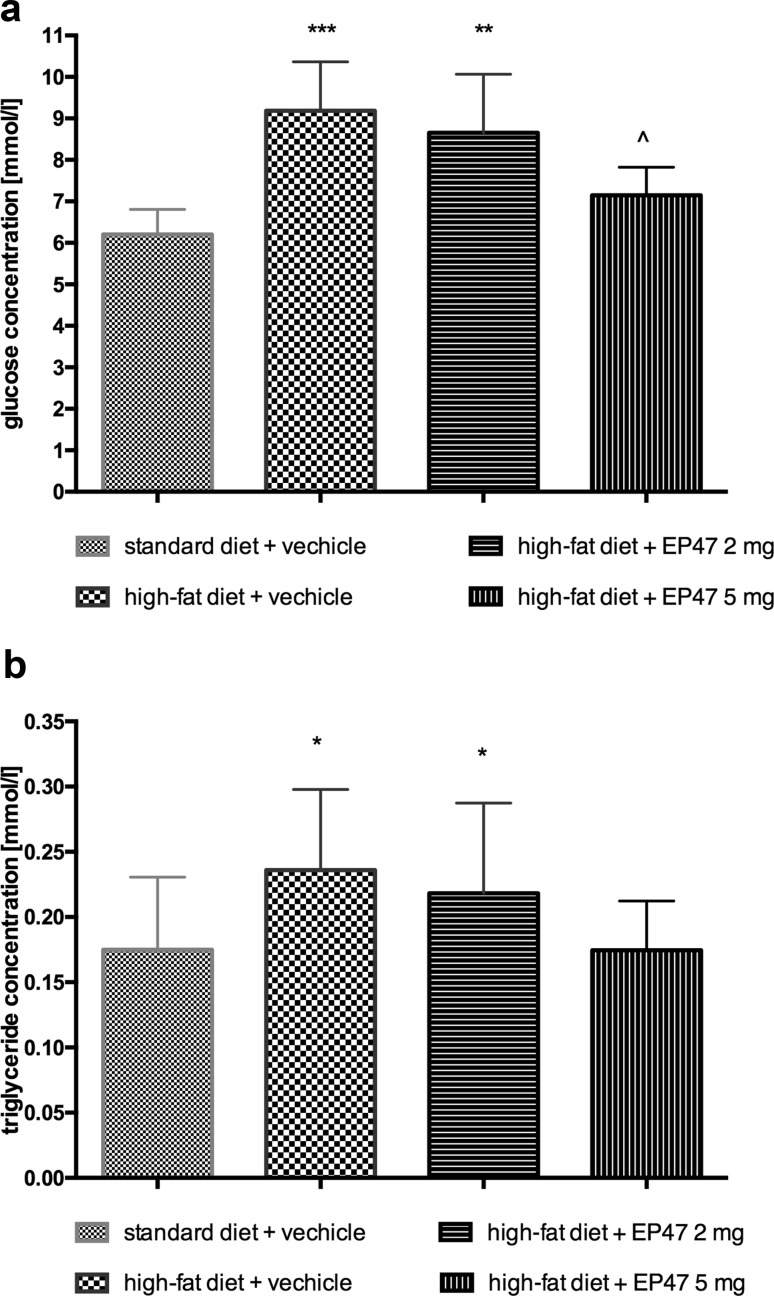
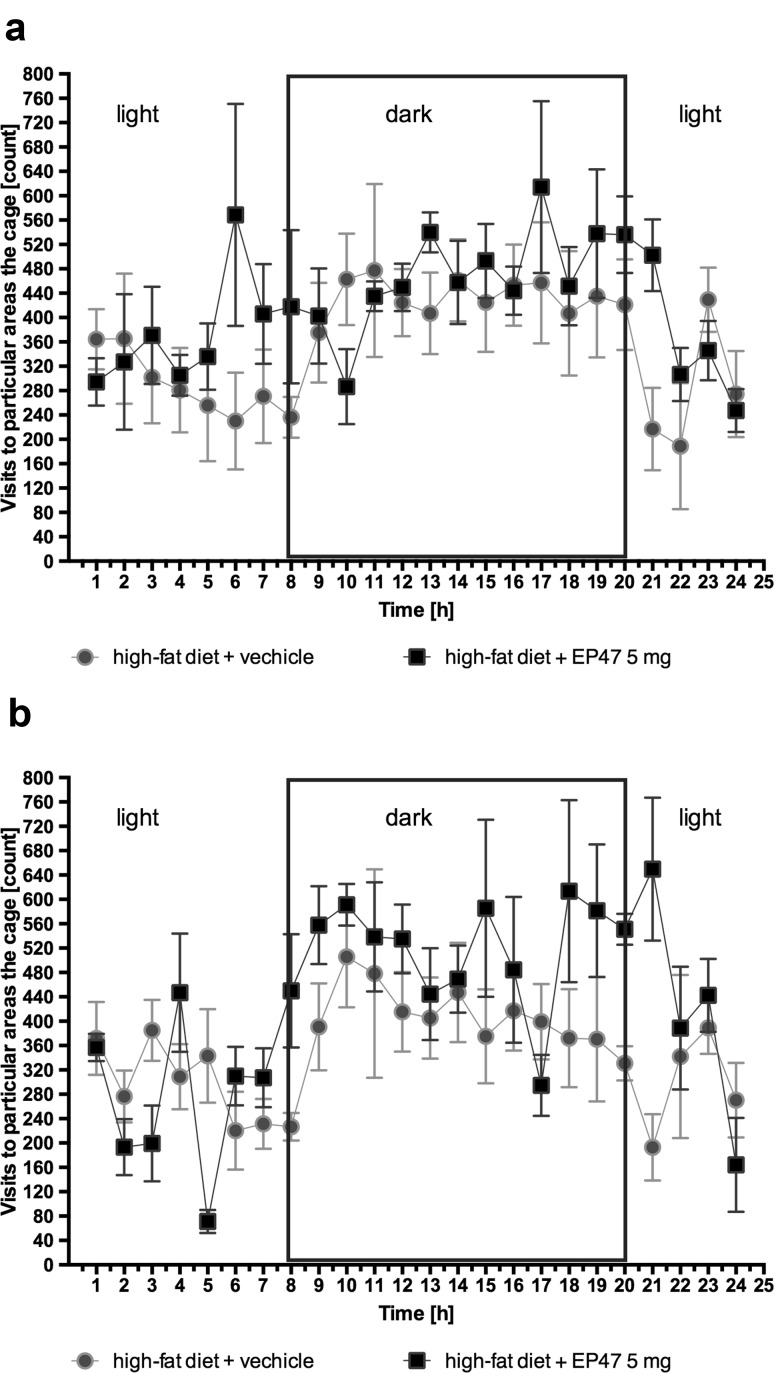
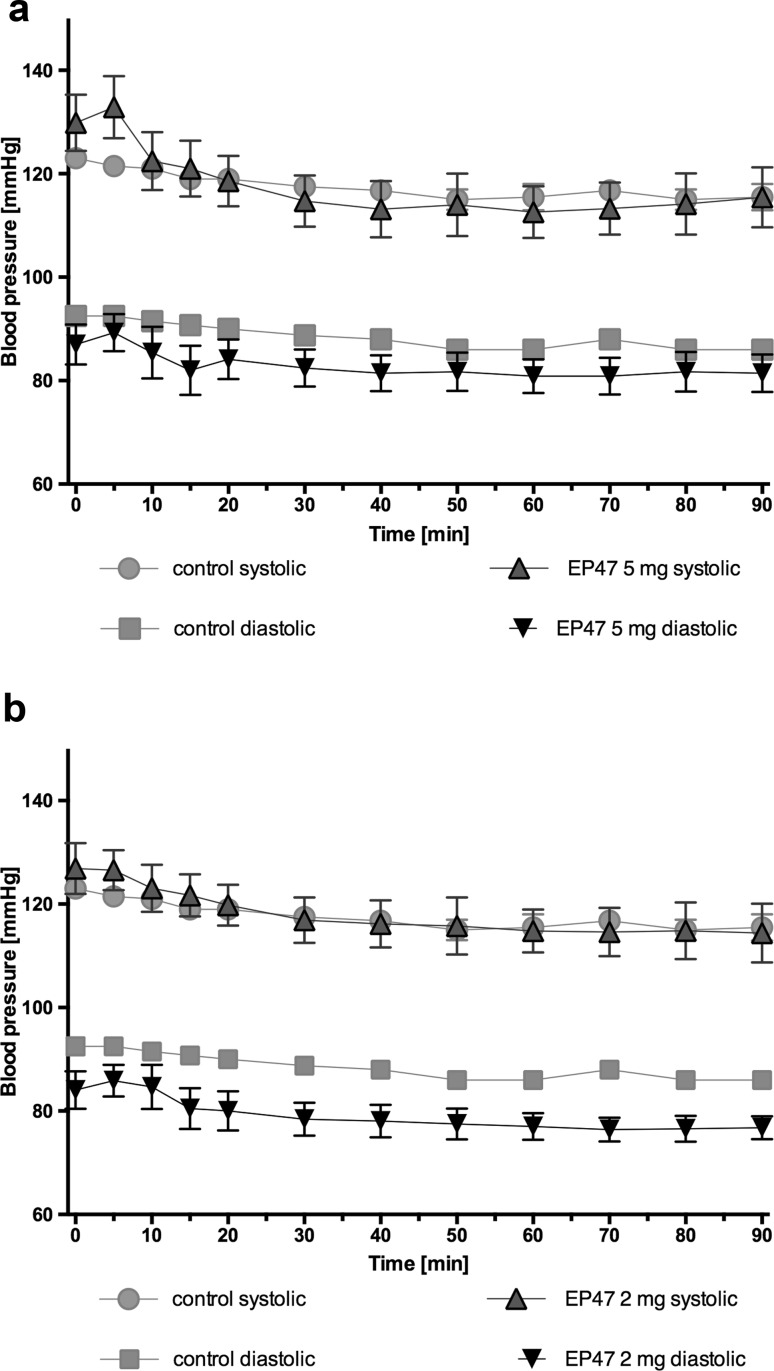
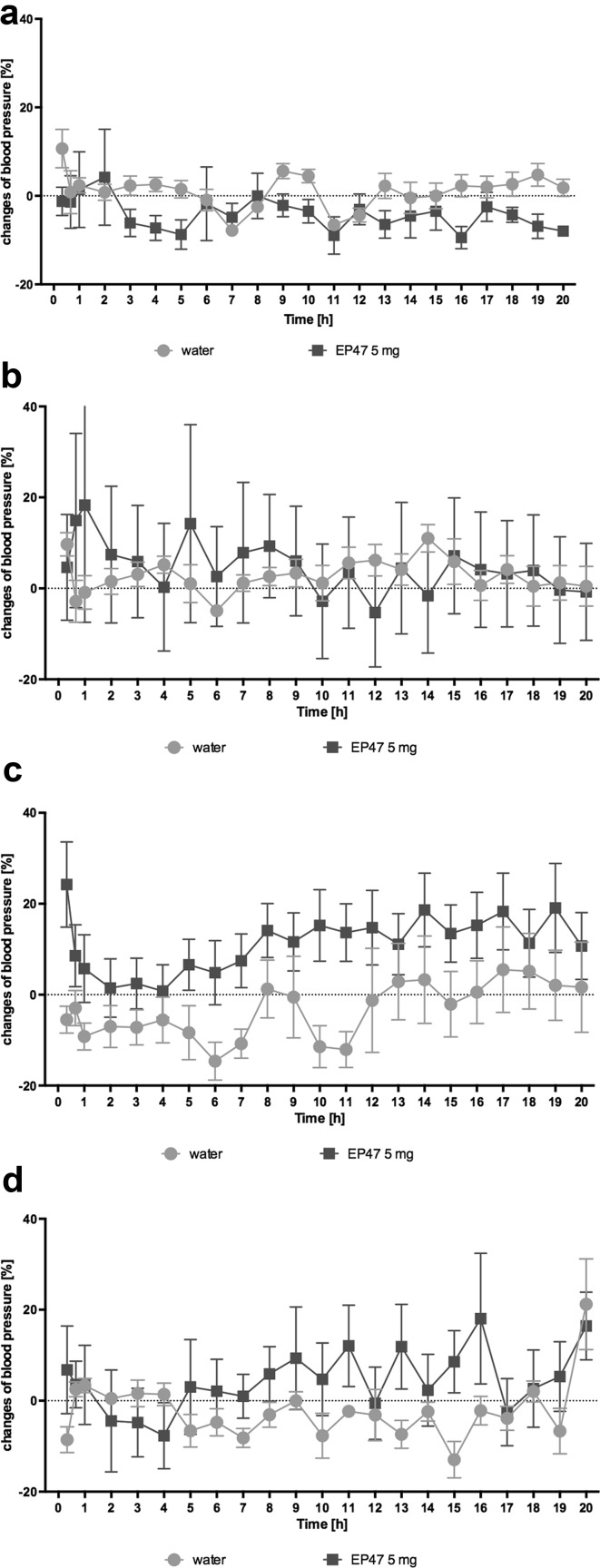
The intrinistic activity studies revealed that the tested compound is a potent, non-selective antagonist of α and α-adrenoceptors. After the chronic administration of the tested compound, we observed reduced level of triglycerides and glucose in the rat plasma. Interestingly, the tested did not reduce the body weight and did not influence the blood pressure in normotensive animals. Additionally, the administration of the tested compound did not change the animals' spontaneous activity and body temperature.
Non-selective α-adrenoceptor antagonist seems to carry potential benefits in the improvement of the reduction of elevated glucose and triglyceride level. The lack of influence on blood pressure suggests that compounds with such a pharmacological profile may be particulary beneficial for the patients with disturbed lipid and carbohydrate profile, who do not suffer from hypertension. These results are particulary valuable, since currently there are no safe α-adrenoceptor antagonist drugs available in clinical use with the ability to modulate hyperglycemia that would not affect blood pressure.
先前的研究表明,代谢综合征的几个组成部分,如高血压、肥胖或脂质和碳水化合物平衡失调,与交感神经系统过度活跃有关。因此,抑制肾上腺素能神经系统似乎是治疗代谢紊乱的一种合理且合适的治疗方法。有人认为,非选择性肾上腺素能受体拮抗剂可能特别有益,因为α-肾上腺素能受体拮抗剂可以改善紊乱的脂质和碳水化合物谱,而抑制α-肾上腺素能受体可能有助于减轻体重。本研究的目的是研究源自吡咯烷-2-酮衍生物组的非选择性α-肾上腺素能受体拮抗剂的代谢益处。本研究的目的是研究源自吡咯烷-2-酮衍生物组的非选择性α-肾上腺素能受体拮抗剂的潜在代谢益处。
先前通过放射性配体结合测定法研究了受试化合物 1-(3-(4-(邻甲苯基)哌嗪-1-基)丙基)吡咯烷-2-酮的α-和α-肾上腺素能受体亲和力。在本研究中,我们通过附加的内在活性测定法扩展了所选分子的药理学特征谱。接下来,我们研究了受试化合物对肥胖动物模型中由高脂肪饮食引起的体重、高血糖、高三酰甘油血症、血压的影响,此外还测量了自发活动和体温。
内在活性研究表明,受试化合物是一种强效的、非选择性的α 和 α-肾上腺素能受体拮抗剂。在受试化合物的慢性给药后,我们观察到大鼠血浆中三酰甘油和葡萄糖水平降低。有趣的是,在正常血压动物中,受试化合物并未降低体重,也未影响血压。此外,受试化合物的给药并未改变动物的自发活动和体温。
非选择性α-肾上腺素能受体拮抗剂似乎在改善升高的葡萄糖和三酰甘油水平降低方面具有潜在益处。对血压无影响表明,具有这种药理学特征的化合物可能对脂质和碳水化合物谱紊乱但不患有高血压的患者特别有益。这些结果特别有价值,因为目前在临床应用中尚无能够调节血糖而不影响血压的安全的α-肾上腺素能受体拮抗剂药物。