Department of Mitochondrial Biology, Max Planck Institute for Biology of Ageing, Cologne, Germany.
Department of Cell Biology, Institute of Integrative Biology of the Cell (I2BC) UMR9198, CEA, CNRS, Univ. Paris-Sud, Université Paris-Saclay, Gif-sur-Yvette, France.
Elife. 2017 Nov 14;6:e30952. doi: 10.7554/eLife.30952.
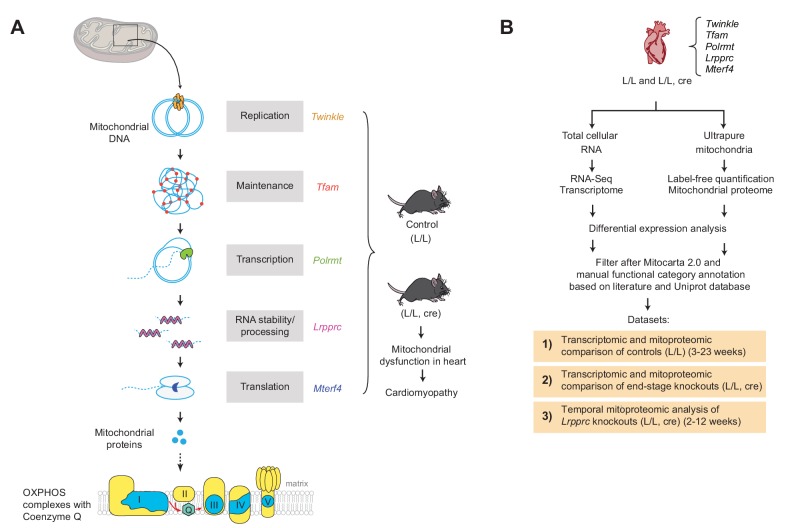
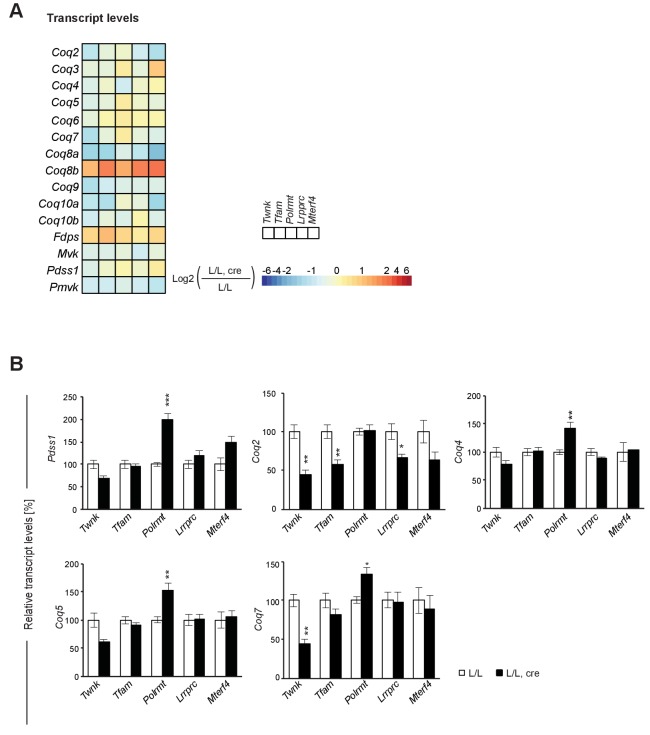
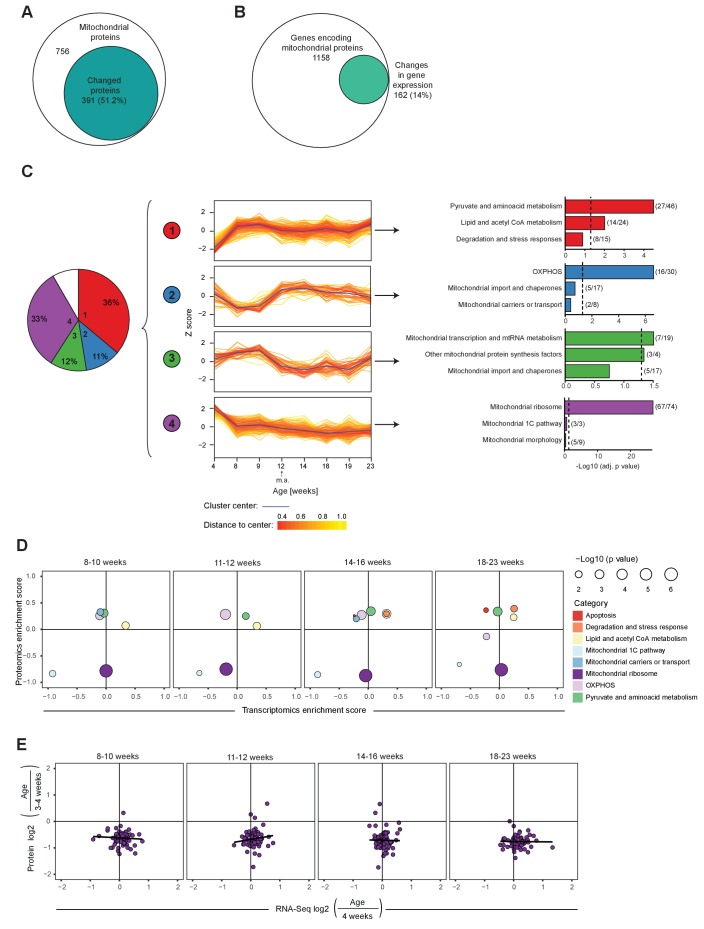
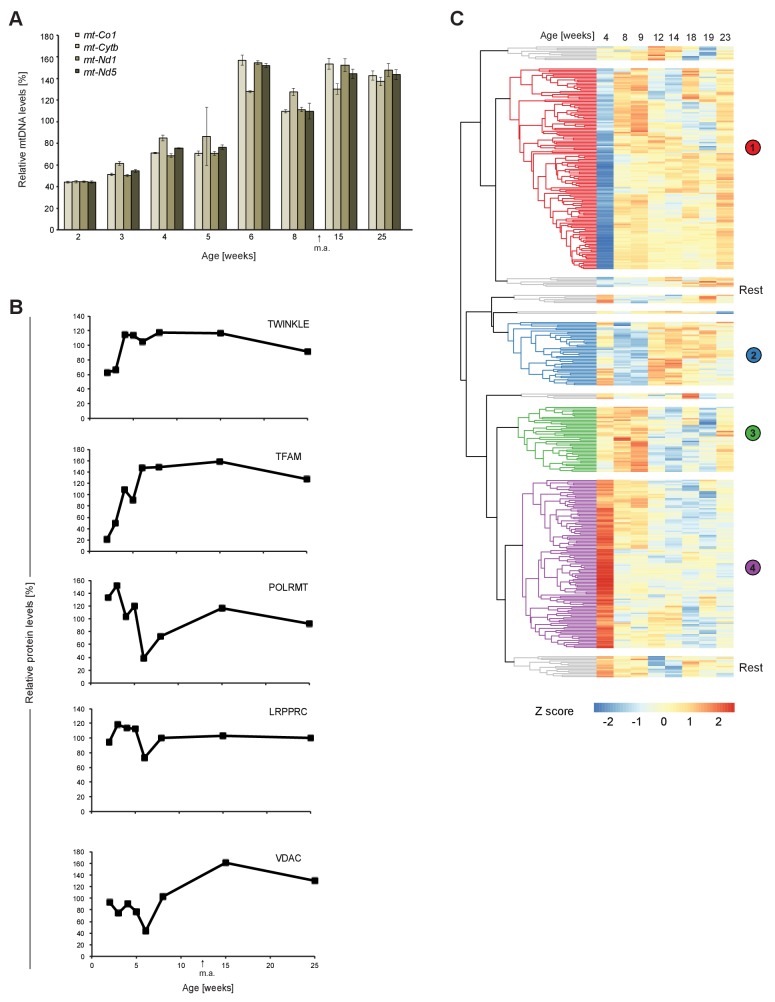
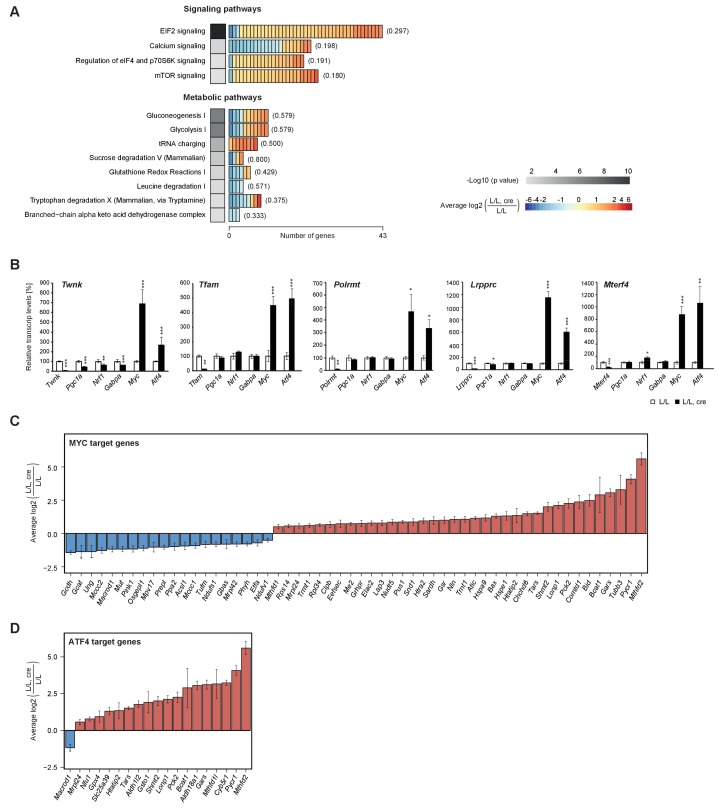
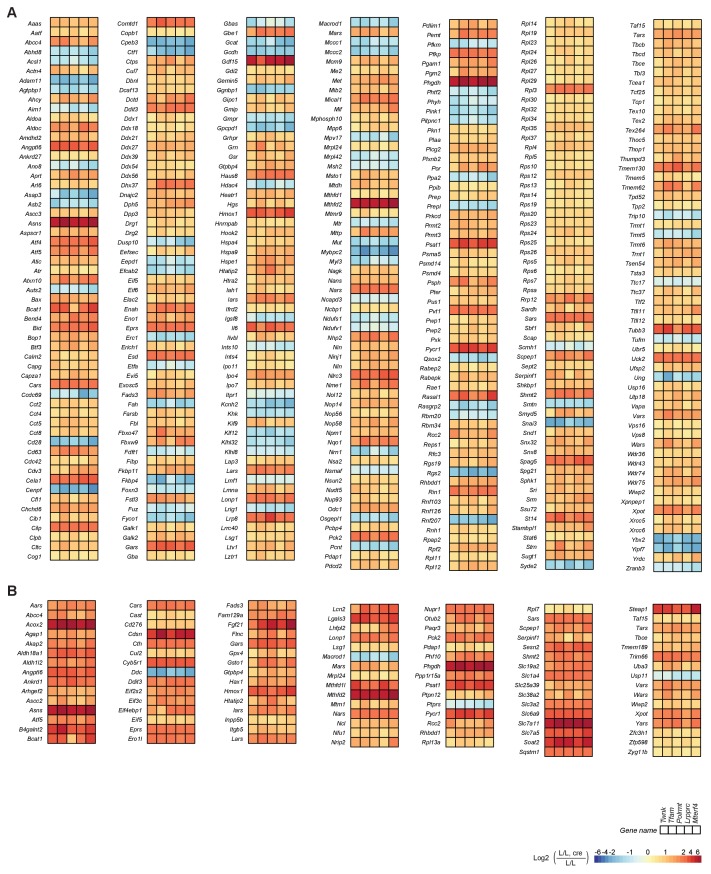
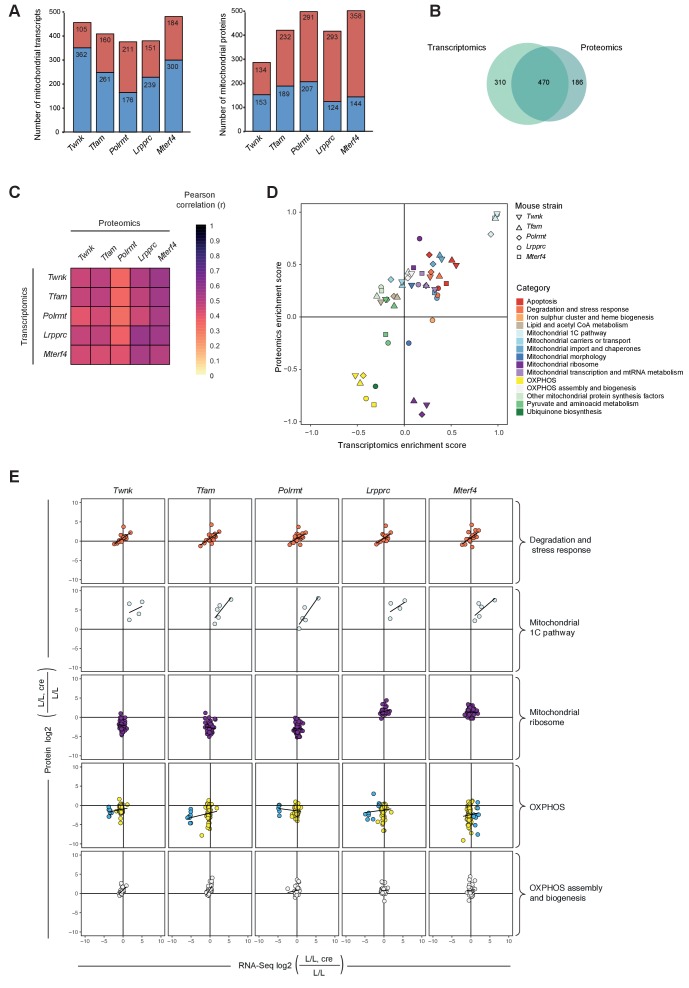
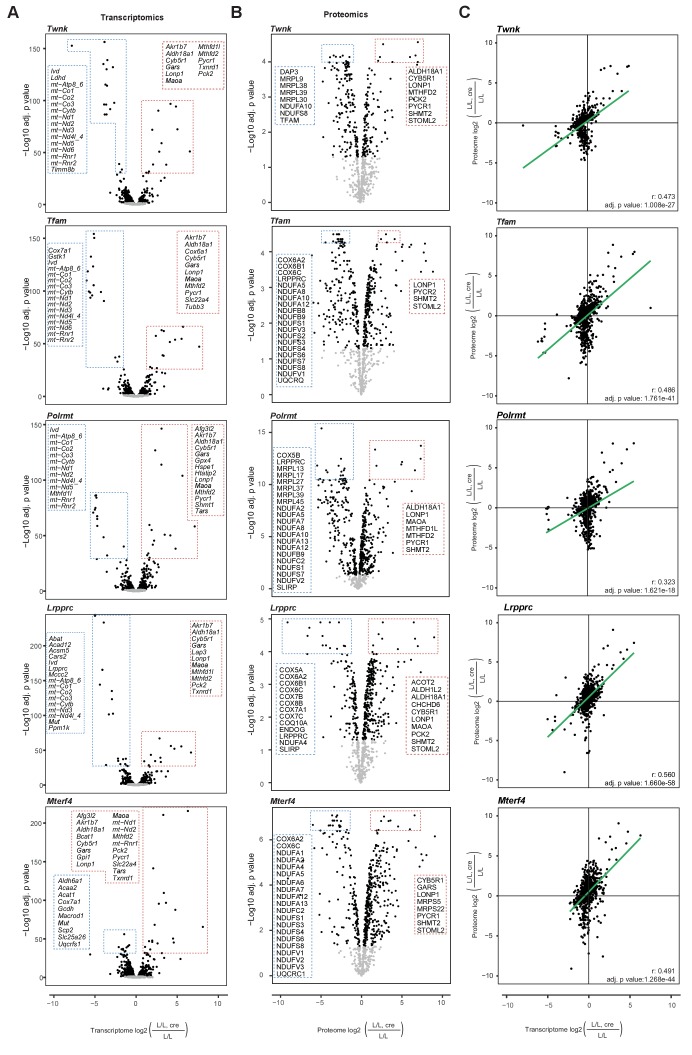
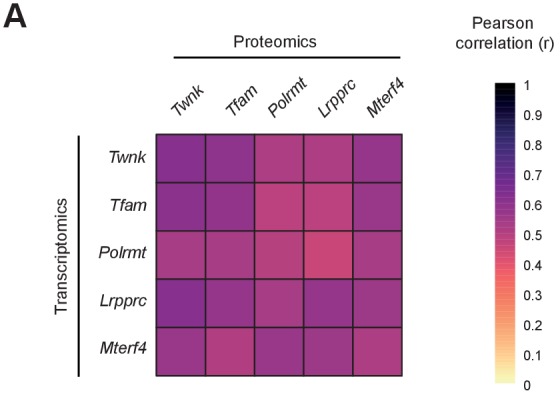
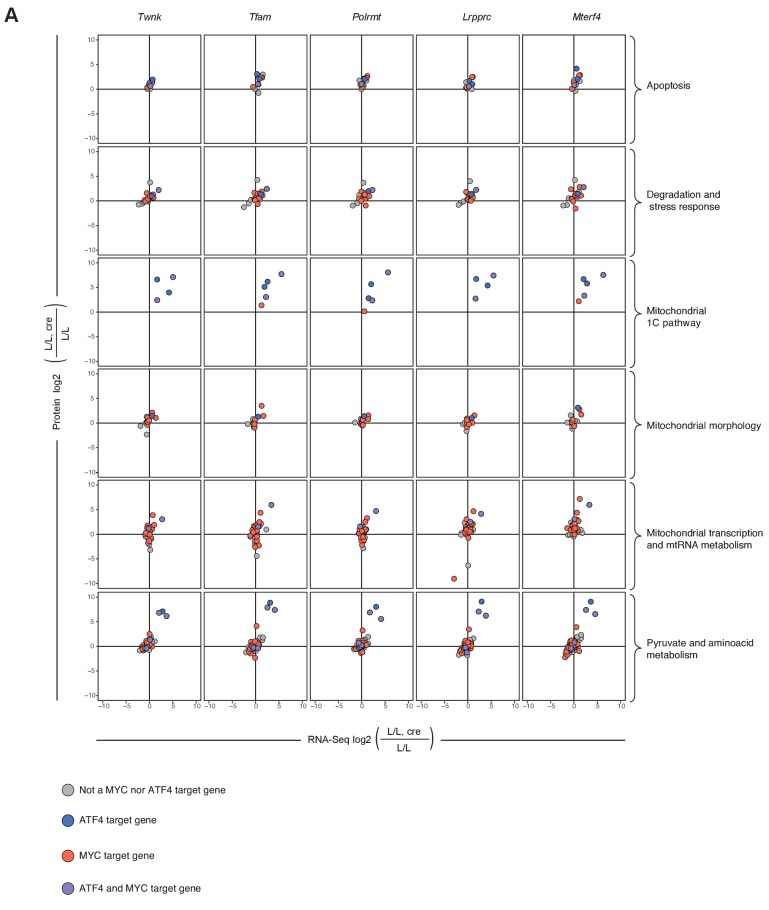
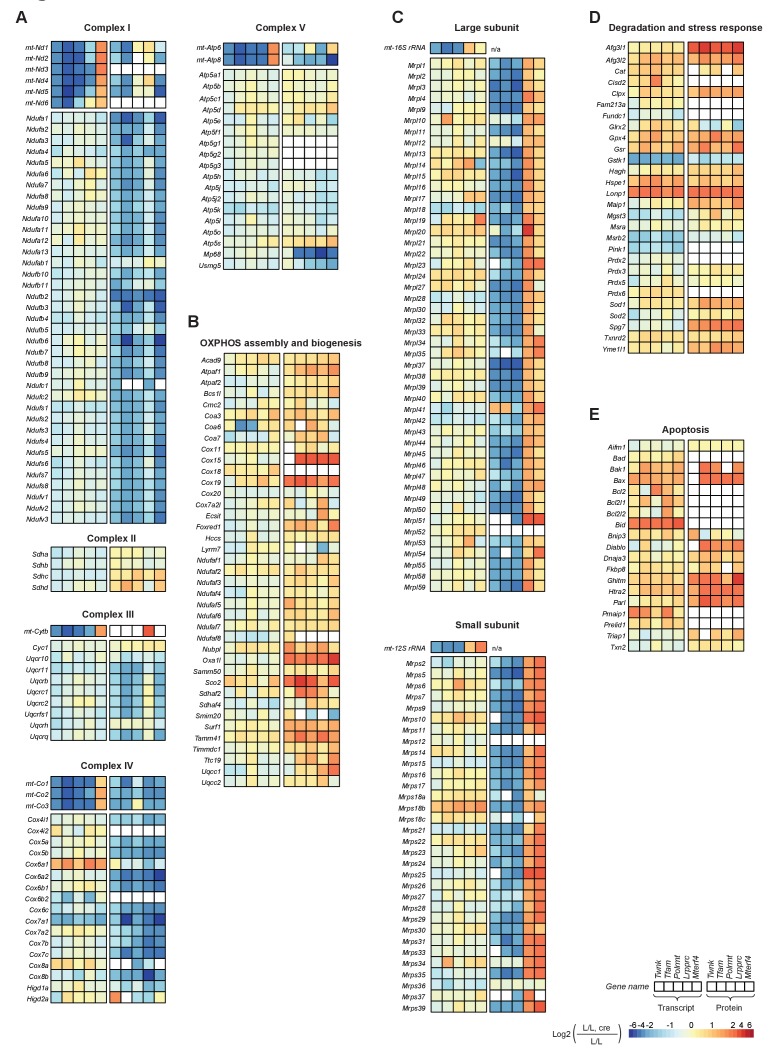
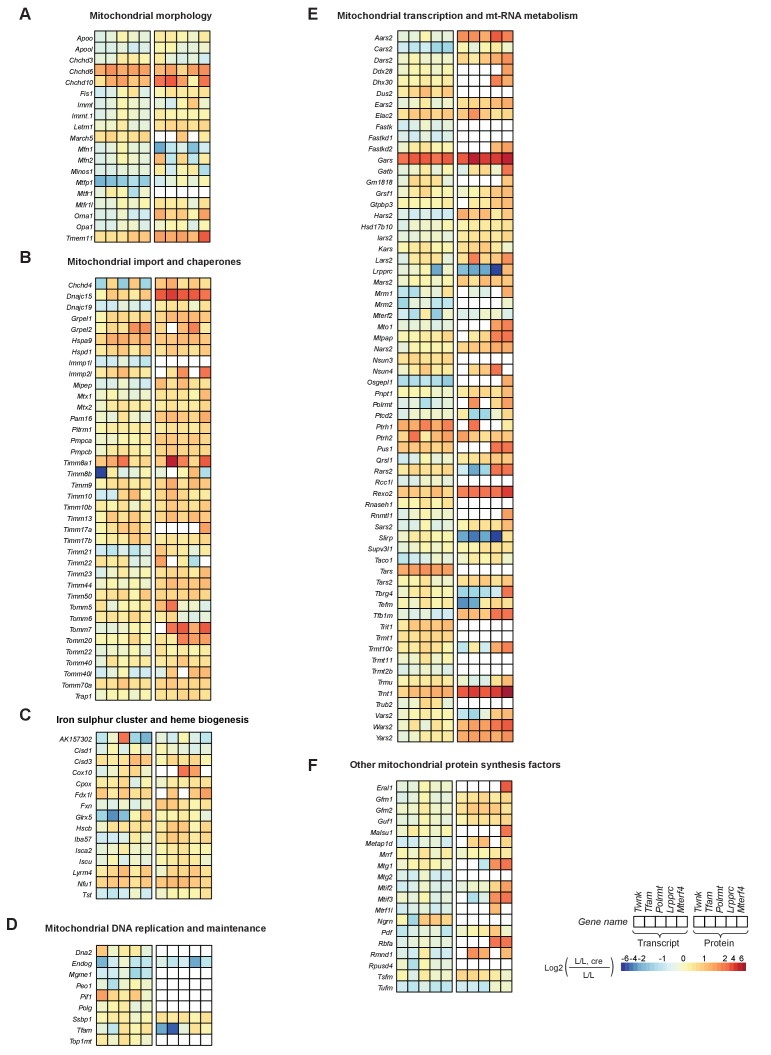
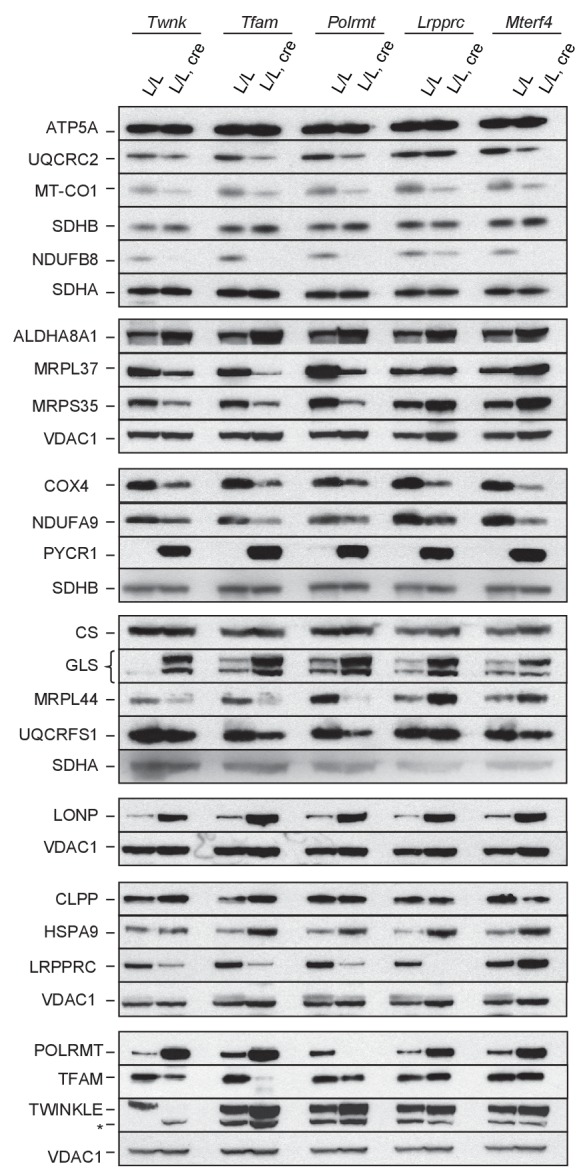
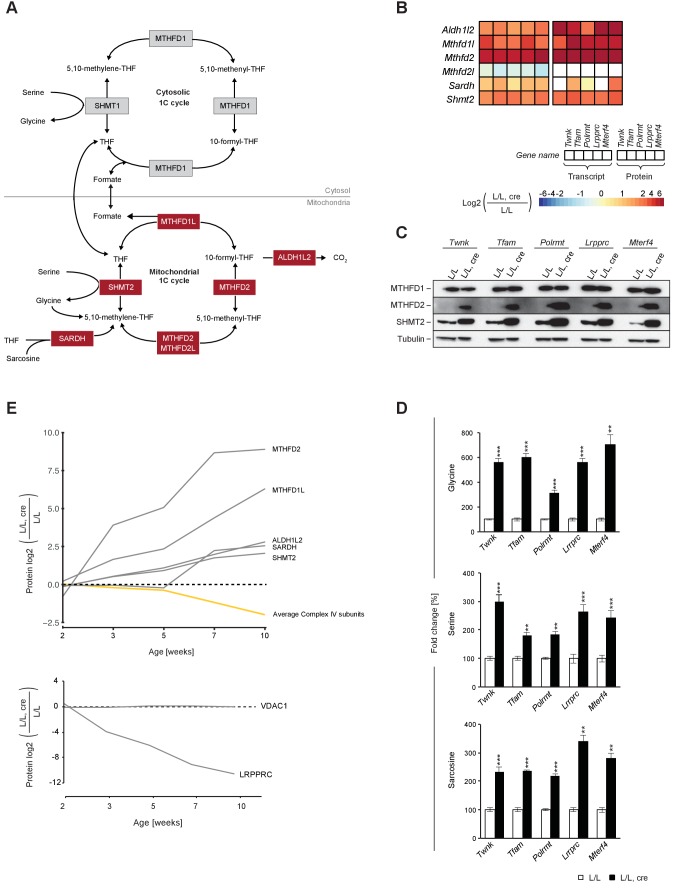
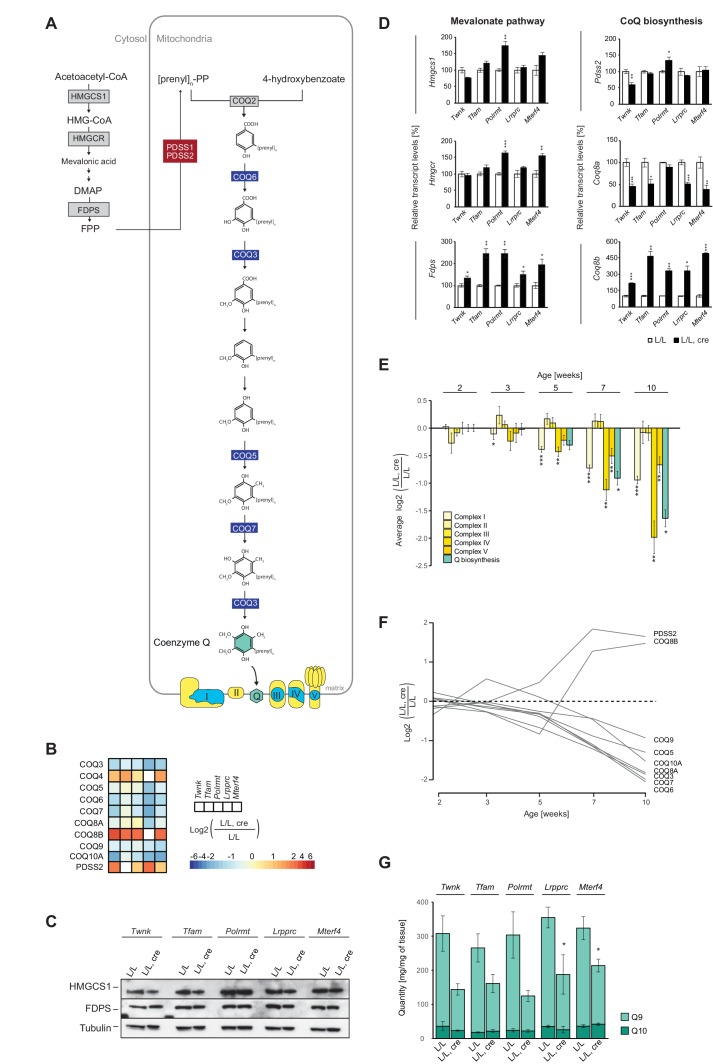
Dysfunction of the oxidative phosphorylation (OXPHOS) system is a major cause of human disease and the cellular consequences are highly complex. Here, we present comparative analyses of mitochondrial proteomes, cellular transcriptomes and targeted metabolomics of five knockout mouse strains deficient in essential factors required for mitochondrial DNA gene expression, leading to OXPHOS dysfunction. Moreover, we describe sequential protein changes during post-natal development and progressive OXPHOS dysfunction in time course analyses in control mice and a middle lifespan knockout, respectively. Very unexpectedly, we identify a new response pathway to OXPHOS dysfunction in which the intra-mitochondrial synthesis of coenzyme Q (ubiquinone, Q) and Q levels are profoundly decreased, pointing towards novel possibilities for therapy. Our extensive omics analyses provide a high-quality resource of altered gene expression patterns under severe OXPHOS deficiency comparing several mouse models, that will deepen our understanding, open avenues for research and provide an important reference for diagnosis and treatment.
氧化磷酸化(OXPHOS)系统功能障碍是人类疾病的主要原因,其细胞后果非常复杂。在这里,我们对 5 种必需因子缺失的敲除鼠的线粒体蛋白质组、细胞转录组和靶向代谢组进行了比较分析,这些必需因子是线粒体 DNA 基因表达所必需的,导致 OXPHOS 功能障碍。此外,我们分别描述了在出生后发育过程中和在对照小鼠和中年敲除鼠的时间进程分析中进行的渐进性 OXPHOS 功能障碍期间的连续蛋白质变化。非常出人意料的是,我们在 OXPHOS 功能障碍中鉴定出一种新的反应途径,其中辅酶 Q(泛醌,Q)的线粒体内部合成和 Q 水平都明显降低,这为治疗提供了新的可能性。我们的广泛的组学分析提供了在几种小鼠模型中严重 OXPHOS 缺乏下改变的基因表达模式的高质量资源,这将加深我们的理解,为研究开辟途径,并为诊断和治疗提供重要参考。