Lopes Pires Maria E, Clarke Simon R, Marcondes Sisi, Gibbins Jonathan M
School of Biological Science, Institute for Cardiovascular and Metabolic Research, University of Reading, Reading, Berkshire, United Kingdom.
Department of Pharmacology, Faculty of Medical Sciences, University of Campinas (UNICAMP), Campinas, SP, Brazil.
PLoS One. 2017 Nov 14;12(11):e0186981. doi: 10.1371/journal.pone.0186981. eCollection 2017.
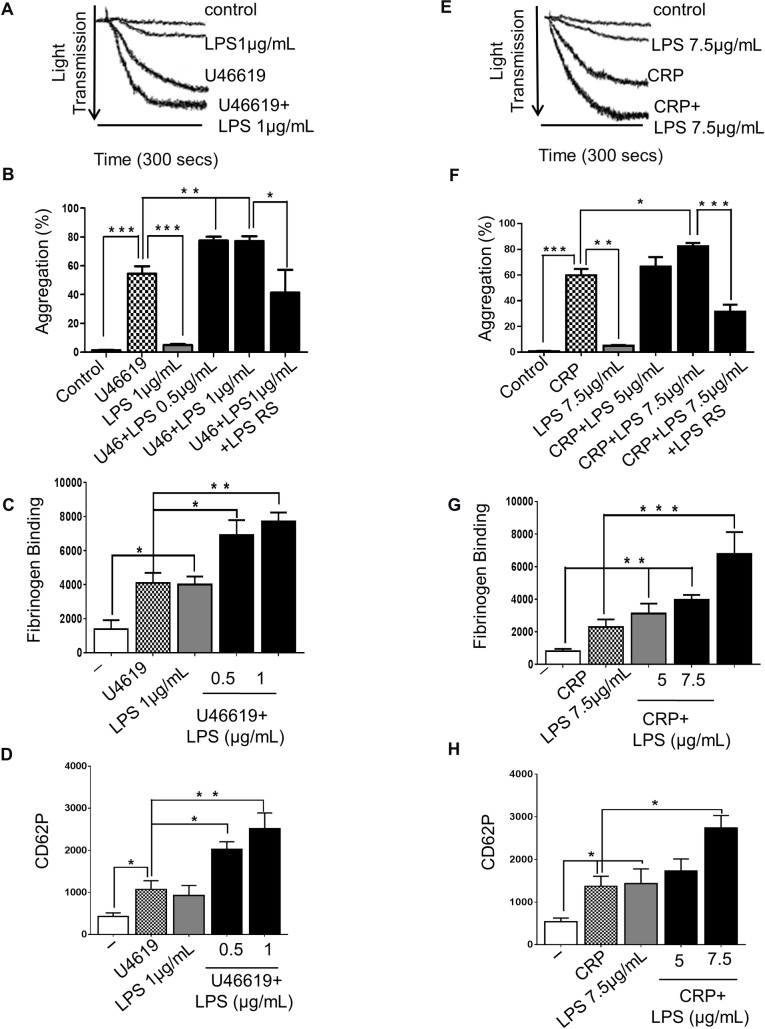
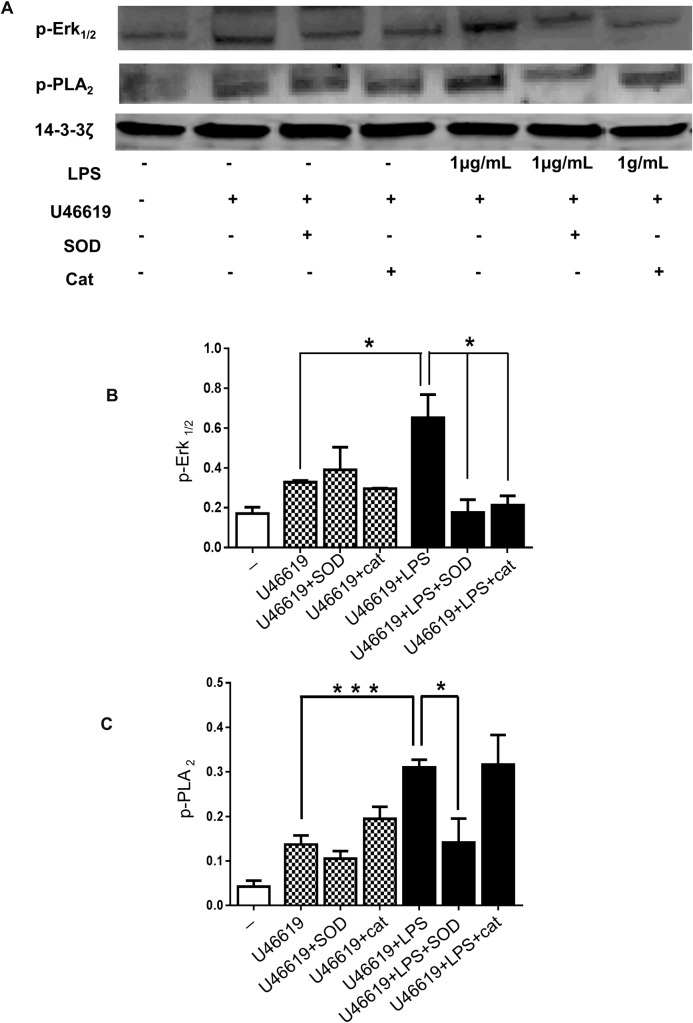
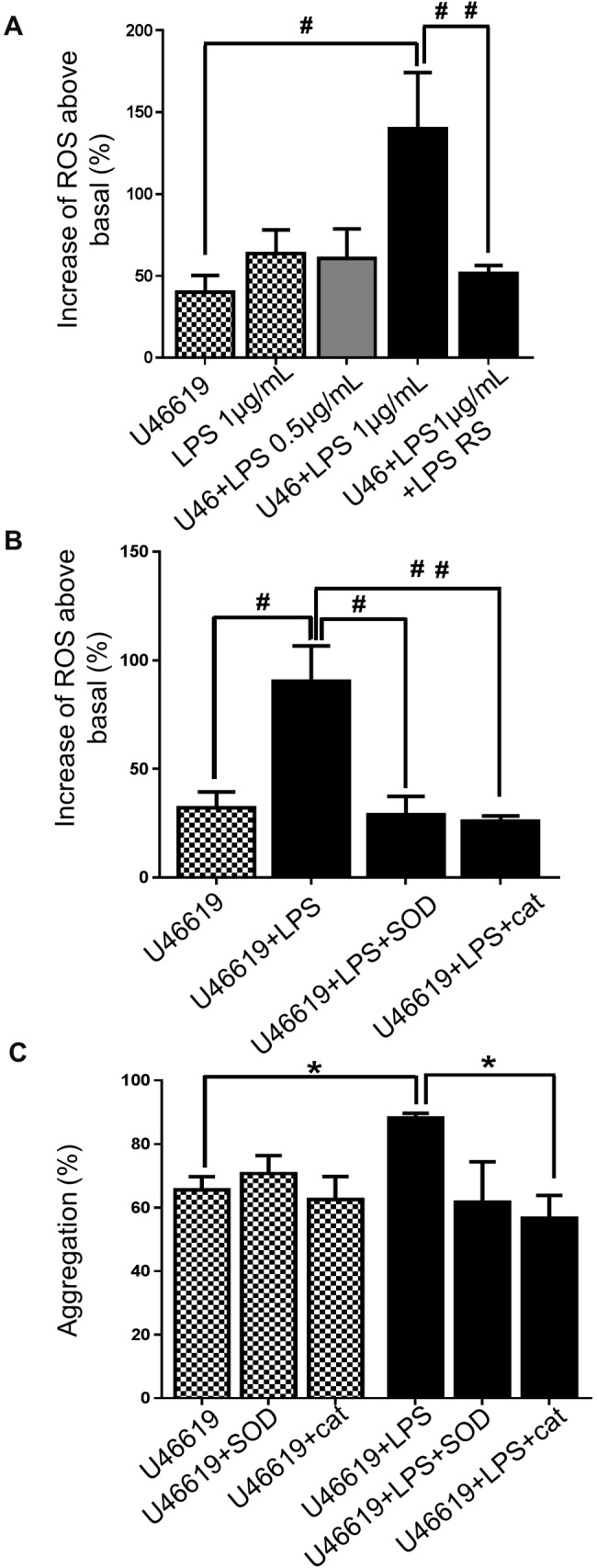
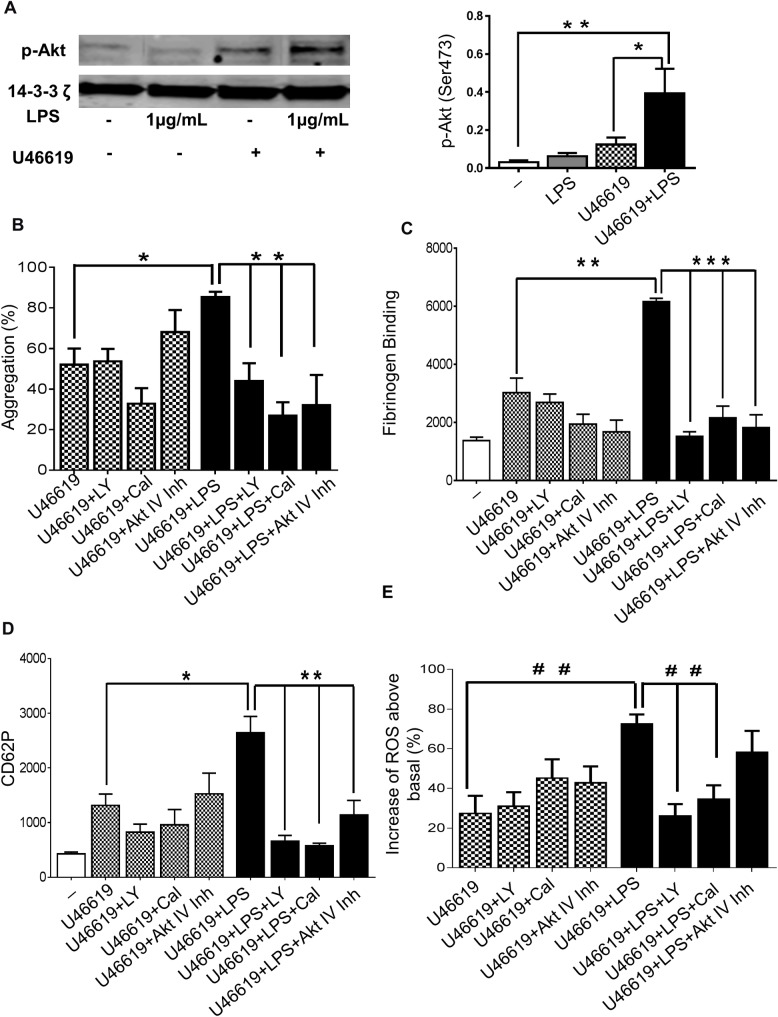
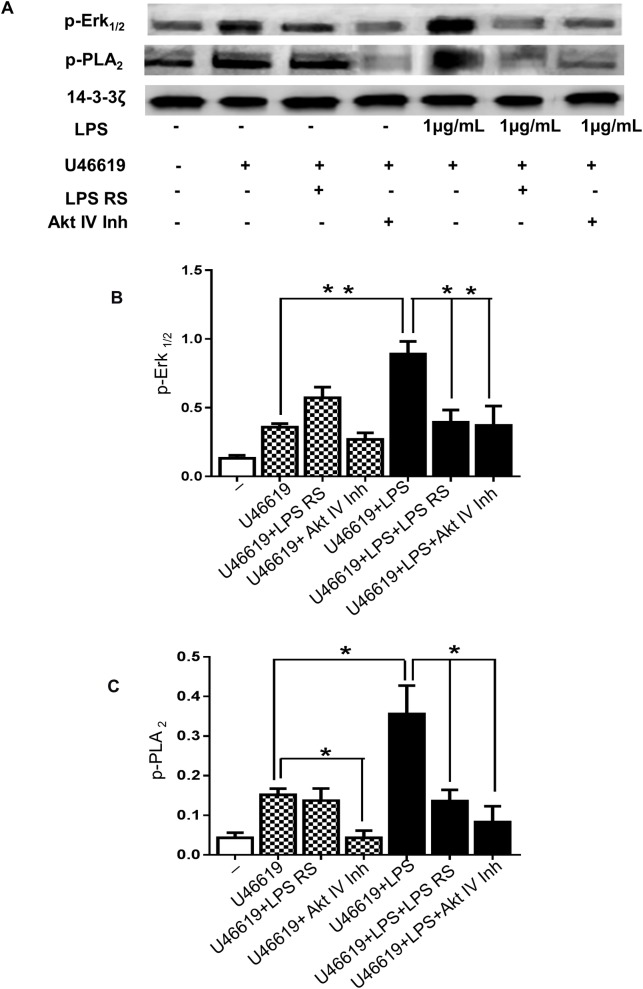
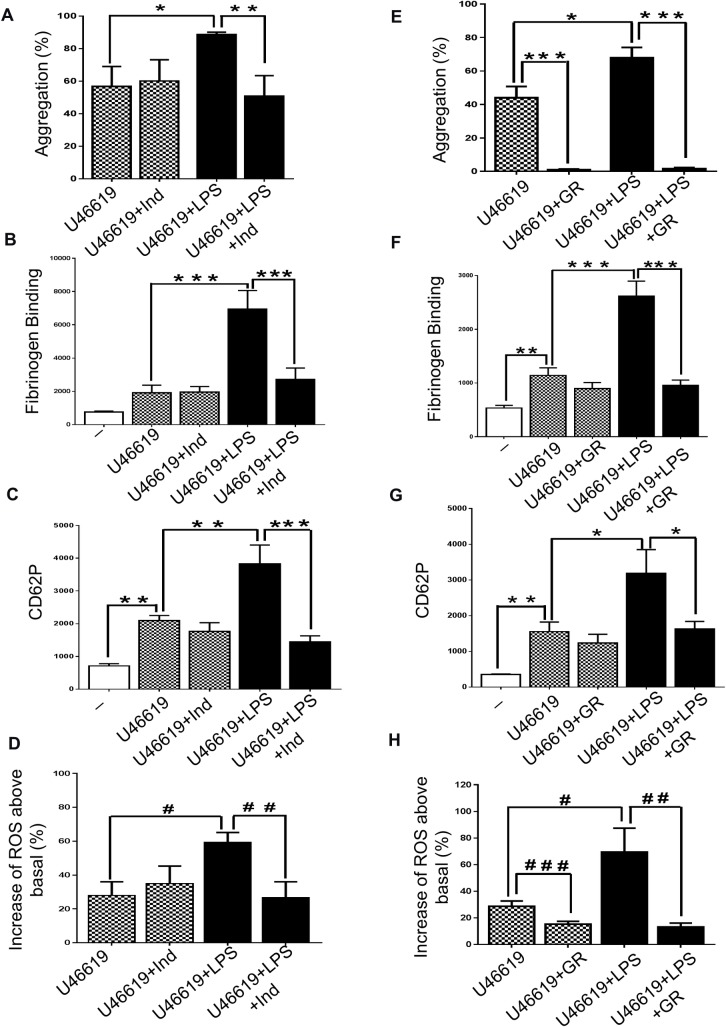
Lipopolysaccharide (LPS) from the cell envelope of Gram-negative bacteria is a principal cause of the symptoms of sepsis. LPS has been reported to modulate the function of platelets although the underlying mechanisms of LPS action in these cells remain unclear. Platelets express the Toll-like receptor 4 (TLR4) which serves as a receptor for LPS, although the potential role of TLR4 and associated cell signalling in controlling platelet responses to LPS has not been extensively explored. In this study, we therefore investigated the actions of LPS prepared from different strains of Escherichia coli on platelet function, the underlying signalling mechanisms, and the potential role of TLR4 in orchestrating these. We report that LPS increased the aggregation of washed platelets stimulated by thromboxane (U46619) or GPVI collagen receptor agonists, effects that were prevented by a TLR4 antagonist. Associated with this, LPS enhanced fibrinogen binding, P-selectin exposure and reactive oxygen species (ROS) release. Increase of ROS was found to be important for the actions of LPS on platelets, since these were inhibited in the presence of superoxide dismutase or catalase. The effects of LPS were associated with phosphorylation of Akt, ERK1/2 and PLA2 in stimulated platelets, and inhibitors of PI3-kinase, Akt and ERK1/2 reduced significantly LPS enhanced platelet function and associated ROS production. Furthermore, inhibition of platelet cyclooxygenase or the thromboxane receptor, revealed an important role for thromboxane A2. We therefore conclude that LPS increases human platelet activation through a TLR4-PI3K-Akt-ERK1/2-PLA2 -dependent pathway that is dependent on ROS and TXA2 formation.
革兰氏阴性菌细胞膜中的脂多糖(LPS)是脓毒症症状的主要诱因。据报道,LPS可调节血小板功能,但其在这些细胞中的作用机制尚不清楚。血小板表达Toll样受体4(TLR4),它作为LPS的受体,尽管TLR4及相关细胞信号在控制血小板对LPS反应中的潜在作用尚未得到广泛研究。因此,在本研究中,我们研究了不同大肠杆菌菌株制备的LPS对血小板功能的作用、潜在的信号传导机制以及TLR4在协调这些作用中的潜在作用。我们报告称,LPS增加了由血栓素(U46619)或糖蛋白VI胶原受体激动剂刺激的洗涤血小板的聚集,这些作用可被TLR4拮抗剂阻止。与此相关的是,LPS增强了纤维蛋白原结合、P-选择素暴露和活性氧(ROS)释放。发现ROS的增加对LPS作用于血小板很重要,因为在超氧化物歧化酶或过氧化氢酶存在的情况下这些作用受到抑制。LPS的作用与刺激的血小板中Akt、ERK1/2和PLA2的磷酸化有关,PI3激酶、Akt和ERK1/2的抑制剂显著降低了LPS增强的血小板功能和相关的ROS产生。此外,抑制血小板环氧化酶或血栓素受体,揭示了血栓素A2的重要作用。因此,我们得出结论,LPS通过依赖于ROS和TXA2形成的TLR4-PI3K-Akt-ERK1/2-PLA2依赖性途径增加人血小板活化。