Wang Jiaoli, Wu Yilei, Guo Jufeng, Fei Xuefeng, Yu Lei, Ma Shenglin
Department of Respiratory Medicine, Nanjing Medical University, Affiliated Hangzhou Hospital (Hangzhou First People's Hospital), Hangzhou, China.
Department of General Surgery, Ruian People's Hospital, Wenzhou, China.
Oncotarget. 2017 Jun 27;8(47):81880-81891. doi: 10.18632/oncotarget.18737. eCollection 2017 Oct 10.
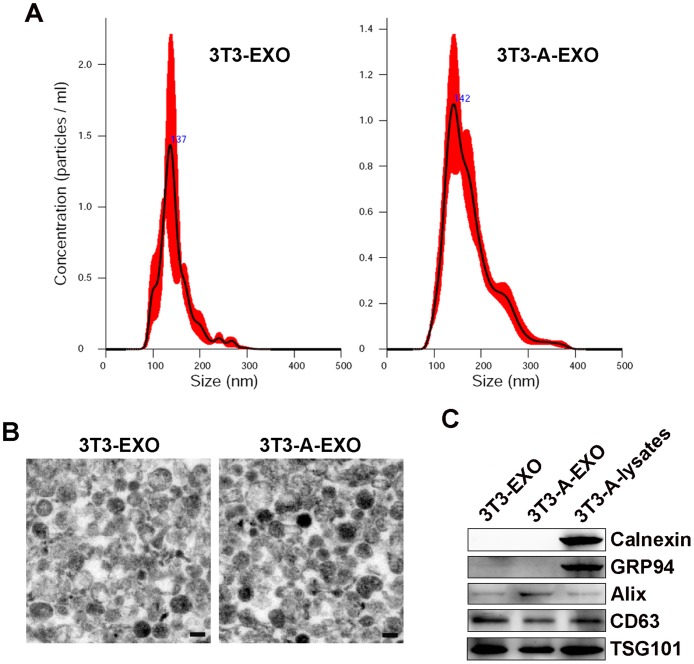
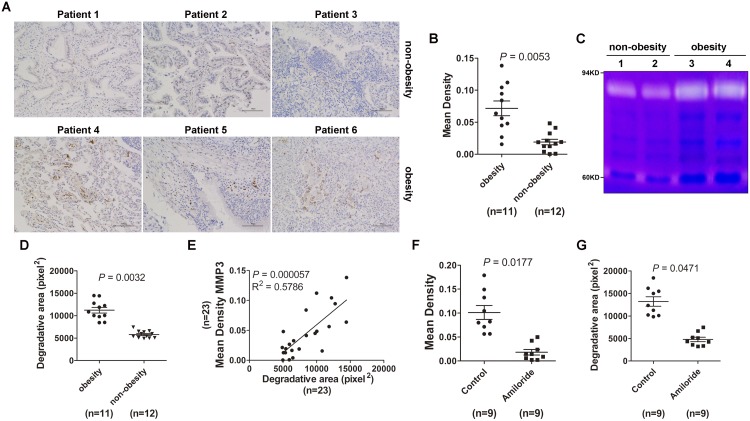
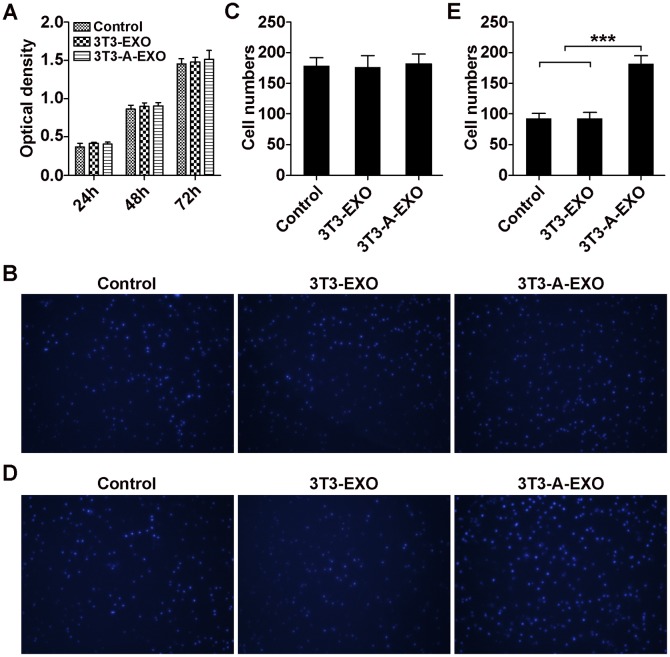
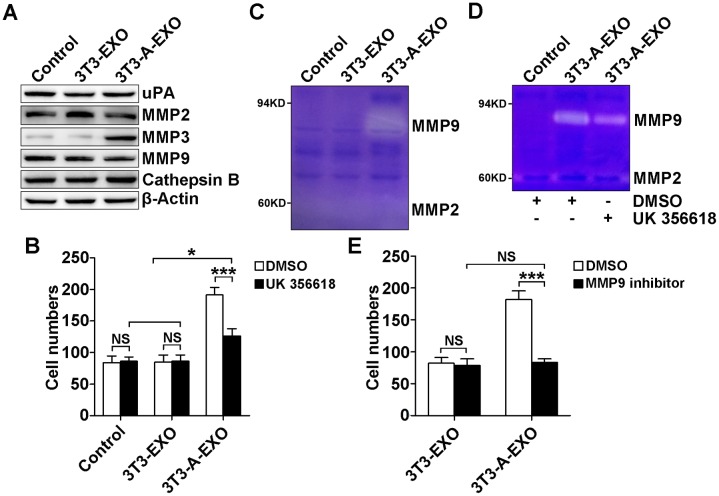
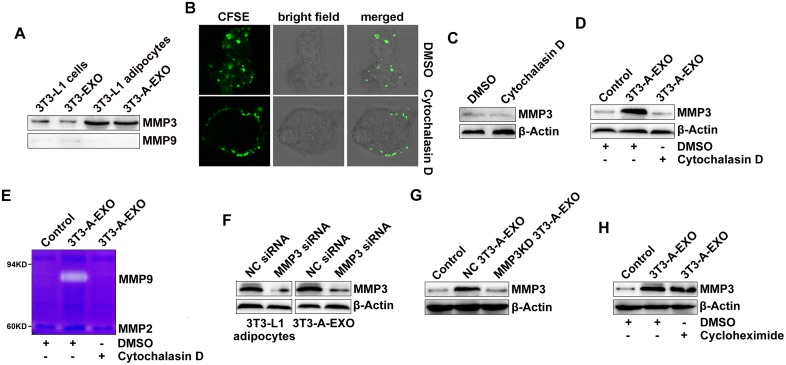
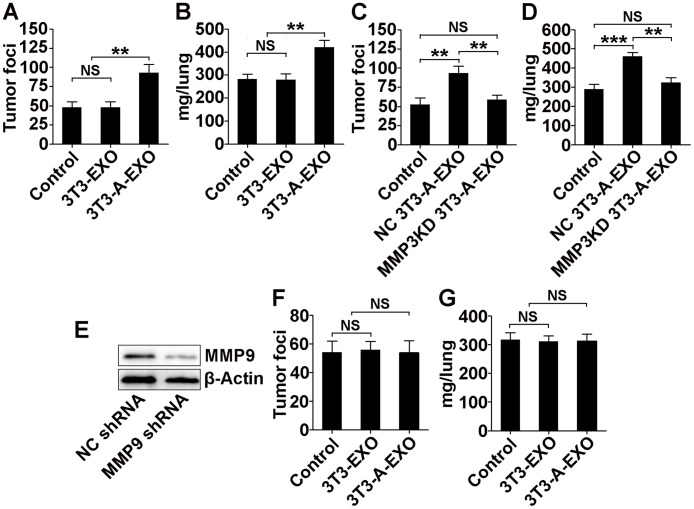
Obesity is involved in tumor progression. However, the corresponding mechanisms remain largely unknown. Here, we report that adipocytes increase the invasive ability of tumor cells by producing exosomes with a high level of MMP3. Compared with 3T3-L1 cells, 3T3-L1 adipocytes are enriched in MMP3 protein and can transfer MMP3 to 3LL lung cancer cells. Then, MMP3 activates MMP9 activity in 3LL cells and promotes invasion and via MMP9. Furthermore, MMP3 protein levels in lung tumor tissues from obese patients are increased compared with those of non-obese patients. In addition, MMP3 protein levels are positively correlated with MMP9 activity in tumor tissues. Therefore, our results reveal a novel mechanism in the adipocyte-derived exosome-mediated promotion of lung tumor metastasis, which extends our knowledge regarding obesity and tumor progression.
肥胖与肿瘤进展有关。然而,相应的机制在很大程度上仍不清楚。在此,我们报告脂肪细胞通过产生高水平基质金属蛋白酶3(MMP3)的外泌体来增加肿瘤细胞的侵袭能力。与3T3-L1细胞相比,3T3-L1脂肪细胞中MMP3蛋白含量丰富,并且能够将MMP3转移至3LL肺癌细胞。然后,MMP3激活3LL细胞中的MMP9活性,并通过MMP9促进侵袭。此外,与非肥胖患者相比,肥胖患者肺肿瘤组织中的MMP3蛋白水平升高。另外,肿瘤组织中MMP3蛋白水平与MMP9活性呈正相关。因此,我们的结果揭示了脂肪细胞来源的外泌体介导促进肺肿瘤转移的新机制,这扩展了我们对肥胖与肿瘤进展的认识。