Kapur Sakshi, Xiao Han, Zakowski Maureen F, Hameed Meera R, Levin Miles B
Department of Internal Medicine, Overlook Medical Center, 99 Beauvoir Ave, Summit, NJ 07902, USA.
Division of Medical Oncology, Memorial Sloan-Kettering Cancer Center Basking Ridge, 136 Mountain View Boulevard, Basking Ridge, NJ 07920, USA.
World J Oncol. 2014 Apr;5(2):81-89. doi: 10.14740/wjon779w. Epub 2014 May 6.
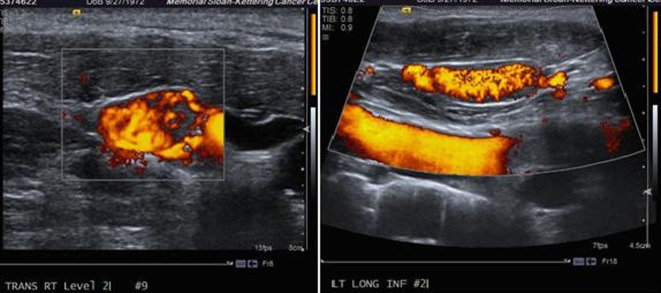
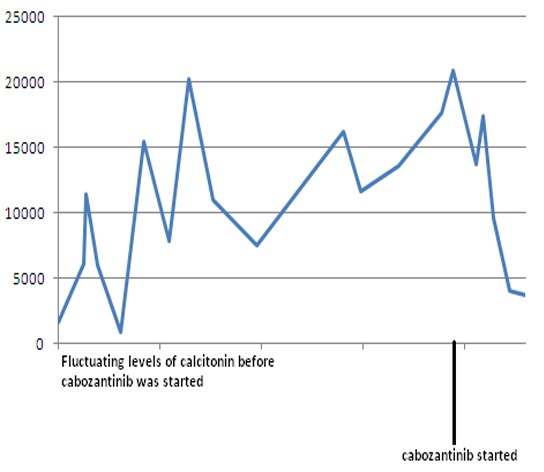
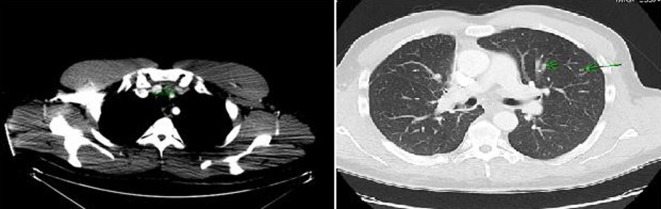
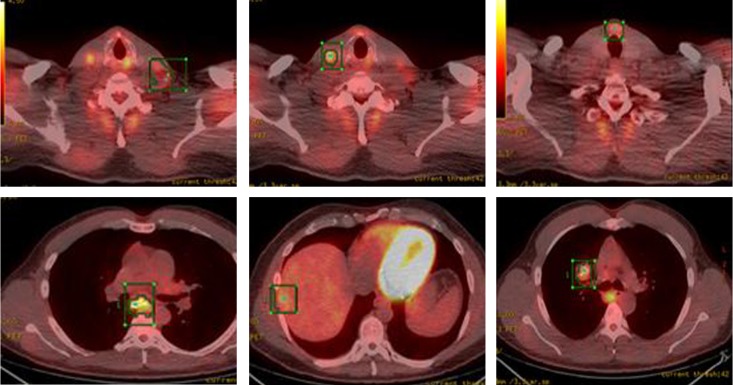
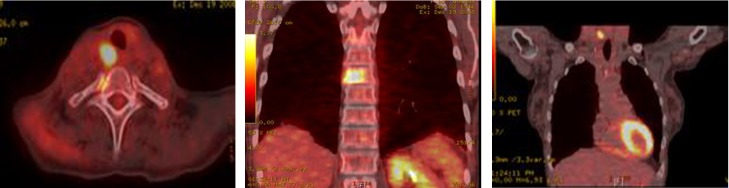
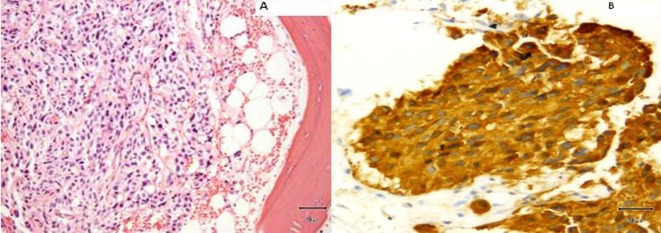
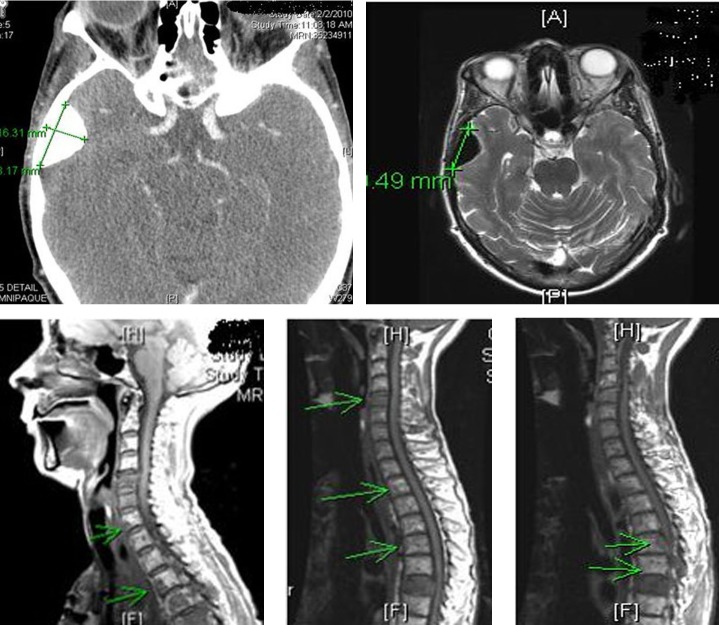
Cabozantinib, a tyrosine kinase inhibitor, was approved by the US Food and Drug Administration in November 2012, for the treatment of metastatic medullary thyroid carcinoma. Although side effects typically include stomatitis, palmar-plantar erythrodysesthesia syndrome, hypertension and diarrhea, most patients are able to tolerate the recommended dose of 140 mg daily. Surgical resection is the primary treatment for medullary thyroid carcinoma. Patients with metastatic disease, who are not candidates for surgery, are considered candidates for systemic therapy. However, systemic chemotherapy has a limited role in metastatic disease. Our paper highlights not only the malignant potential of a medullary thyroid carcinoma, but also the role of cabozantinib in patients with progressive metastatic disease. We report two cases of patients with progressive metastatic medullary thyroid carcinoma (involving lung, lymph nodes, liver, pancreas, brain and spine) who responded well to therapy with cabozantinib.
卡博替尼是一种酪氨酸激酶抑制剂,于2012年11月获美国食品药品监督管理局批准,用于治疗转移性甲状腺髓样癌。虽然副作用通常包括口腔炎、手足红斑感觉异常综合征、高血压和腹泻,但大多数患者能够耐受每日140毫克的推荐剂量。手术切除是甲状腺髓样癌的主要治疗方法。有转移性疾病且不适合手术的患者被视为全身治疗的候选者。然而,全身化疗在转移性疾病中的作用有限。我们的论文不仅强调了甲状腺髓样癌的恶性潜能,还突出了卡博替尼在进行性转移性疾病患者中的作用。我们报告了两例进行性转移性甲状腺髓样癌(累及肺、淋巴结、肝、胰腺、脑和脊柱)患者,他们对卡博替尼治疗反应良好。