Guo Zhiqiang, Li Yan, Zhang Dandan, Ma Jiaying
Department of Gynecology and Obstetrics, Shengjing Hospital, China Medical University, ShenYang, China.
Department of Biotherapy, Cancer Research Institute, The First Affiliated Hospital of China Medical University, ShenYang, China.
Oncotarget. 2017 Sep 21;8(52):89761-89774. doi: 10.18632/oncotarget.21125. eCollection 2017 Oct 27.
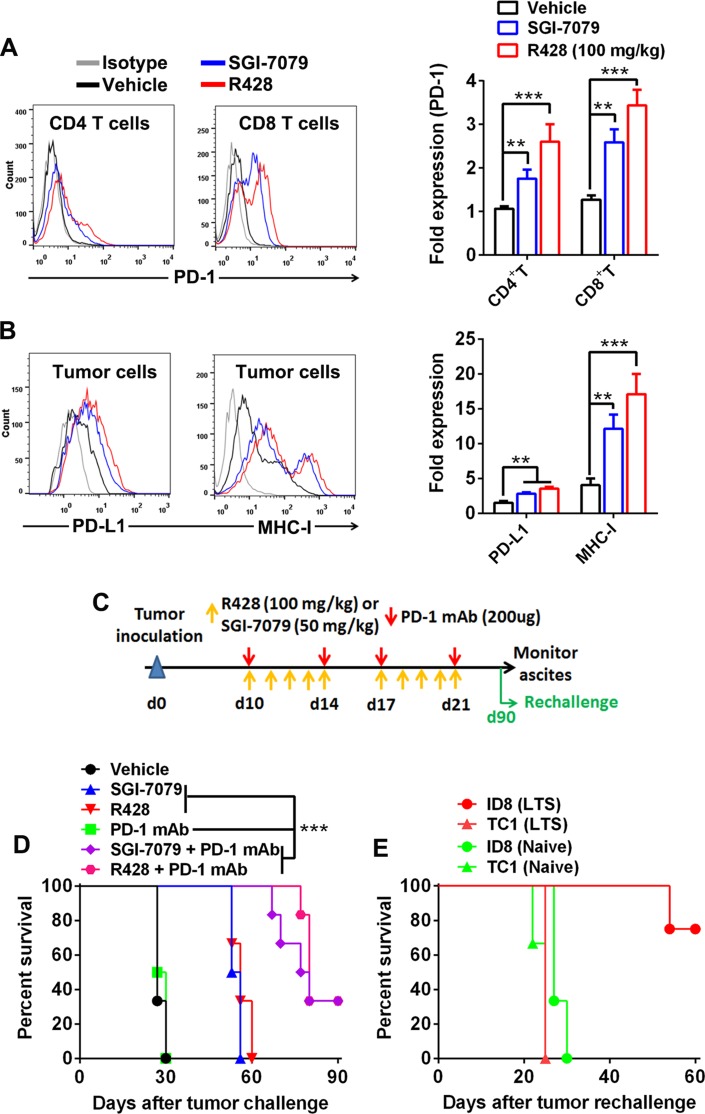
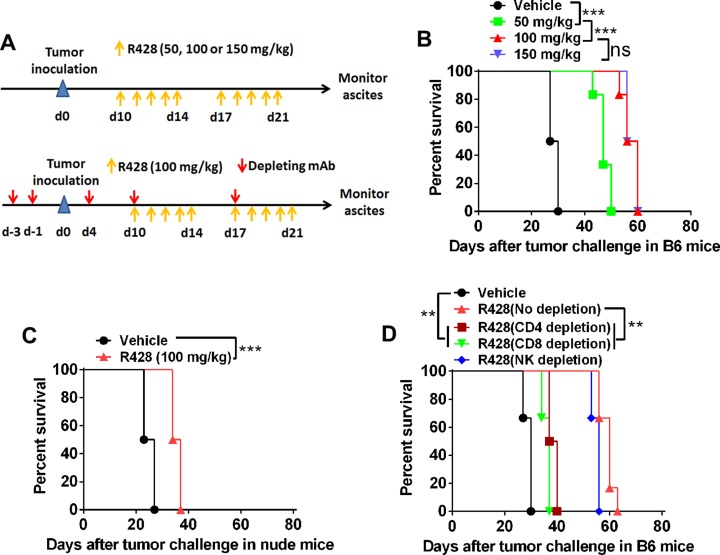
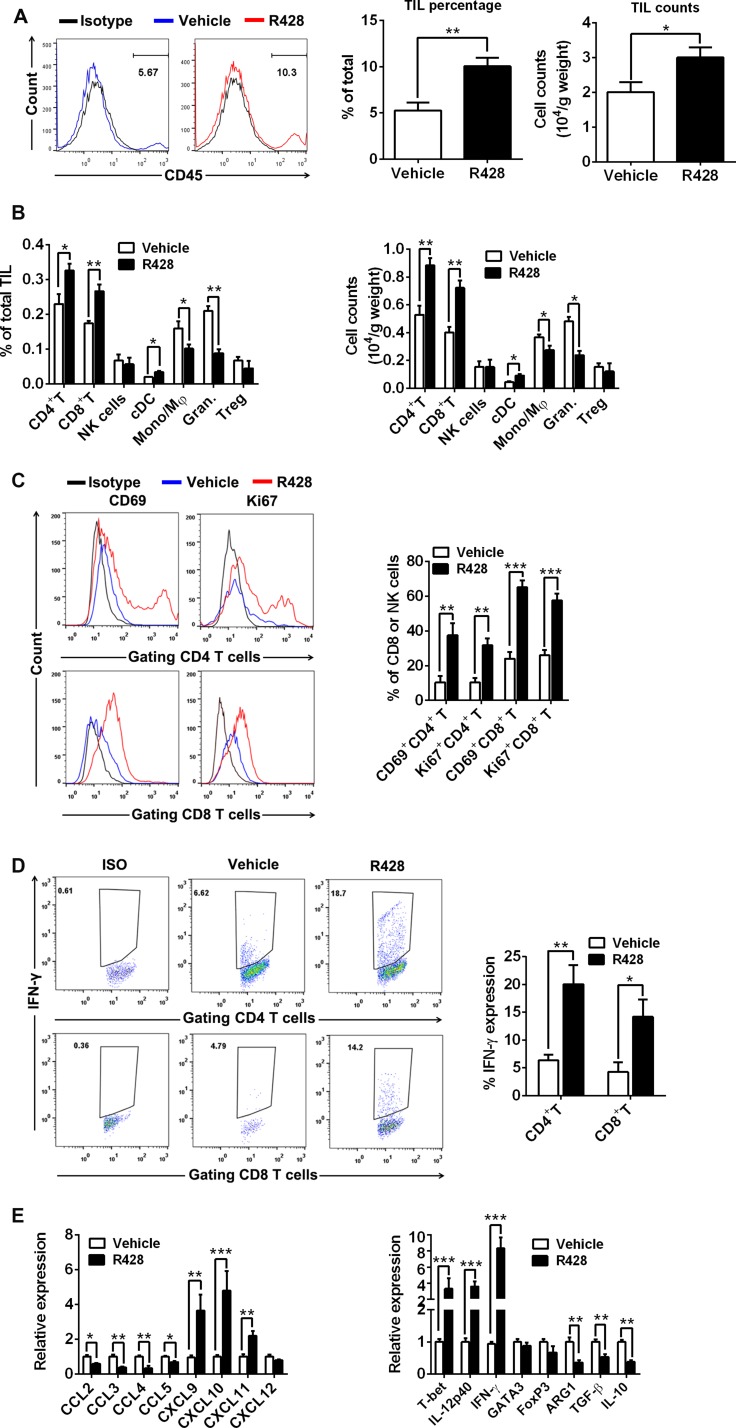
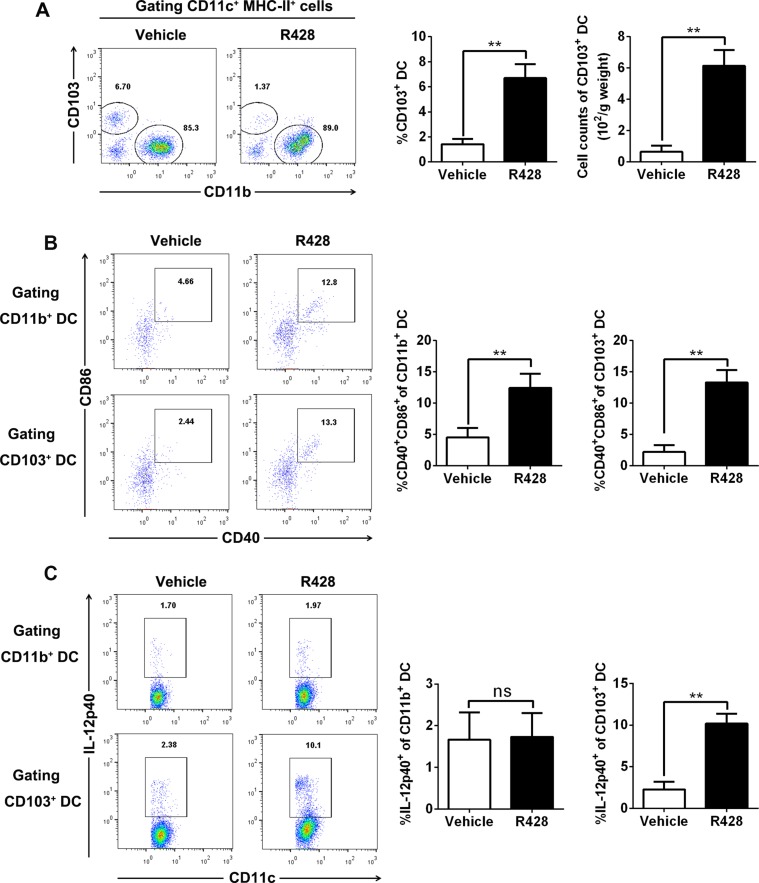
Immune checkpoint blockers (ICB) have emerged as a promising new class of antitumor agents which significantly change the treatment landscape in a range of tumors; however, cancer patients benefited from ICB-based immunotherapy remains limited, scoring the need to explore the combination treatments with synergistic mechanisms of action. Axl receptor tyrosine kinase critically involves in the carcinogenesis of multiple cancers due to its dual roles in both promoting cancer invasion and metastasis and suppressing myeloid cell activation and function. Here, we found that Axl inhibition by tyrosine kinase inhibitors induces antitumor efficacy critically depending on immune effector mechanisms in two highly clinical relevant murine tumor models. Mechanistic investigation defined that Axl inhibition reprograms the immunological microenvironment leading to the increased proliferation, activation and effector function of tumor-infiltrating CD4 and CD8 T cells possibly through preferential accumulation and activation of CD103 cross-presenting dendritic cells. More importantly, we show that Axl inhibition induces an adaptive immune resistance evidenced by unregulated PD-L1 expression on tumor cells and combined Axl inhibition with PD-1 blockade mounts a potent synergistic antitumor efficacy leading to tumor eradication. Thus, Axl-directed therapy in Axl expressing tumors could hold a great potential to subvert the innate and/or adaptive resistance to and broaden the coverage of population benefited from ICB-based immunotherapy.
免疫检查点阻断剂(ICB)已成为一类有前景的新型抗肿瘤药物,显著改变了多种肿瘤的治疗格局;然而,受益于基于ICB的免疫疗法的癌症患者仍然有限,这表明需要探索具有协同作用机制的联合治疗方法。Axl受体酪氨酸激酶因其在促进癌症侵袭和转移以及抑制髓样细胞活化和功能方面的双重作用,在多种癌症的发生发展中起关键作用。在此,我们发现酪氨酸激酶抑制剂对Axl的抑制作用在两种高度临床相关的小鼠肿瘤模型中显著依赖免疫效应机制诱导抗肿瘤疗效。机制研究表明,Axl抑制作用可重塑免疫微环境,可能通过优先积累和激活CD103交叉呈递树突状细胞,导致肿瘤浸润性CD4和CD8 T细胞的增殖、活化和效应功能增强。更重要的是,我们表明Axl抑制作用诱导适应性免疫抗性,表现为肿瘤细胞上PD-L1表达不受调控,并且将Axl抑制与PD-1阻断相结合可产生强大的协同抗肿瘤疗效,导致肿瘤根除。因此,针对表达Axl的肿瘤进行Axl导向治疗可能具有巨大潜力,可颠覆对基于ICB的免疫疗法的固有和/或适应性抗性,并扩大受益人群范围。