Biomedical Sciences Research Institute, Ulster University, Coleraine, Northern Ireland, BT52 1SA, UK.
Avellino Laboratories, Menlo Park, California, CA, 94025, USA.
Sci Rep. 2017 Nov 23;7(1):16174. doi: 10.1038/s41598-017-16279-4.
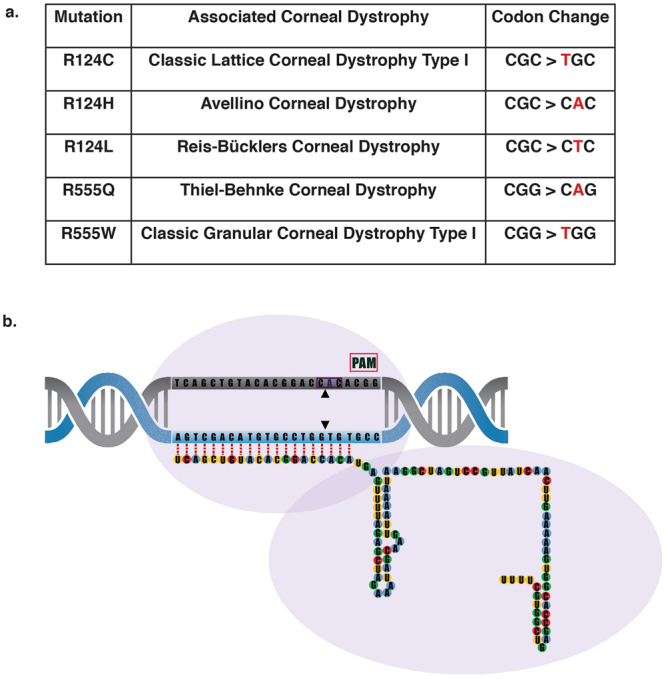
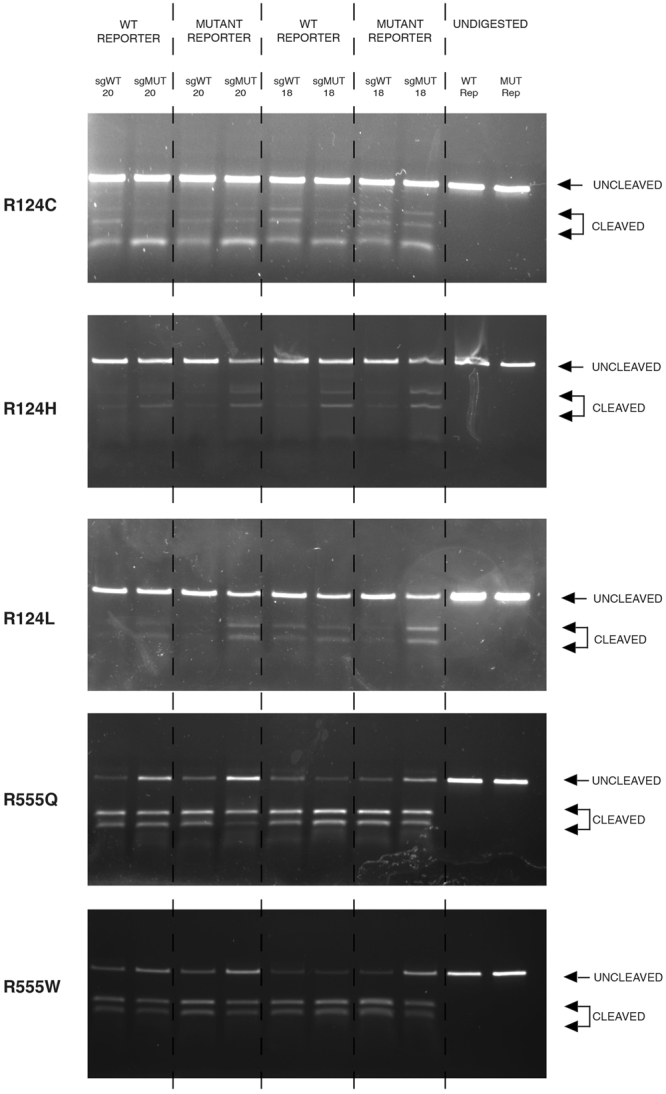
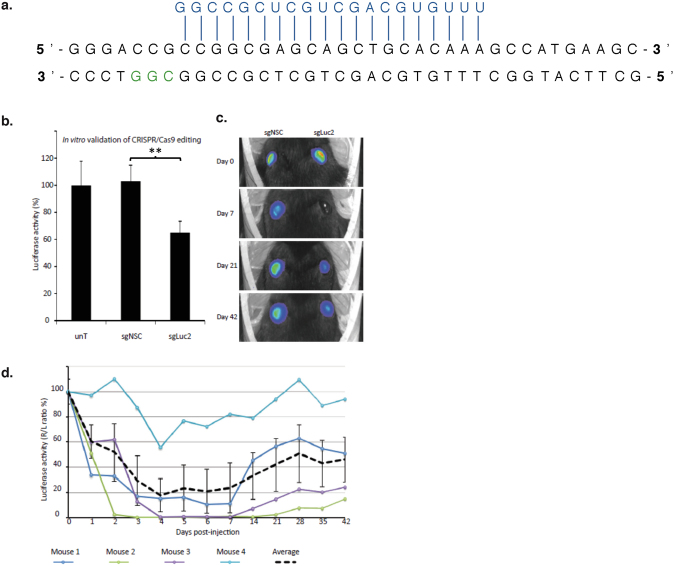
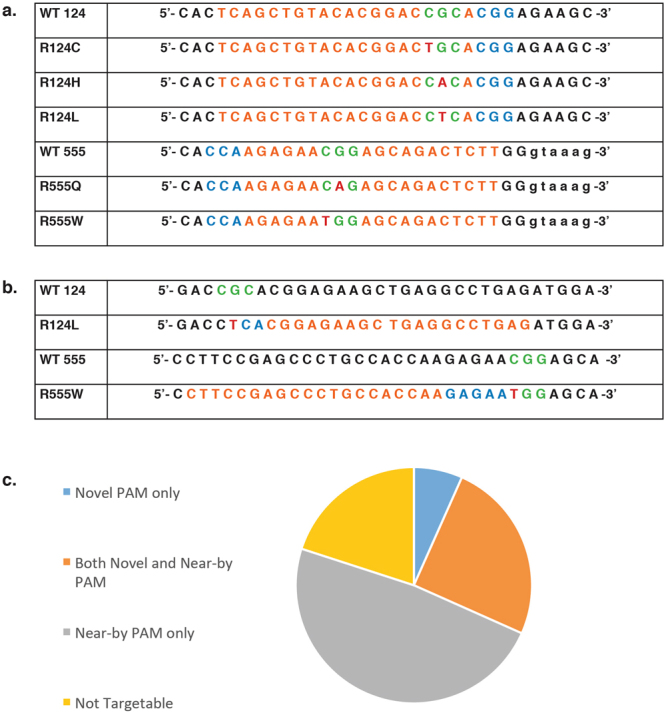
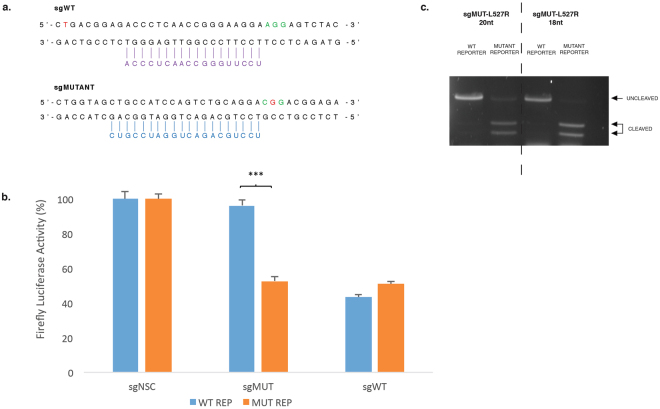
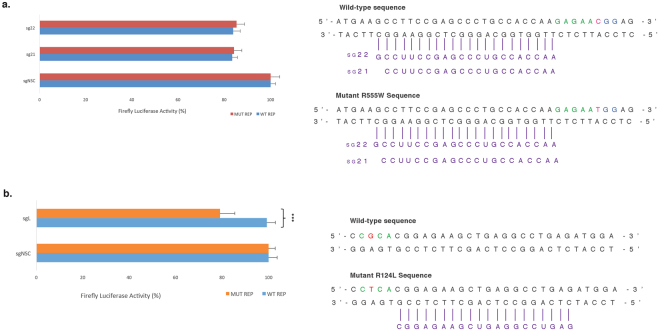
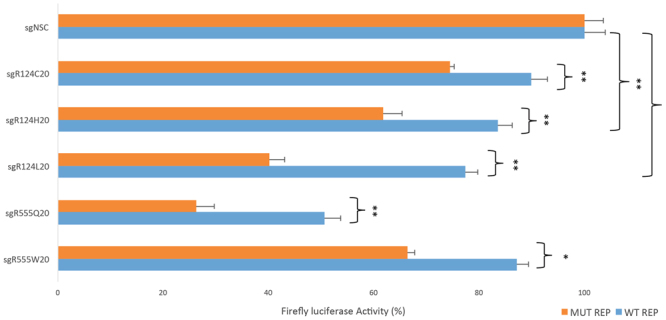
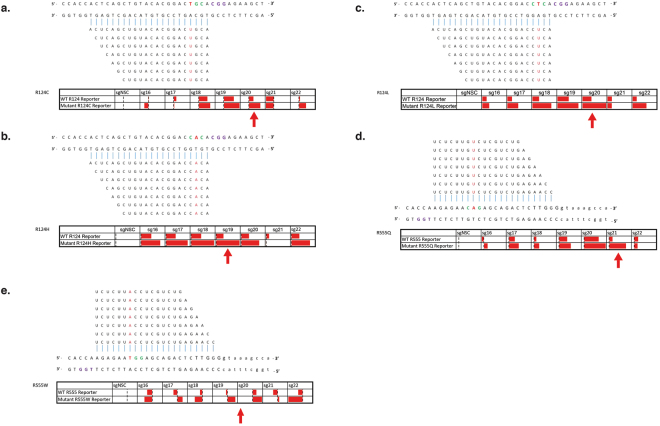
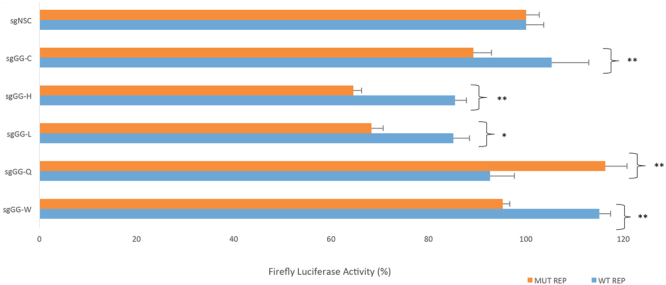
CRISPR/Cas9 holds immense potential to treat a range of genetic disorders. Allele-specific gene disruption induced by non-homologous end-joining (NHEJ) DNA repair offers a potential treatment option for autosomal dominant disease. Here, we successfully delivered a plasmid encoding S. pyogenes Cas9 and sgRNA to the corneal epithelium by intrastromal injection and acheived long-term knockdown of a corneal epithelial reporter gene, demonstrating gene disruption via NHEJ in vivo. In addition, we used TGFBI corneal dystrophies as a model of autosomal dominant disease to assess the use of CRISPR/Cas9 in two allele-specific systems, comparing cleavage using a SNP-derived PAM to a guide specific approach. In vitro, cleavage via a SNP-derived PAM was found to confer stringent allele-specific cleavage, while a guide-specific approach lacked the ability to distinguish between the wild-type and mutant alleles. The failings of the guide-specific approach highlights the necessity for meticulous guide design and assessment, as various degrees of allele-specificity are achieved depending on the guide sequence employed. A major concern for the use of CRISPR/Cas9 is its tendency to cleave DNA non-specifically at "off-target" sites. Confirmation that S. pyogenes Cas9 lacks the specificity to discriminate between alleles differing by a single base-pair regardless of the position in the guide is demonstrated.
CRISPR/Cas9 系统在治疗多种遗传疾病方面具有巨大潜力。非同源末端连接(NHEJ)DNA 修复诱导的等位基因特异性基因敲除为常染色体显性疾病的治疗提供了一种潜在的选择。在这里,我们通过基质内注射成功地将编码 S. pyogenes Cas9 和 sgRNA 的质粒递送到角膜上皮细胞,并实现了角膜上皮报告基因的长期敲低,证明了体内通过 NHEJ 进行基因敲除。此外,我们使用 TGFBI 角膜营养不良作为常染色体显性疾病的模型,评估了 CRISPR/Cas9 在两种等位基因特异性系统中的应用,比较了使用 SNP 衍生的 PAM 进行切割与特异性指导方法。体外实验发现,通过 SNP 衍生的 PAM 进行切割可实现严格的等位基因特异性切割,而特异性指导方法缺乏区分野生型和突变型等位基因的能力。特异性指导方法的失败突出了精心设计和评估指导的必要性,因为根据所使用的指导序列,实现了不同程度的等位基因特异性。CRISPR/Cas9 使用的一个主要问题是它在“脱靶”位点非特异性切割 DNA 的倾向。证明了 S. pyogenes Cas9 缺乏区分单个碱基对差异的等位基因的特异性,无论在指导序列中的位置如何。