Cummins Nathan W, Rizza Stacey, Litzow Mark R, Hua Stephane, Lee Guinevere Q, Einkauf Kevin, Chun Tae-Wook, Rhame Frank, Baker Jason V, Busch Michael P, Chomont Nicolas, Dean Patrick G, Fromentin Rémi, Haase Ashley T, Hampton Dylan, Keating Sheila M, Lada Steven M, Lee Tzong-Hae, Natesampillai Sekar, Richman Douglas D, Schacker Timothy W, Wietgrefe Stephen, Yu Xu G, Yao Joseph D, Zeuli John, Lichterfeld Mathias, Badley Andrew D
Division of Infectious Diseases, Mayo Clinic, Rochester, Minnesota, United States of America.
Division of Hematology, Mayo Clinic, Rochester, Minnesota, United States of America.
PLoS Med. 2017 Nov 28;14(11):e1002461. doi: 10.1371/journal.pmed.1002461. eCollection 2017 Nov.
Notwithstanding 1 documented case of HIV-1 cure following allogeneic stem cell transplantation (allo-SCT), several subsequent cases of allo-SCT in HIV-1 positive individuals have failed to cure HIV-1 infection. The aim of our study was to describe changes in the HIV reservoir in a single chronically HIV-infected patient on suppressive antiretroviral therapy who underwent allo-SCT for treatment of acute lymphoblastic leukemia.
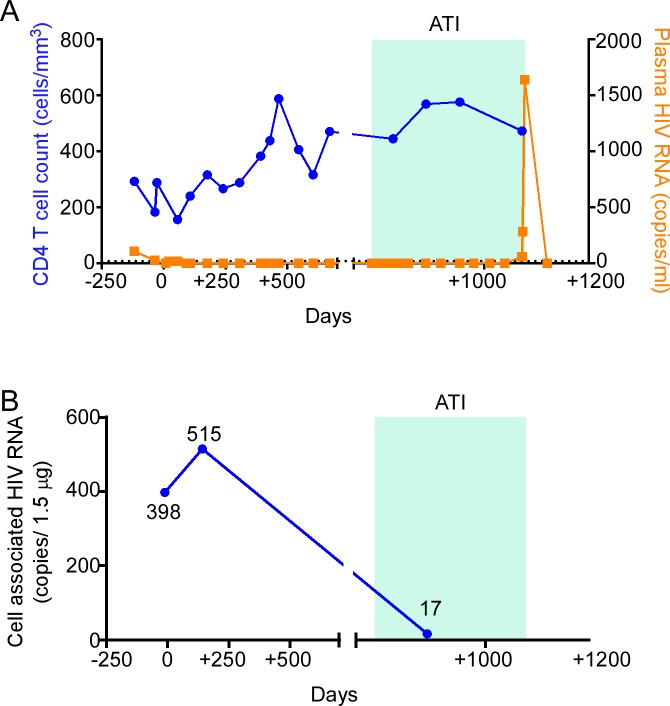
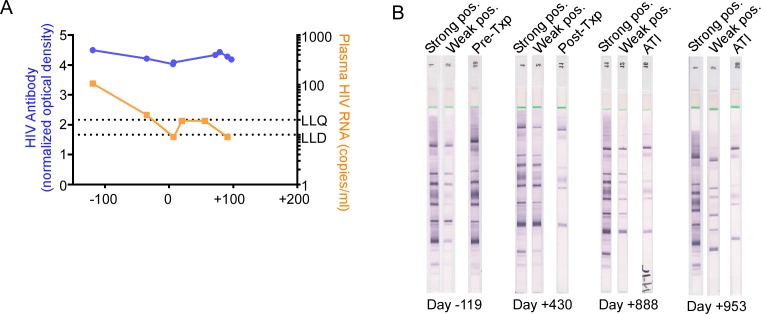
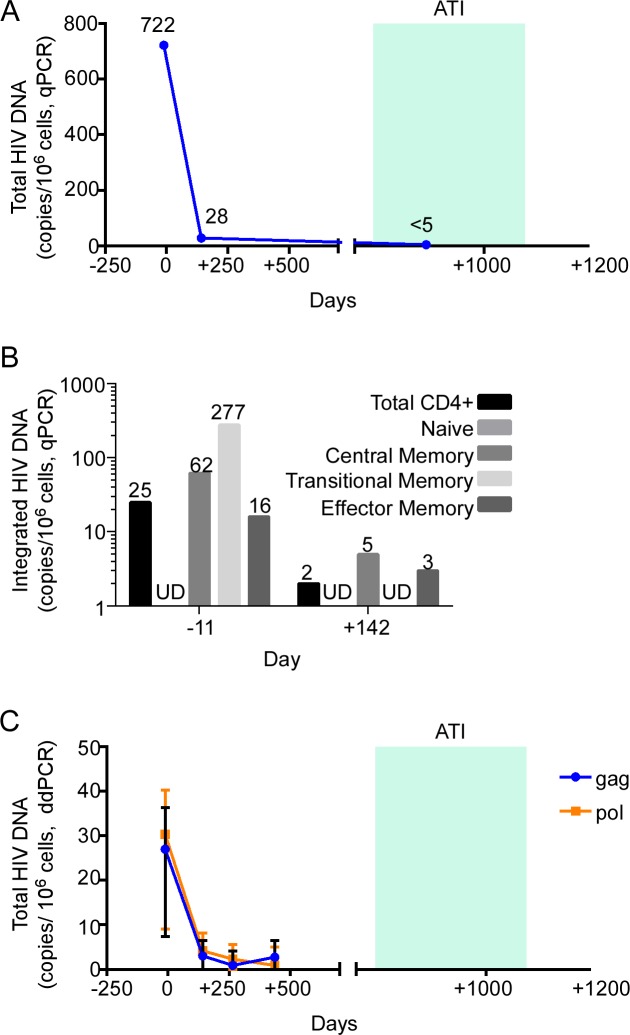
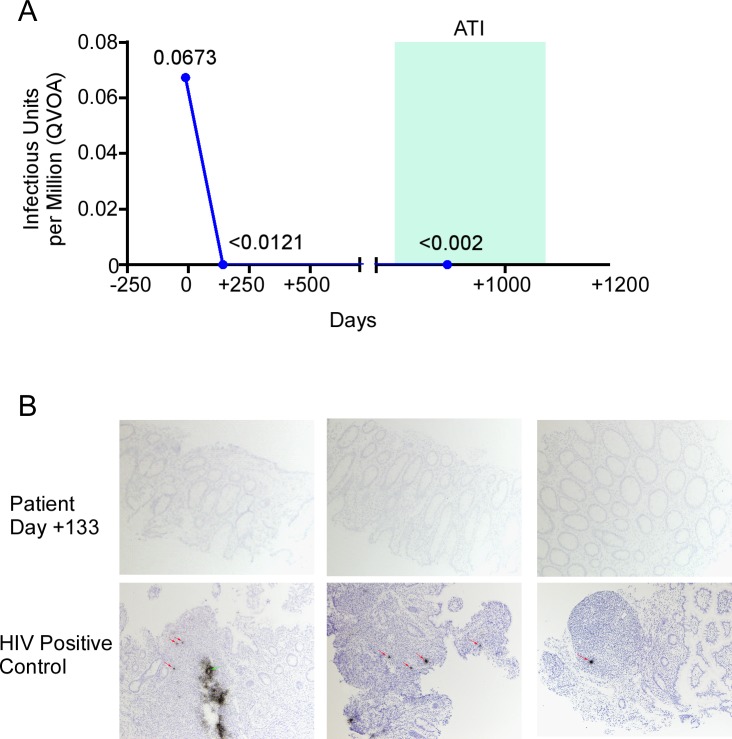
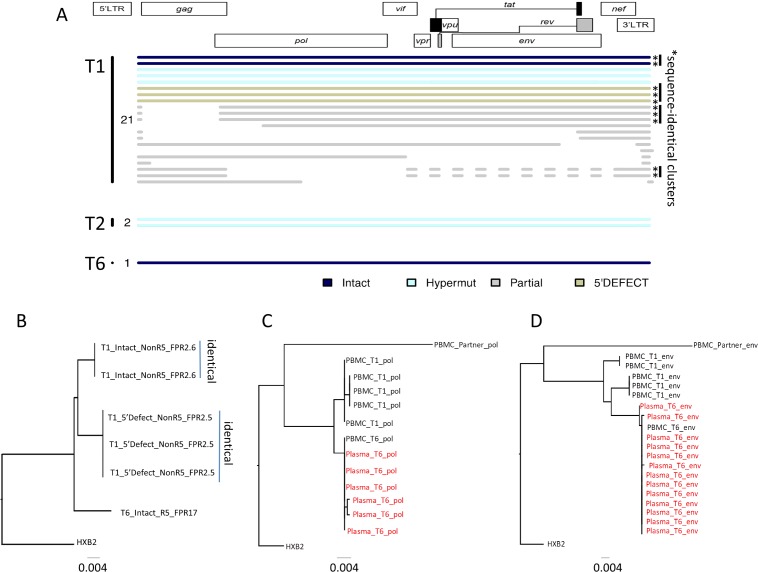
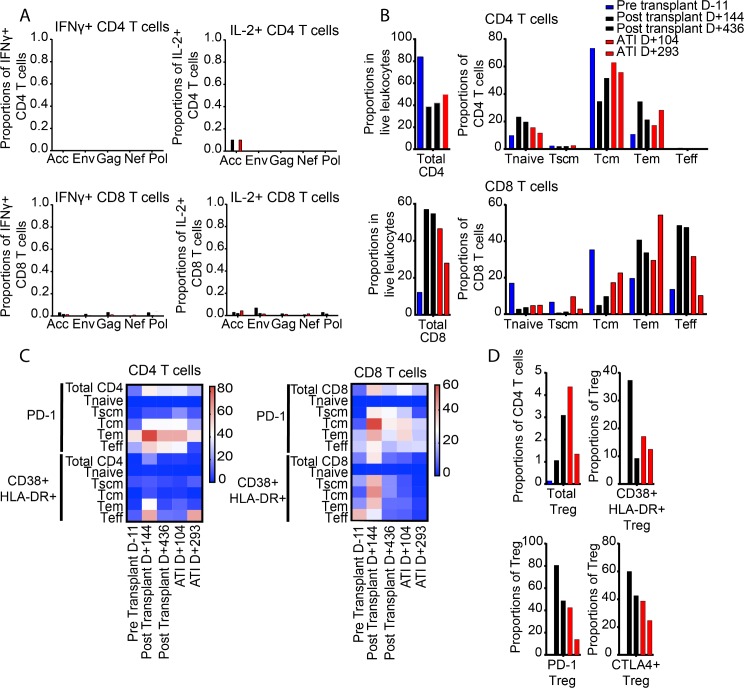
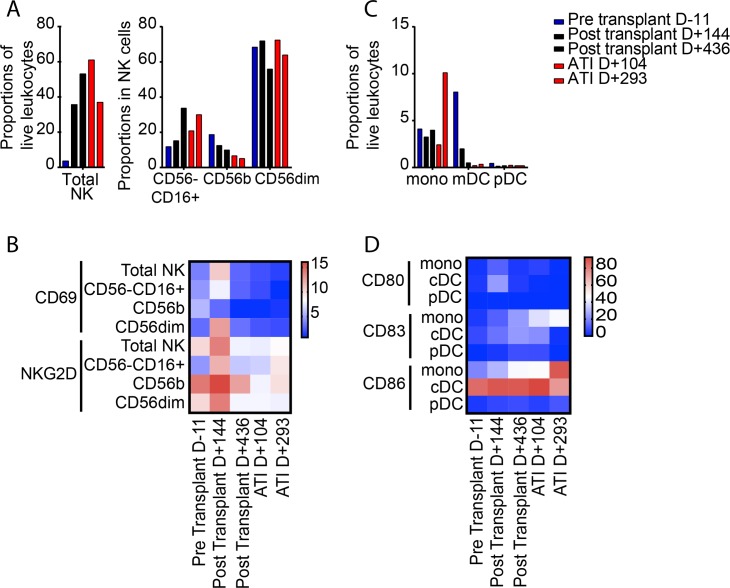
We prospectively collected peripheral blood mononuclear cells (PBMCs) by leukapheresis from a 55-year-old man with chronic HIV infection before and after allo-SCT to measure the size of the HIV-1 reservoir and characterize viral phylogeny and phenotypic changes in immune cells. At day 784 post-transplant, when HIV-1 was undetectable by multiple measures-including PCR measurements of both total and integrated HIV-1 DNA, replication-competent virus measurement by large cell input quantitative viral outgrowth assay, and in situ hybridization of colon tissue-the patient consented to an analytic treatment interruption (ATI) with frequent clinical monitoring. He remained aviremic off antiretroviral therapy until ATI day 288, when a low-level virus rebound of 60 HIV-1 copies/ml occurred, which increased to 1,640 HIV-1 copies/ml 5 days later, prompting reinitiation of ART. Rebounding plasma HIV-1 sequences were phylogenetically distinct from proviral HIV-1 DNA detected in circulating PBMCs before transplantation. The main limitations of this study are the insensitivity of reservoir measurements, and the fact that it describes a single case.
allo-SCT led to a significant reduction in the size of the HIV-1 reservoir and a >9-month-long ART-free remission from HIV-1 replication. Phylogenetic analyses suggest that the origin of rebound virus was distinct from the viruses identified pre-transplant in the PBMCs.
尽管有1例记录在案的异基因干细胞移植(allo-SCT)后HIV-1治愈病例,但随后几例HIV-1阳性个体接受allo-SCT治疗后未能治愈HIV-1感染。我们研究的目的是描述1例接受抑制性抗逆转录病毒治疗的慢性HIV感染患者在接受allo-SCT治疗急性淋巴细胞白血病后HIV储存库的变化。
我们前瞻性地通过白细胞分离术收集了1例55岁慢性HIV感染男性患者在allo-SCT前后的外周血单个核细胞(PBMC),以测量HIV-1储存库的大小,并对免疫细胞中的病毒系统发育和表型变化进行特征分析。移植后784天,通过多种检测方法均未检测到HIV-1,包括总HIV-1 DNA和整合HIV-1 DNA的PCR检测、大细胞输入定量病毒生长试验检测有复制能力的病毒以及结肠组织原位杂交,该患者同意进行分析性治疗中断(ATI)并接受频繁的临床监测。他在停止抗逆转录病毒治疗后一直保持病毒血症阴性,直到ATI第288天,出现了60拷贝/ml的低水平病毒反弹,5天后增加到1640拷贝/ml,促使重新开始抗逆转录病毒治疗。反弹的血浆HIV-1序列在系统发育上与移植前循环PBMC中检测到的前病毒HIV-1 DNA不同。本研究的主要局限性在于储存库测量的不敏感性,以及它描述的是单个病例。
allo-SCT导致HIV-1储存库大小显著减少,并实现了超过9个月的无抗逆转录病毒治疗的HIV-1复制缓解。系统发育分析表明,反弹病毒的起源与移植前在PBMC中鉴定的病毒不同。