Marcol Wiesław, Ślusarczyk Wojciech, Larysz-Brysz Magdalena, Łabuzek Krzysztof, Kapustka Bartosz, Staszkiewicz Rafał, Rosicka Paulina, Kalita Katarzyna, Węglarz Władysław, Lewin-Kowalik Joanna
Department of Physiology, School of Medicine in Katowice, Medical University of Silesia, 40-752 Katowice, Poland.
Department of Internal Medicine and Clinical Pharmacology, School of Medicine in Katowice, Medical University of Silesia, 40-752 Katowice, Poland.
Exp Ther Med. 2017 Nov;14(5):4869-4877. doi: 10.3892/etm.2017.5130. Epub 2017 Sep 19.
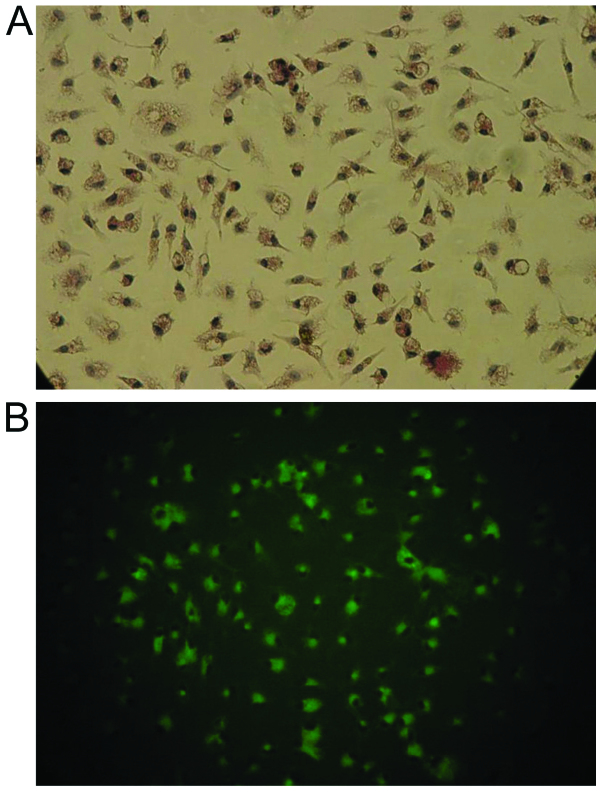
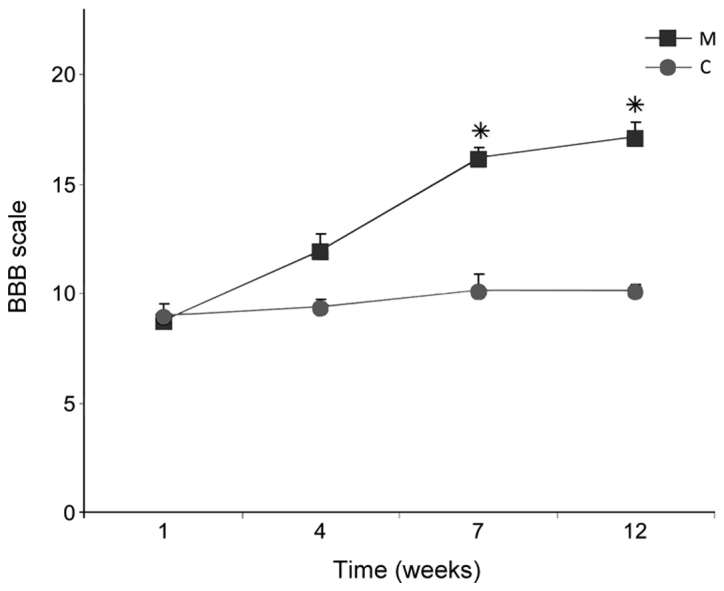
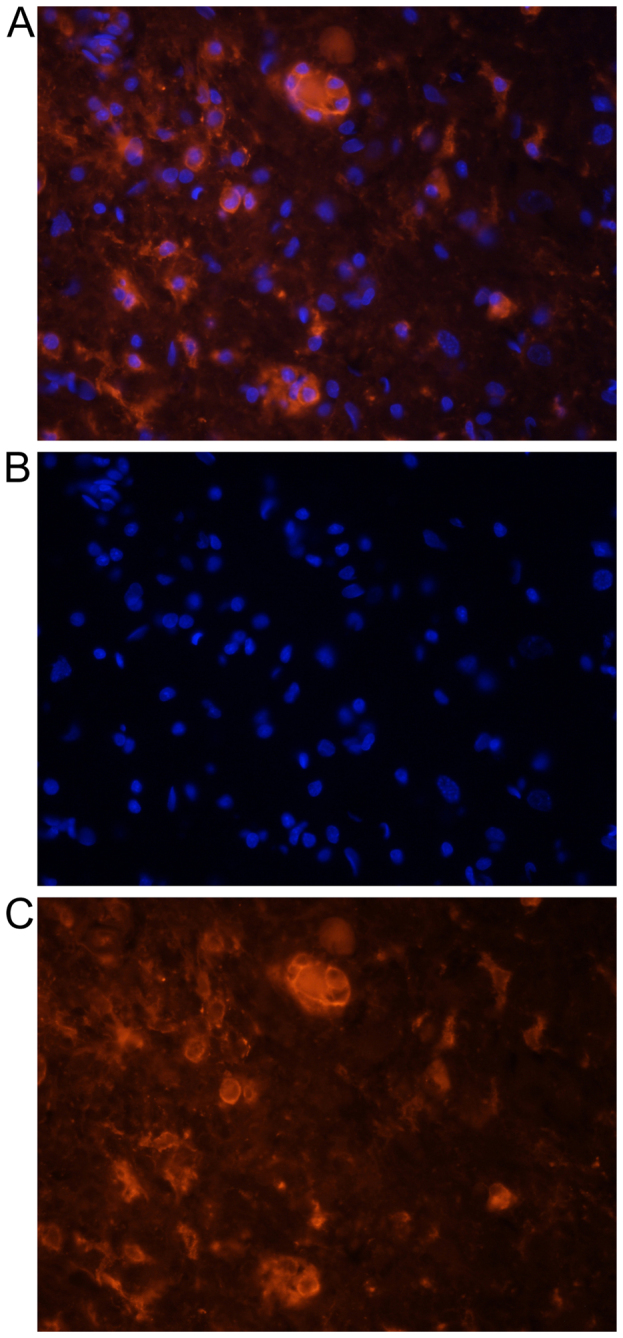
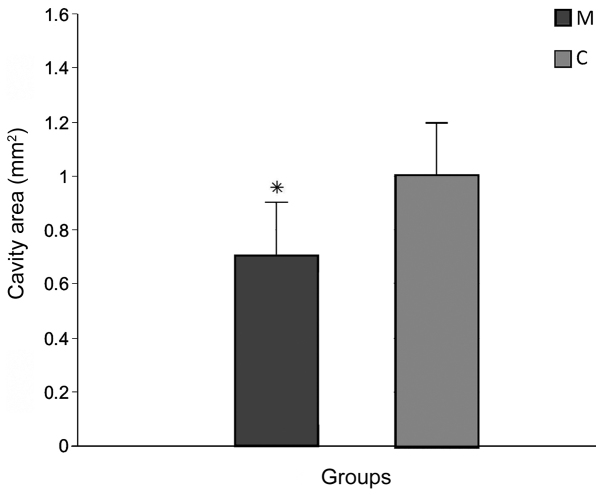
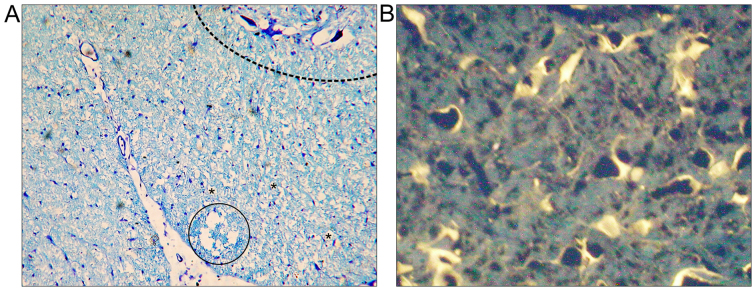
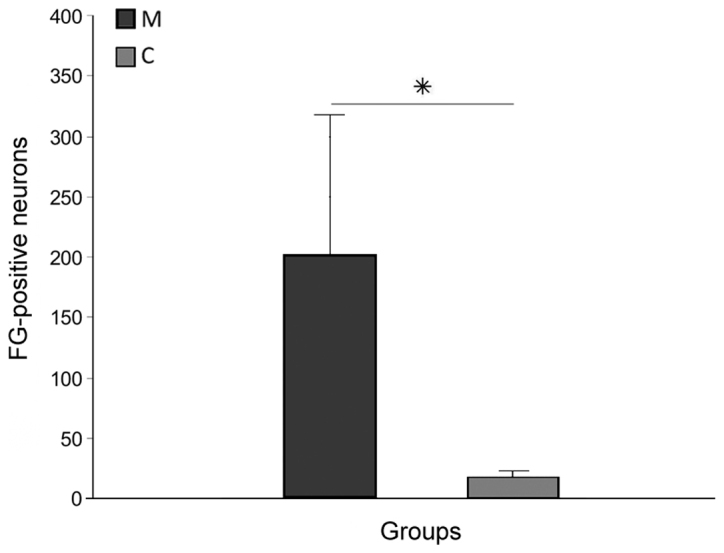
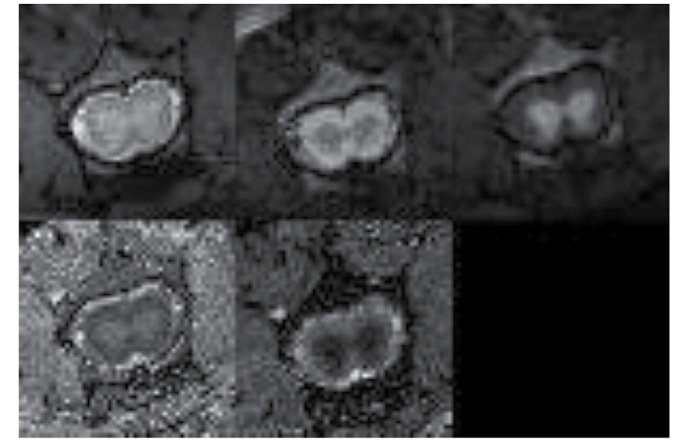
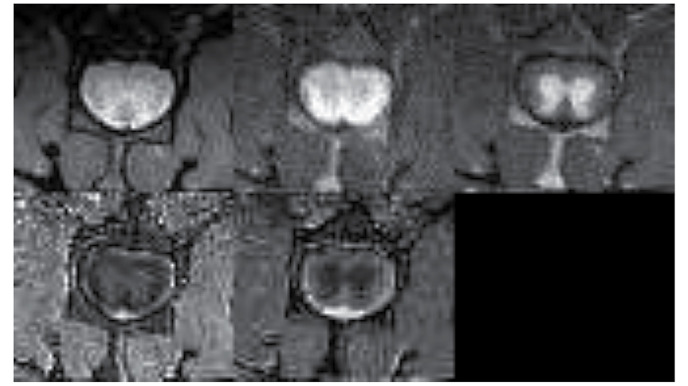
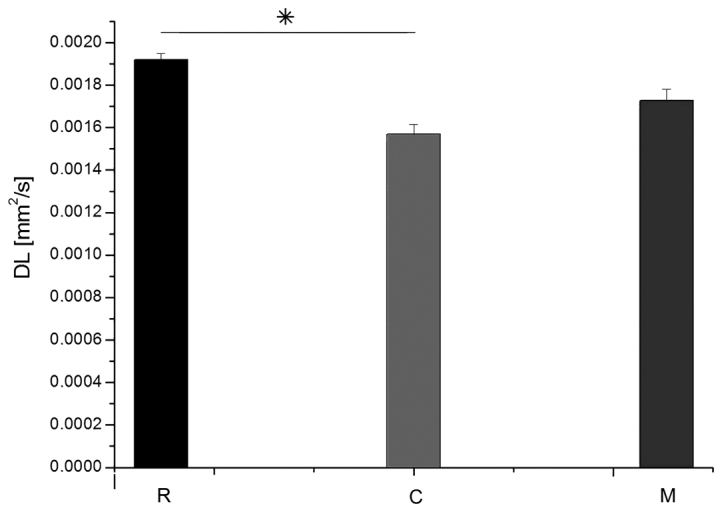
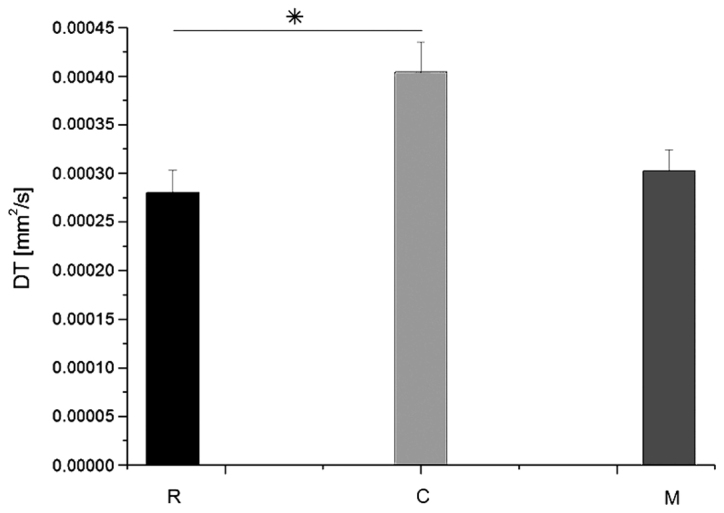
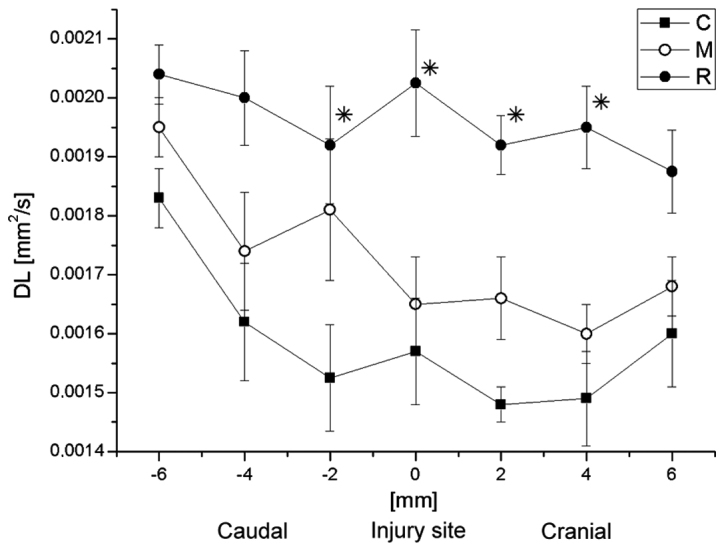
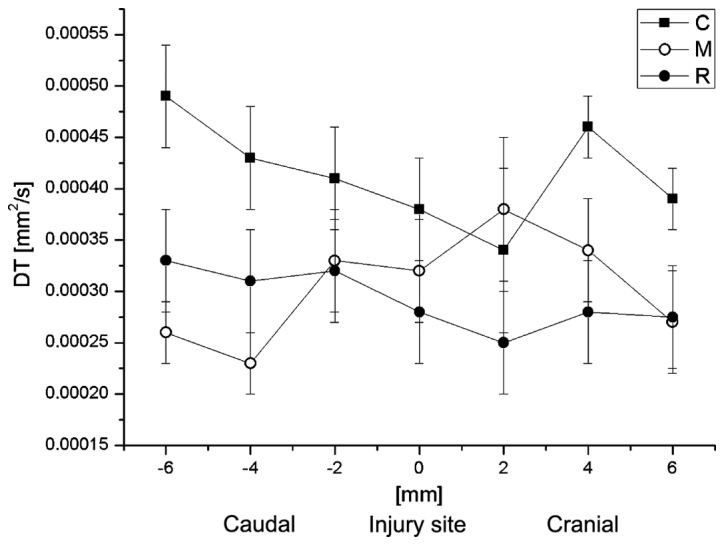
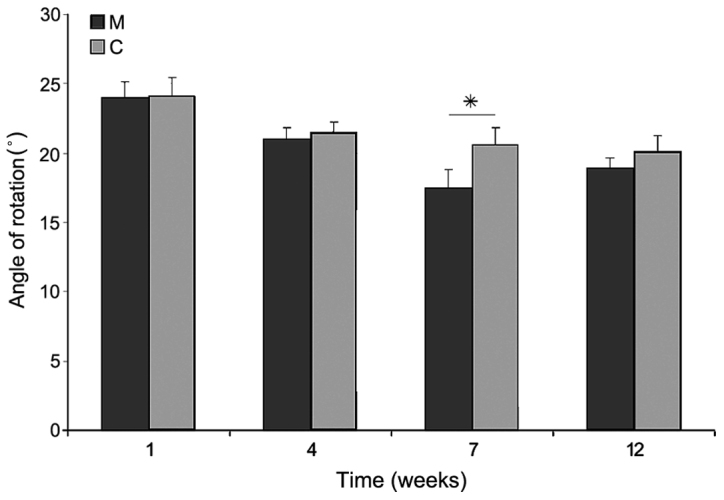
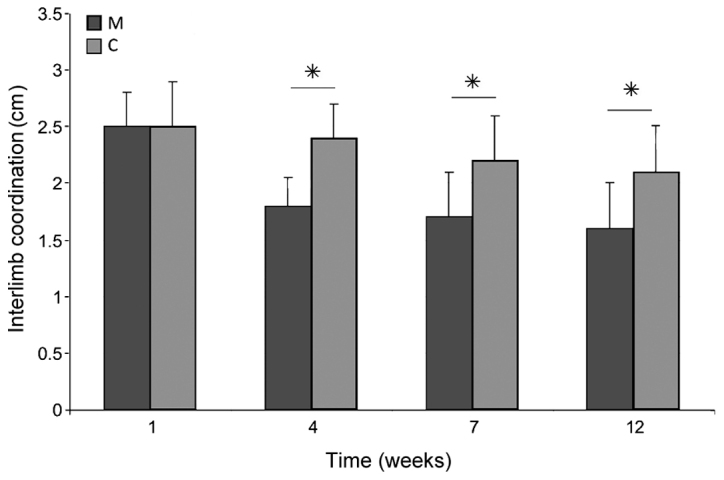
Spinal cord injuries are still a serious problem for regenerative medicine. Previous research has demonstrated that activated microglia accumulate in spinal lesions, influencing the injured tissues in various ways. Therefore, transplantation of activated microglia may have a beneficial role in the regeneration of the nervous system. The present study examined the influence of transplanted activated microglial cells in adult rats with injured spinal cords. Rats were randomly divided into an experimental (M) and control (C) group, and were subjected to non-laminectomy focal injury of spinal cord white matter by means of a high-pressured air stream. In group M, activated cultured microglial cells were injected twice into the site of injury. Functional outcome and morphological features of regeneration were analyzed during a 12-week follow-up. The lesions were characterized by means of magnetic resonance imaging (MRI). Neurons in the brain stem and motor cortex were labeled with FluoroGold (FG). A total of 12 weeks after surgery, spinal cords and brains were collected and subjected to histopathological and immunohistochemical examinations. Lesion sizes in the spinal cord were measured and the number of FG-positive neurons was counted. Rats in group M demonstrated significant improvement of locomotor performance when compared with group C (P<0.05). MRI analysis demonstrated moderate improvement in water diffusion along the spinal cord in the group M following microglia treatment, as compared with group C. The water diffusion perpendicular to the spinal cord in group M was closer to the reference values for a healthy spinal cord than it was in group C. The sizes of lesions were also significantly smaller in group M than in the group C (P<0.05). The number of brain stem and motor cortex FG-positive neurons in group M was significantly higher than in group C. The present study demonstrated that delivery of activated microglia directly into the injured spinal cord gives some positive effects for the regeneration of the white matter.
脊髓损伤对于再生医学来说仍然是一个严重的问题。先前的研究表明,活化的小胶质细胞在脊髓损伤部位积聚,以多种方式影响受损组织。因此,移植活化的小胶质细胞可能对神经系统的再生具有有益作用。本研究考察了移植活化的小胶质细胞对成年脊髓损伤大鼠的影响。大鼠被随机分为实验组(M组)和对照组(C组),通过高压气流对脊髓白质进行非椎板切除术局灶性损伤。在M组中,将培养的活化小胶质细胞分两次注射到损伤部位。在12周的随访期间分析再生的功能结果和形态特征。通过磁共振成像(MRI)对损伤进行表征。用荧光金(FG)标记脑干和运动皮层中的神经元。手术后共12周,收集脊髓和大脑并进行组织病理学和免疫组织化学检查。测量脊髓损伤大小并计数FG阳性神经元的数量。与C组相比,M组大鼠的运动性能有显著改善(P<0.05)。MRI分析表明,与C组相比,M组在小胶质细胞治疗后脊髓水扩散有中度改善。M组垂直于脊髓的水扩散比C组更接近健康脊髓的参考值。M组的损伤大小也明显小于C组(P<0.05)。M组脑干和运动皮层FG阳性神经元的数量明显高于C组。本研究表明,将活化的小胶质细胞直接输送到受损脊髓中对白质再生有一些积极作用。