Department of Medicine, The Fifth Affiliated Hospital of Xinjiang Medical University, Urumqi, Xinjiang Autonomous Region, 830000, P.R. China.
CAS Key Laboratory of Genome Sciences and Information, Beijing Institute of Genomics, Chinese Academy of Sciences, Beijing, 100101, P.R. China.
Sci Rep. 2017 Dec 5;7(1):16989. doi: 10.1038/s41598-017-17086-7.
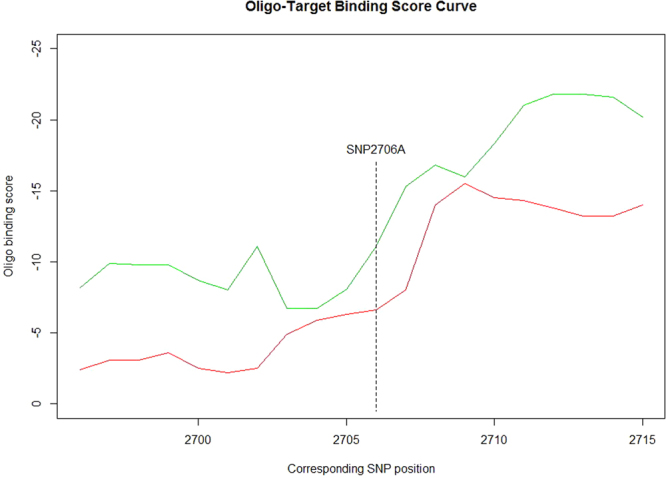
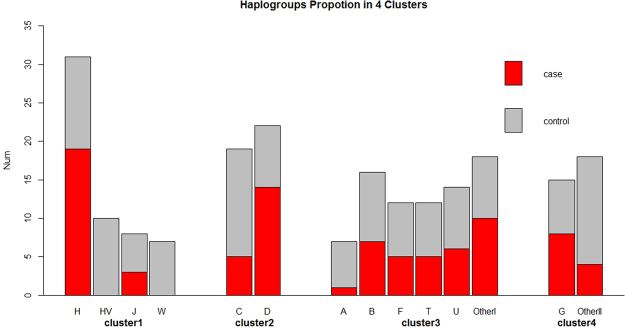
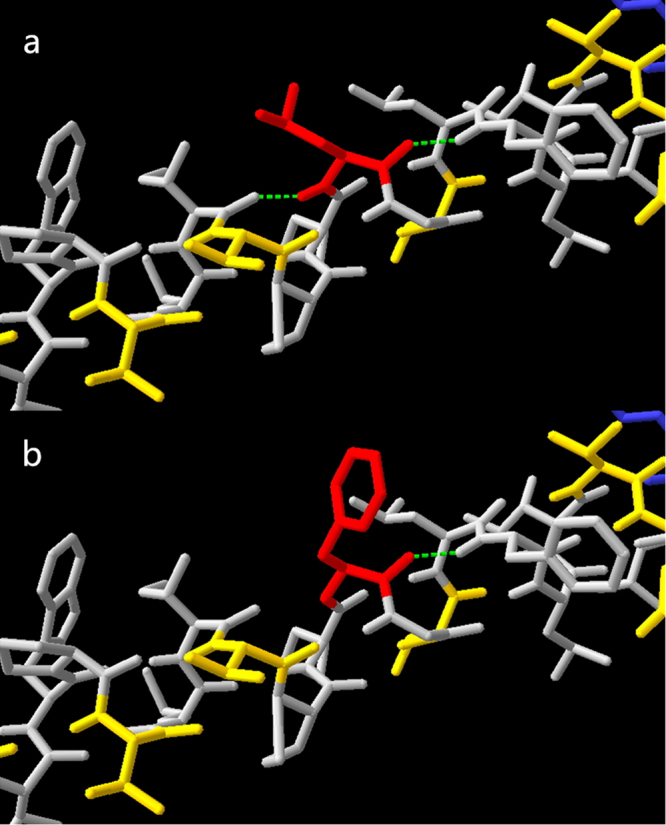
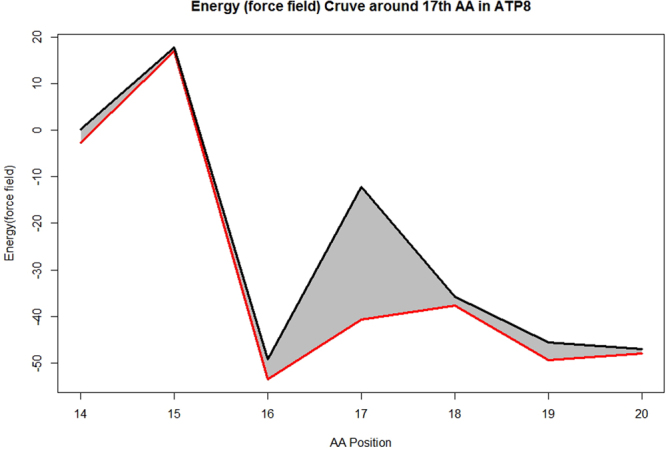
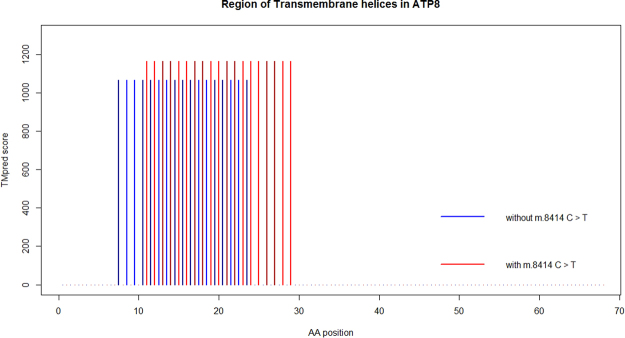
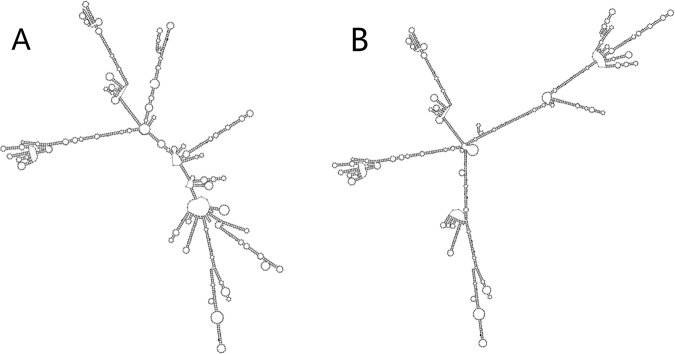
A hospital-based case-control study was conducted to investigate potential association between mitochondrial DNA and Type 2 diabetes mellitus (T2DM) in Chinese Uyghur population. We sequenced mitochondrial DNA from 210 Uyghur individuals including 88 T2DM patients and 122 controls. Using haplogroup classification and association test, we found that haplogroup H (odds ratio [OR] = 1.40; 95% confidence interval [CI]: 1.20-1.64; P = 0.0005138) and D4 (odds ratio = 1.47; 95% CI: 1.22-1.77; P = 0.001064) were associated with an increased risk of T2DM in Chinese Uyghur population. Two markers of haplogroup D4 and H, MT-ATP8 m.8414 T > G (p.Leu17Phe) and m.2706 G > A encoding 16S rRNA in mitochondria, were predicted to affect the structure of MT-ATP8 and 16S RNA, respectively, and may be involved in the pathogenesis of T2DM. Our study provides a new clue for mitochondrial DNA in the etiology of T2DM in Chinese Uyghur population.
一项基于医院的病例对照研究旨在调查线粒体 DNA 与中国维吾尔族人群 2 型糖尿病(T2DM)之间的潜在关联。我们对 210 名维吾尔族个体(包括 88 名 T2DM 患者和 122 名对照)的线粒体 DNA 进行了测序。通过单倍群分类和关联测试,我们发现单倍群 H(比值比 [OR] = 1.40;95%置信区间 [CI]:1.20-1.64;P = 0.0005138)和 D4(OR = 1.47;95% CI:1.22-1.77;P = 0.001064)与中国维吾尔族人群 T2DM 的风险增加相关。单倍群 D4 和 H 的两个标志物 MT-ATP8 m.8414T>G(p.Leu17Phe)和 m.2706G>A 编码线粒体中的 16S rRNA,分别预测会影响 MT-ATP8 和 16S RNA 的结构,可能与 T2DM 的发病机制有关。本研究为中国维吾尔族人群 T2DM 的线粒体 DNA 病因提供了新线索。