Jia Jin-Jing, Zeng Xian-Si, Song Xin-Qiang, Zhang Peng-Peng, Chen Lei
College of Life Sciences, Xinyang Normal University, Xinyang, China.
Institute for Conservation and Utilization of Agro-bioresources in Dabie Mountains, Xinyang Normal University, Xinyang, China.
Front Pharmacol. 2017 Nov 16;8:834. doi: 10.3389/fphar.2017.00834. eCollection 2017.
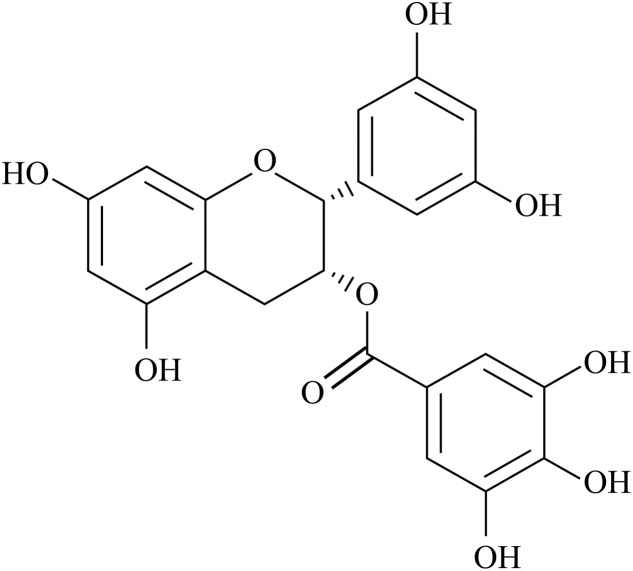
Diabetes mellitus is considered as a risk factor of Alzheimer's disease (AD), the front runner of neurodegenerative disorders. Streptozotocin (STZ) is a toxin for pancreatic β-cell, which can construct a model of insulin deficient diabetes through intraperitoneal or intravenous injection. A model generated by intracerebroventricular STZ (icv-STZ) also shows numerous aspects of sporadic AD. The protective roles of tea polyphenols epigallocatechin-3-gallate (EGCG) on both two diseases were researched by some scientists. This review highlights the link between diabetes and AD and recent studies on STZ injection-induced models, and also discusses the protection of EGCG to clarify its treatment in STZ-induced diabetes and AD.
糖尿病被认为是神经退行性疾病的首要病因——阿尔茨海默病(AD)的一个风险因素。链脲佐菌素(STZ)是一种对胰腺β细胞有毒性的物质,可通过腹腔注射或静脉注射构建胰岛素缺乏型糖尿病模型。脑室内注射STZ(icv-STZ)产生的模型也显示出散发性AD的诸多特征。一些科学家研究了茶多酚表没食子儿茶素-3-没食子酸酯(EGCG)对这两种疾病的保护作用。本综述强调了糖尿病与AD之间的联系以及近期关于STZ注射诱导模型的研究,还讨论了EGCG的保护作用,以阐明其在STZ诱导的糖尿病和AD中的治疗作用。