1 Institute of Comparative Molecular Endocrinology, University of Ulm , Ulm, Germany .
2 Molecular Medicine Partnership Unit , Heidelberg, Germany .
Antioxid Redox Signal. 2018 Aug 10;29(5):484-499. doi: 10.1089/ars.2017.7089. Epub 2018 Mar 2.
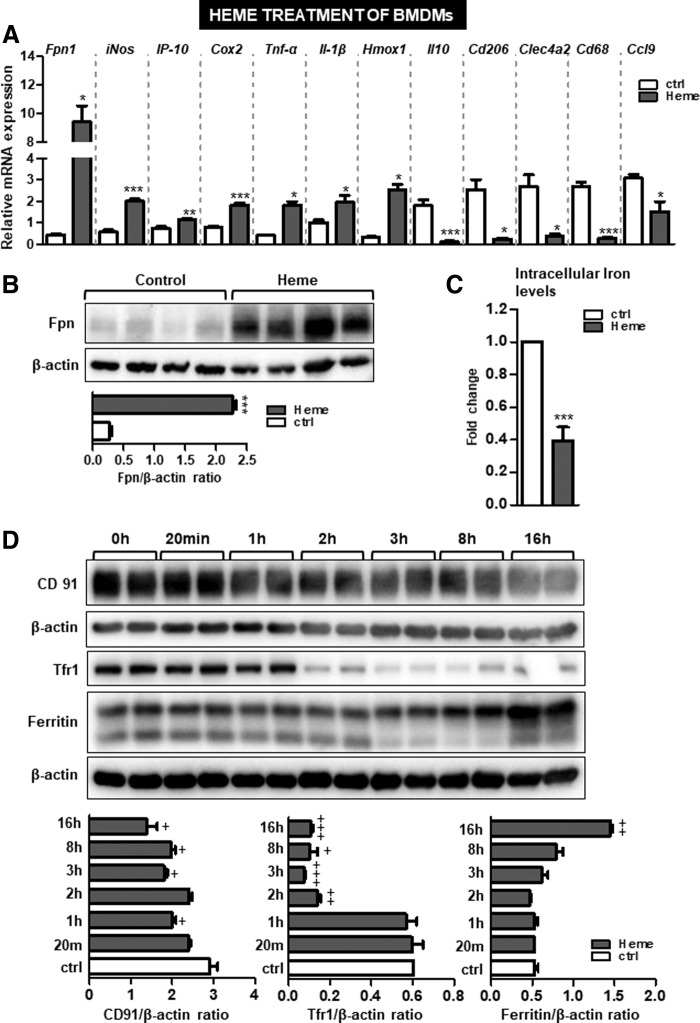
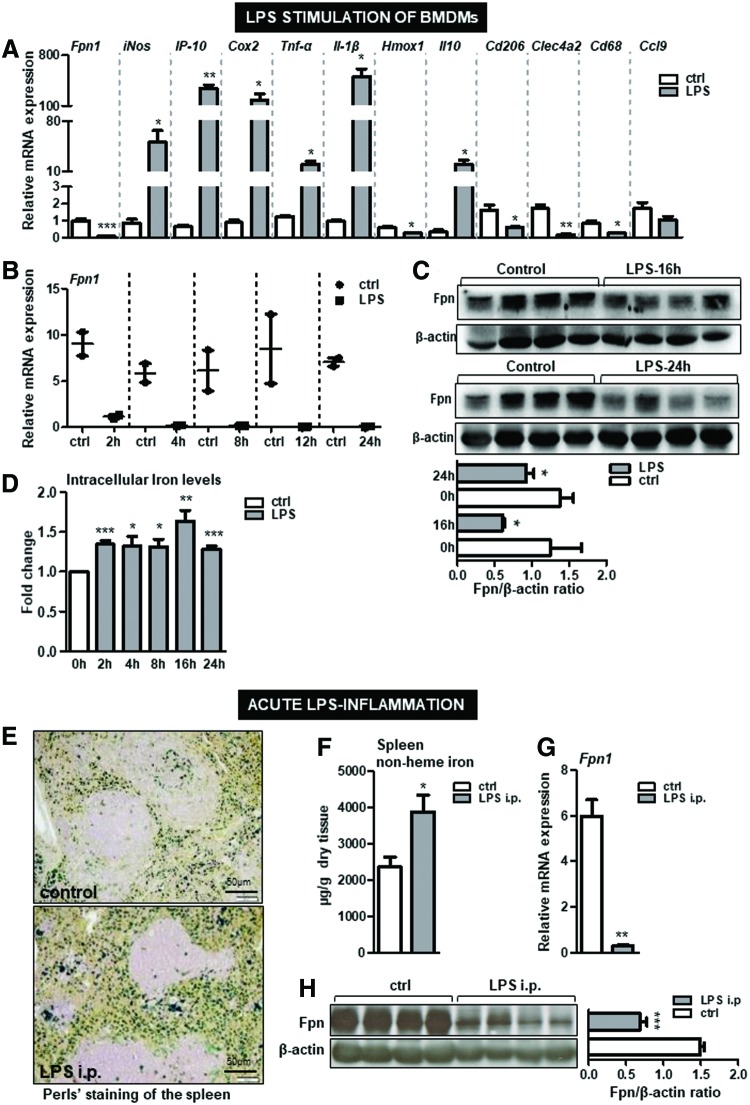
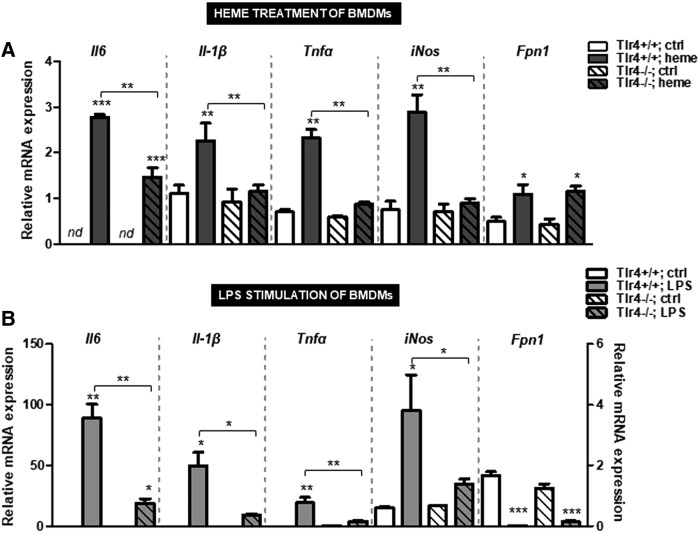
Release of large amounts of free heme into circulation, overproduction of reactive oxygen species (ROS), and activation of toll-like receptor-4-dependent responses are considered critical for the ability of heme to promote oxidative stress and to initiate proinflammatory responses, posing a serious threat to the body. A deep understanding of the consequences of heme overload on the regulation of cellular and systemic iron homeostasis is, however, still lacking.
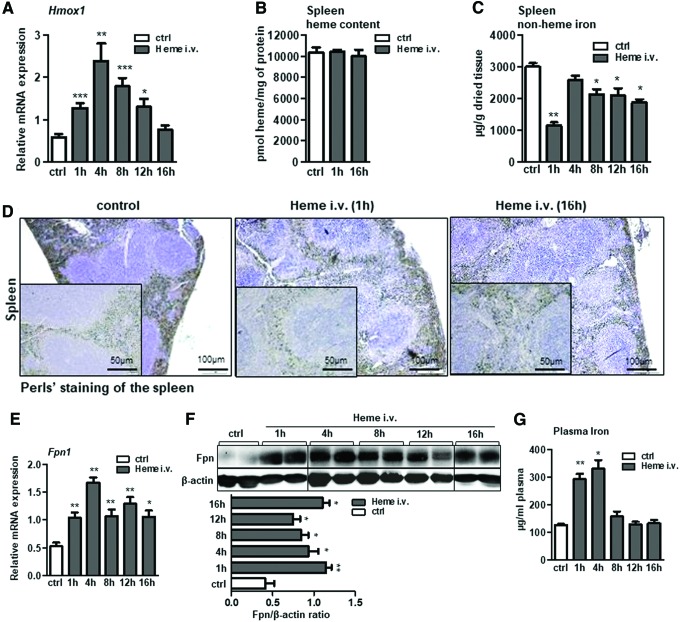
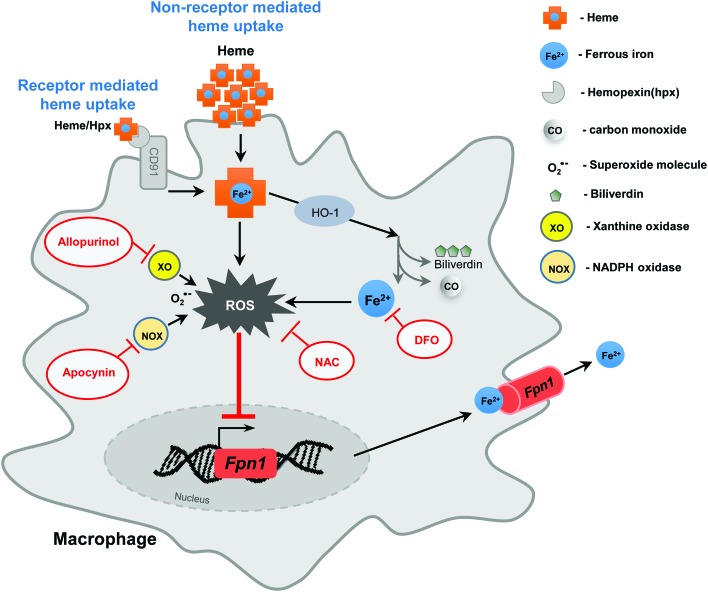
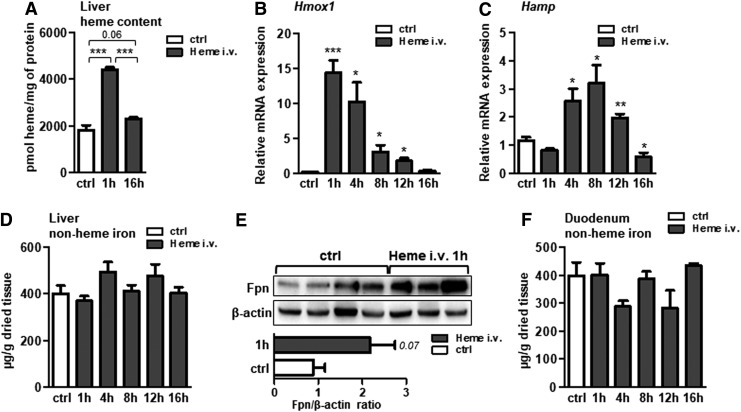
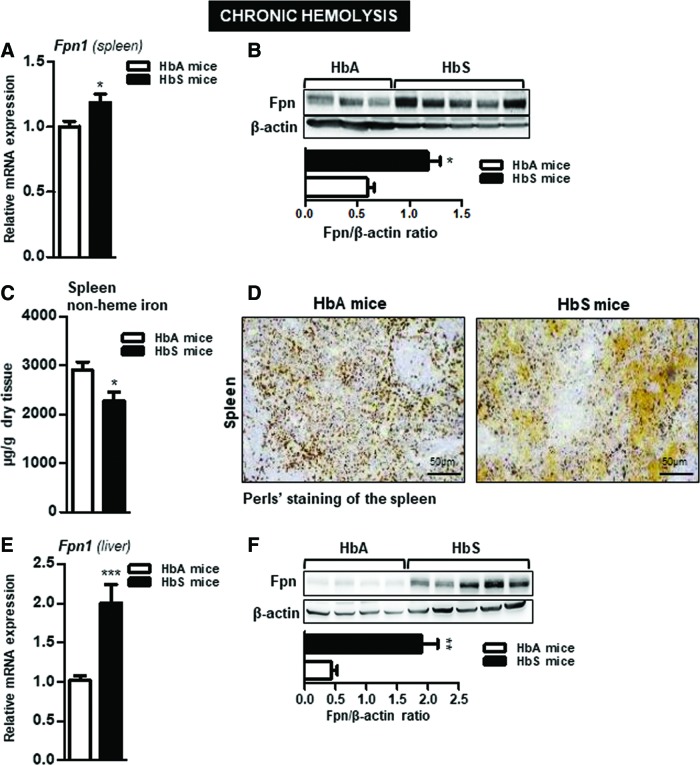
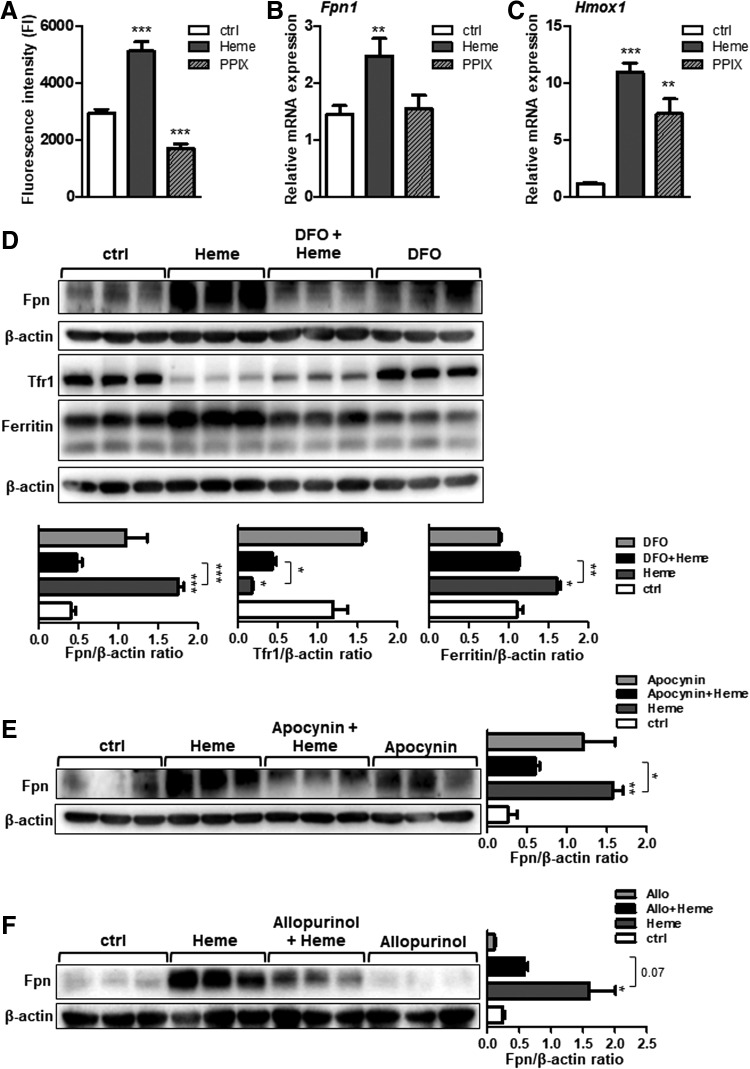
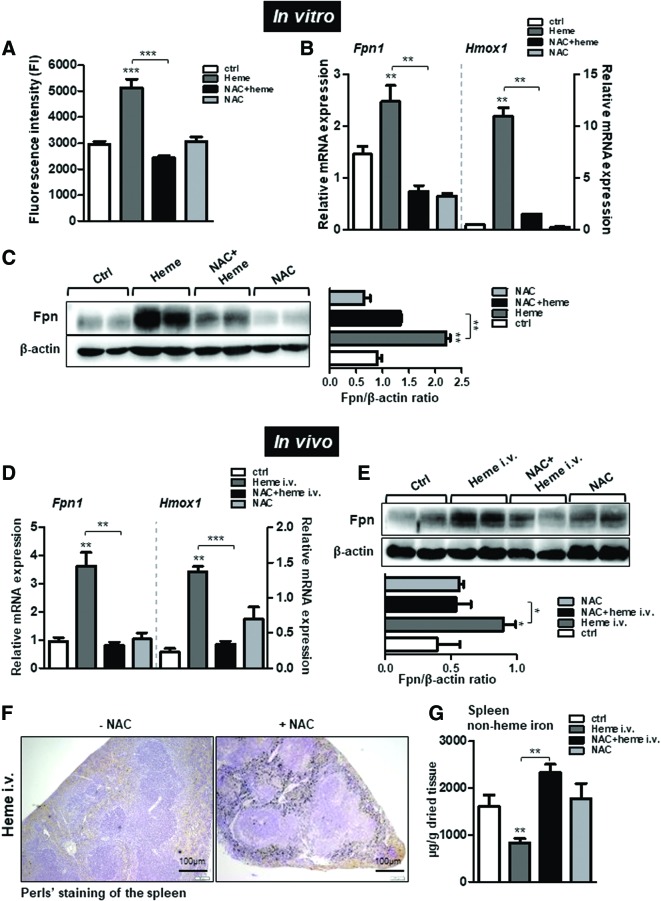
The effects of heme on iron metabolism were studied in primary macrophages and in mouse models of acute and chronic hemolysis. We demonstrated that hemolysis was associated with a significant depletion of intracellular iron levels and increased expression of the sole iron exporter protein, ferroportin. The pathophysiological relevance of this mechanism was further demonstrated in sickle cell anemia mice, which, despite chronic hemolysis, maintained high ferroportin expression and increased iron export. We identified a redox active iron species and superoxide as regulators for ferroportin induction by heme. Scavenging the ROS production, by use of a pharmacological antioxidant N-acetylcysteine, prevented ferroportin induction and normalized intracellular iron levels in macrophages and in experimentally induced hemolysis in mice.
Our data propose that scavenging ROS levels may be a novel therapeutic strategy to balance intracellular iron levels and systemic iron influx in conditions associated with heme overload.
This study identifies that the pro-oxidant, and not the proinflammatory, actions of heme profoundly impact on iron homeostasis by critically regulating the expression of ferroportin and iron export in hemolytic conditions. Antioxid. Redox Signal. 29, 484-499.
循环中大量游离血红素的释放、活性氧(ROS)的过度产生以及 Toll 样受体 4 依赖性反应的激活,被认为是血红素促进氧化应激和引发促炎反应的关键,这对身体构成了严重威胁。然而,人们对血红素过载对细胞和全身铁稳态调节的后果仍缺乏深入了解。
本研究在原代巨噬细胞和急性及慢性溶血性小鼠模型中研究了血红素对铁代谢的影响。结果表明,溶血与细胞内铁水平的显著消耗和唯一铁输出蛋白 ferroportin 的表达增加有关。该机制的病理生理学相关性在镰状细胞贫血小鼠中得到了进一步证实,尽管存在慢性溶血,但这些小鼠仍保持高 ferroportin 表达和增加的铁输出。我们确定了一种具有氧化还原活性的铁物质和超氧阴离子作为血红素诱导 ferroportin 的调节剂。使用药理学抗氧化剂 N-乙酰半胱氨酸清除 ROS 产生,可防止 ferroportin 诱导,并使巨噬细胞和实验诱导的溶血性小鼠中的细胞内铁水平正常化。
我们的数据表明,清除 ROS 水平可能是一种治疗策略,可用于平衡血红素过载相关条件下的细胞内铁水平和全身铁流入。
本研究表明,血红素的促氧化剂作用,而不是促炎作用,通过严格调节铁输出蛋白 ferroportin 的表达和铁输出,对溶血性条件下的铁稳态产生深远影响。抗氧化。氧化还原信号。29,484-499。