Tezuka Kenta, Okuma Kazu, Kuramitsu Madoka, Matsuoka Sahoko, Tanaka Reiko, Tanaka Yuetsu, Hamaguchi Isao
Department of Safety Research on Blood and Biological Products, National Institute of Infectious Diseases, Tokyo, Japan.
Department of Safety Research on Blood and Biological Products, National Institute of Infectious Diseases, Tokyo, Japan
J Virol. 2018 Jan 30;92(4). doi: 10.1128/JVI.01885-17. Print 2018 Feb 15.
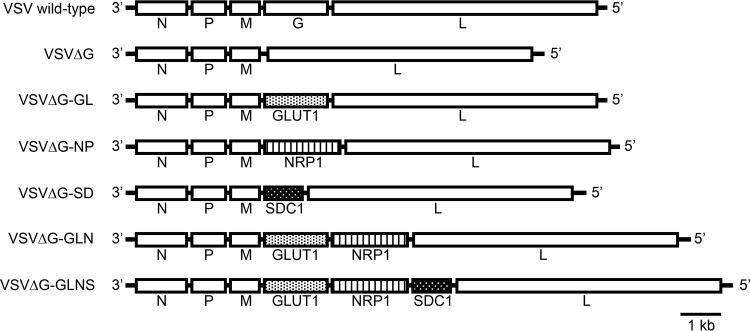
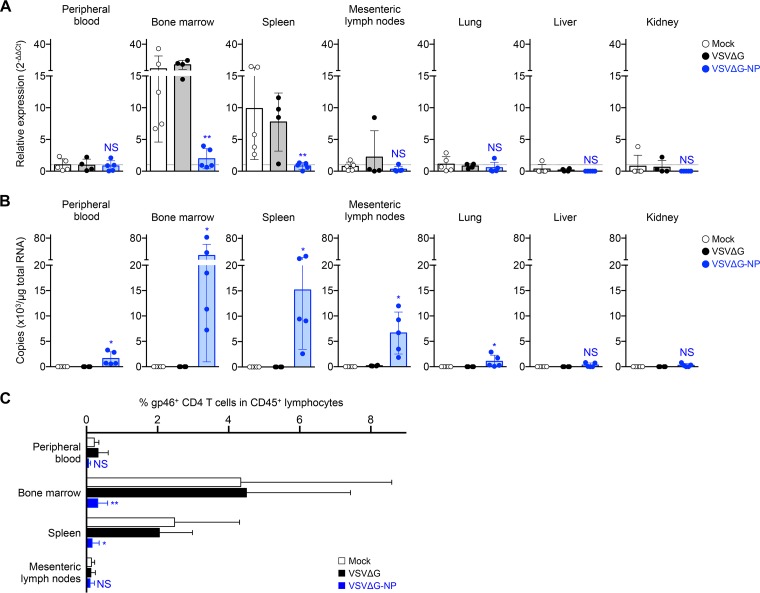
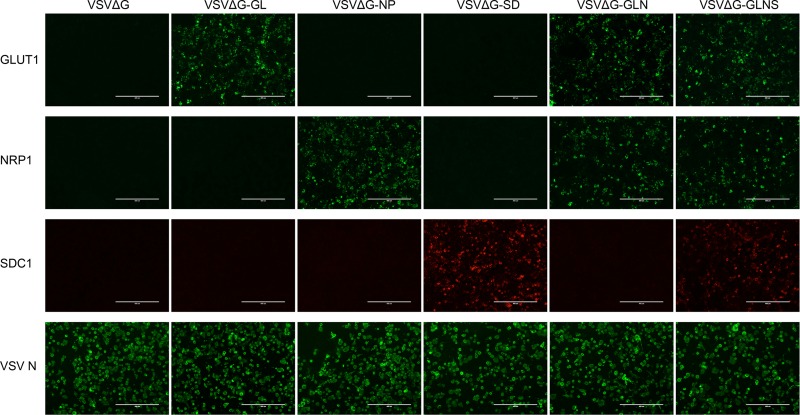
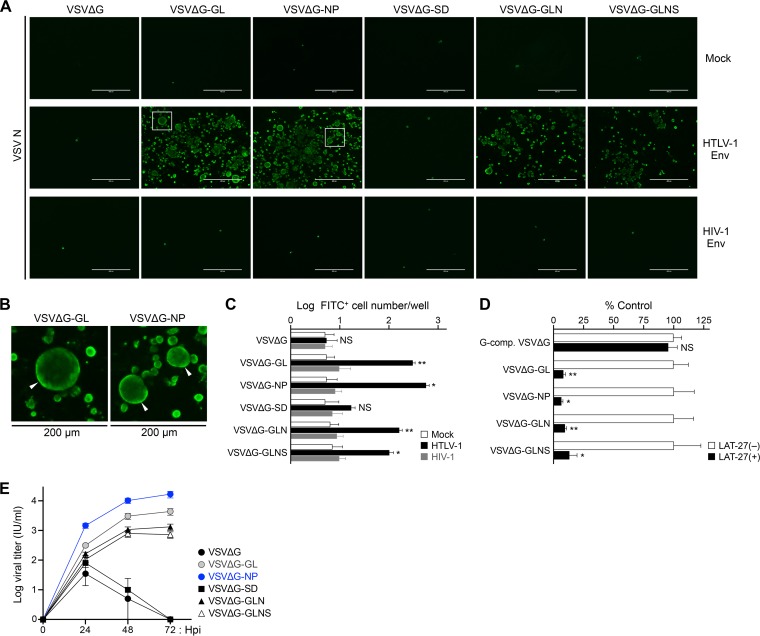
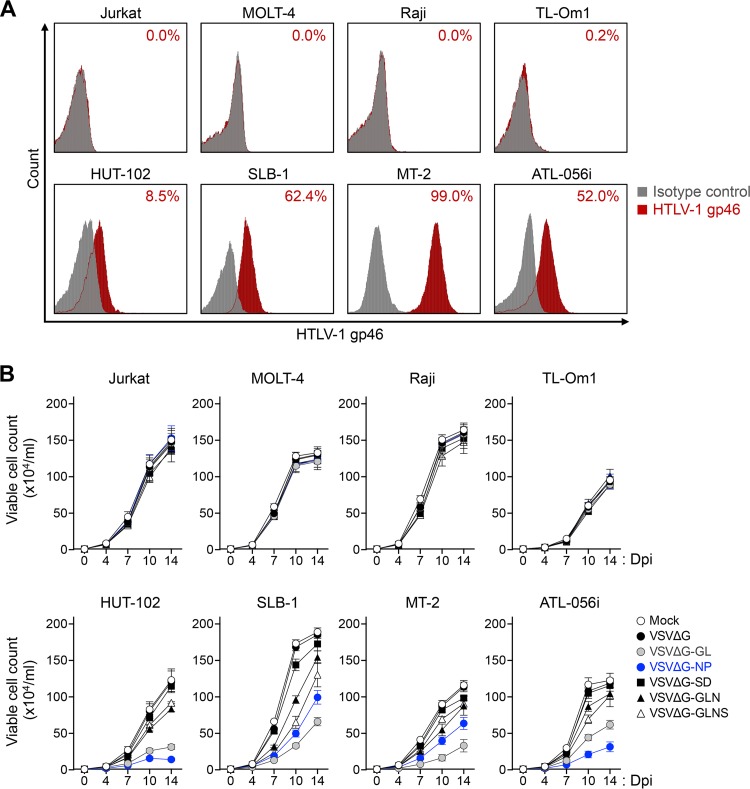
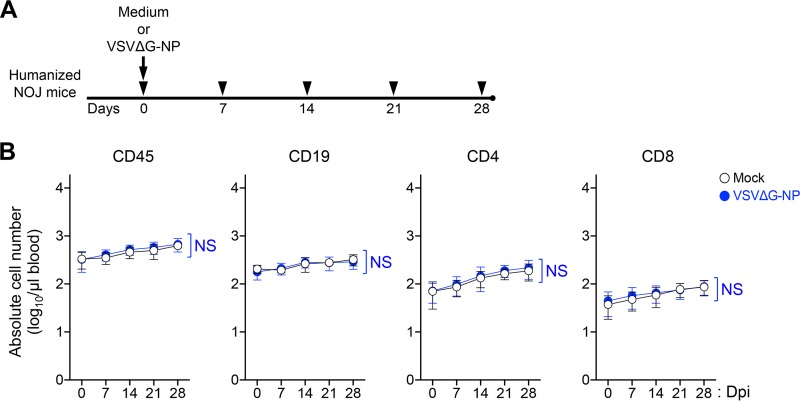
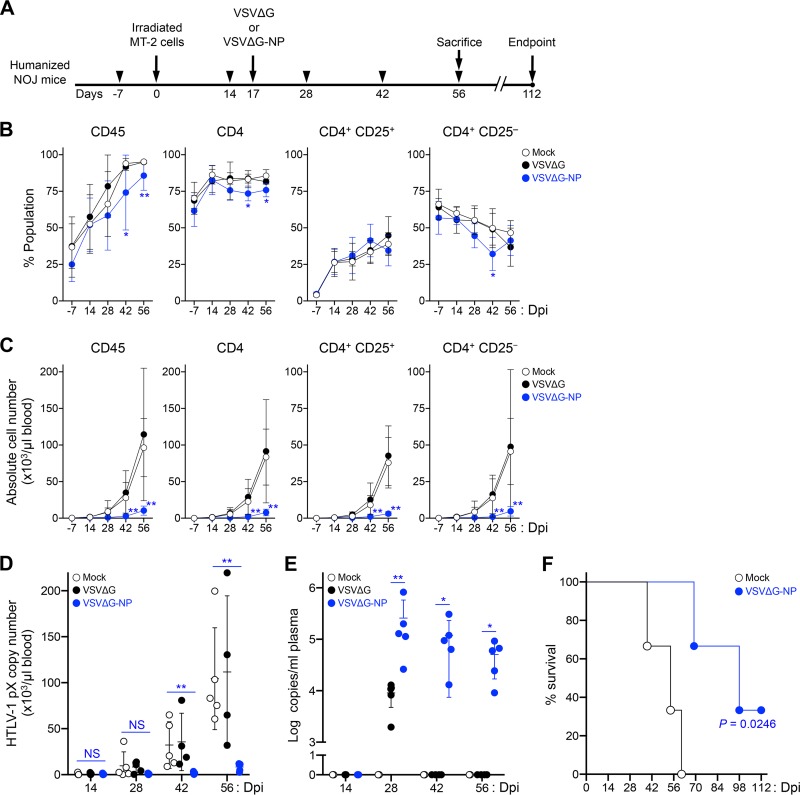
Human T-cell leukemia virus type 1 (HTLV-1) infection causes adult T-cell leukemia (ATL), which is frequently resistant to currently available therapies and has a very poor prognosis. To prevent the development of ATL among carriers, it is important to control HTLV-1-infected cells in infected individuals. Therefore, the establishment of novel therapies with drugs specifically targeting infected cells is urgently required. This study aimed to develop a potential therapy by generating recombinant vesicular stomatitis viruses (rVSVs) that lack an envelope glycoprotein G and instead encode an HTLV-1 receptor with human glucose transporter 1 (GLUT1), neuropilin 1 (NRP1), or heparan sulfate proteoglycans (HSPGs), including syndecan 1 (SDC1), designated VSVΔG-GL, VSVΔG-NP, or VSVΔG-SD, respectively. In an attempt to enhance the infectivity of rVSV against HTLV-1-infected cells, we also constructed rVSVs with a combination of two or three receptor genes, designated VSVΔG-GLN and VSVΔG-GLNS, respectively. The present study demonstrates VSVΔG-GL, VSVΔG-NP, VSVΔG-GLN, and VSVΔG-GLNS have tropism for HTLV-1 envelope (Env)-expressing cells. Notably, the inoculation of VSVΔG-GL or VSVΔG-NP significantly eliminated HTLV-1-infected cells under the culture conditions. Furthermore, in an HTLV-1-infected humanized mouse model, VSVΔG-NP was capable of efficiently preventing HTLV-1-induced leukocytosis in the periphery and eliminating HTLV-1-infected Env-expressing cells in the lymphoid tissues. In summary, an rVSV engineered to express HTLV-1 primary receptor, especially human NRP1, may represent a drug candidate that has potential for the development of unique virotherapy against HTLV-1 infection. Although several anti-ATL therapies are currently available, ATL is still frequently resistant to therapeutic approaches, and its prognosis remains poor. Control of HTLV-1 infection or expansion of HTLV-1-infected cells in the carrier holds considerable promise for the prevention of ATL development. In this study, we developed rVSVs that specifically target and kill HTLV-1 Env-expressing cells (not ATL cells, which generally do not express Env ) through replacement of the G gene with HTLV-1 receptor gene(s) in the VSV genome. Notably, an rVSV engineered to express human NRP1 controlled the number of HTLV-1-infected Env-expressing cells and , suggesting the present approach may be a promising candidate for novel anti-HTLV-1 virotherapy in HTLV-1 carriers, including as a prophylactic treatment against the development of ATL.
人类1型T细胞白血病病毒(HTLV-1)感染会导致成人T细胞白血病(ATL),这种疾病通常对目前可用的治疗方法具有抗性,且预后非常差。为了预防携带者中ATL的发生,控制感染个体中HTLV-1感染的细胞非常重要。因此,迫切需要开发针对感染细胞的新型药物疗法。本研究旨在通过构建重组水疱性口炎病毒(rVSV)来开发一种潜在的治疗方法,这些重组病毒缺乏包膜糖蛋白G,取而代之的是编码人类葡萄糖转运蛋白1(GLUT1)、神经纤毛蛋白1(NRP1)或硫酸乙酰肝素蛋白聚糖(HSPG)(包括 syndecan 1,SDC1)的HTLV-1受体,分别命名为VSVΔG-GL、VSVΔG-NP或VSVΔG-SD。为了增强rVSV对HTLV-1感染细胞的感染性,我们还构建了分别含有两个或三个受体基因组合的rVSV,分别命名为VSVΔG-GLN和VSVΔG-GLNS。本研究表明,VSVΔG-GL、VSVΔG-NP、VSVΔG-GLN和VSVΔG-GLNS对表达HTLV-1包膜(Env)的细胞具有嗜性。值得注意的是,接种VSVΔG-GL或VSVΔG-NP在培养条件下显著消除了HTLV-1感染的细胞。此外,在HTLV-1感染的人源化小鼠模型中,VSVΔG-NP能够有效预防外周血中HTLV-1诱导的白细胞增多,并消除淋巴组织中HTLV-1感染的表达Env的细胞。总之,经过工程改造以表达HTLV-1主要受体,尤其是人类NRP1的rVSV,可能代表一种有潜力开发针对HTLV-1感染的独特病毒疗法的候选药物。尽管目前有几种抗ATL疗法,但ATL仍然经常对治疗方法产生抗性,其预后仍然很差。控制携带者中HTLV-1感染或HTLV-1感染细胞的扩增对于预防ATL的发生具有很大的前景。在本研究中我们通过在VSV基因组中用HTLV-1受体基因替换G基因,开发了特异性靶向并杀死表达HTLV-1 Env的细胞(而非通常不表达Env的ATL细胞)的rVSV。值得注意的是,经过工程改造以表达人类NRP1的rVSV控制了HTLV-1感染的表达Env的细胞数量,这表明本方法可能是HTLV-1携带者新型抗HTLV-1病毒疗法的有希望的候选方法,包括作为预防ATL发生的预防性治疗。