Leng Qixin, Woodle Martin C, Mixson A James
Department of Pathology, University of Maryland School of Medicine, 10 S. Pine St., Baltimore, MD 21201, USA.
Aparna Biosciences Corporation, 9119 Gaither Rd., Gaithersburg, MD 20877, USA.
J Drug Deliv. 2017;2017:6971297. doi: 10.1155/2017/6971297. Epub 2017 Nov 9.
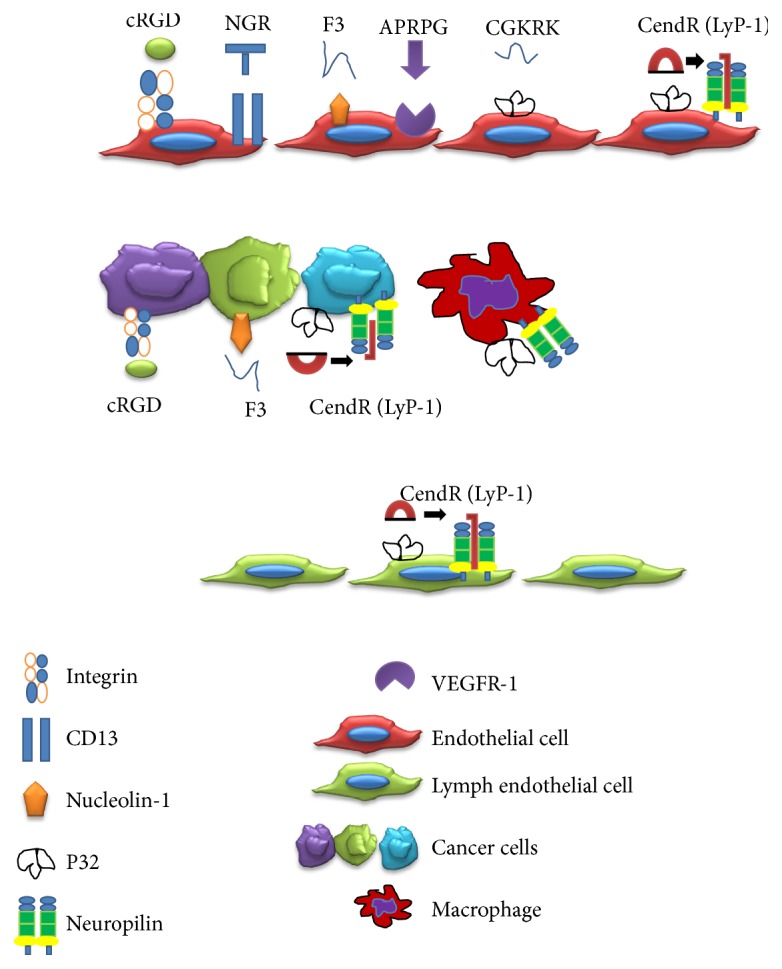
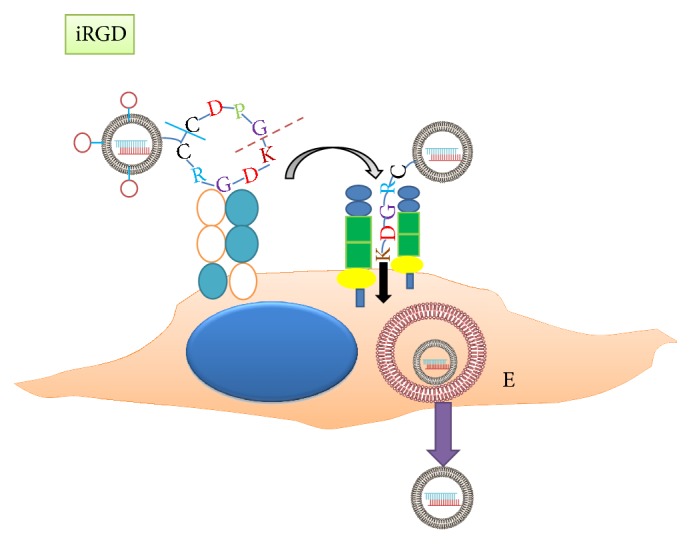
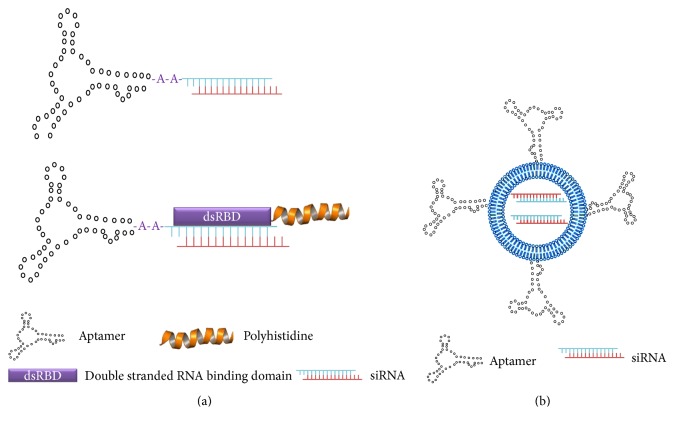
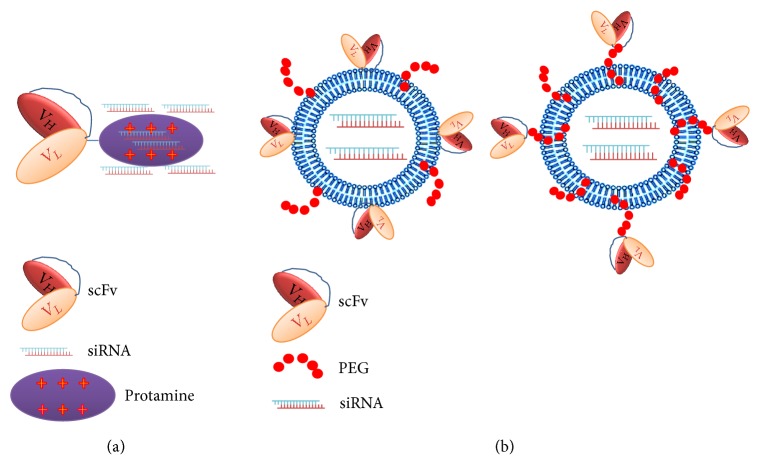
Over the past 20 years, a diverse group of ligands targeting surface biomarkers or receptors has been identified with several investigated to target siRNA to tumors. Many approaches to developing tumor-homing peptides, RNA and DNA aptamers, and single-chain variable fragment antibodies by using phage display, evolution, and recombinant antibody methods could not have been imagined by researchers in the 1980s. Despite these many scientific advances, there is no reason to expect that the ligand field will not continue to evolve. From development of ligands based on novel or existing biomarkers to linking ligands to drugs and gene and antisense delivery systems, several fields have coalesced to facilitate ligand-directed siRNA therapeutics. In this review, we discuss the major categories of ligand-targeted siRNA therapeutics for tumors, as well as the different strategies to identify new ligands.
在过去20年里,已经鉴定出多种靶向表面生物标志物或受体的配体,其中一些已被研究用于将小干扰RNA(siRNA)靶向肿瘤。通过噬菌体展示、进化和重组抗体方法来开发肿瘤归巢肽、RNA和DNA适配体以及单链可变片段抗体的许多方法,在20世纪80年代的研究人员看来是无法想象的。尽管有这些诸多科学进展,但没有理由预期配体领域不会继续发展。从基于新的或现有的生物标志物开发配体,到将配体与药物以及基因和反义递送系统相连接,多个领域已经融合在一起以促进配体导向的siRNA治疗。在本综述中,我们讨论了用于肿瘤的配体靶向siRNA治疗的主要类别,以及鉴定新配体的不同策略。