
既往椎体强化术后椎体压缩骨折的进展:既往治疗椎体再发骨折的技术原因
Progression of Vertebral Compression Fractures After Previous Vertebral Augmentation: Technical Reasons for Recurrent Fractures in a Previously Treated Vertebra.
作者信息
Jacobson Robert E, Palea Ovidiu, Granville Michelle
机构信息
Miami Neurosurgical Center, University of Miami Hospital.
Anesthesiology and Pain Management, Provita Hospital.
出版信息
Cureus. 2017 Oct 16;9(10):e1776. doi: 10.7759/cureus.1776.
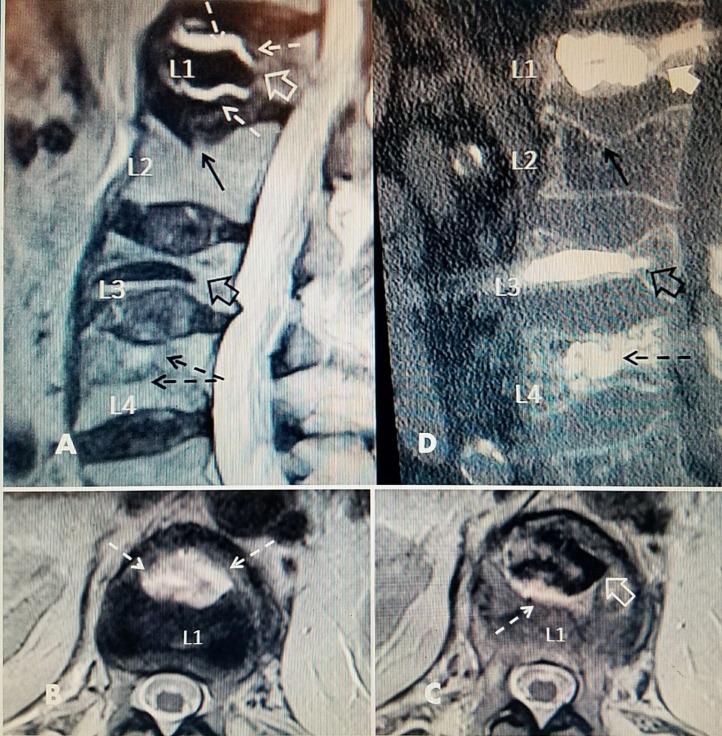
It is well recognized that patients can develop additional vertebral compression fractures (VCF) in an adjacent vertebra or at another vertebral level after successful vertebral augmentation. Factors such as the patient's bone mineral density, post procedure activity, and chronic corticosteroid use contribute to an increased risk of re-fracture or development of new fractures in the first three months after the initial procedure. However, there is a very small subgroup of patients that have unchanged or worse pain after the vertebral augmentation that may indicate continued progression of the treated compression fracture or a recurrent fracture at the previously treated level. This review examines the clinical findings, radiologic signs, and intraprocedural technical failures that may occur during the initial vertebral augmentation that can lead to a progressive fracture in a previously treated vertebra. Causes of failure of the initial vertebral augmentation procedure include inadequate or incomplete filling of the fracture site, the cement missing the actual fracture allowing continued osteoporotic compression, and persistent or worsened intravertebral fluid-filled clefts. The existence of an unfilled intravertebral fluid cleft on preoperative diagnostic studies is the most important indicator of risk for progression as is the later development of fluid at the bone cement interface.
众所周知,患者在椎体强化成功后,可能会在相邻椎体或其他椎体水平发生额外的椎体压缩骨折(VCF)。患者的骨密度、术后活动情况以及长期使用皮质类固醇等因素,会增加初次手术后头三个月再次骨折或发生新骨折的风险。然而,有一小部分患者在椎体强化后疼痛未减轻甚至加重,这可能表明治疗的压缩骨折仍在进展,或者在先前治疗的部位出现了复发性骨折。本综述探讨了初次椎体强化过程中可能出现的临床发现、影像学征象以及术中技术失误,这些情况可能导致先前治疗的椎体发生进行性骨折。初次椎体强化手术失败的原因包括骨折部位填充不足或不完整、骨水泥未填充到实际骨折处,导致骨质疏松性压缩持续存在,以及椎体内持续存在或恶化的充满液体的裂隙。术前诊断研究中存在未填充的椎体内液体裂隙,以及骨水泥界面后期出现液体,是骨折进展风险的最重要指标。


 Zotero 插件