Department of Ophthalmology and Visual SciencesUniversity of Michigan, Ann Arbor, Michigan, USA.
Department of Ophthalmology and Visual SciencesUniversity of Michigan, Ann Arbor, Michigan, USA
J Mol Endocrinol. 2018 Jul;61(1):T29-T43. doi: 10.1530/JME-17-0276. Epub 2017 Dec 22.
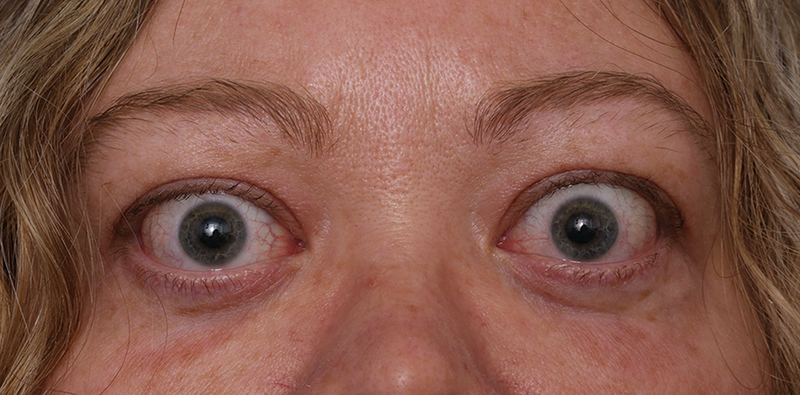
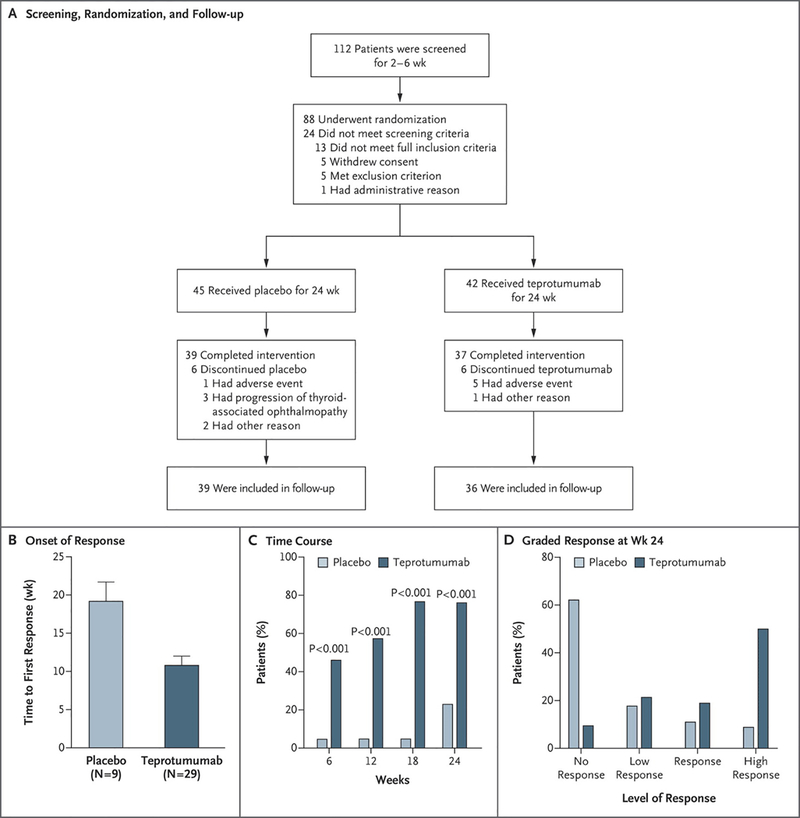
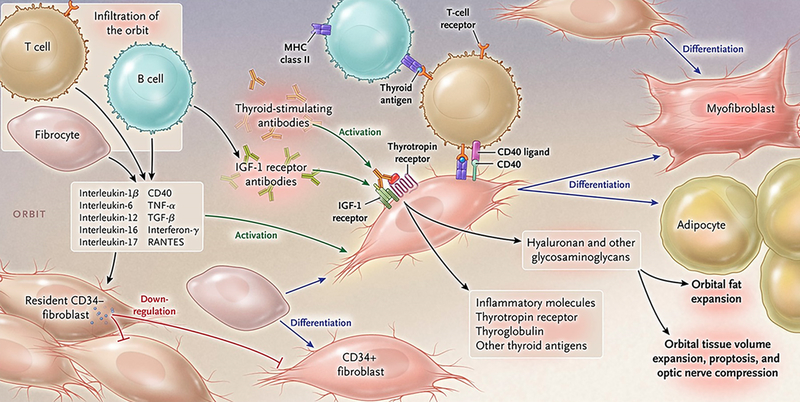
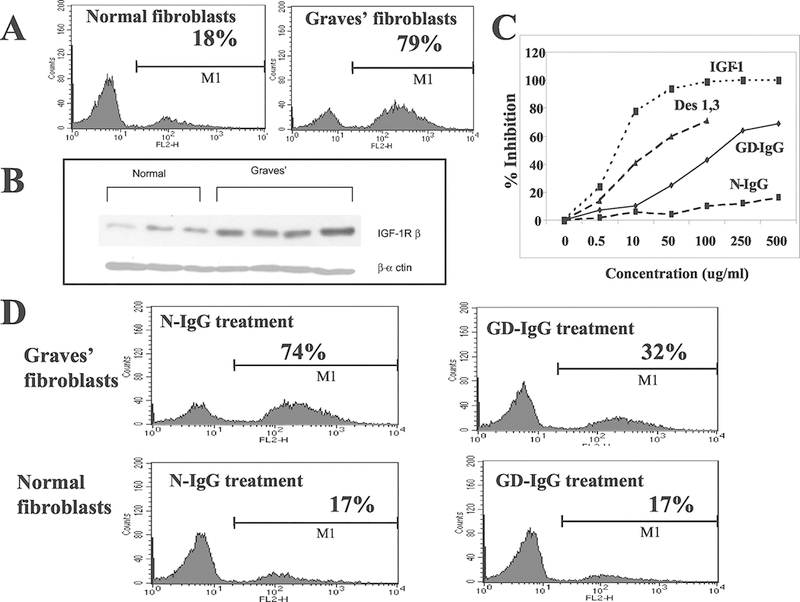
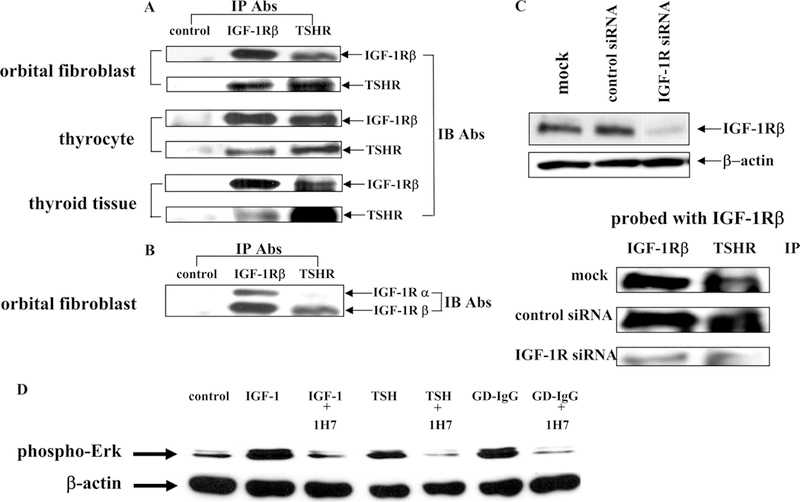
Thyroid-associated ophthalmopathy (TAO) is a vexing and poorly understood autoimmune process involving the upper face and tissues surrounding the eyes. In TAO, the orbit can become inflamed and undergo substantial remodeling that is disfiguring and can lead to loss of vision. There are currently no approved medical therapies for TAO, the consequence of its uncertain pathogenic nature. It usually presents as a component of the syndrome known as Graves' disease where loss of immune tolerance to the thyrotropin receptor (TSHR) results in the generation of activating antibodies against that protein and hyperthyroidism. The role for TSHR and these antibodies in the development of TAO is considerably less well established. We have reported over the past 2 decades evidence that the insulin-like growth factorI receptor (IGF1R) may also participate in the pathogenesis of TAO. Activating antibodies against IGF1R have been detected in patients with GD. The actions of these antibodies initiate signaling in orbital fibroblasts from patients with the disease. Further, we have identified a functional and physical interaction between TSHR and IGF1R. Importantly, it appears that signaling initiated from either receptor can be attenuated by inhibiting the activity of IGF1R. These findings underpin the rationale for therapeutically targeting IGF1R in active TAO. A recently completed therapeutic trial of teprotumumab, a human IGF1R inhibiting antibody, in patients with moderate to severe, active TAO, indicates the potential effectiveness and safety of the drug. It is possible that other autoimmune diseases might also benefit from this treatment strategy.
甲状腺相关眼病(TAO)是一种令人困扰且尚未被充分理解的自身免疫过程,涉及上脸和眼睛周围的组织。在 TAO 中,眼眶可能会发炎并经历大量重塑,导致容貌受损,并可能导致视力丧失。目前尚无针对 TAO 的批准的医疗疗法,这是由于其不确定的发病机制所致。它通常作为 Graves 病综合征的一个组成部分出现,在这种疾病中,对促甲状腺激素受体(TSHR)的免疫耐受丧失会导致针对该蛋白的激活抗体的产生和甲状腺功能亢进。TSHR 和这些抗体在 TAO 发展中的作用尚未得到充分确立。在过去的 20 年中,我们报告了证据表明胰岛素样生长因子 I 受体(IGF1R)也可能参与 TAO 的发病机制。在 GD 患者中检测到针对 IGF1R 的激活抗体。这些抗体在来自患有该疾病的患者的眼眶成纤维细胞中引发信号。此外,我们已经确定了 TSHR 和 IGF1R 之间的功能和物理相互作用。重要的是,似乎来自任一受体的信号都可以通过抑制 IGF1R 的活性来减弱。这些发现为在活动性 TAO 中靶向治疗 IGF1R 提供了依据。最近完成的一项针对 teprotumumab 的治疗试验,这是一种针对人类 IGF1R 的抑制性抗体,在患有中度至重度活动性 TAO 的患者中进行,表明了该药物的潜在有效性和安全性。其他自身免疫性疾病也可能从这种治疗策略中受益。