Cellular Neurophysiology, Center for Integrative Physiology and Molecular Medicine, Saarland University, Homburg, Germany.
Department of Experimental and Clinical Pharmacology and Toxicology and Preclinical Center for Molecular Signaling, Saarland University, Homburg, Germany.
J Cell Biol. 2018 Feb 5;217(2):667-683. doi: 10.1083/jcb.201706053. Epub 2017 Dec 29.
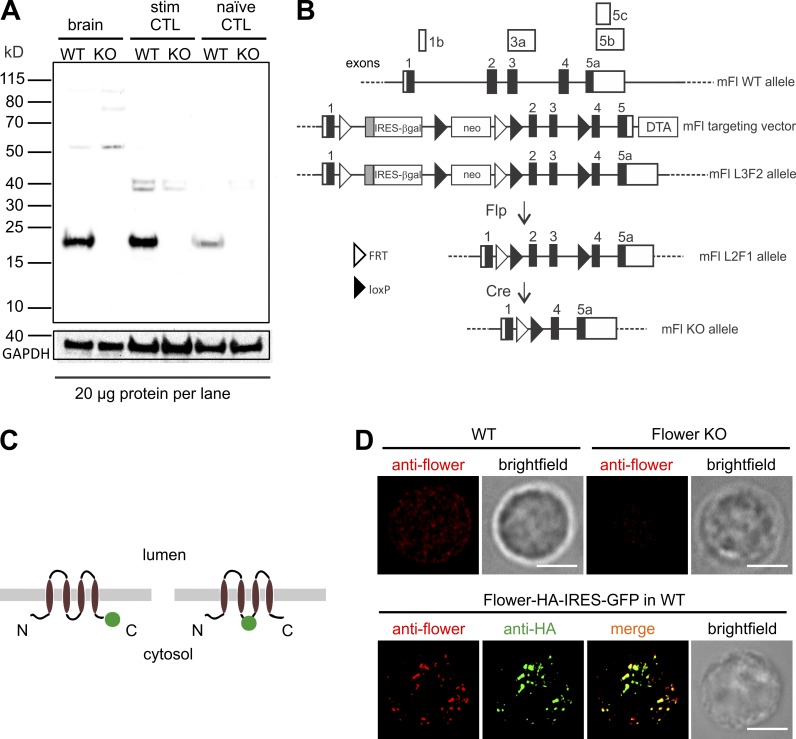
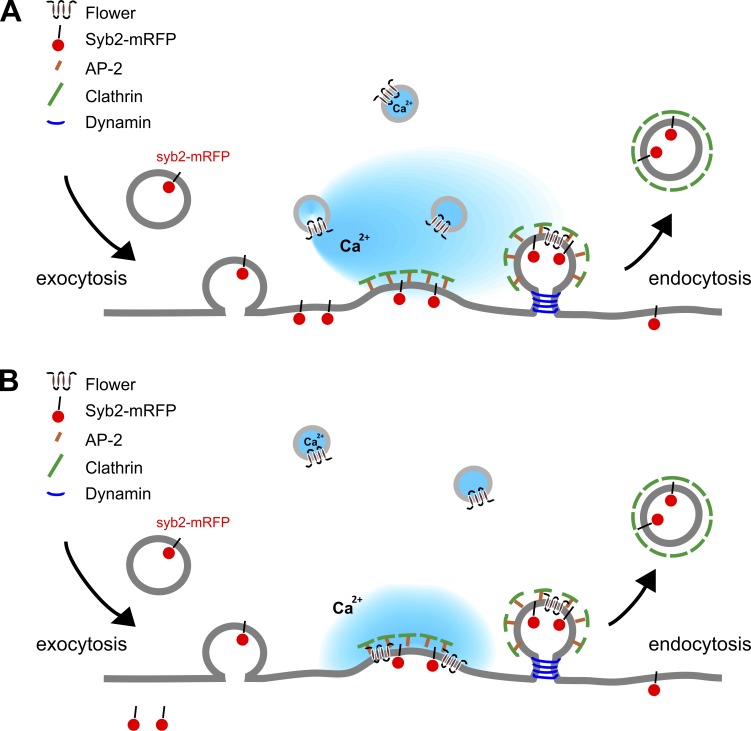
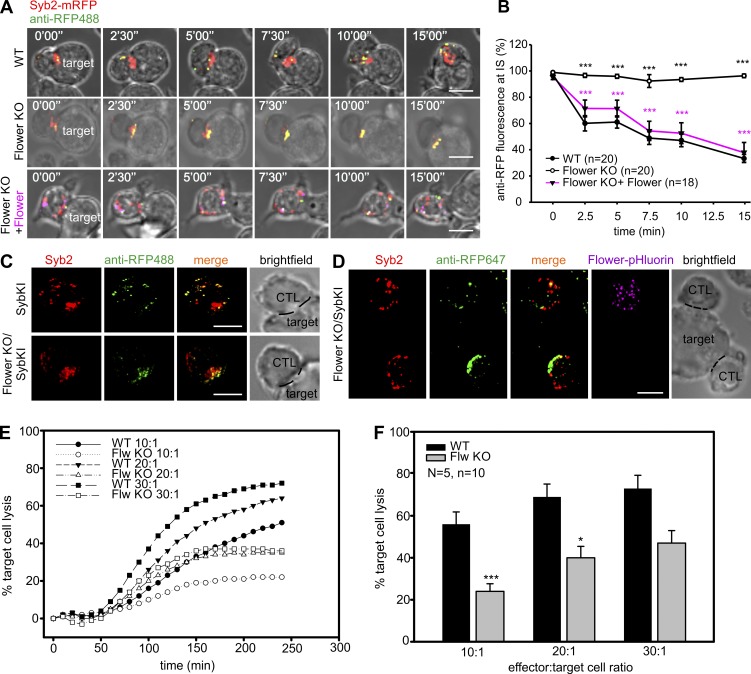
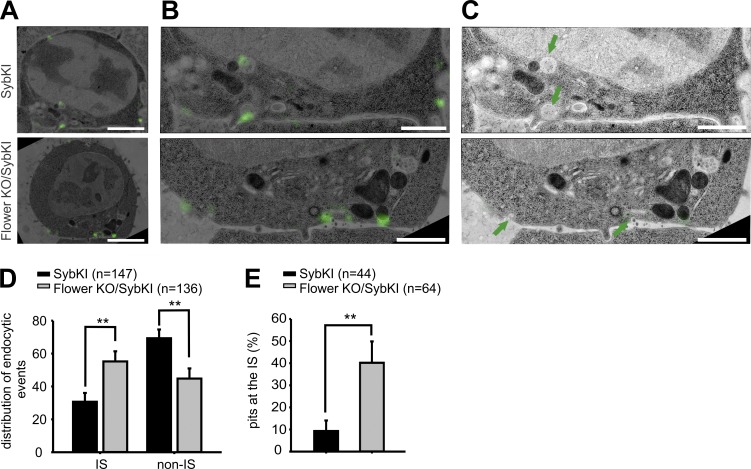
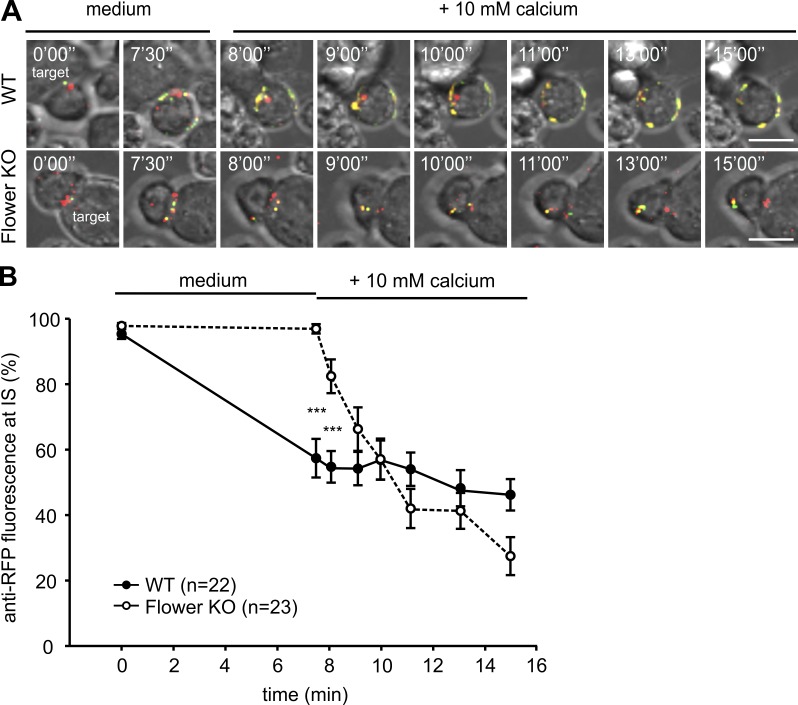
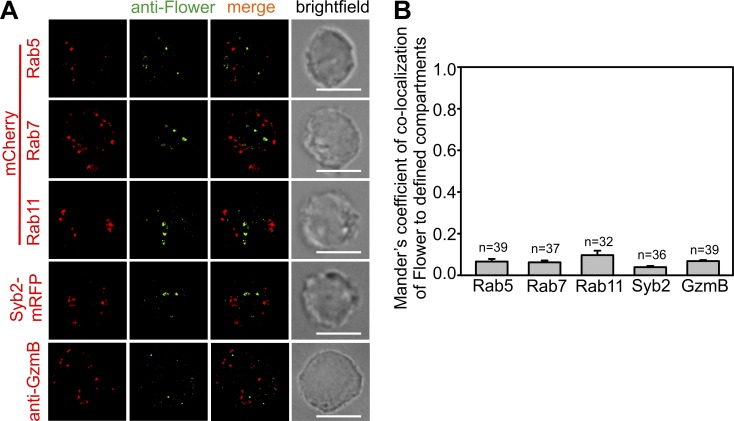
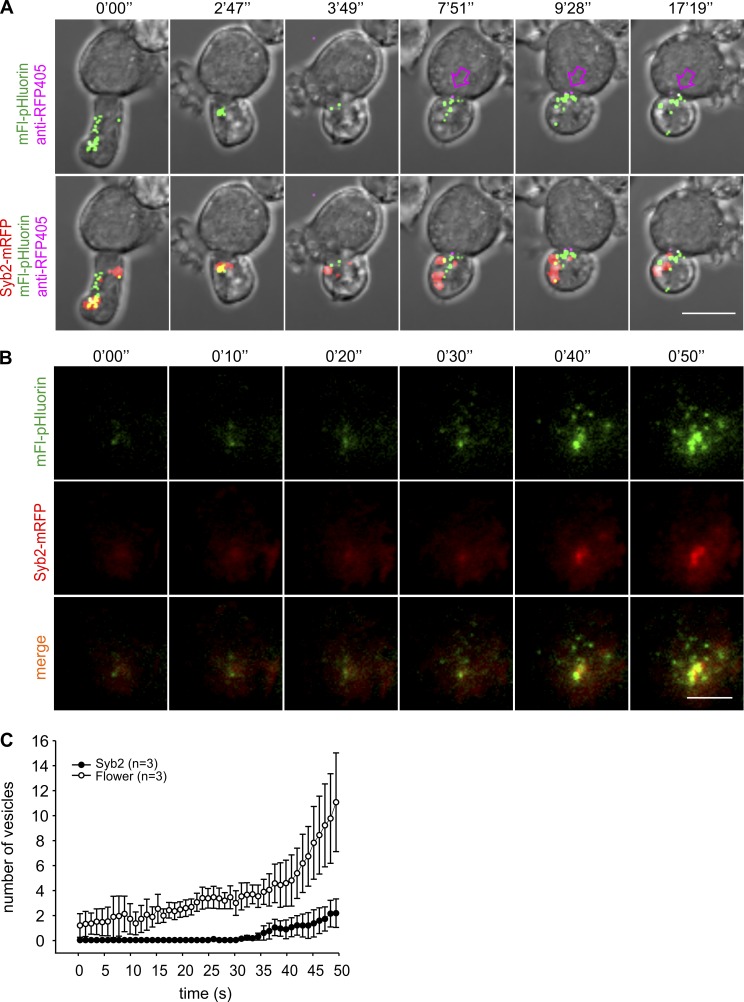
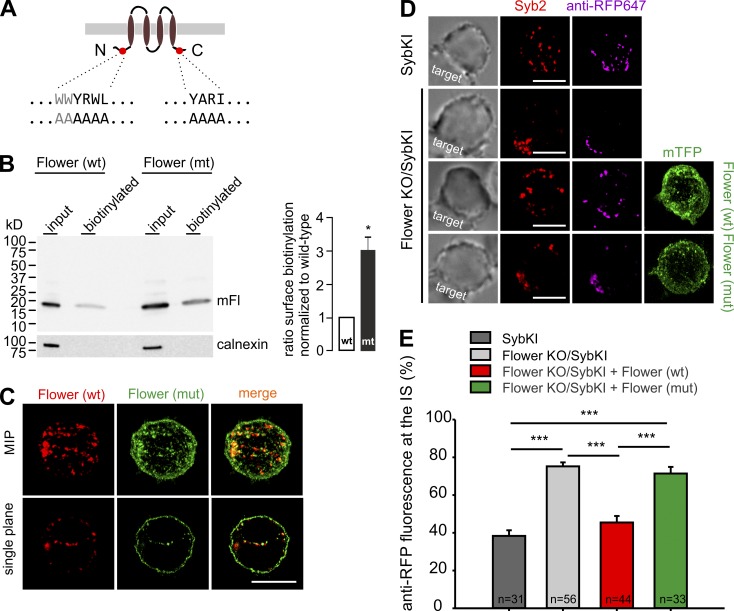
Cytotoxic T lymphocytes (CTLs) kill target cells by the regulated release of cytotoxic substances from granules at the immunological synapse. To kill multiple target cells, CTLs use endocytosis of membrane components of cytotoxic granules. We studied the potential calcium dependence of endocytosis in mouse CTLs on Flower, which mediates the calcium dependence of synaptic vesicle endocytosis in Flower is predominantly localized on intracellular vesicles that move to the synapse on target cell contact. Endocytosis is entirely blocked at an early stage in Flower-deficient CTLs and is rescued to wild-type level by reintroducing Flower or by raising extracellular calcium. A Flower mutant lacking binding sites for the endocytic adaptor AP-2 proteins fails to rescue endocytosis, indicating that Flower interacts with proteins of the endocytic machinery to mediate granule endocytosis. Thus, our data identify Flower as a key protein mediating granule endocytosis.
细胞毒性 T 淋巴细胞 (CTL) 通过在免疫突触处从颗粒中释放细胞毒性物质来杀死靶细胞。为了杀死多个靶细胞,CTL 利用细胞毒性颗粒的膜成分内吞作用。我们研究了花介导突触小泡内吞作用钙离子依赖性的小鼠 CTL 中的内吞作用的潜在钙离子依赖性,花主要定位于在与靶细胞接触时向突触移动的细胞内小泡上。在缺乏花的 CTL 中,内吞作用在早期完全被阻断,并且通过重新引入花或提高细胞外钙可以恢复到野生型水平。缺乏与内吞作用衔接蛋白 AP-2 蛋白结合位点的花突变体不能挽救内吞作用,表明花与内吞作用机制的蛋白相互作用以介导颗粒内吞作用。因此,我们的数据将花鉴定为介导颗粒内吞作用的关键蛋白。